
For centuries, lighthouse keepers and fishermen have talked about a strange sound rolling across the ocean at night. Some said it sounded like distant thunder. Others thought it was a machine hidden far away at sea. The mystery lasted for generations because nobody could find where the sound came from. Now, scientists think humpback whales may finally have the answer.
The idea that humpback whales may explain a centuries-old lighthouse mystery has amazed both researchers and ocean lovers. Recent studies suggest these giant animals create a deep rumbling sound that can travel through the air for miles. In this article, you’ll learn what the mysterious sound is, why people were puzzled by it for so long, how scientists linked it to humpback whales, and what this discovery teaches us about one of the ocean’s most fascinating animals.
The strange sound that puzzled generations

For hundreds of years, people living near the coast reported hearing a low, humming noise at night. Lighthouse keepers described it as an eerie rumble that sometimes seemed to vibrate through the walls of their buildings. Fishermen heard it while resting on their boats and often argued about what caused it. Some believed it came from underground earthquakes, while others thought it was the sound of waves hitting hidden caves beneath the ocean.
The mystery stayed unsolved because the sound was difficult to track. It did not happen all the time, and it often changed in volume and tone. In some places, it sounded like a soft hum, while in others it resembled distant thunder. Since no ships or machines could explain the noise, the stories became part of local folklore. Many people simply accepted that the ocean held secrets humans might never understand.
Scientists finally traced the sound to whales

Researchers studying humpback whales in Alaska recently took a closer look at the mystery. They placed microphones on land and underwater devices called hydrophones in the sea. These instruments recorded sounds from whales as they surfaced to breathe. After comparing the recordings, scientists discovered that the mysterious rumble matched a previously unknown sound made by humpback whales.
The sound is now being called a “thrum.” Scientists found that it can travel at least five miles through the air. When heard from nearby, it may sound like a buzzing raspberry. From farther away, it becomes a deep mechanical hum. This difference explains why people described the noise in so many ways over the centuries. The finding suggests that humpback whales may have been creating the mystery sound all along without anyone realizing it.
How humpback whales create the mysterious thrum

Scientists believe the sound comes from the whales’ nasal passages when they exhale after surfacing. Humpback whales breathe through two blowholes located on top of their heads. Inside their breathing system are special fatty structures that may vibrate as air rushes through them. These vibrations appear to create the low-frequency thrum that people hear from far away. Researchers are still studying the exact process because whale anatomy is complex and difficult to observe in the wild.
Humpback whales are famous for producing many different sounds. Males sing long and complex songs during breeding season, and these songs can last from a few minutes to more than half an hour. Scientists have also recorded clicks, moans, squeaks, and other vocalizations. The discovery of the thrum adds another sound to the humpback’s impressive collection and shows that researchers still have much to learn about how whales communicate and interact with their environment.
Why humpback whales are such remarkable animals
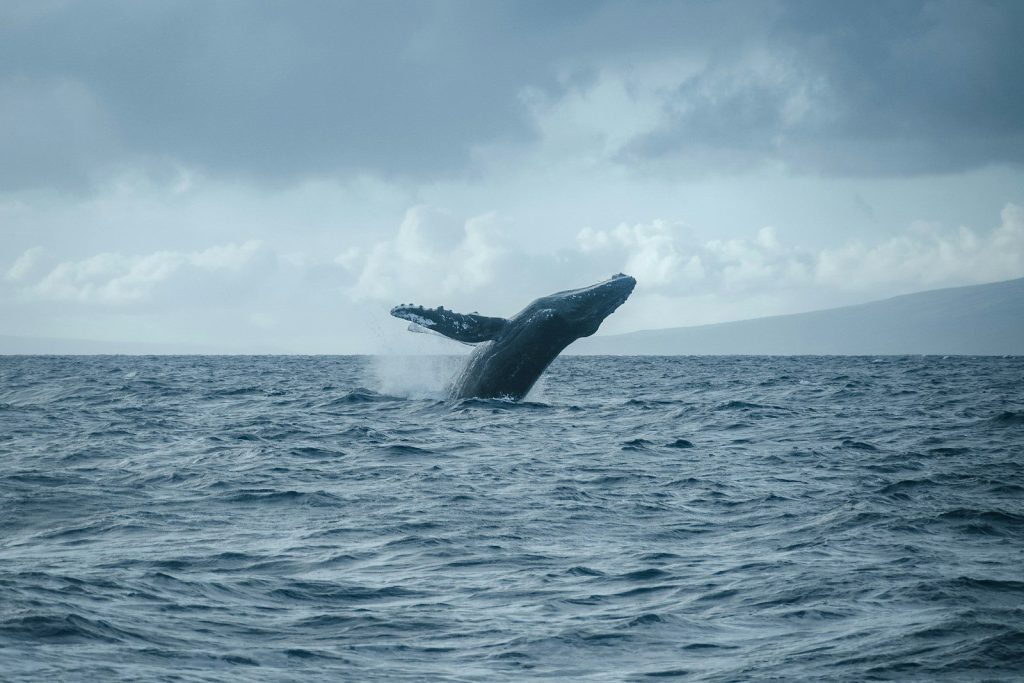
Humpback whales are among the most recognizable animals in the ocean. Adults usually grow between 46 and 56 feet long and can weigh up to 40 tons. Their long pectoral fins, which can reach nearly one-third of their body length, help them maneuver through the water with surprising agility. Their bodies are mostly black, but each whale has unique white markings on its tail and belly that scientists use like fingerprints to identify individuals.
These whales live in oceans around the world and make some of the longest migrations of any mammal. Many populations travel thousands of miles each year between warm breeding waters and colder feeding grounds. Some whales swim as far as 5,000 miles during their yearly journey. Along the way, they feed on krill and small fish, often using a remarkable technique called bubble-net feeding, where whales blow rings of bubbles to trap their prey before swallowing huge mouthfuls of water and filtering out food with their baleen plates.
Why the discovery matters to science

The discovery of the thrum is exciting because it reminds scientists that even large and well-studied animals can still surprise us. Humpback whales are among the most researched whales in the world. They are easy to spot because they often leap out of the water, slap their fins, and raise their tails before diving. Yet despite decades of study, researchers are still finding new behaviors and sounds that nobody knew existed before.
Scientists do not yet know why humpback whales make the thrum. It could help clear their nasal passages, act as a form of self-soothing, or serve another purpose entirely. Researchers are careful not to jump to conclusions until more evidence is collected. Still, the discovery highlights how much remains hidden beneath the ocean’s surface. Even in the modern age, mysteries that puzzled people for centuries can suddenly be explained with new technology and careful observation.
What this mystery teaches us about the ocean

The story of the lighthouse mystery shows that human understanding of nature is always growing. For generations, people heard the strange sound but lacked the tools to study it. Today, scientists can place microphones underwater, analyze sound waves, and compare recordings from many locations. These advances allow researchers to solve mysteries that once seemed impossible to explain.
At the same time, the discovery reminds us to stay curious. Oceans cover more than two-thirds of Earth, yet much of them remains unexplored. New species are still being discovered, and animals we think we know well continue to surprise us. Humpback whales, with their giant bodies, beautiful songs, and mysterious thrum, prove that the natural world still holds countless secrets waiting to be uncovered.
Leave a Reply