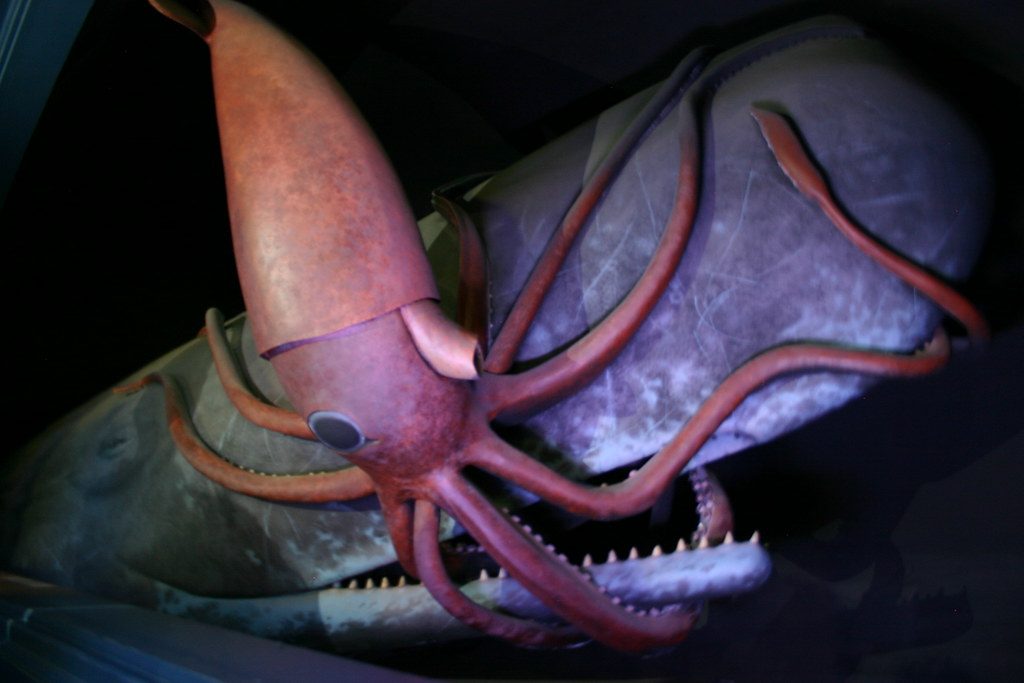
Few creatures inspire more mystery than the giant squid. For centuries, sailors told stories of enormous tentacled animals lurking in the deep ocean, yet sightings remained incredibly rare. Even today, giant squids are among the least understood animals on Earth because they spend most of their lives far below the surface.
Now, scientists have uncovered new evidence that one of these elusive giants is living in deep-sea canyons off Western Australia. Remarkably, they did not find the animal itself. Instead, researchers detected traces of its genetic material in seawater, revealing a creature that had remained hidden in the darkness of the deep ocean.
A discovery made from seawater
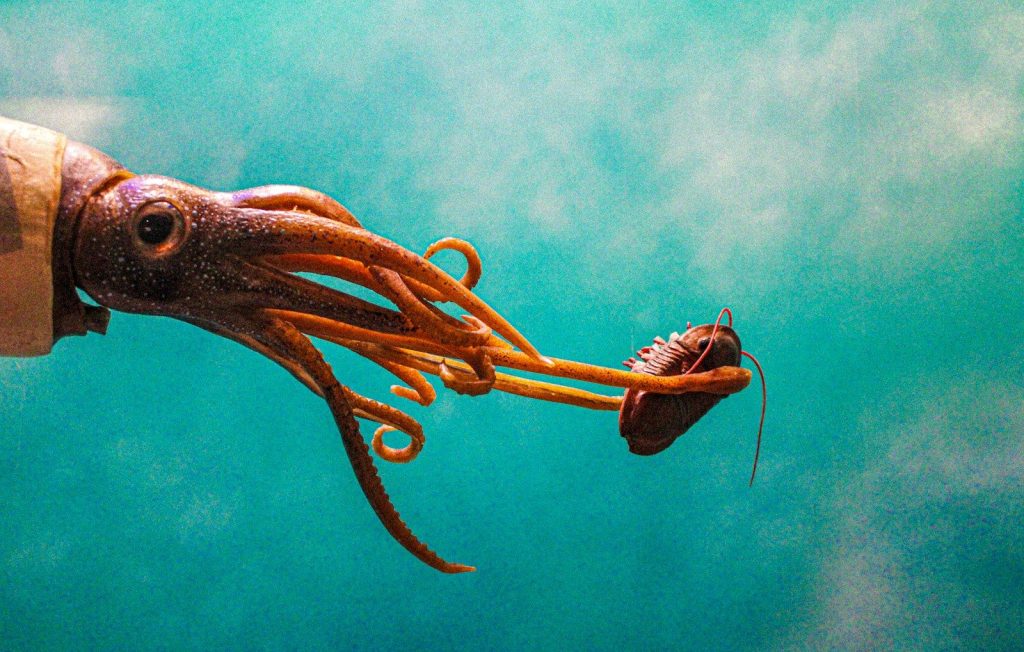
The breakthrough came during a scientific expedition near the Ningaloo coast of Western Australia. Researchers were exploring deep-sea canyons and collecting water samples at different depths.
Rather than searching for animals directly, the team analyzed environmental DNA, also known as eDNA. This technique allows scientists to identify species by examining tiny traces of genetic material left in water by skin cells, mucus, waste, and other biological material.
Exploring the deep ocean
The expedition took place aboard the Schmidt Ocean Institute’s research vessel RV Falkor. Scientists collected nearly 200 water samples from two deep-sea canyons known as Cape Range and Cloates Canyon.
The samples came from five different depth levels, reaching nearly 2.8 miles below the ocean’s surface. These depths remain among the least explored environments on the planet and are home to many species that scientists rarely encounter.
Evidence of a legendary creature
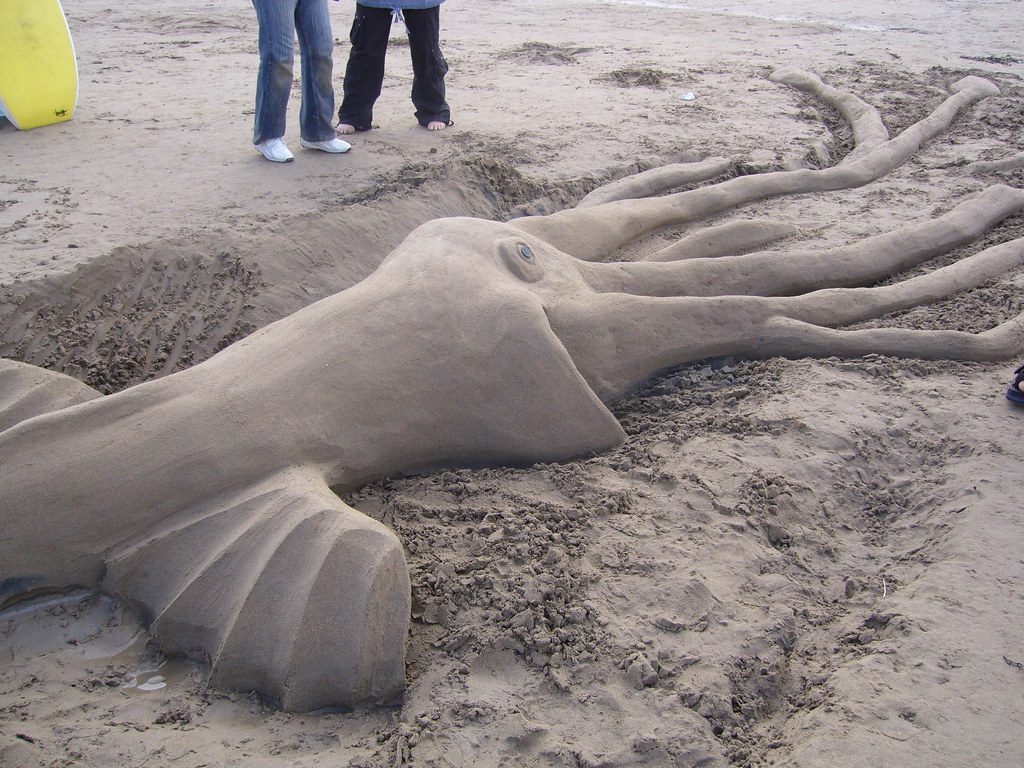
When researchers compared the DNA fragments to genetic databases, they found evidence of a giant squid in both underwater canyons. The discovery was especially significant because giant squids are rarely detected anywhere in the world.
According to the researchers, scientists had documented a giant squid in Western Australian waters only twice before. The last confirmed evidence from the region occurred more than 25 years ago, making the new finding particularly important.
More than just a giant squid
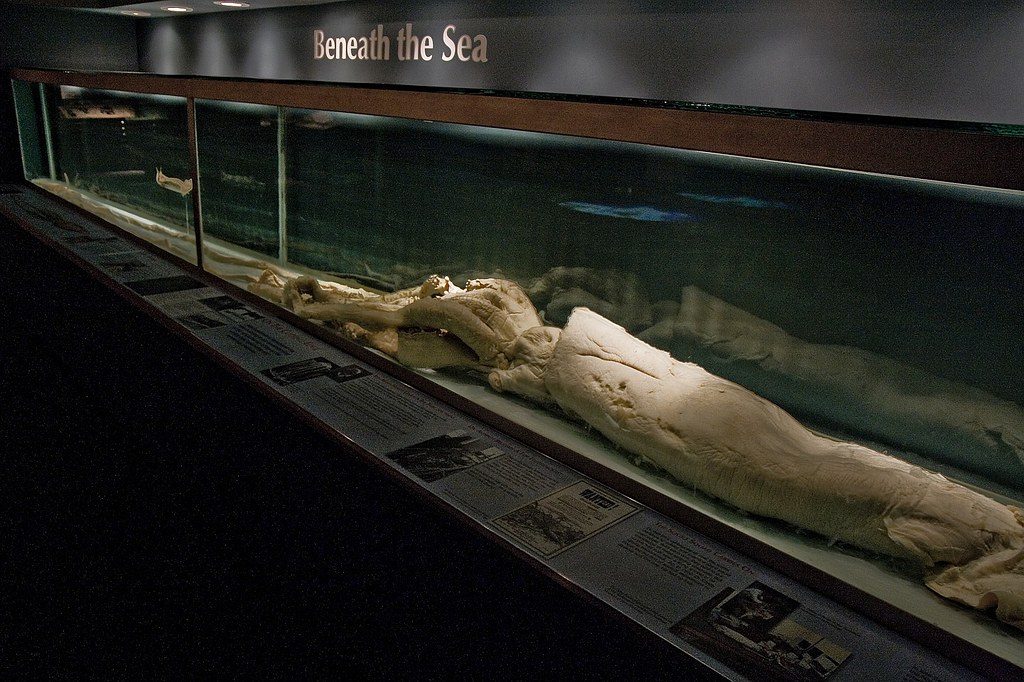
The study revealed far more than evidence of a single species. Researchers identified a total of 226 marine species living within the deep-sea ecosystem.
Among the discoveries were animals not previously recorded in Western Australian waters, including the faceless cusk eel and sleeper shark. The findings highlighted how much remains unknown about life in the deep ocean and how many species may still await discovery.
Every depth tells a different story

One of the study’s most important findings was that different parts of the deep sea contained different communities of animals. Species varied not only by location but also by depth.
Researchers found that the two canyons supported distinct ecosystems, suggesting that deep-ocean habitats cannot be treated as identical environments. Understanding these differences may become increasingly important when planning future conservation efforts.
A powerful new tool for ocean science
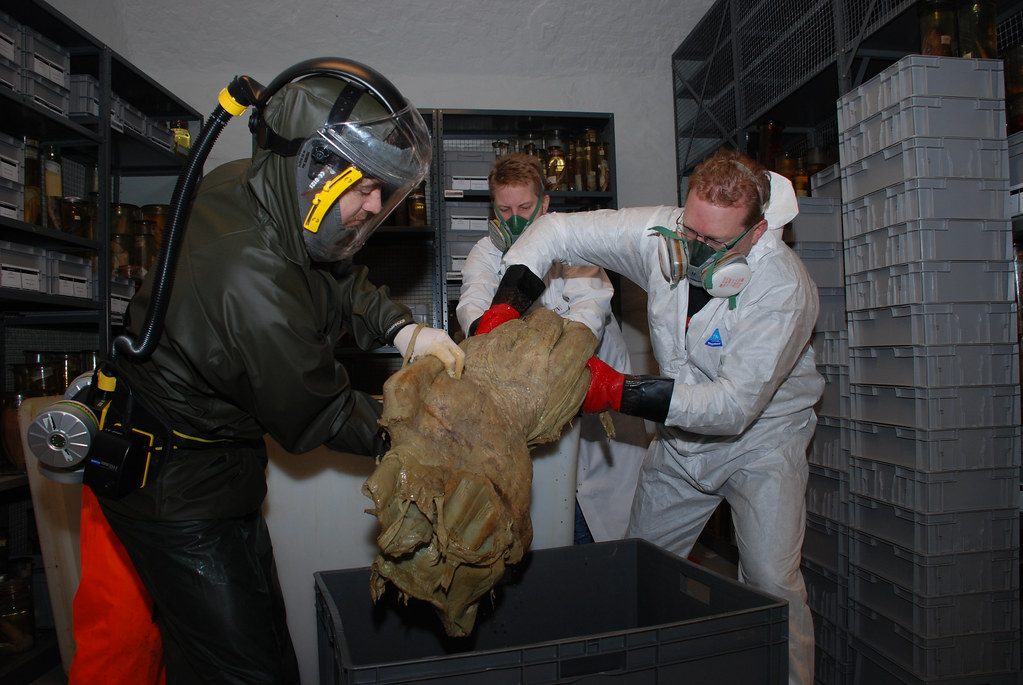
Environmental DNA is becoming one of the most valuable tools available to marine researchers. Unlike cameras or fishing nets, eDNA can detect rare, fragile, or fast-moving species without disturbing them.
By analyzing a single water sample, scientists can identify evidence of many different animals living nearby. As technology continues to improve, researchers hope it will help reveal more hidden species, track changes in marine ecosystems, and guide conservation efforts in some of the ocean’s most mysterious regions.
Leave a Reply