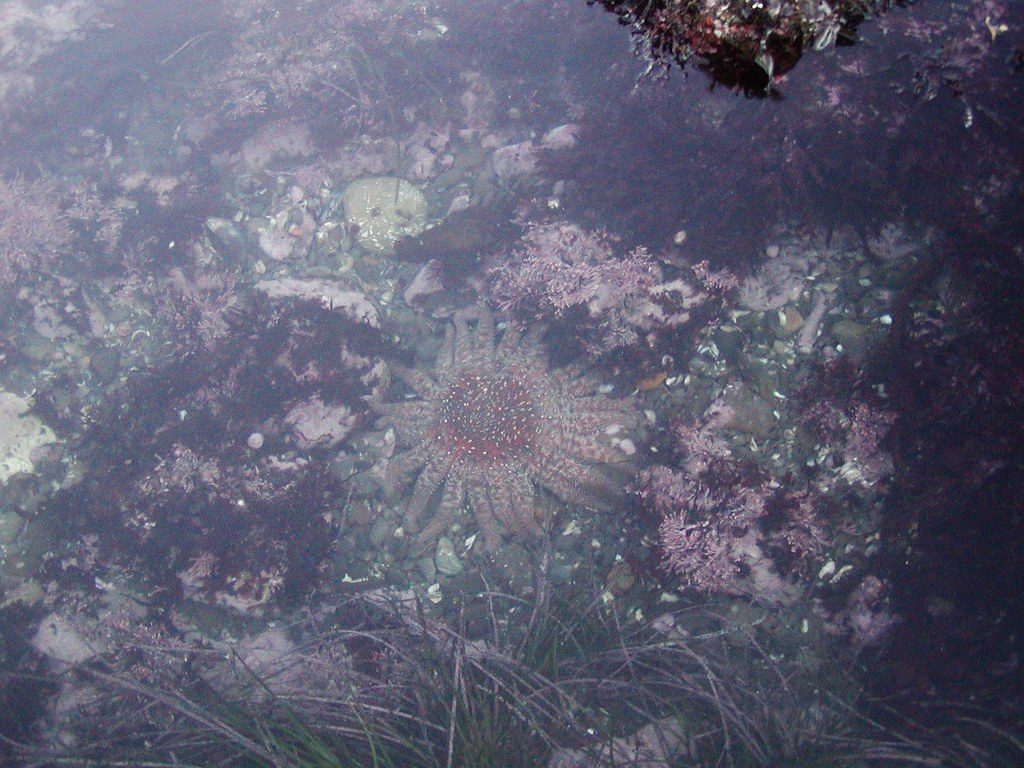
For years, scientists feared one of the Pacific Ocean’s most important predators was disappearing for good. Billions of sea stars died during a devastating disease outbreak that transformed marine ecosystems along North America’s west coast. The losses were so severe that many underwater habitats struggled to recover.
Now, researchers have discovered a hopeful sign in Northern California. Eighteen giant sunflower sea stars, once thought nearly gone from the region, have been found living in the waters of the Greater Farallones National Marine Sanctuary. Their return could play an important role in restoring fragile kelp forests and rebuilding balance in the ocean ecosystem.
A surprising discovery beneath the waves
Last summer, scientists exploring waters off Northern California located 18 sunflower sea stars in the Greater Farallones National Marine Sanctuary. The discovery marked one of the most encouraging sightings of the species in years.
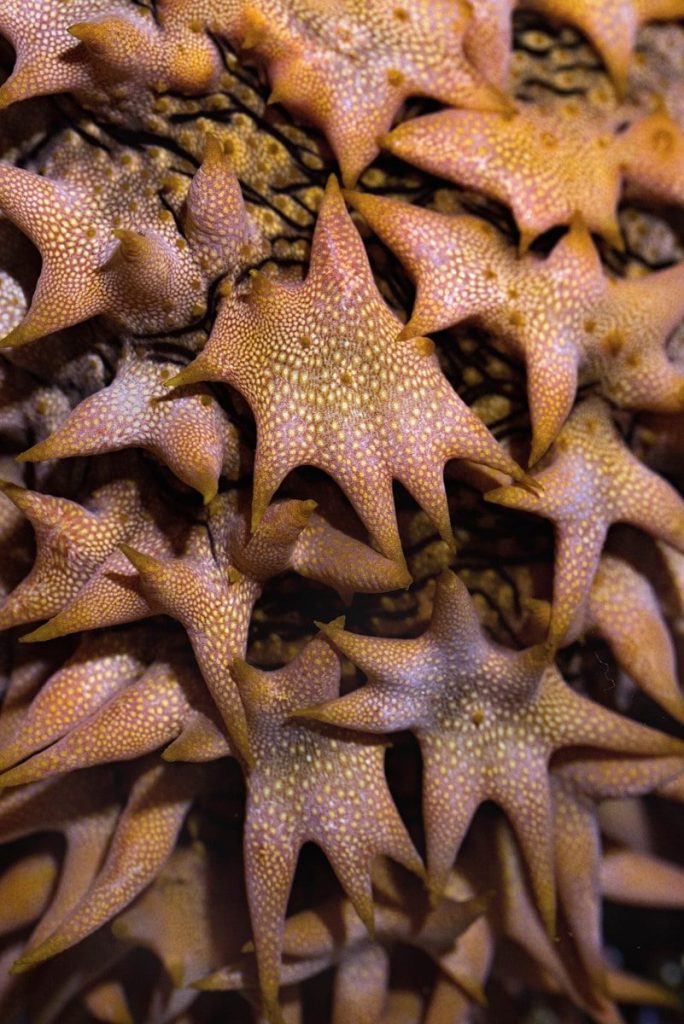
Sunflower sea stars are among the largest sea stars on Earth. Some individuals can grow more than three feet across and display striking colors ranging from orange and purple to brown and red. Their appearance makes them one of the most recognizable marine invertebrates in Pacific waters.
The disease that changed the coastline
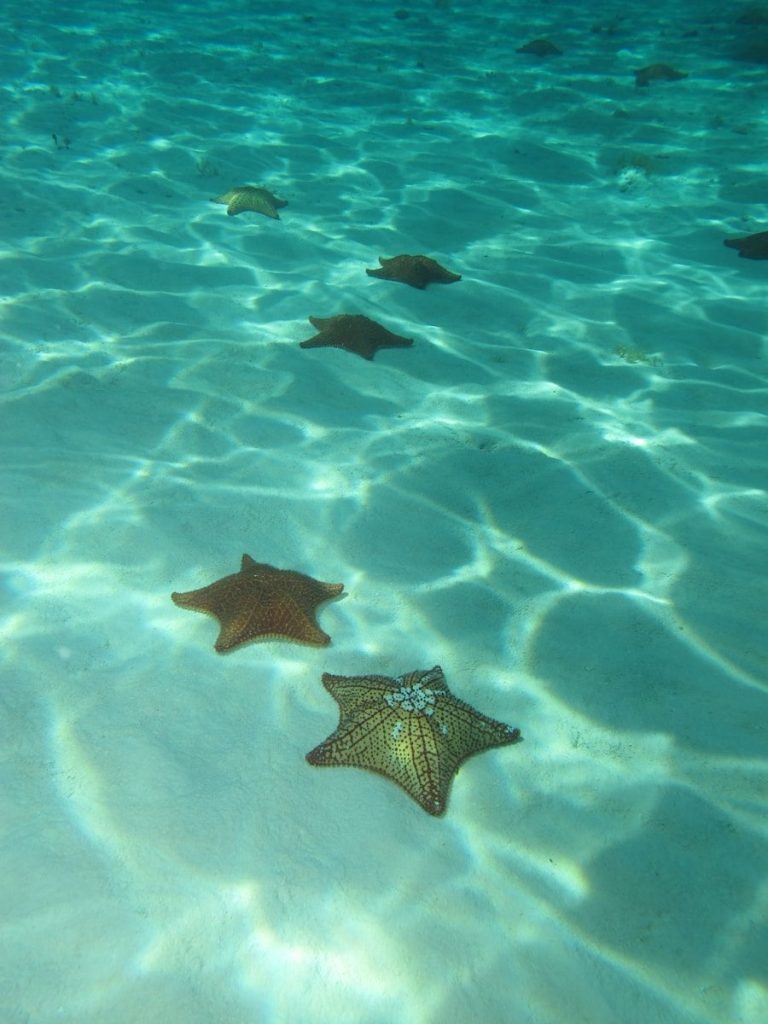
Between 2013 and 2017, sea star wasting disease caused one of the largest marine epidemics ever recorded. The outbreak killed billions of sea stars across the Pacific coast, devastating populations throughout their range.
Researchers now believe a bacterium called Vibrio pectenicida played a major role in the disease. Scientists continue studying why the illness spread so widely and what environmental factors may have contributed to the massive losses.
Why sunflower sea stars matter
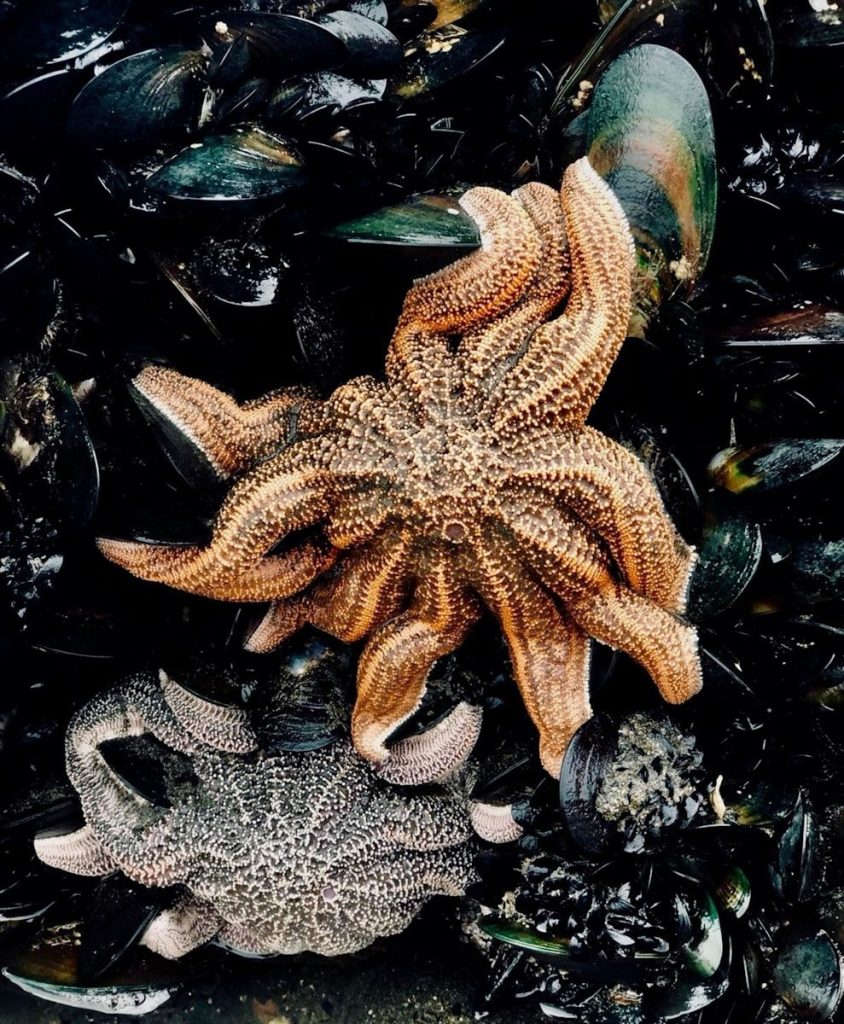
Sunflower sea stars are not just another marine species. They serve as important predators within kelp forest ecosystems. Using their many arms and surprising speed, they hunt purple sea urchins that feed on kelp.
When sunflower sea star populations collapsed, sea urchin numbers increased dramatically. Without enough predators to control them, the urchins consumed vast areas of kelp, causing severe habitat loss throughout parts of the Pacific coast.
The connection to kelp forests
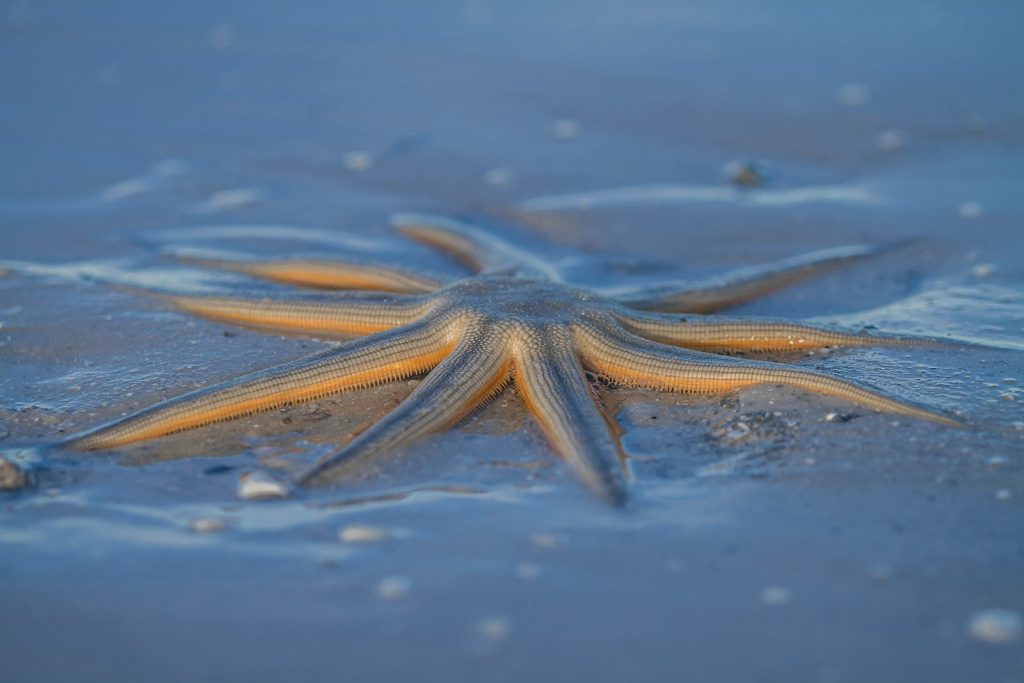
Kelp forests are often called the underwater jungles of the ocean. They provide shelter, food, and breeding grounds for hundreds of marine species, including sea otters, sharks, fish, and many invertebrates.
In the Farallones region, the loss of sunflower sea stars contributed to a dramatic decline in kelp forests. Scientists estimate that roughly 90 percent of some kelp habitats disappeared after sea urchin populations expanded without natural control.
A possible path to recovery
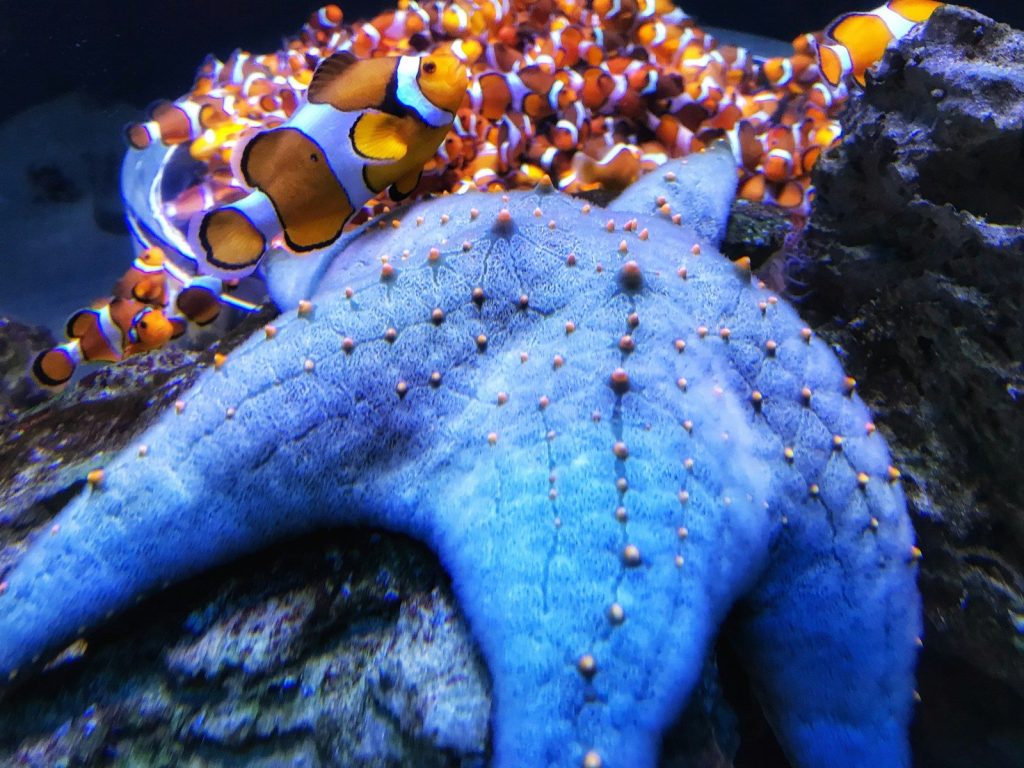
Researchers believe the return of sunflower sea stars could help restore balance to affected ecosystems. By feeding on sea urchins, the sea stars may allow kelp forests to recover naturally over time.
Scientists involved in conservation efforts collected tissue samples, water samples, and ecological data from the newly discovered sea stars. This information may help future restoration and repopulation projects designed to strengthen wild populations.
Hope for the future
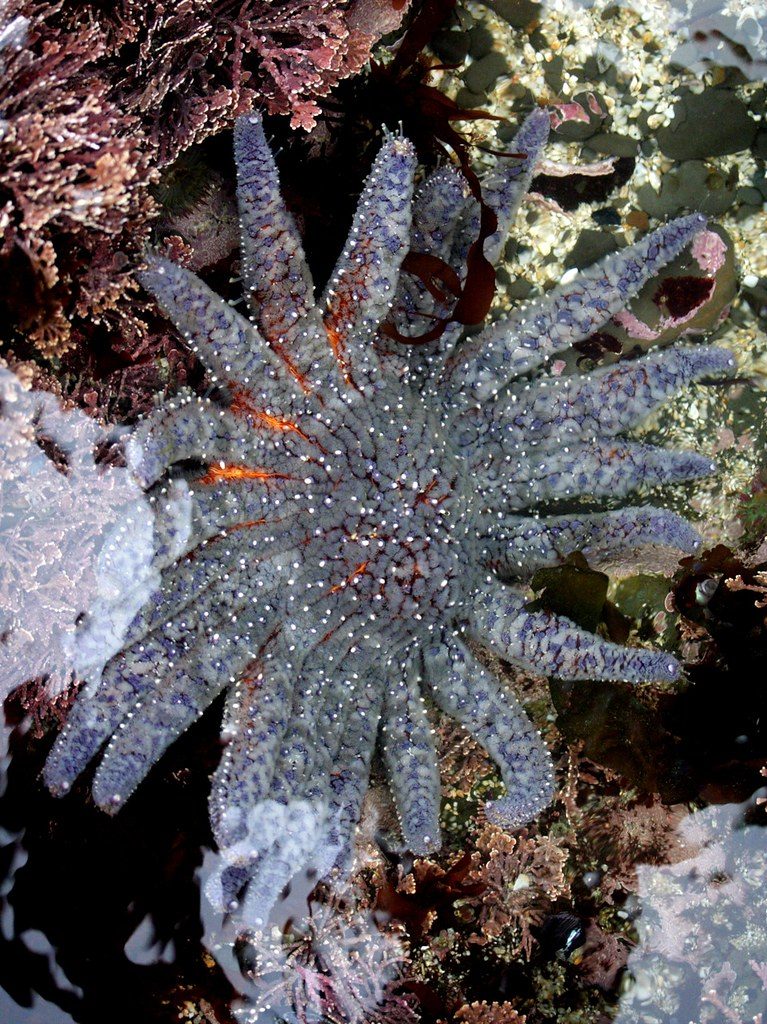
The discovery has given marine scientists renewed optimism. Researchers are exploring several ways to support recovery, including breeding programs and studies focused on disease resistance and climate resilience.
While sunflower sea stars remain threatened, their reappearance shows that recovery is still possible. For ecosystems damaged by disease, warming oceans, and habitat loss, the return of these giant predators offers a rare and encouraging sign that nature can sometimes begin to heal.
Leave a Reply