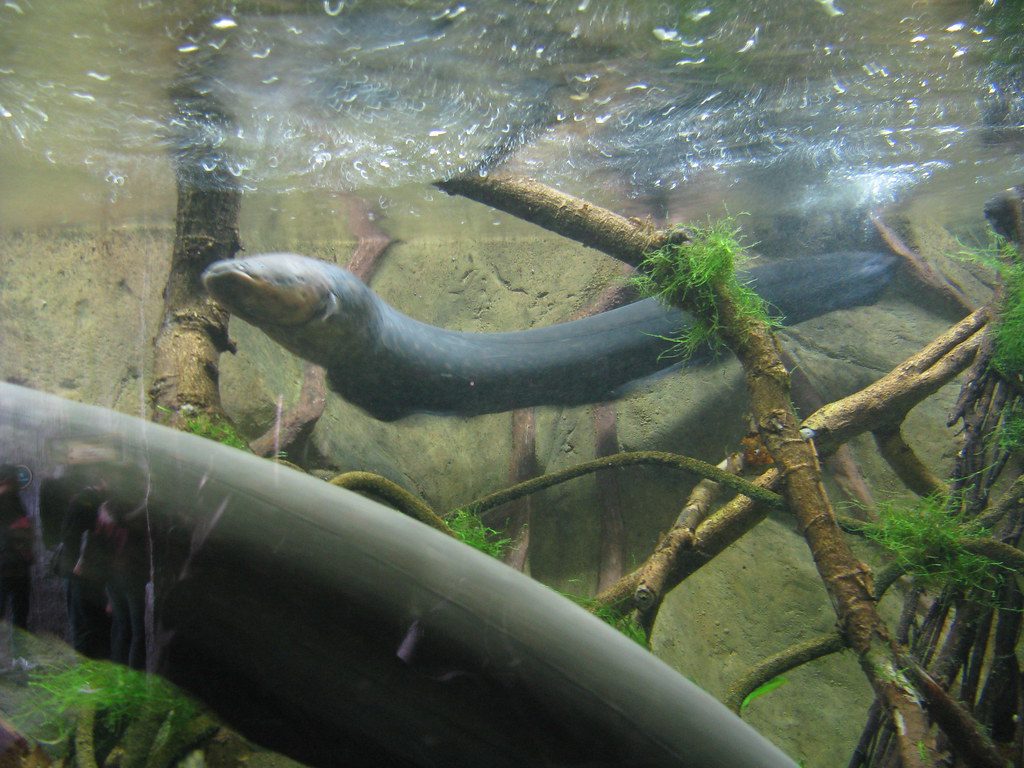
Most predators rely on speed, strength, or sharp teeth to catch their prey. The electric eel uses something entirely different. Hidden in the dark rivers of South America, this remarkable hunter can generate powerful electrical shocks that stun prey almost instantly. Instead of chasing its target through murky water, it uses electricity to locate, track, and disable animals before they have a chance to escape.
An electric eel attack can happen in a fraction of a second. What looks like an ordinary fish suddenly becomes a living weapon capable of delivering hundreds of volts through the water. Its unique hunting strategy has fascinated scientists for centuries and continues to reveal surprising new secrets about life beneath the surface.
A fish powered by electricity
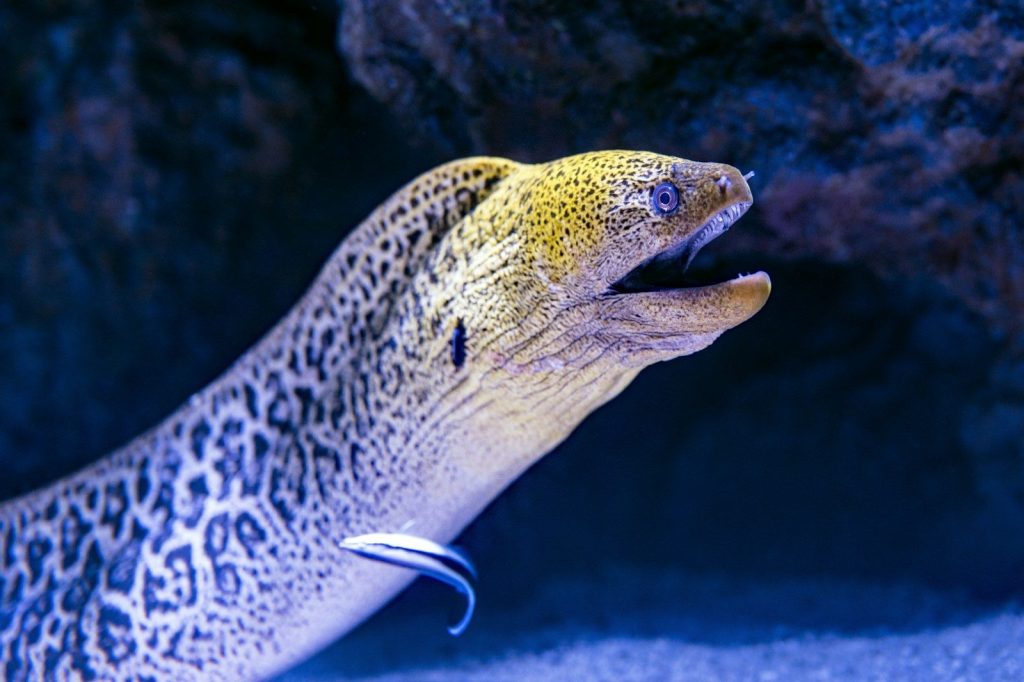
Despite its name, the electric eel is not a true eel. It belongs to a group of South American knifefish and has evolved specialized organs that allow it to generate electricity. These organs make up most of its body and are responsible for producing both weak and powerful electrical discharges.
The strongest species can generate electrical shocks reaching up to 860 volts. These powerful bursts are used for hunting and defense, making the electric eel one of the most unusual predators in the animal kingdom.
Hunting in dark and muddy rivers
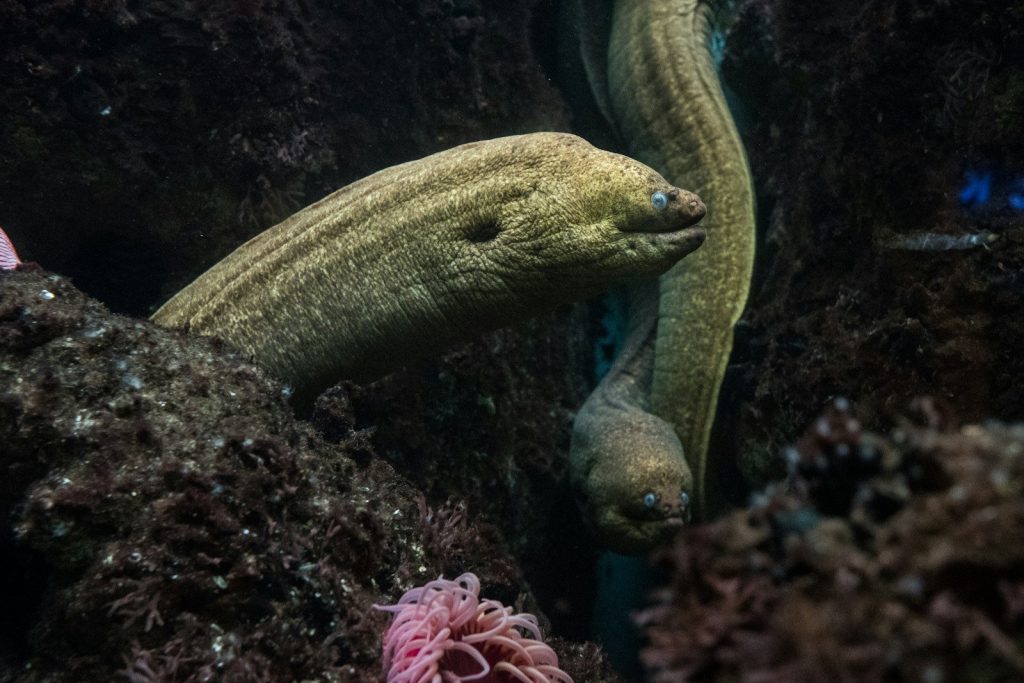
Electric eels live in waters where visibility is often poor. In these conditions, relying on eyesight alone would make hunting extremely difficult. Instead, they use weak electrical signals to sense their surroundings and detect nearby animals.
These electrical pulses act like a natural navigation system. By reading disturbances in the electric field around them, electric eels can locate prey even when the water is too dark or muddy to see clearly.
The moment the attack begins
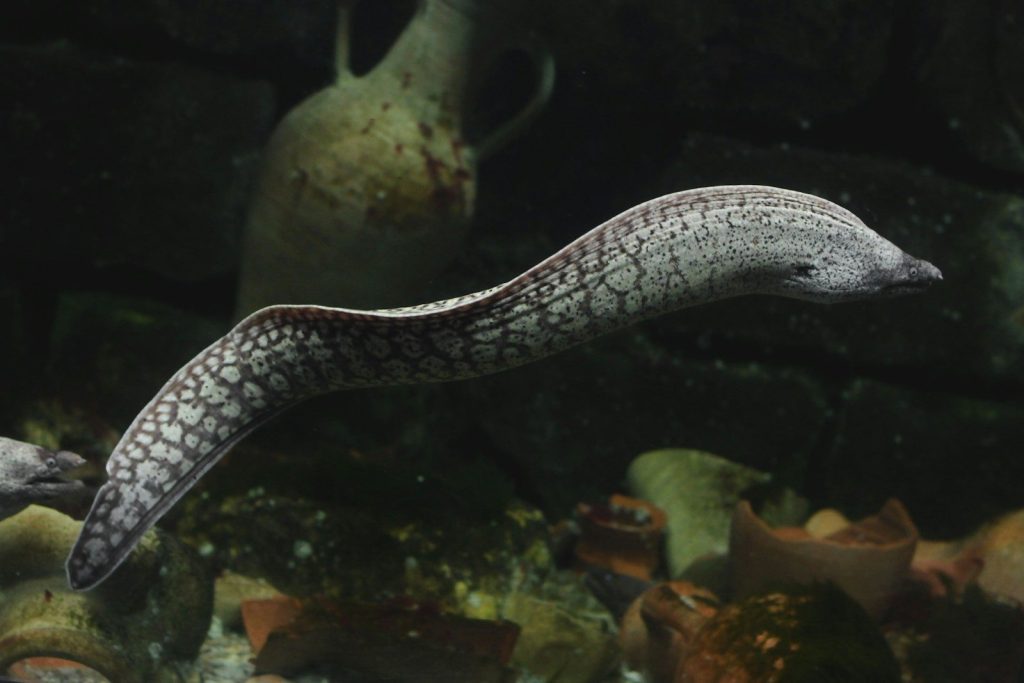
Once prey is detected, the eel switches from low-voltage sensing signals to powerful high-voltage discharges. The sudden electrical burst travels through the water and directly affects the prey’s nervous system.
Scientists have discovered that these shocks can trigger involuntary muscle contractions in prey animals. The result is immediate loss of control, making escape nearly impossible once the strike begins.
Electricity becomes a tracking system
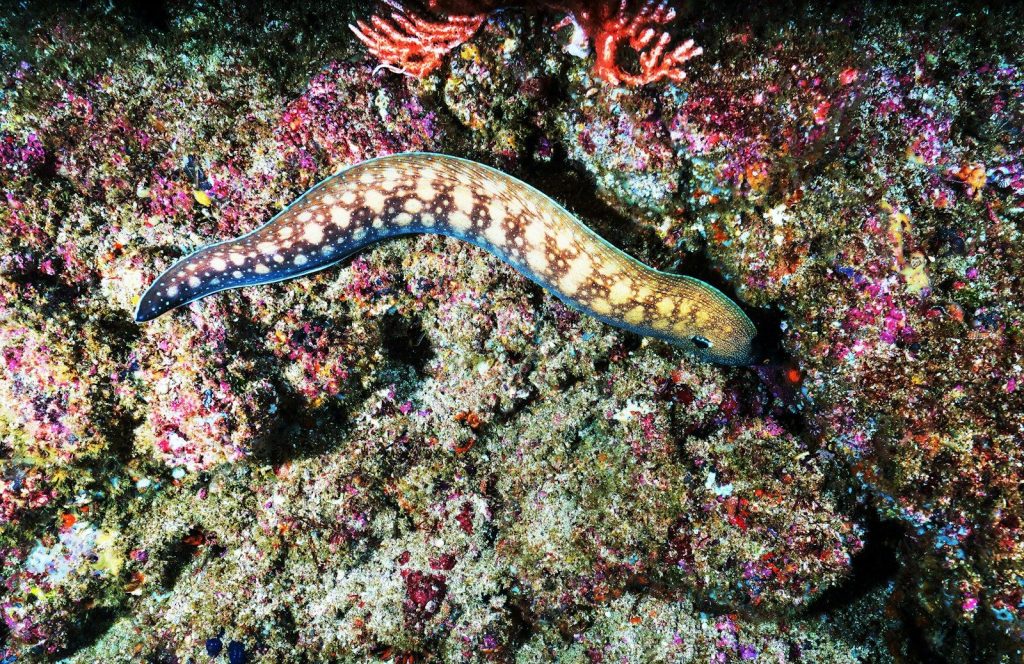
The electric eel’s attack is not just about stunning prey. Researchers found that the eel can use high-voltage pulses to track fast-moving targets while simultaneously disabling them.
This ability has been compared to a biological radar system. Even if prey attempts to flee after the first shock, the eel can continue tracking its movement through electrical signals and adjust its attack accordingly.
More than a defensive weapon
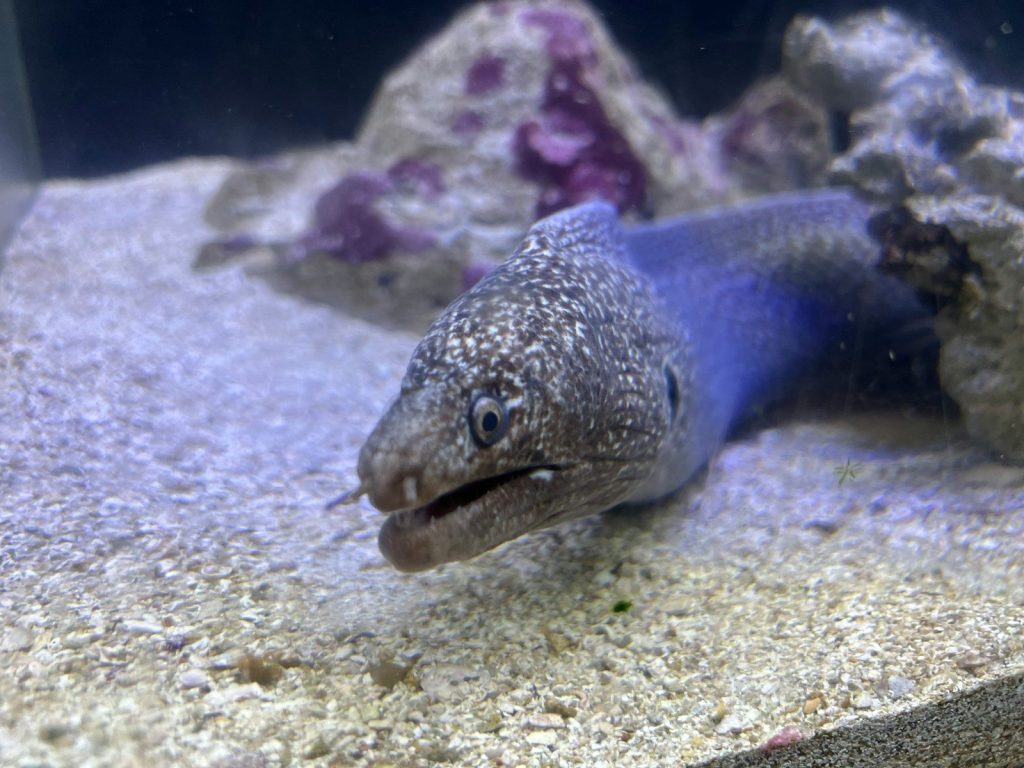
For many years, scientists believed the eel’s electricity served mainly as a weapon. Recent studies have shown that its electrical system is far more sophisticated than previously thought. The same system helps with communication, navigation, hunting, and defense.
This combination of functions makes the electric eel one of the most specialized fish on Earth. Few animals can use a single biological adaptation in so many different ways.
One of nature’s most remarkable predators
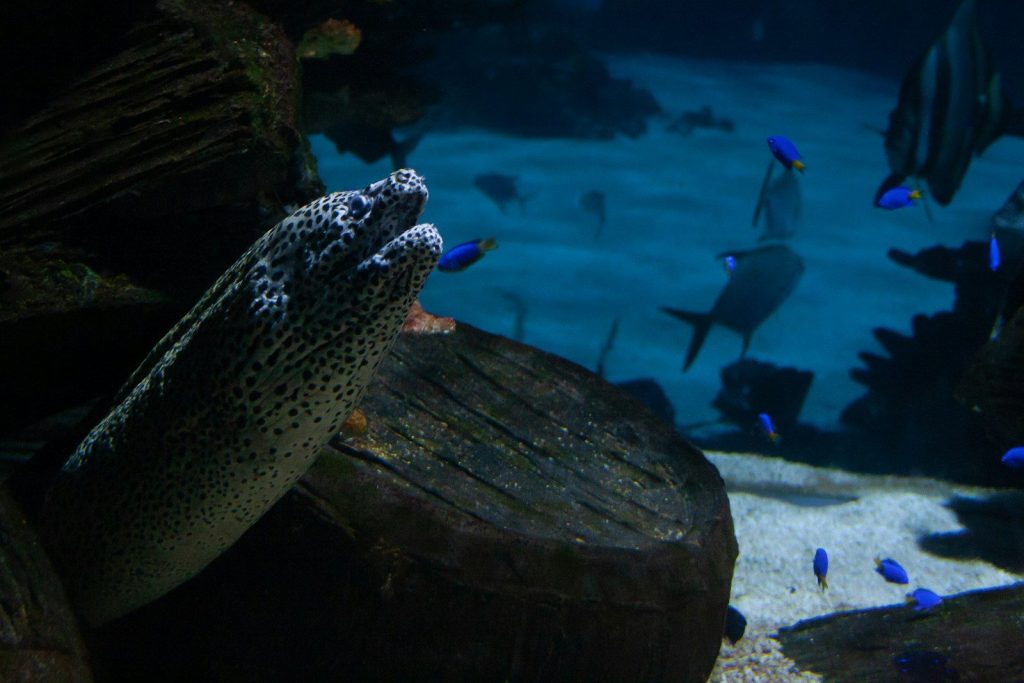
The electric eel demonstrates that successful predators do not always need claws, speed, or enormous size. By turning its own body into an electrical generator, it has developed a hunting strategy unlike almost anything else in nature.
Every strike highlights millions of years of evolution that transformed a fish into a living battery. In the dark rivers where it lives, electricity gives the eel an extraordinary advantage and makes it one of the most fascinating hunters in the aquatic world.
Leave a Reply