Have you ever wondered why orcas keep attacking giant sunfish even though these fish seem slow and harmless? Scientists have recently studied this unusual behavior after seeing orcas work together to strike giant sunfish in the Gulf of California. The scenes looked surprising, but researchers believe there are good reasons behind them.
This article explains why orcas target giant sunfish, how they hunt them, what scientists have learned from recent observations, and why some questions are still unanswered. By the end, you will better understand one of the ocean’s most unusual predator and prey relationships.
What are giant sunfish?

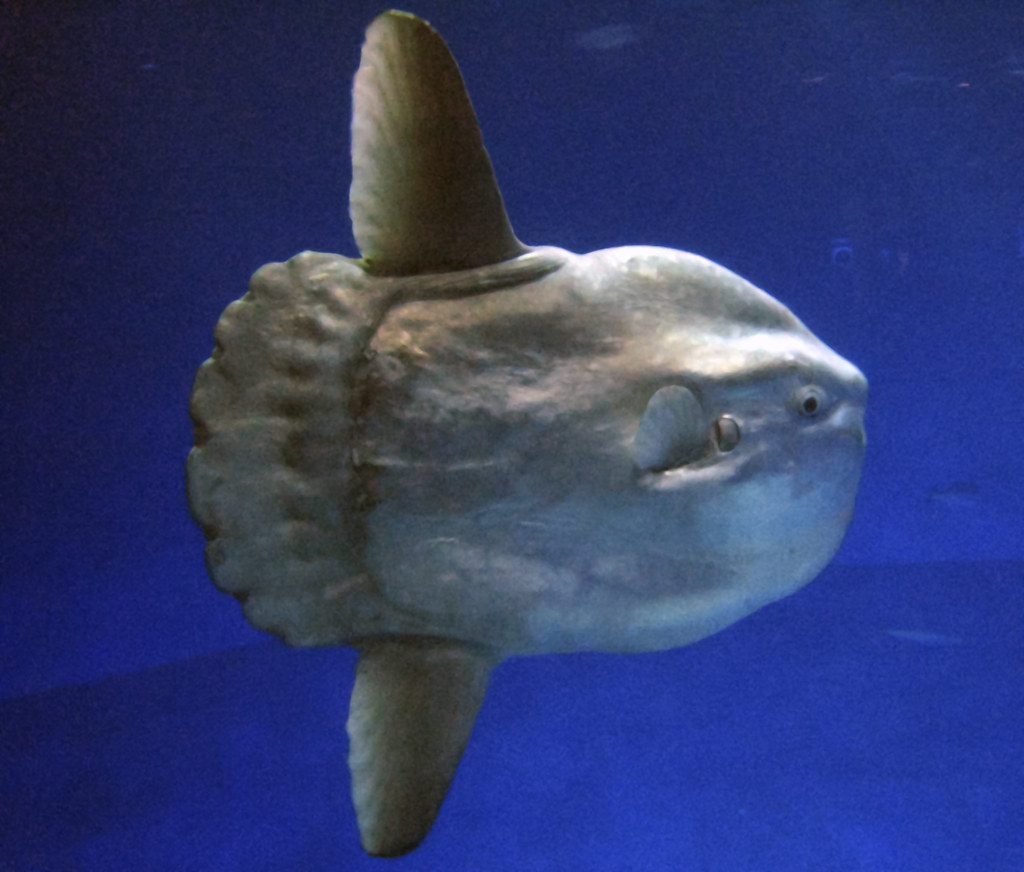
Giant sunfish are the heaviest bony fish in the world. Some species can grow over 10 feet long and weigh more than 4,000 pounds. Their flat, round bodies make them easy to recognize, and they spend much of their time in open ocean waters.
Despite their size, giant sunfish mainly eat jellyfish, small fish, and other soft-bodied sea animals. They are slow swimmers compared with fast predators like orcas, making them easier to catch than many other large fish.
Why do orcas target sunfish?

Orcas are highly intelligent hunters that eat many kinds of prey, depending on where they live. Scientists have documented orcas hunting several species of sunfish, including the sharptail sunfish and ocean sunfish. In many cases, they focus on the soft internal organs, which provide valuable nutrients and water.
Researchers also found that some orca groups may treat sunfish as an important local food source. However, this behavior is not seen everywhere because different orca populations have different diets and hunting traditions.
How do orcas attack giant sunfish?
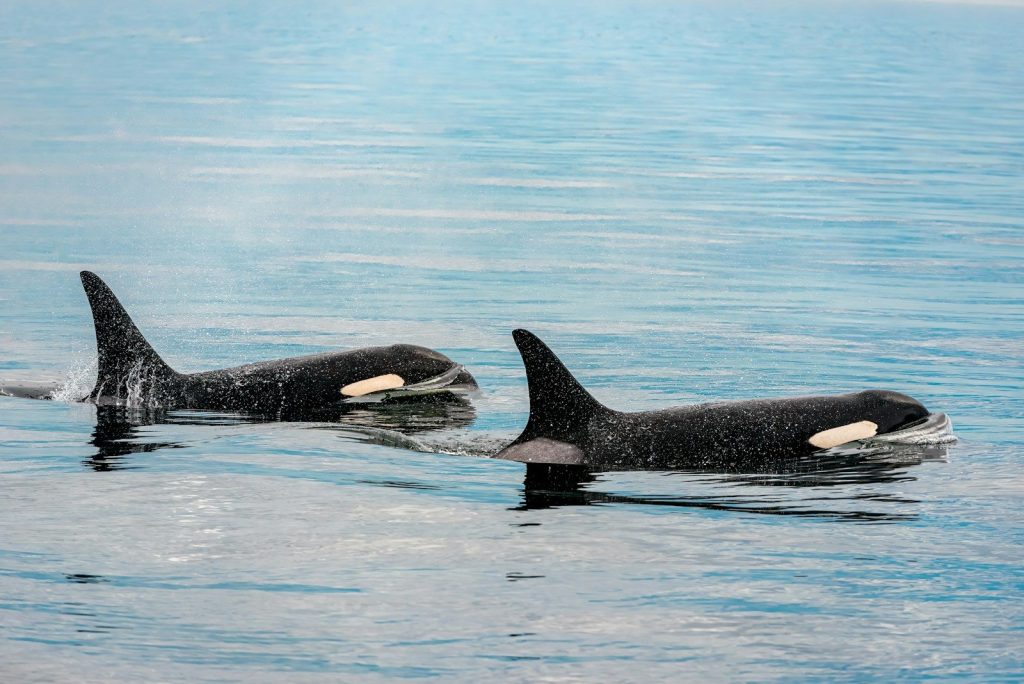
Orcas often hunt together using teamwork. They may grab a sunfish, bite around its fins, or flip it to gain better control. Working as a group allows them to overpower prey much larger than a single whale could handle alone.
Scientists recently recorded a new behavior called “ram to fragment.” In these cases, one orca held the dead sunfish steady while another rammed it at high speed, breaking the body into smaller pieces. Researchers believe this helped make the carcass easier for younger orcas to eat.
Are the attacks always about food?
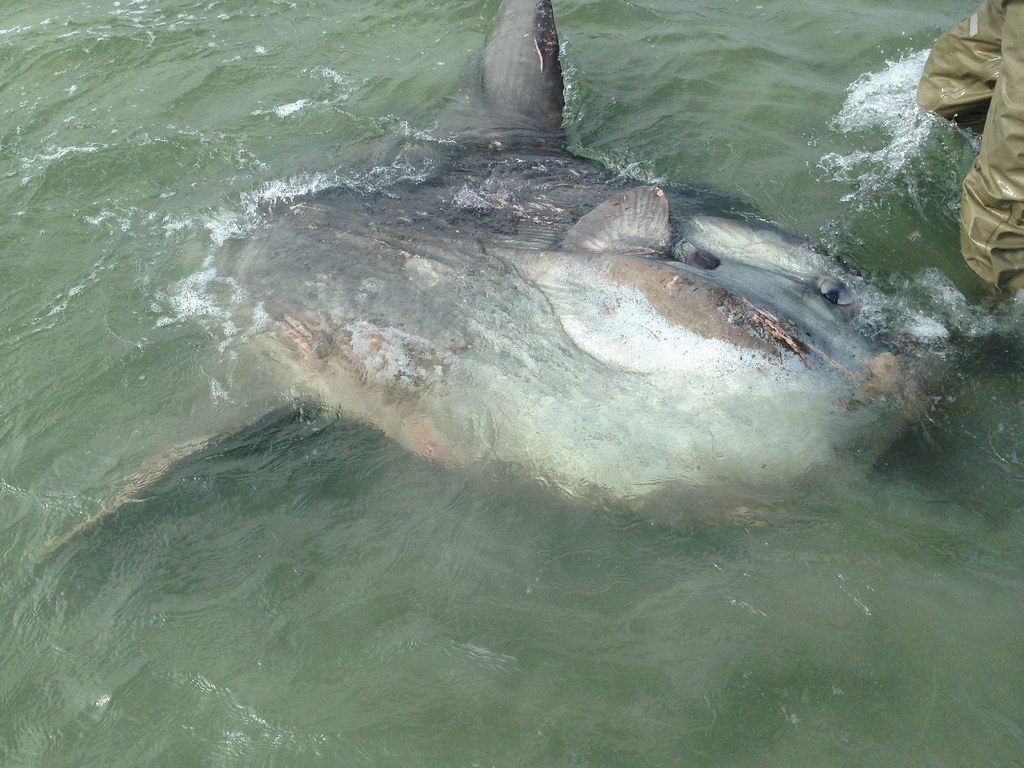
Scientists think feeding is the main reason for these attacks, especially because young orcas were seen eating pieces of the broken sunfish. Breaking the carcass into smaller parts may help calves and younger whales reach food that would otherwise be difficult to eat.
Even so, researchers cannot rule out play as part of the behavior. Orcas are known for playful actions, and they sometimes interact with objects or prey in ways that are not fully understood. More research is needed before scientists can say exactly why every attack happens.
What makes orcas such skilled hunters?

Orcas are among the smartest marine mammals. They live in family groups and learn hunting skills from older members. These techniques can be passed from one generation to the next, creating unique traditions within different orca populations.
Their teamwork, communication, and ability to solve problems help them hunt many types of prey. They can change their hunting methods depending on the animal they are chasing, showing remarkable flexibility.
What scientists hope to learn next
Researchers want to know how common the “ram to fragment” behavior is and whether it is limited to a few orca families or shared by larger populations. More observations will help answer these questions.
Scientists also hope to learn why this behavior has only recently been documented. Better underwater cameras and more time spent observing wild orcas are giving researchers new insights into these remarkable animals and their hunting strategies.
Featured Image: “Sunfish” by JoshBerglund19 is licensed under CC BY 2.0
Leave a Reply