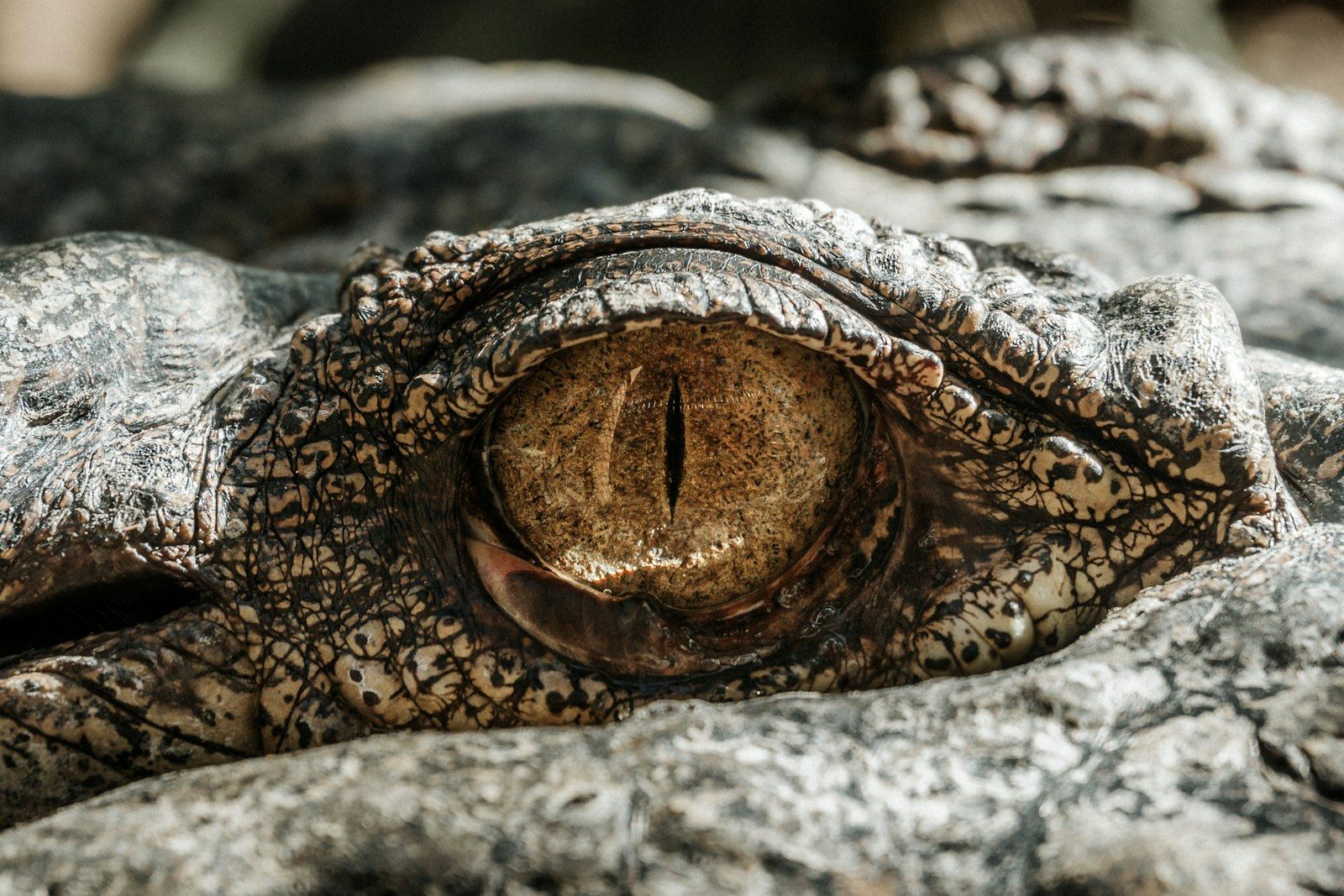
The death of an 8.5-foot alligator known as Allie has divided a Florida community and raised questions about wildlife laws and animal welfare. For years, neighbors had watched the alligator living in a fenced retention pond without incident.
After the reptile was removed and killed, state wildlife officials filed conservation charges against three men, while many residents argued the animal had never posed a danger to people. The case has since become the focus of an ongoing legal dispute.
A neighborhood fixture

Residents say Allie had lived in the retention pond for years and was often seen basking along the shoreline. Because the pond was located behind a locked gate and fenced area, many neighbors believed the alligator rarely interacted with the public.
Several local residents described the reptile as an important part of the neighborhood’s natural environment.
Why were charges filed

According to the Florida Fish and Wildlife Conservation Commission (FWC), the three men accused in the case did not possess valid nuisance alligator permits at the time of the removal. Officials say only authorized nuisance alligator trappers may determine whether an alligator qualifies for legal removal.
All three defendants have pleaded not guilty, and the legal proceedings are continuing.
How Florida handles nuisance alligators
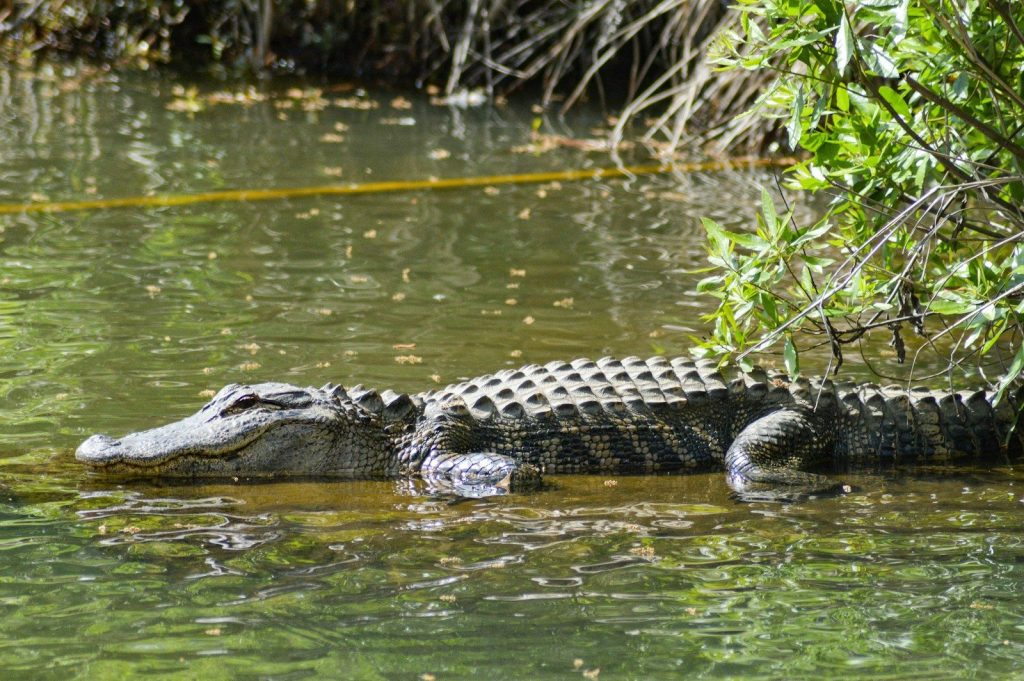
Florida’s Statewide Nuisance Alligator Program responds to reports of alligators believed to threaten people, pets, or property. If an alligator meets the program’s criteria, the FWC issues a permit to a contracted nuisance trapper to remove the animal.
Residents are encouraged to report concerning alligators through the state’s official hotline rather than attempting to capture or kill them themselves.
Why the case has sparked debate
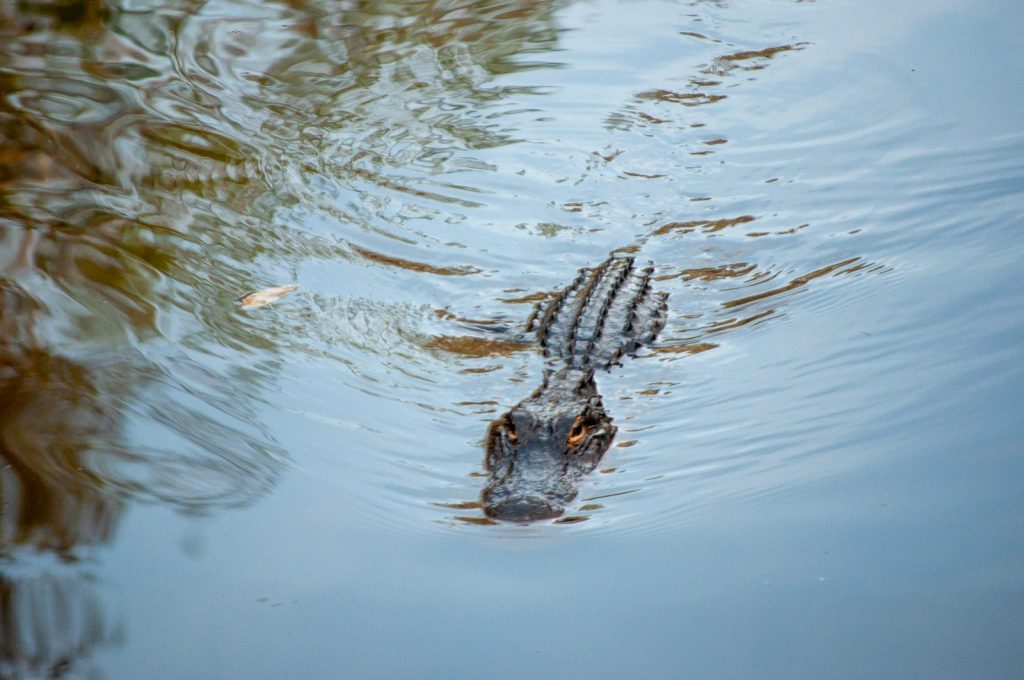
Some neighbors believe Allie did not meet the legal definition of a nuisance alligator because the animal remained inside a fenced retention pond and had not displayed aggressive behavior toward people.
Others argue that the case highlights the importance of following wildlife regulations consistently, regardless of who is involved. The courts will ultimately determine whether any laws were violated.
Alligators and Florida’s ecosystems
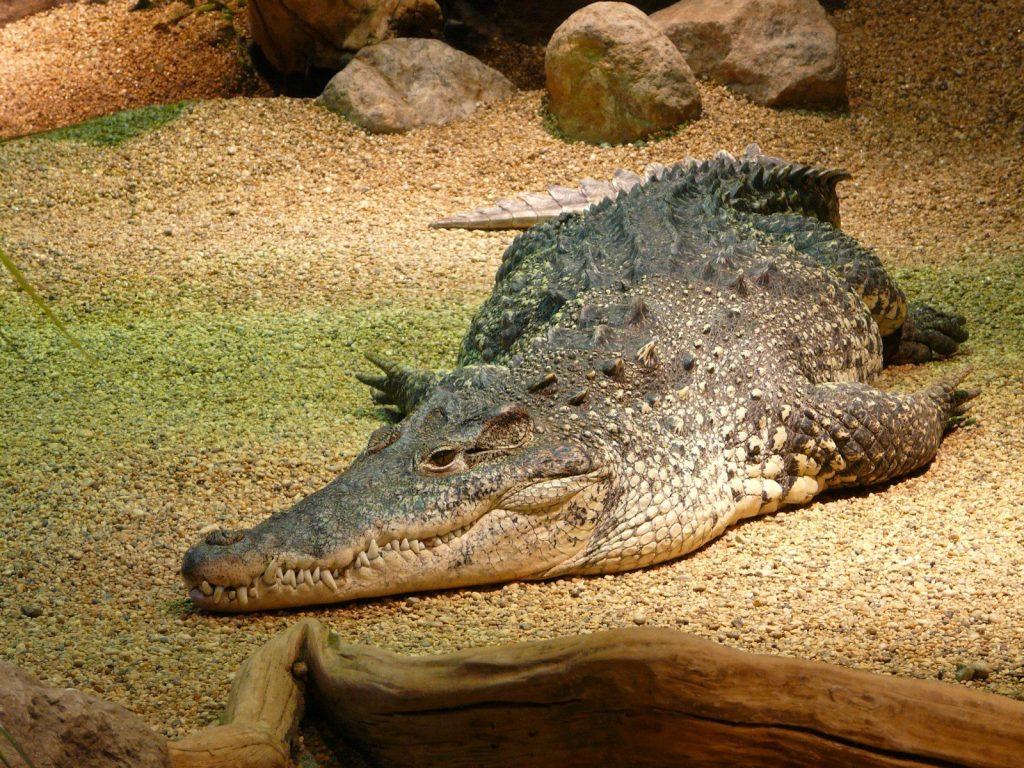
American alligators are considered a keystone species because they help maintain healthy wetland ecosystems. Their nesting and digging activities create habitat used by fish, birds, turtles, and many other species, particularly during dry periods.
Although common throughout Florida, alligators remain protected under state law and can only be removed under specific legal circumstances.
Living safely with alligators
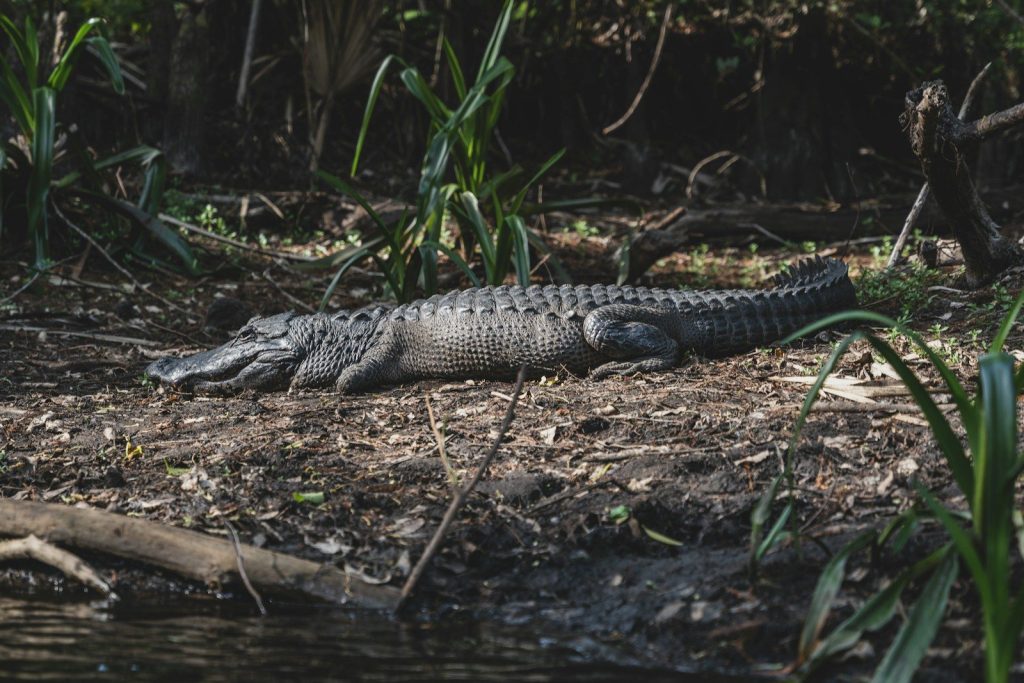
Wildlife experts recommend keeping a safe distance from alligators, supervising children and pets near water, and never feeding wild alligators. Feeding can cause them to lose their natural fear of humans and increase the likelihood of dangerous encounters.
When an alligator appears to pose a risk, the safest response is to contact the FWC so trained personnel can assess the situation.
Featured Image: Photo by Samuel Scrimshaw on Unsplash
Leave a Reply