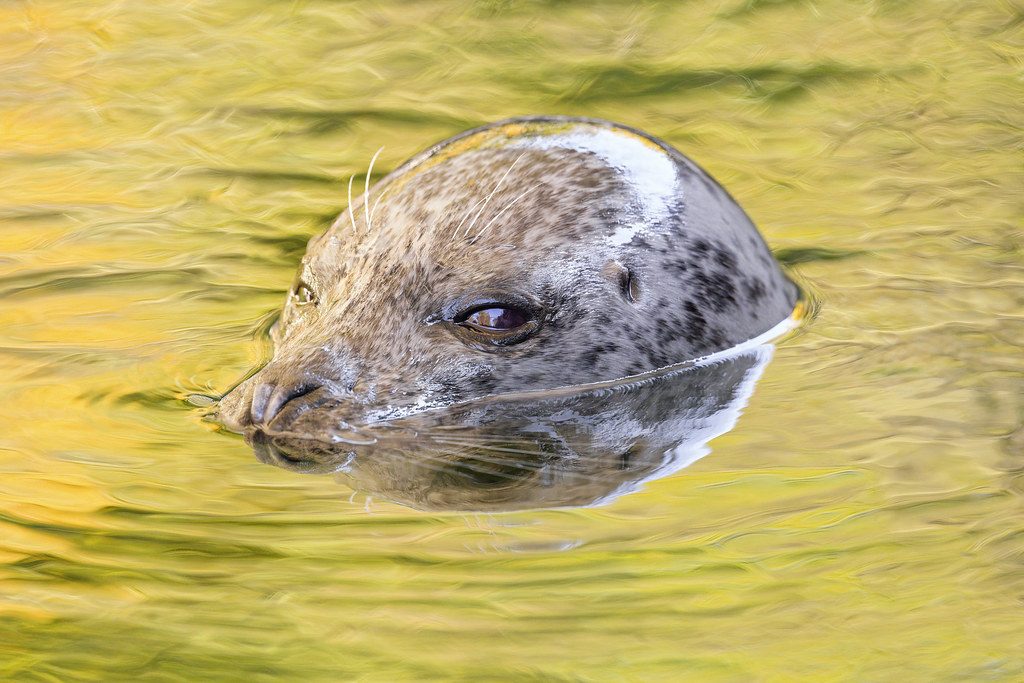
Leopard seals are among Antarctica’s most powerful predators. Equipped with strong jaws, sharp teeth, and remarkable speed in the water, they are capable of hunting penguins, fish, squid, and even other seals. Yet despite their impressive hunting abilities, attacks on humans are extraordinarily rare.
One tragic incident in 2003 changed how scientists approached underwater research in Antarctica and remains the only confirmed fatal leopard seal attack on a person.
A tragedy in Antarctica
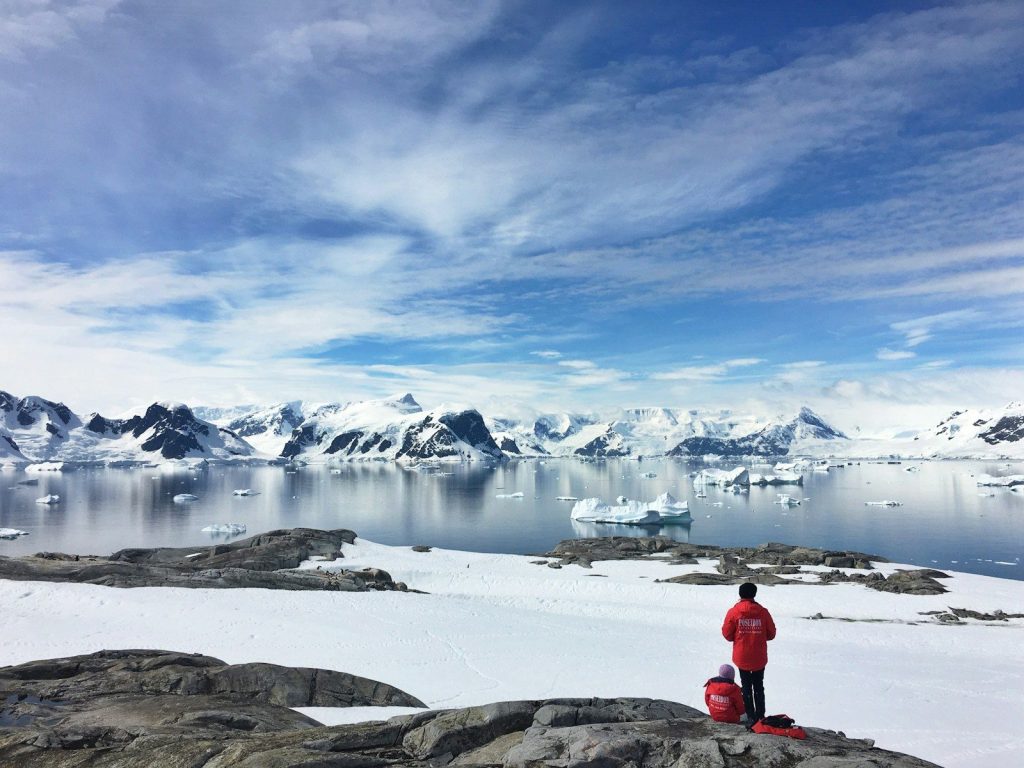
On 22 July 2003, British marine biologist Kirsty Brown was conducting routine snorkeling research near Rothera Research Station on the Antarctic Peninsula. Without warning, a leopard seal attacked and pulled her underwater.
Colleagues immediately launched a rescue boat and recovered her from the water, but despite prolonged resuscitation efforts, she could not be revived. An inquest later ruled her death accidental and attributed it to drowning following the leopard seal attack.
Why the attack shocked scientists
Before Brown’s death, leopard seals were already known to be powerful predators, but no confirmed human fatality had ever been recorded. The incident surprised Antarctic researchers because thousands of scientific dives had taken place over many years with very few serious encounters.
The attack prompted the British Antarctic Survey to review safety procedures for people working in waters inhabited by leopard seals.
Why leopard seals rarely attack people
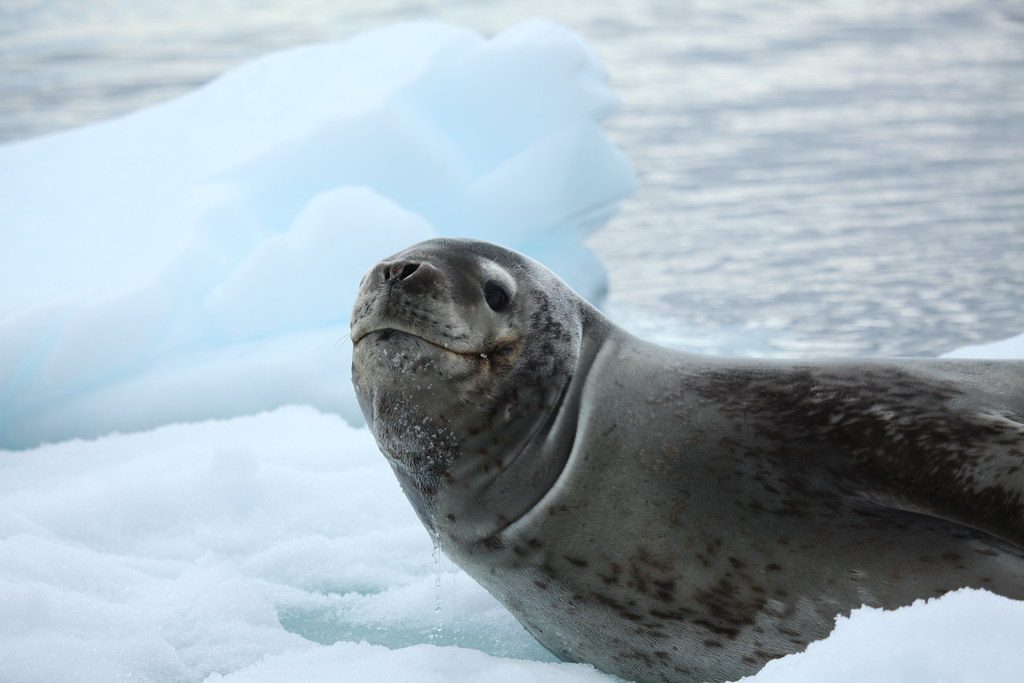
Although leopard seals are capable of overpowering humans, people are not part of their normal diet. Research examining decades of encounters found that most interactions involved curiosity rather than predatory behavior.
Scientists believe attacks remain extremely uncommon because humans are not recognized as typical prey under normal circumstances.
Antarctica’s top marine predator
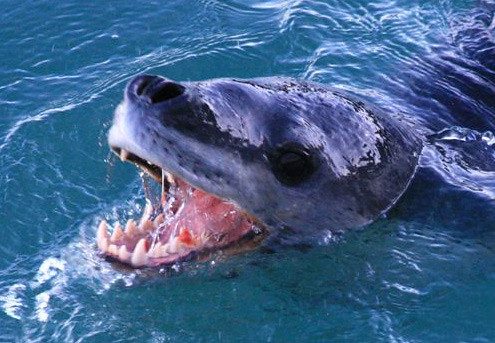
Leopard seals sit near the top of Antarctica’s marine food web. They hunt penguins, fish, squid, and young seals using powerful jaws and exceptional underwater agility.
Unlike many other seal species, they usually hunt alone and rely on stealth before launching rapid attacks beneath the surface.
How safety procedures changed
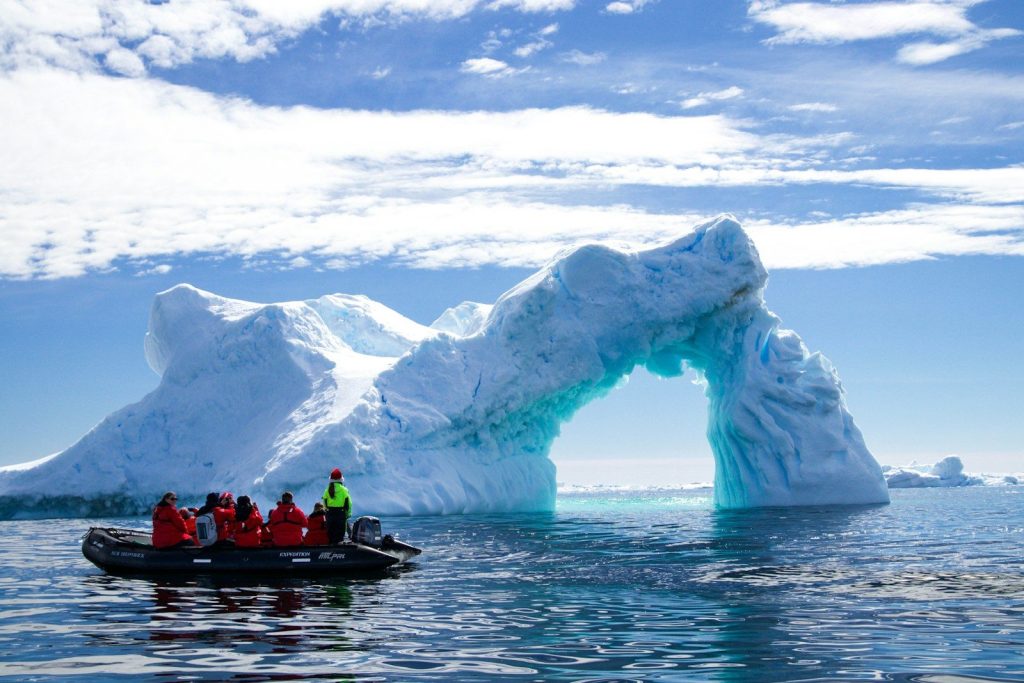
Following the 2003 incident, Antarctic research programs strengthened procedures for diving and snorkeling operations. Predator watches, improved risk assessments, and updated operating guidelines were introduced to reduce the chances of similar encounters.
These measures continue to guide scientific work in Antarctic waters today.
Why the story still matters
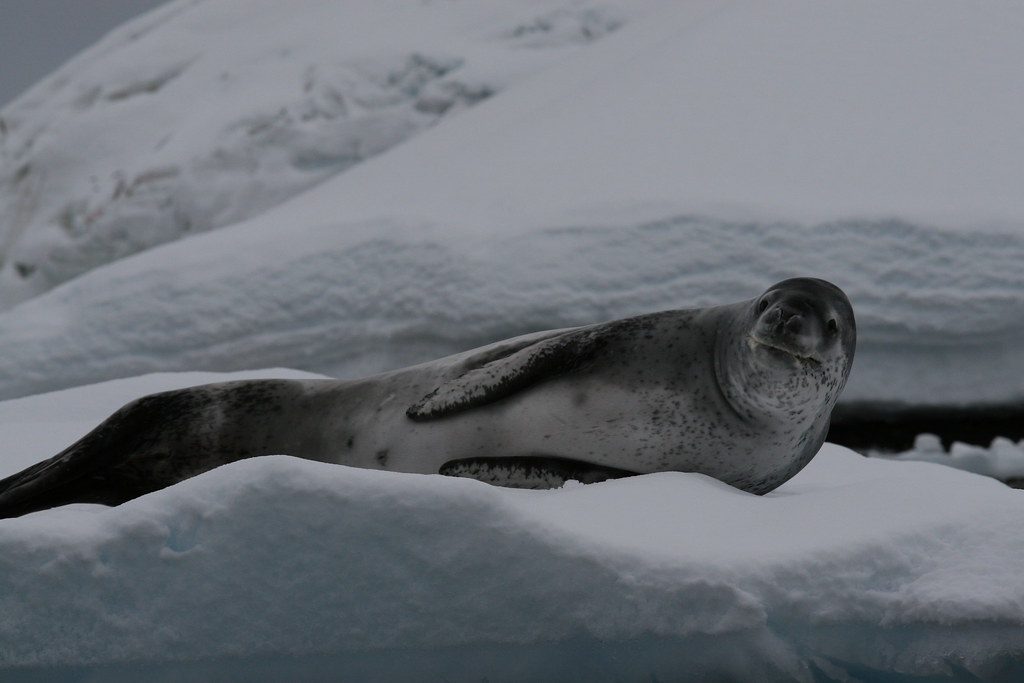
The tragedy serves as a reminder that even rare wildlife encounters deserve respect and careful preparation. At the same time, it does not change the broader understanding of leopard seals, which remain elusive animals that generally avoid attacking humans.
Scientists continue to study these remarkable predators while balancing research with appropriate safety precautions.
Featured Image: “Leopard seal looking a bit mischievous” by Tambako the Jaguar is licensed under CC BY-ND 2.0
Leave a Reply