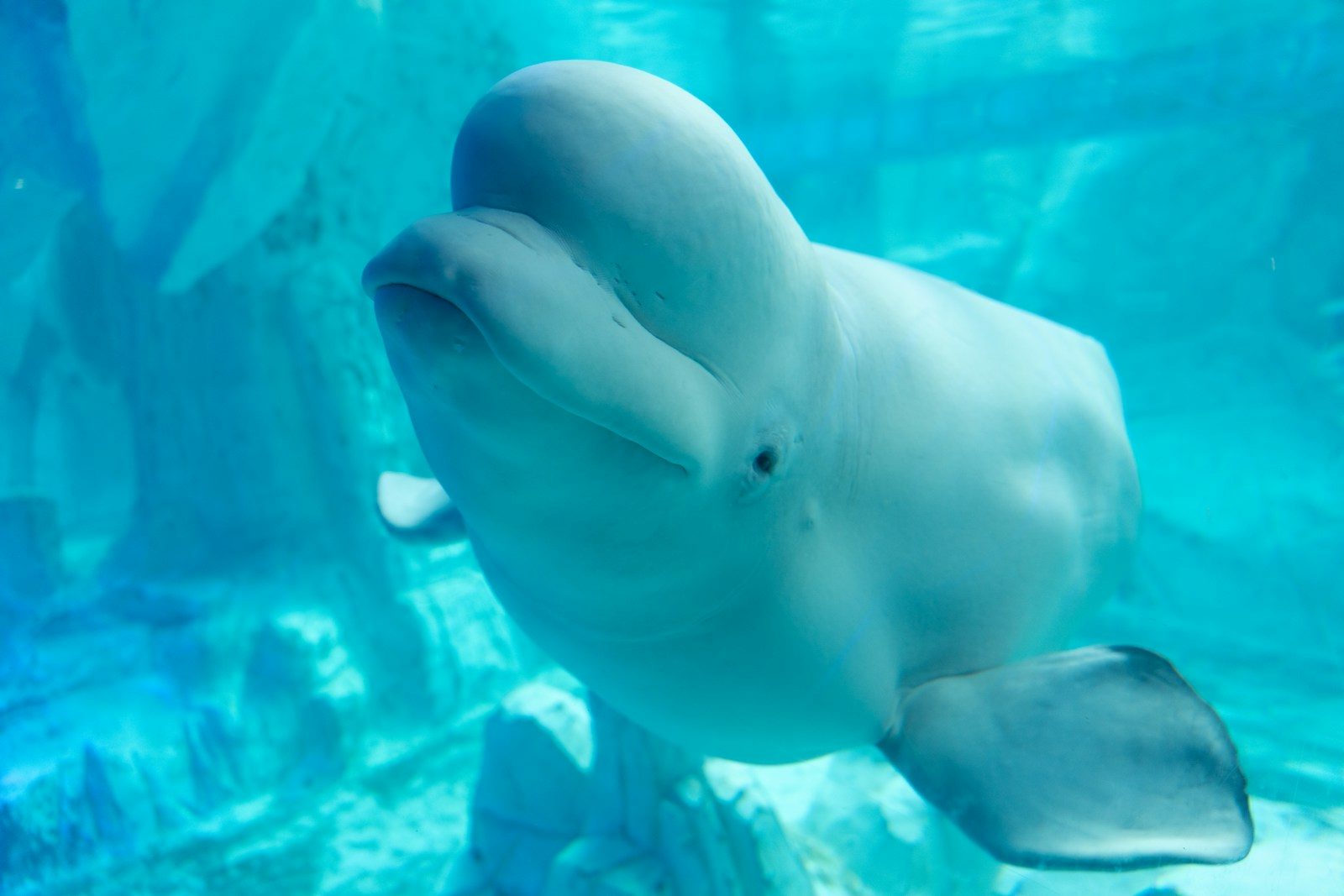
Beluga whales are beginning one of the largest marine mammal relocation efforts ever attempted. After the closure of Marineland in Ontario, Canada, dozens of belugas were left without a long-term future. Now, an international team of veterinarians, marine mammal experts, and accredited aquariums is carefully transferring the whales to new homes across the United States and Spain.
The operation has taken years of planning and represents a major effort to protect the animals’ welfare while ensuring each whale can safely complete the journey.
Why the whales needed new homes
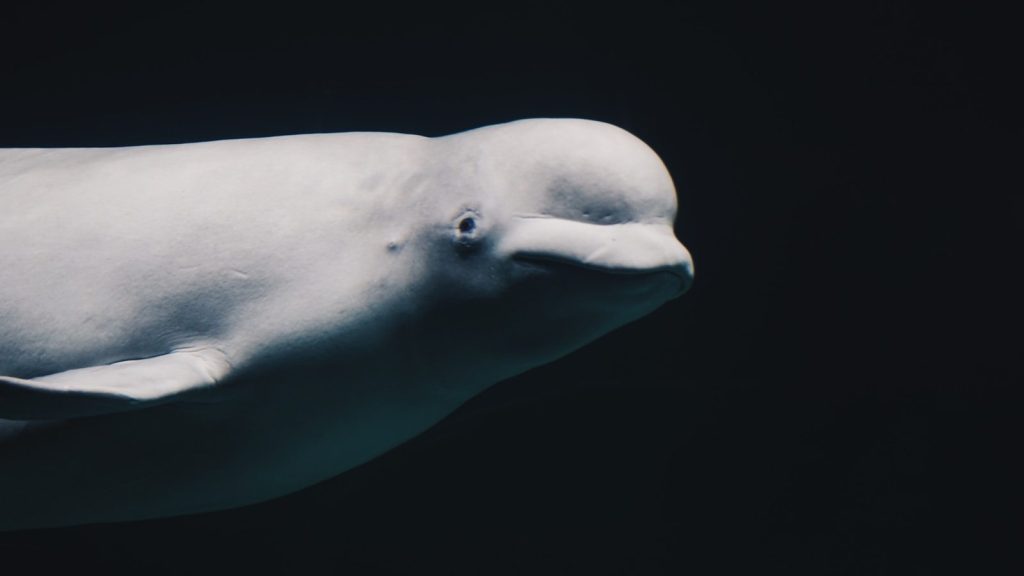
Marineland closed to visitors in 2024 but continued caring for its remaining marine animals. The facility housed one of the world’s largest captive populations of beluga whales, and maintaining their care became increasingly difficult after the park shut down. Canadian officials eventually approved a relocation plan after earlier proposals to send the whales elsewhere were rejected.
The current plan will relocate 30 beluga whales to accredited institutions that specialize in marine mammal care. The receiving facilities include Shedd Aquarium in Chicago, SeaWorld San Antonio, SeaWorld San Diego, Georgia Aquarium, and Oceanogràfic València in Spain. Each institution has extensive veterinary teams and habitats designed specifically for beluga whales.
Preparing each whale for the journey
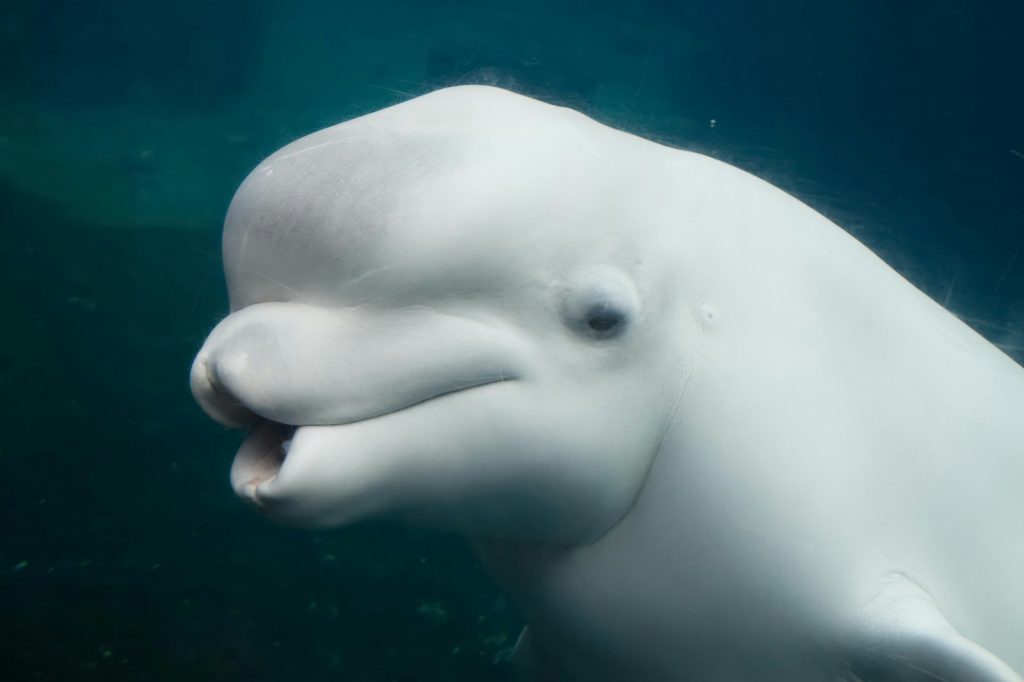
Moving a beluga whale is a complex process that begins long before transport day. Every whale receives a full veterinary examination to ensure it is healthy enough to travel. Specialists also monitor body condition, hydration, and stress levels before approving each individual for relocation.
Once cleared, the whales are gently lifted using specially designed slings that fully support their bodies. They are placed into padded transport containers that keep their skin moist while allowing veterinarians to monitor breathing and overall health throughout the trip. The goal is to minimize stress during every stage of the relocation.
A carefully coordinated international operation
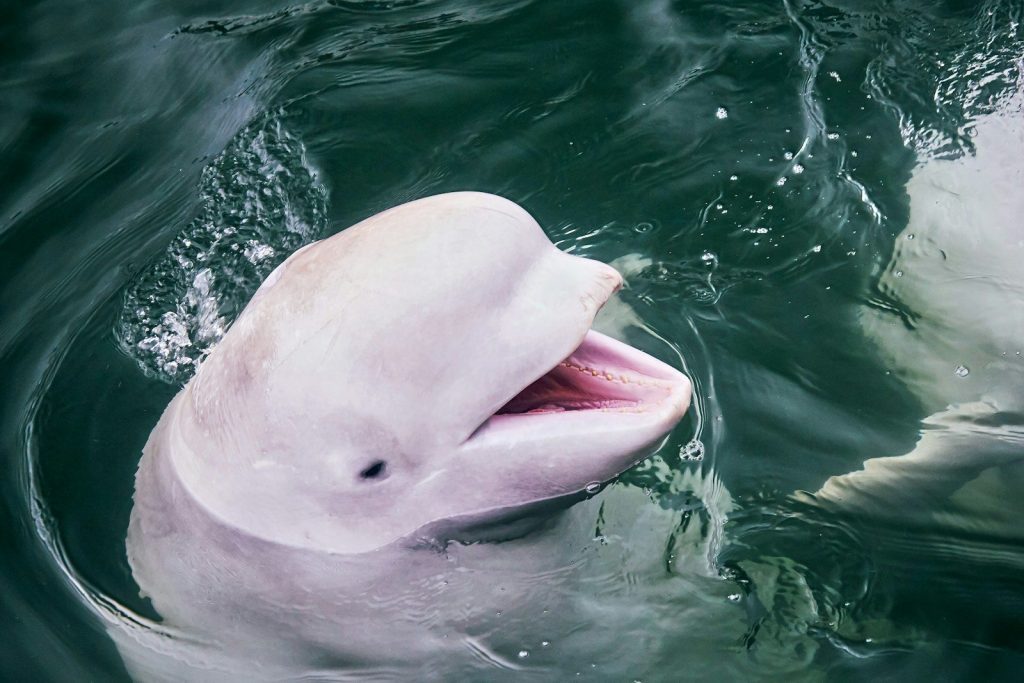
The transfer involves dozens of experts working together across multiple countries. Veterinarians, marine mammal trainers, transport specialists, pilots, truck drivers, and government agencies all coordinate the timing of each move. Every step must meet strict animal welfare standards before a whale is allowed to travel.
Some whales travel by truck before boarding specially equipped aircraft for longer distances. Others continue by road after landing. Throughout the journey, caregivers remain beside the animals to monitor their condition and respond immediately if any problems arise.
The first whales have already arrived
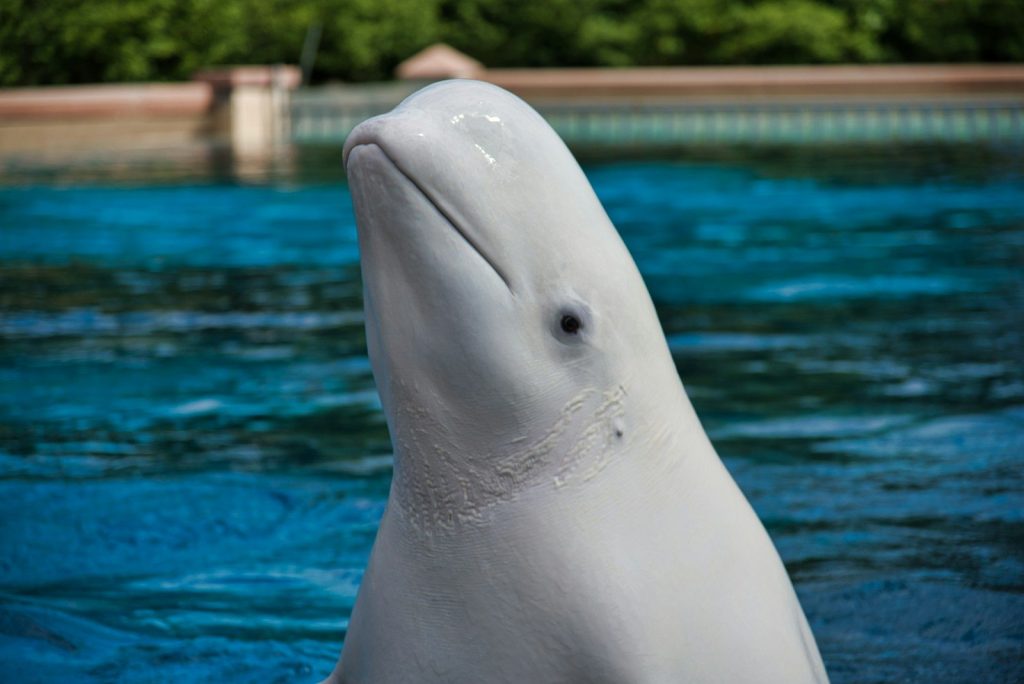
The relocation officially began in July 2026, when the first six beluga whales successfully left Marineland. Four females were transported to Shedd Aquarium in Chicago, while two males continued to SeaWorld San Antonio. Both facilities confirmed the whales arrived safely and immediately entered quarantine and veterinary observation.
The remaining whales will be transferred over several weeks as individual health checks are completed. Experts say moving the whales in stages reduces risks and allows each receiving facility to focus on helping its new arrivals adjust to their surroundings.
Life after the move
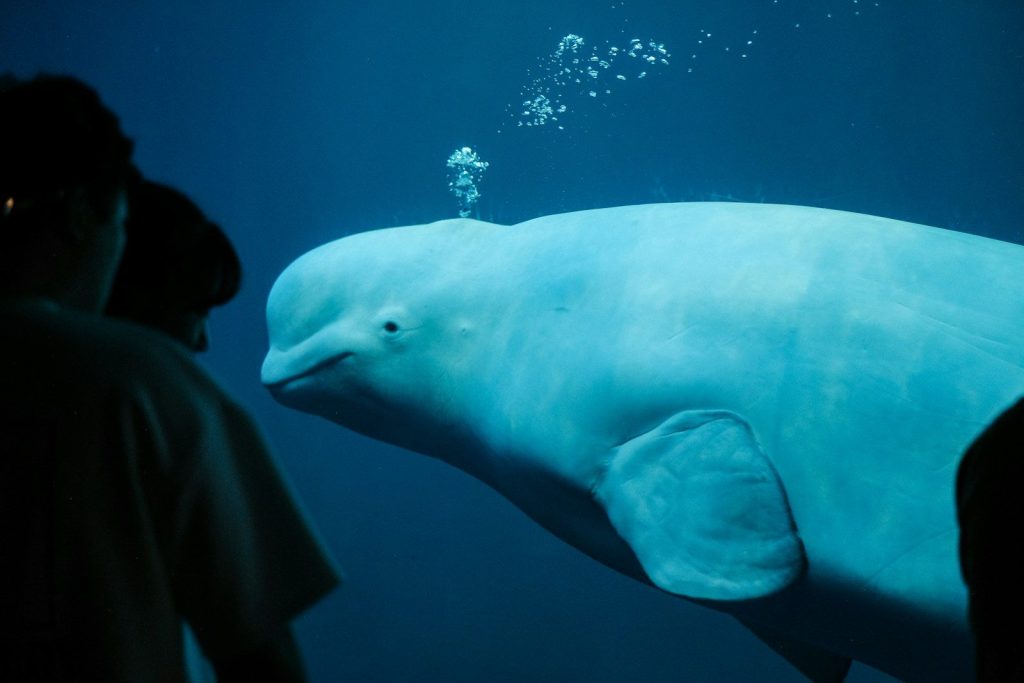
Beluga whales can live for decades, making long-term planning essential. Their new homes provide large habitats, specialized veterinary care, nutrition programs, enrichment activities, and social opportunities with other belugas whenever appropriate. Teams will continue monitoring each whale’s health and behavior as they settle into their new environments.
Animal welfare organizations have described the relocation as the best available solution under difficult circumstances. While opinions about keeping whales in captivity continue to differ, many experts agree that safely transferring the belugas to accredited facilities offers them a far more secure future than remaining at a closed park with uncertain resources.
Why this rescue is historically significant
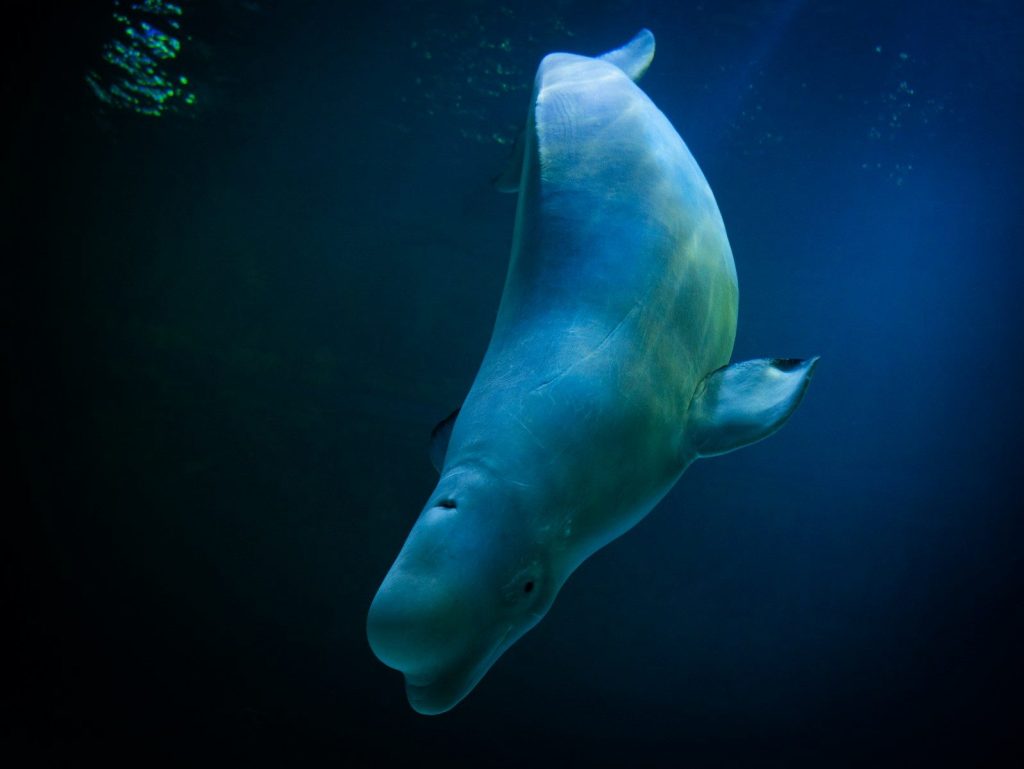
Marine mammal relocations of this scale are extremely uncommon because of the size, intelligence, and specialized needs of beluga whales. Successfully moving 30 animals requires years of preparation, international cooperation, and advanced veterinary expertise. Conservation groups say the project demonstrates what can be achieved when governments, scientists, and accredited aquariums work together toward a common goal.
The operation also highlights the challenges of caring for long-lived marine mammals after major facilities close. As the remaining whales continue their journey, researchers and veterinarians hope the historic relocation will provide each animal with stable long-term care while offering valuable lessons for future wildlife rescue efforts around the world.
Featured Image: Photo by Raphael Nicolas on Unsplash
Leave a Reply