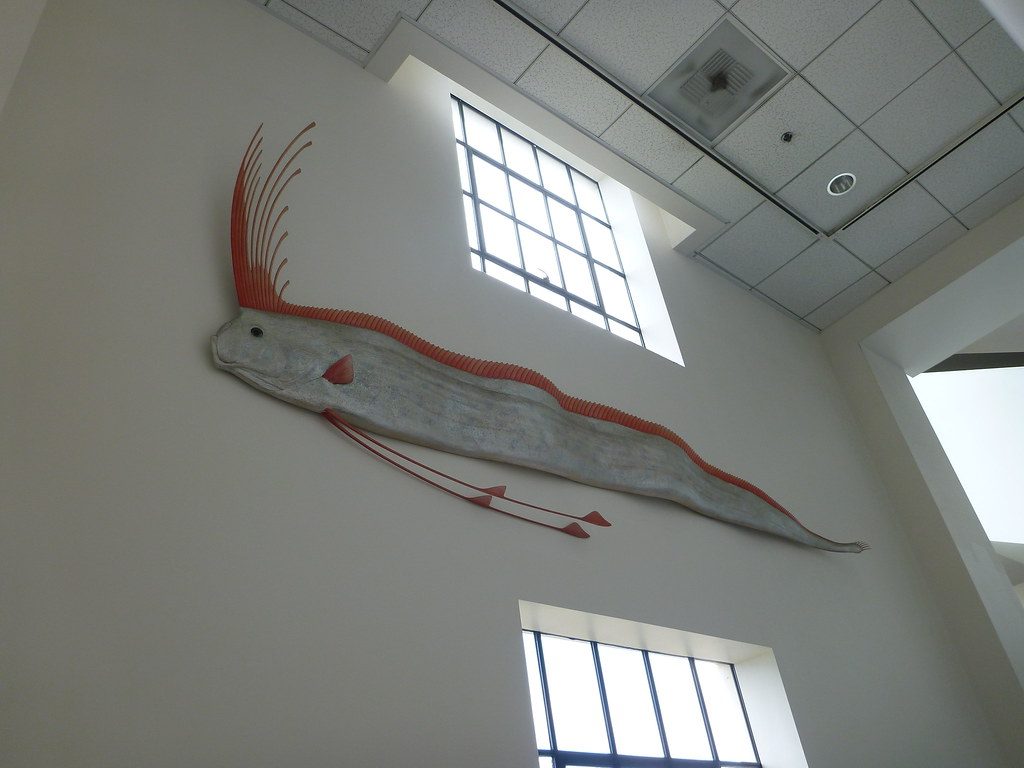
Few sea creatures inspire as much mystery as the oarfish. With its long, ribbon-like body and shimmering silver scales, this deep-sea giant has fueled stories of sea serpents and disaster warnings for centuries. In Japanese folklore, the oarfish is known as the “Messenger from the Sea God’s Palace” and is said to appear before earthquakes or tsunamis.
While these legends remain popular today, modern science paints a very different picture. Researchers believe the fish’s rare appearances near the surface are more likely linked to illness, injury, or changing ocean conditions than to natural disasters.
The world’s longest bony fish
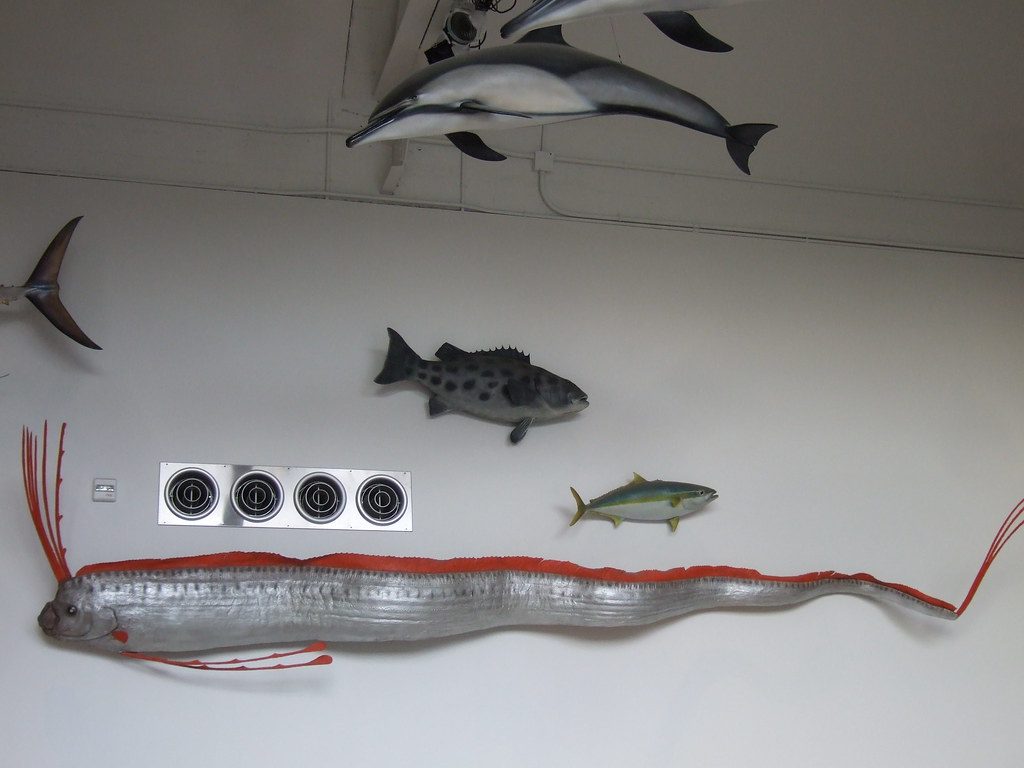
The giant oarfish (Regalecus glesne) is the longest known living bony fish on Earth. Although most individuals are much shorter, verified specimens have reached around 8 meters (26 feet), while unconfirmed reports suggest some may exceed 11 meters (36 feet). Its long, flattened body and bright red dorsal fin have likely inspired many historical tales of sea monsters.
Oarfish spend nearly their entire lives in the deep ocean, usually hundreds to thousands of meters below the surface. Because they inhabit the mesopelagic zone, scientists rarely observe them alive, making every documented sighting an important opportunity to learn more about this elusive species.
Why do oarfish suddenly appear?
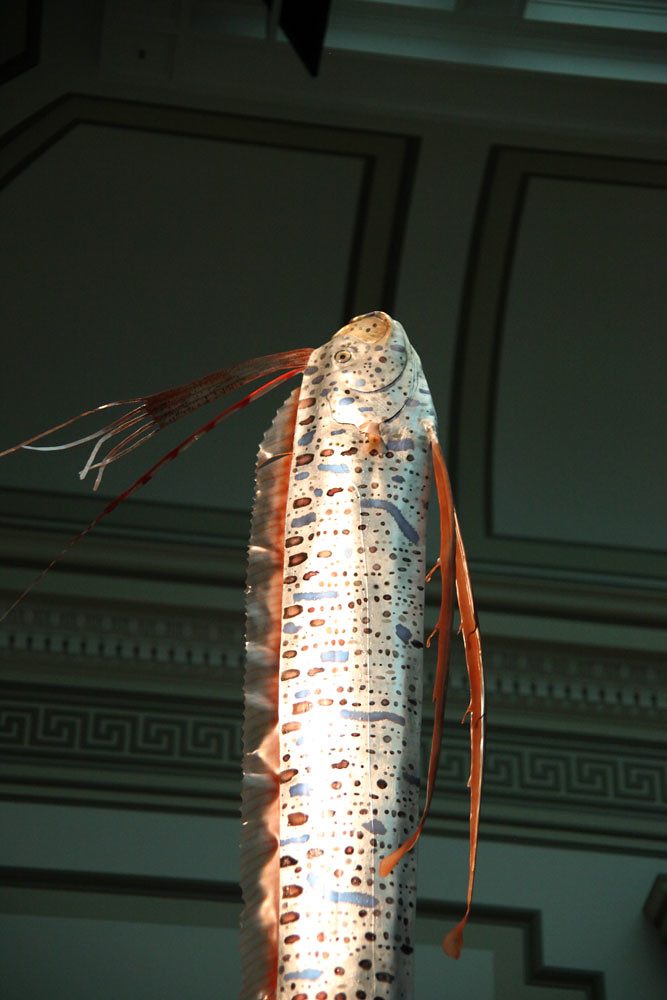
Most oarfish that reach beaches are sick, injured, dying, or already dead. Marine biologists believe strong currents, storms, changing water temperatures, parasites, or natural illness can force these deep-sea fish toward the surface.
Climate patterns such as El Niño and La Niña may also influence where deep-water species appear by altering ocean temperatures and currents. Scientists say these environmental changes provide a far more likely explanation than supernatural causes.
The earthquake legend

For centuries, Japanese folklore has claimed that oarfish rise from the deep before major earthquakes and tsunamis. The belief became especially well known after several oarfish were reportedly found before Japan’s devastating 2011 earthquake.
However, scientific studies have found no reliable evidence supporting this connection. A statistical analysis of hundreds of oarfish sightings and earthquakes found virtually no meaningful relationship between the two events, concluding that the legend is an example of an illusory correlation rather than a proven warning system.
What scientists are learning
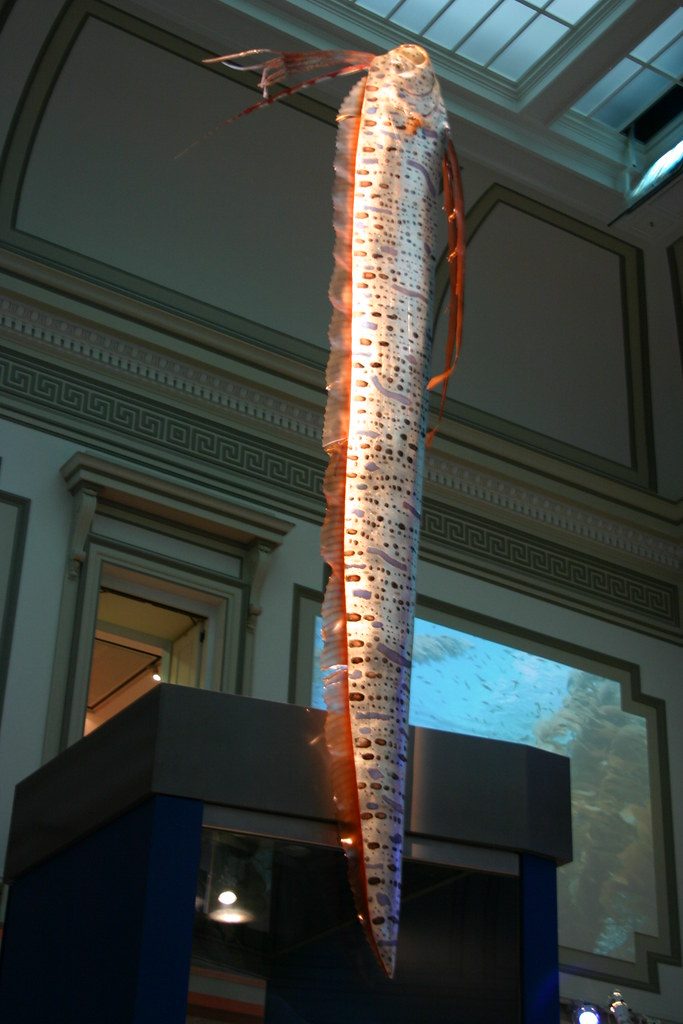
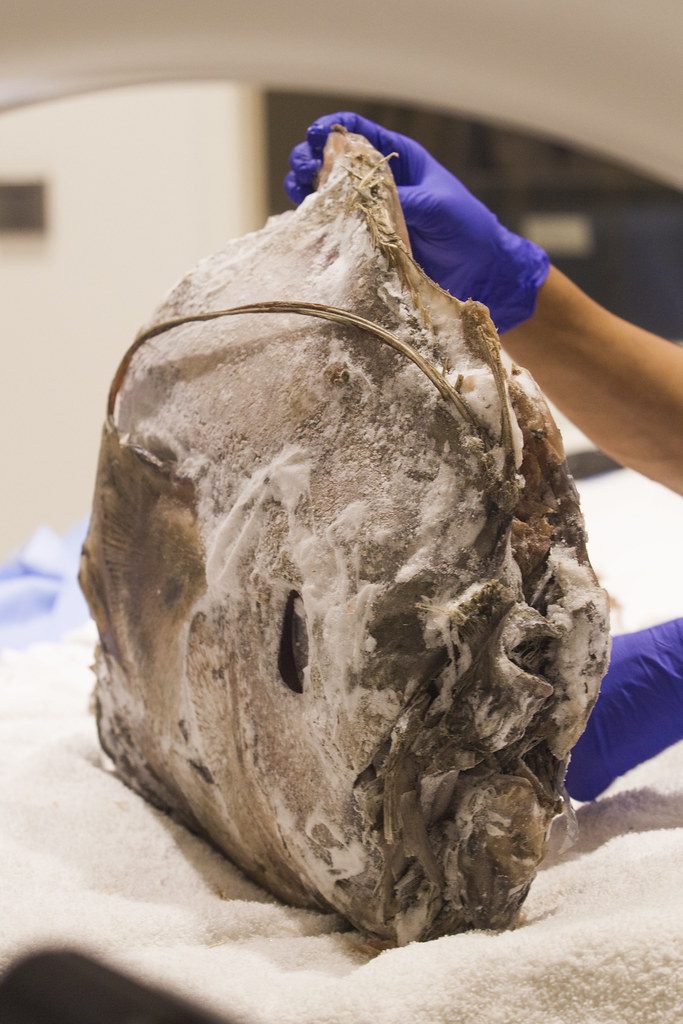
Because living oarfish are rarely observed, each discovery offers researchers valuable information about their biology. Scientists examine stranded specimens to study genetics, diet, growth, and reproduction while also investigating what may have caused them to leave the deep ocean.
Recent strandings in California and other locations have provided opportunities for detailed genetic analysis and helped researchers better understand this mysterious species.
A gentle giant of the deep
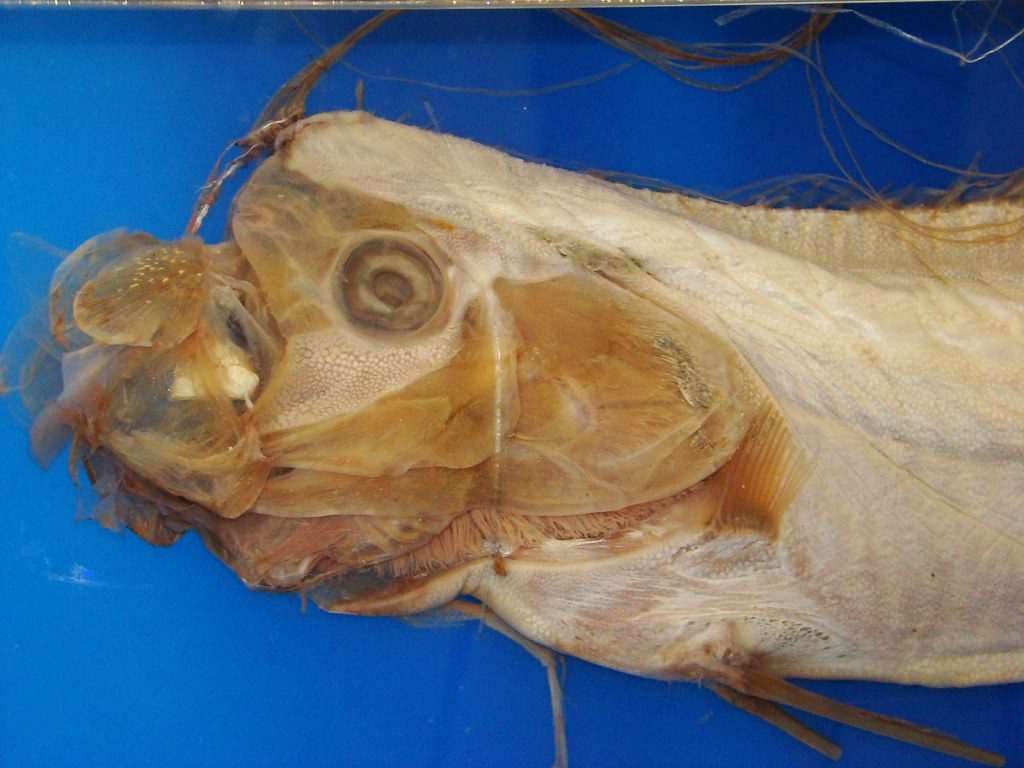
Despite their enormous size, oarfish pose no danger to humans. They have tiny mouths compared with their body length and feed mainly on plankton, small crustaceans, squid, and other tiny marine organisms drifting through the water.
Their unusual swimming style also sets them apart. Instead of moving side to side like most fish, oarfish often swim vertically or use slow, wave-like movements of their long dorsal fin to glide through the water with remarkable efficiency.
Why the mystery continues
Although science has explained much about the oarfish, many questions remain unanswered. Researchers still know relatively little about where these fish breed, how long they live, or why they occasionally strand themselves on beaches around the world.
Their combination of rarity, enormous size, and mysterious lifestyle ensures that the oarfish will continue capturing the imagination of scientists and storytellers alike. The evidence suggests the real story is every bit as fascinating as the legends, even if it is far less supernatural.
Leave a Reply