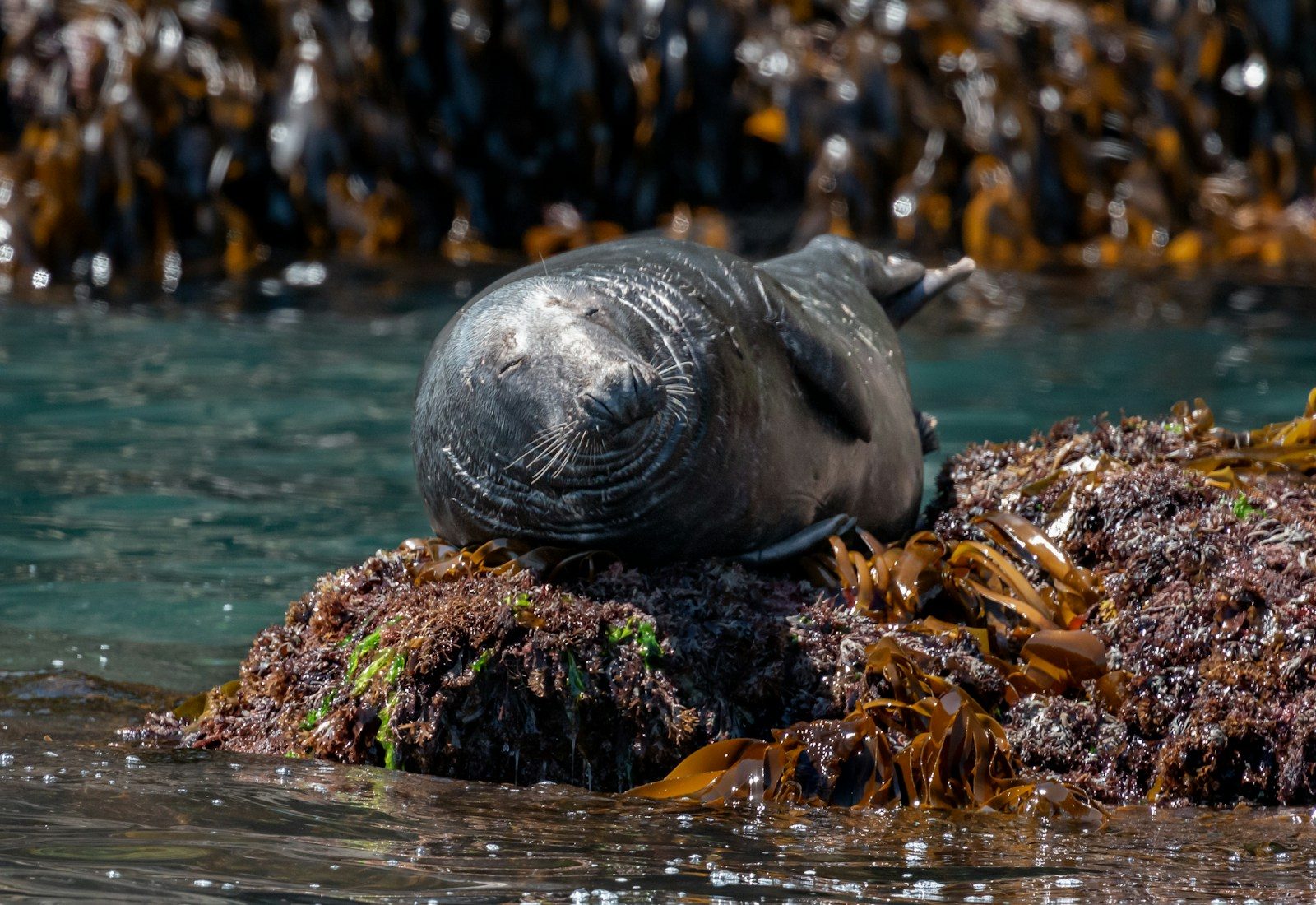
Watching a giant bull seal rescued and released is exciting, but it also shows a serious problem facing ocean wildlife. Every year, seals become trapped in plastic straps, fishing lines, and other trash left in the sea. Without help, many of these animals suffer injuries or die. Rescue teams work quickly to free them and return them to the wild whenever possible.
This article explains what happened during a well-known bull seal rescue, why the seal needed help, how rescuers safely handled such a large animal, and what the rescue teaches us about protecting marine life. You will also learn why reducing ocean pollution is one of the best ways to prevent future rescues.
Why the giant bull seal needed help
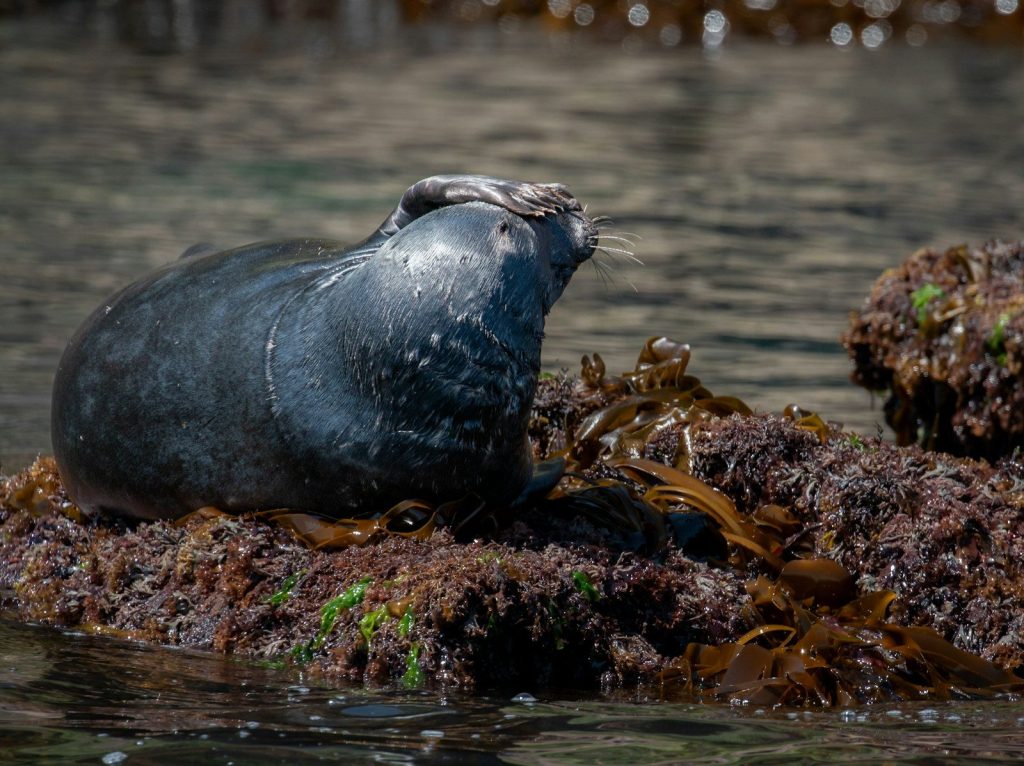
The rescued animal was a large adult male Cape fur seal found at Pelican Point in Namibia. A tight plastic packing strap from a fish box had become wrapped around its neck. As the seal grew, the strap cut deeper into its skin and would have caused severe injury if it had remained in place.
Plastic loops, fishing lines, and abandoned fishing gear are common dangers for seals. Young and adult seals often swim through floating trash without noticing it. Once trapped, the material can tighten over time, making it difficult for the animal to eat, move, or avoid infection.
How rescuers caught the powerful animal
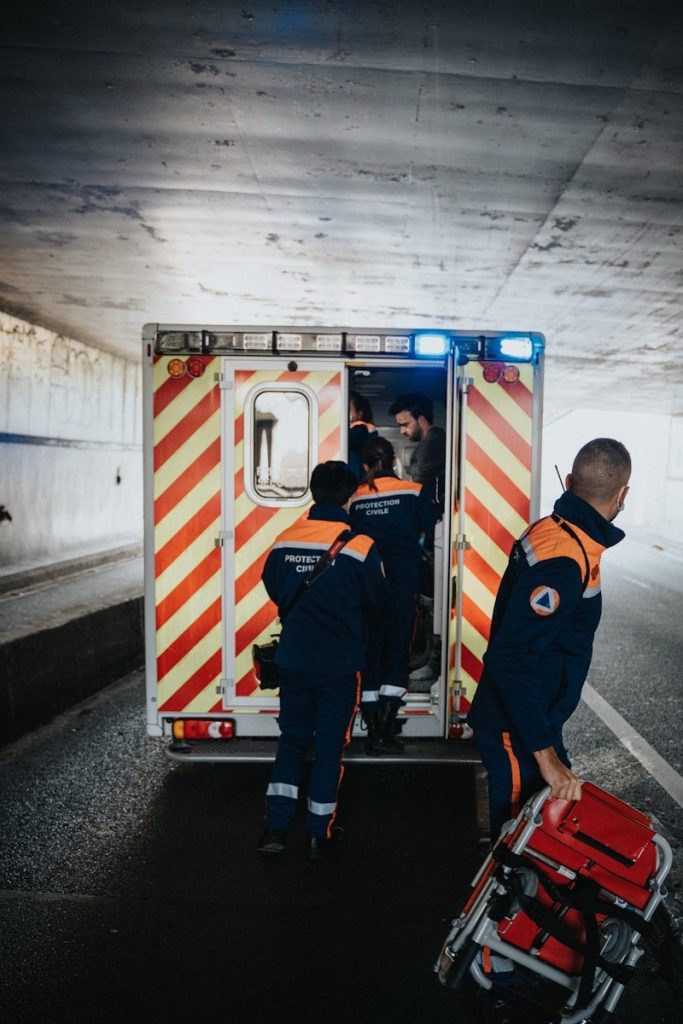
The rescue was carried out by Ocean Conservation Namibia, a group that regularly frees seals from marine debris. Catching a large bull seal is much harder than rescuing a smaller seal because adult males are powerful, heavy, and can defend themselves if frightened.
Rescuers used a specially designed net to safely stop the seal. Because the bull was too large for the net alone, team members carefully held the animal still long enough to remove the plastic strap. The goal was to finish the rescue quickly to reduce stress on the seal before releasing it.
Why was the seal released right away
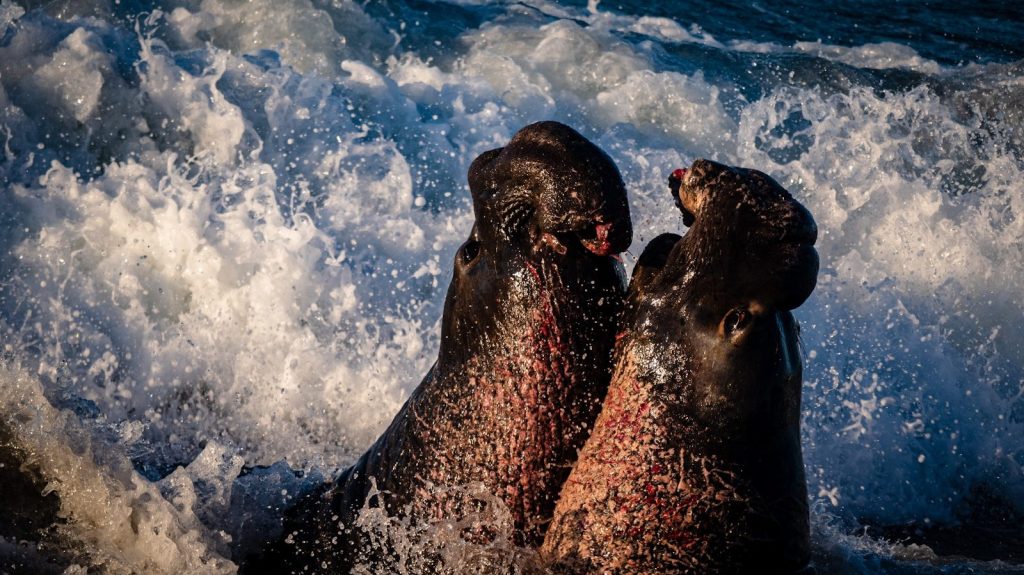
Once the plastic strap was removed, rescuers checked the seal for serious injuries. Since it did not need long term medical care, they released it back into the ocean immediately. Wild seals have the best chance of survival when they can return to their natural habitat as soon as they are healthy enough.
Wildlife experts only keep rescued seals in rehabilitation centers when injuries, illness, or poor body condition prevent them from surviving on their own. Healthy animals are normally returned to the wild after a quick health check.
Why marine plastic is such a big problem
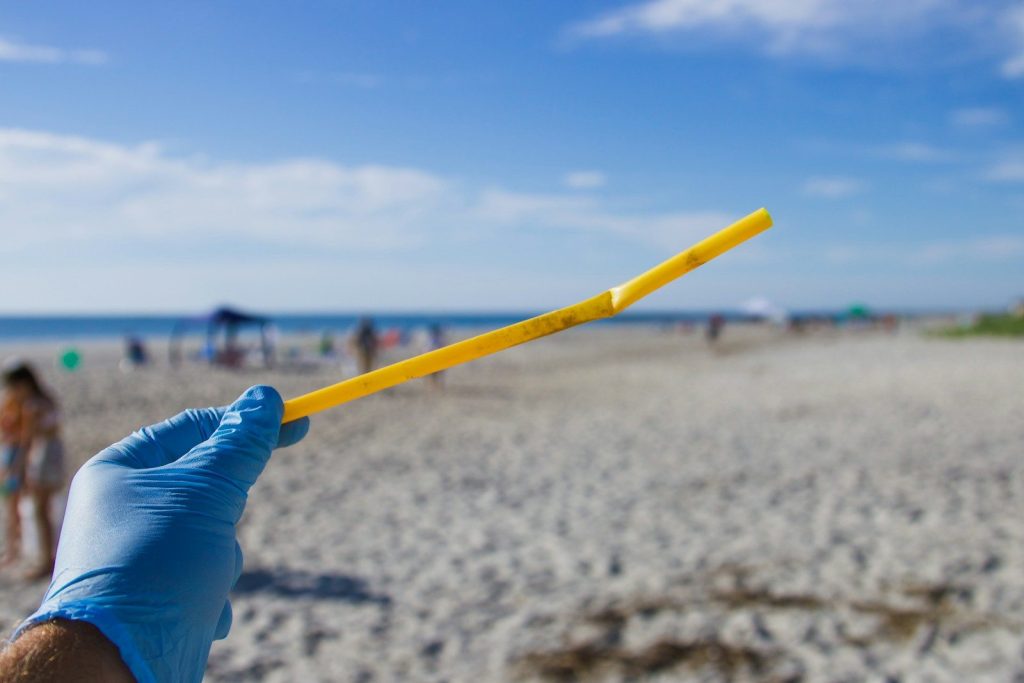
Plastic waste does not disappear quickly in the ocean. Fishing gear, straps, ropes, and packaging can float for years, creating dangerous traps for seals, sea turtles, whales, dolphins, and seabirds. Animals often become tangled while swimming or searching for food.
Conservation groups around the world continue to remove marine litter, but preventing pollution is even more important than rescuing trapped animals. Every piece of plastic kept out of the ocean reduces the risk to wildlife.
Why are bull seals difficult to rescue
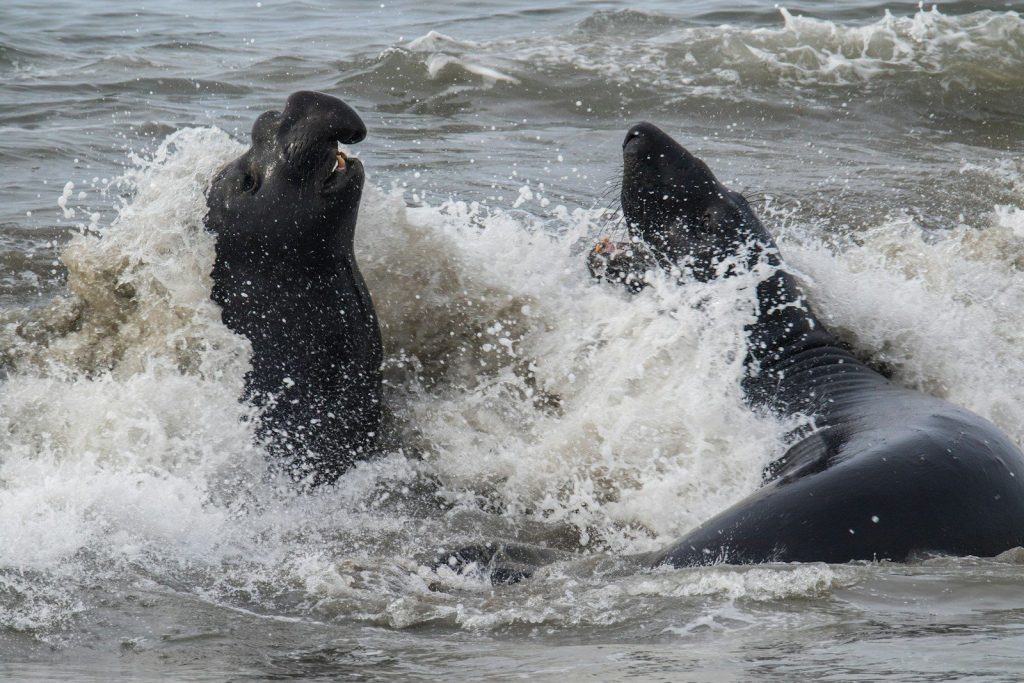
Adult male Cape fur seals can weigh several hundred pounds and are much larger than females. Their strength and quick movements make every rescue risky for both the animal and the rescue team. Careful planning helps prevent injuries during the operation.
Experienced rescuers also work to keep the animal as calm as possible. Fast, controlled rescues reduce stress and allow the seal to return to normal behavior soon after release.
What this rescue teaches us

The successful rescue shows how trained conservation teams can save wild animals affected by human waste. A simple plastic strap nearly cost a healthy bull seal its life, but quick action gave it another chance to survive in the wild.
The story is also a reminder that everyday choices matter. Properly disposing of plastic waste and supporting clean oceans helps protect seals and many other marine animals before they ever need to be rescued
Featured Image: Photo by Ray Harrington on Unsplash
Leave a Reply