
The world’s largest wildlife crossing is being built in Southern California to help animals cross one of the busiest roads in the United States. The project is called the Wallis Annenberg Wildlife Crossing, and it stretches over the U.S. Route 101 near Agoura Hills. It is expected to open in late 2026 and will connect land that has been separated by traffic for decades.
Many wild animals in the area have struggled because the freeway cuts through their habitat. They often risk their lives trying to cross the road to find food, water, or mates. This bridge is designed to solve that problem and help nature recover in one of California’s fastest-growing regions.
Why did California build the crossing
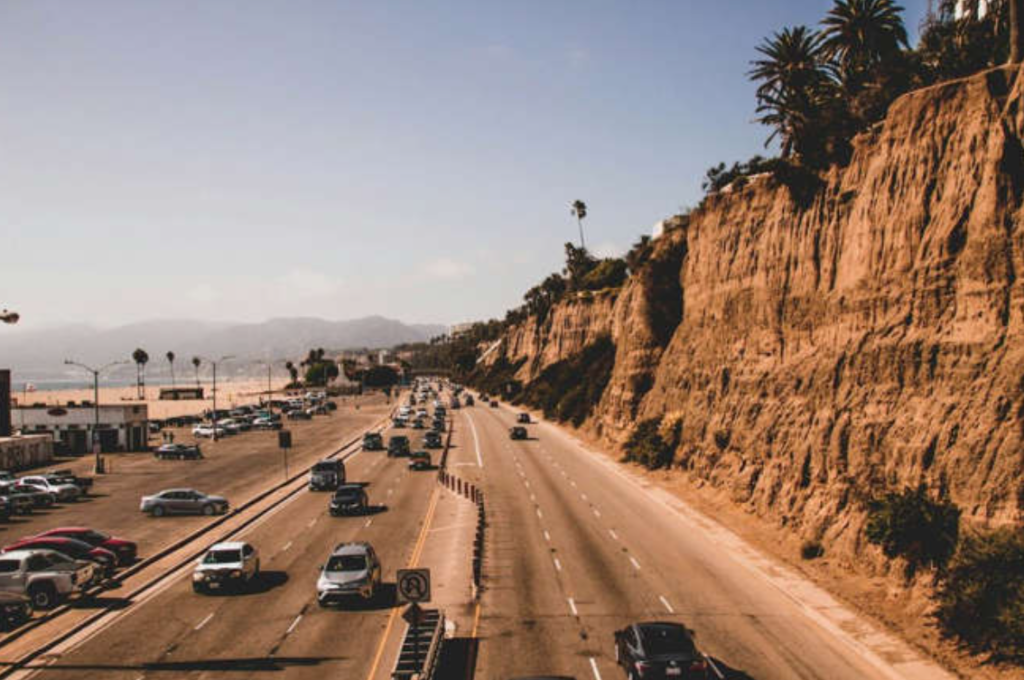
The 101 freeway created a major barrier for animals in the Santa Monica Mountains. Species like mountain lions, deer, and coyotes had to cross busy lanes where many were hit by cars. Scientists said the road was separating wildlife populations and putting some species at risk.
Mountain lions became one of the biggest concerns. Researchers found the local population was becoming isolated because the highway blocked natural movement. That raised concerns about inbreeding, which can weaken future generations and reduce survival.
How large is the bridge really

The crossing is the largest wildlife bridge ever built anywhere in the world. It measures about 210 feet long and roughly 174 feet wide, making it much wider than most overpasses made for animals. Its broad design allows it to look like natural land instead of a simple bridge.
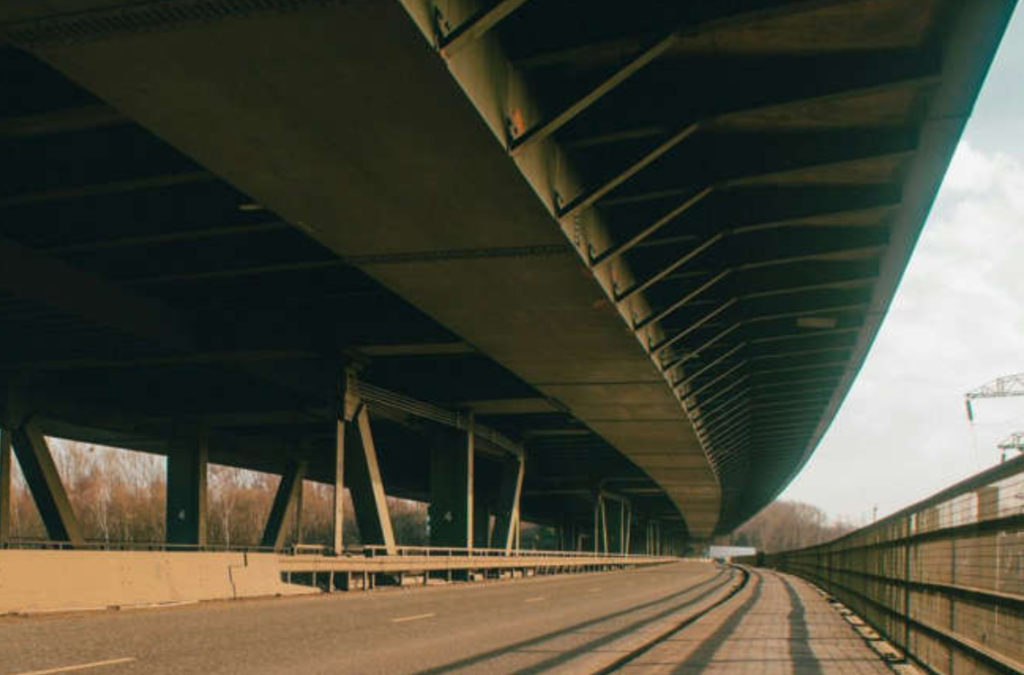
The structure uses massive concrete supports over ten lanes of freeway traffic. Once the framework was complete, crews began covering it with soil and native plants. The finished top will look like an open hillside, so animals feel safe using it.
How the crossing will help animals

The bridge is meant to serve many species living in Southern California. That includes mountain lions, bobcats, mule deer, coyotes, reptiles, birds, and even insects. It will reconnect habitats that were split by road construction many years ago.
The project team collected seeds from local plants to restore native habitat on the bridge. Thousands of shrubs and grasses are being planted across the structure. This creates food, shade, and shelter that match the nearby mountains.
Why did construction take so long?
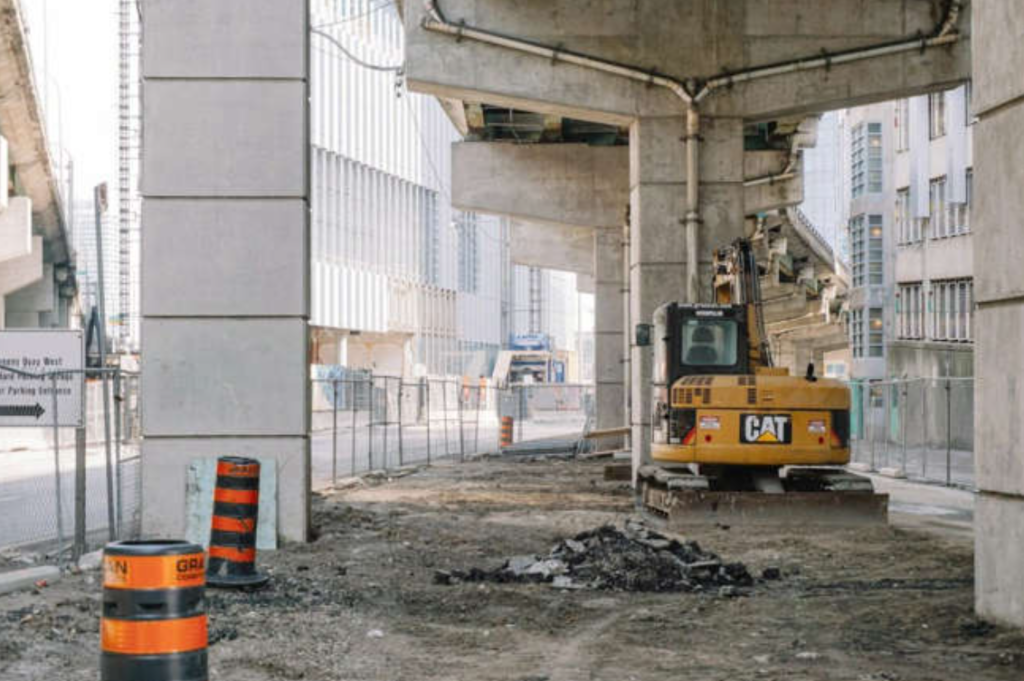
Planning for the crossing began years before construction started. Experts studied wildlife movement and identified Liberty Canyon as the best location. The actual building process started in 2022 after permits and funding were secured.
Construction moved slowly because workers had to build above one of the busiest highways in the country. Weather delays also affected progress during storms and extreme heat. The project cost grew as labor and materials became more expensive.
Why this project matters worldwide
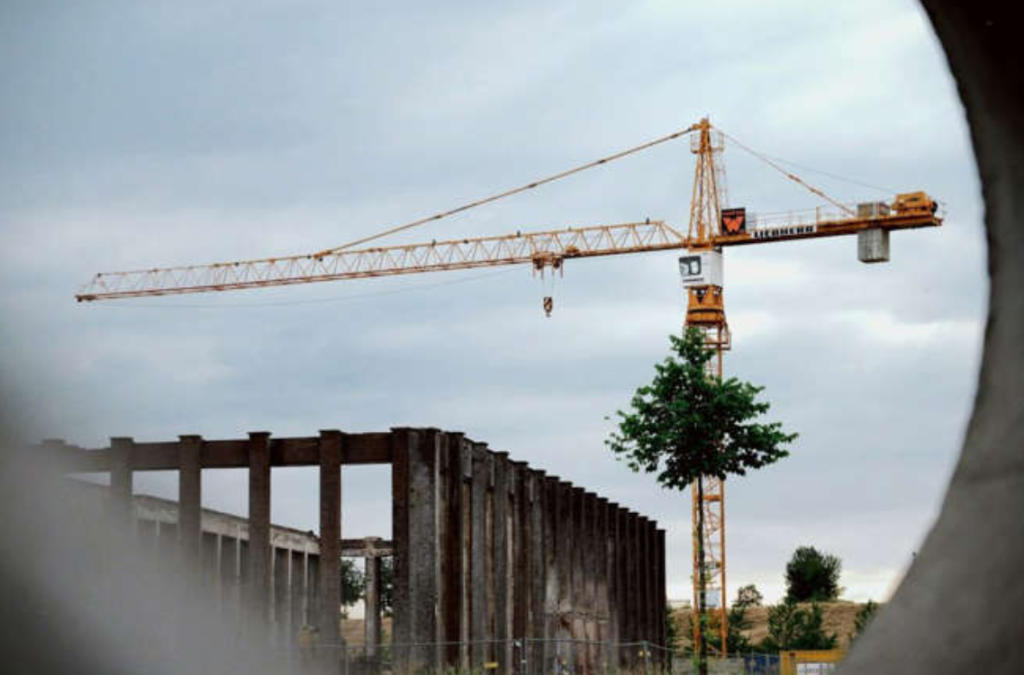
Wildlife crossings exist in other countries, but this one stands out because of its size and location. It is being built in a major urban region with heavy traffic and large animal populations nearby. Scientists believe it could become the most important model for future wildlife crossings.
More than 300,000 vehicles use this stretch of highway every day. That makes the crossing a major test of how wildlife can safely move through developed areas. If successful, similar bridges may be built in other crowded regions.
What happens after it opens
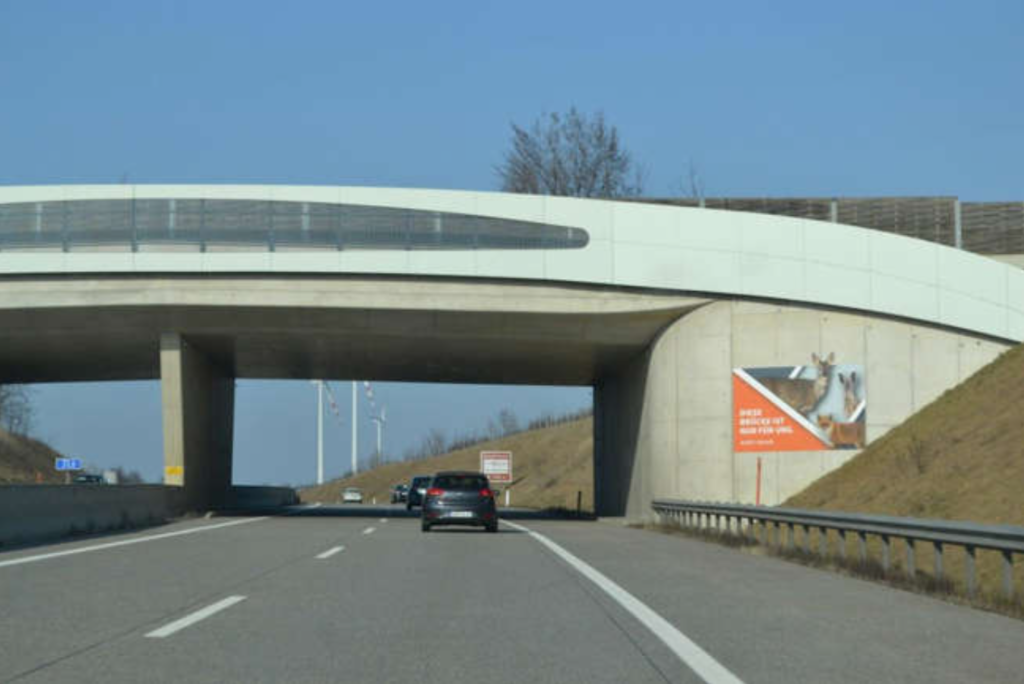
The crossing is expected to open in late 2026 once all habitat work is complete. After that, wildlife will be able to move over the freeway through the restored corridor. Motion cameras will monitor how animals use the bridge.
Researchers will track which species cross and how often. That information will help scientists measure whether isolated populations begin mixing again. It may take several years before the full impact is known.
What does it mean for the future?
The Wallis Annenberg Wildlife Crossing shows how cities can repair damage caused by highways. Instead of blocking migration paths, roads can be redesigned to support both people and wildlife. This project could change how future highways are planned across North America.
The bridge is more than a construction project. It is a long-term effort to protect wildlife in one of the most developed parts of California. Its success may inspire many similar projects around the world.
Leave a Reply