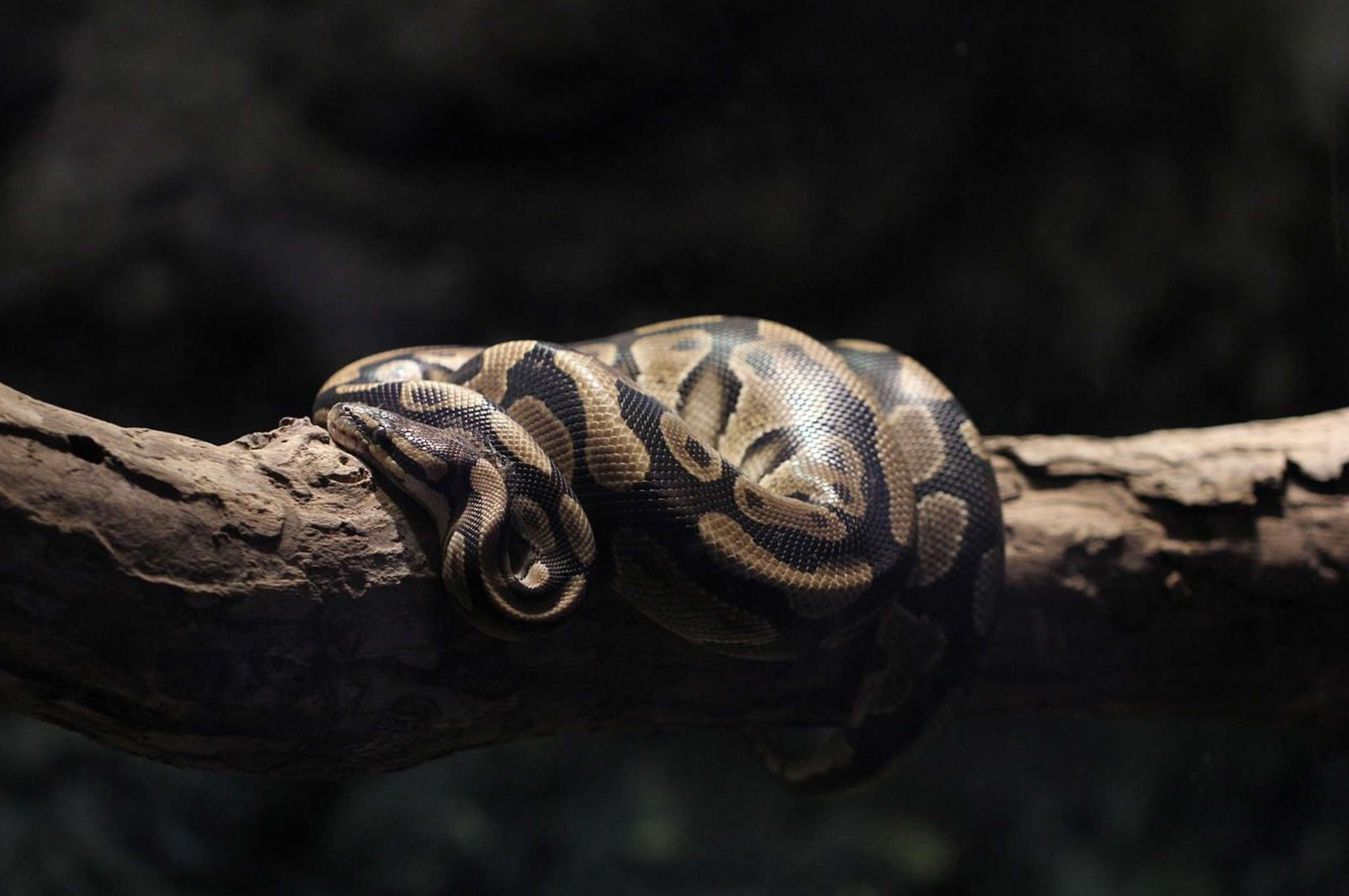
The Everglades is facing a serious problem from one of the largest snakes in the world. The Burmese python, which can reach 5 meters or more, has spread across South Florida and is now one of the biggest threats to native wildlife. These snakes are not from the United States, but they have adapted so well that experts say they are now deeply rooted in the ecosystem.
The giant snake in the Everglades is changing how the wetlands work. It hunts many native animals and keeps expanding into new areas where it was not seen before. This article explains how it arrived, why it keeps spreading, and why stopping it has become so difficult.
How the Burmese python arrived in Florida
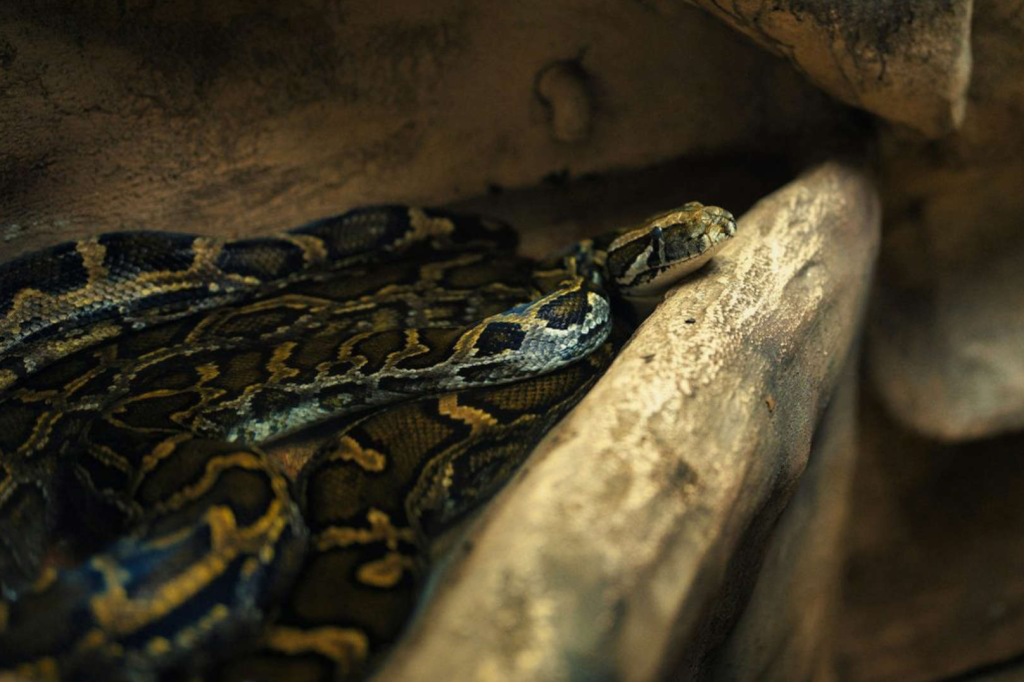
The Burmese python is native to parts of Southeast Asia, including Myanmar, Thailand, and nearby countries. It was brought to the United States through the exotic pet trade, where people bought them as unusual pets. Over time, some were released by owners or escaped, and they began surviving in Florida’s warm climate.
South Florida gave the snakes a place where they could live year-round without freezing. The Everglades had water, food, and hiding spots that matched the conditions of their native home. By the time officials understood the scale of the problem, the snakes had already started breeding in the wild.
Why the Everglades is ideal for giant snakes

The Everglades covers a huge area of wetlands, marshes, and forests across southern Florida. Its remote swamps make it hard for people to reach many places on foot or by boat. That gives pythons many hidden places where they can hunt and reproduce without being noticed.
These snakes are excellent swimmers and can travel through canals and flooded grass with ease. Their skin pattern also helps them blend into muddy water and tall grass. Even trained wildlife teams can pass close to a python and never see it.
How large can the snakes really grow
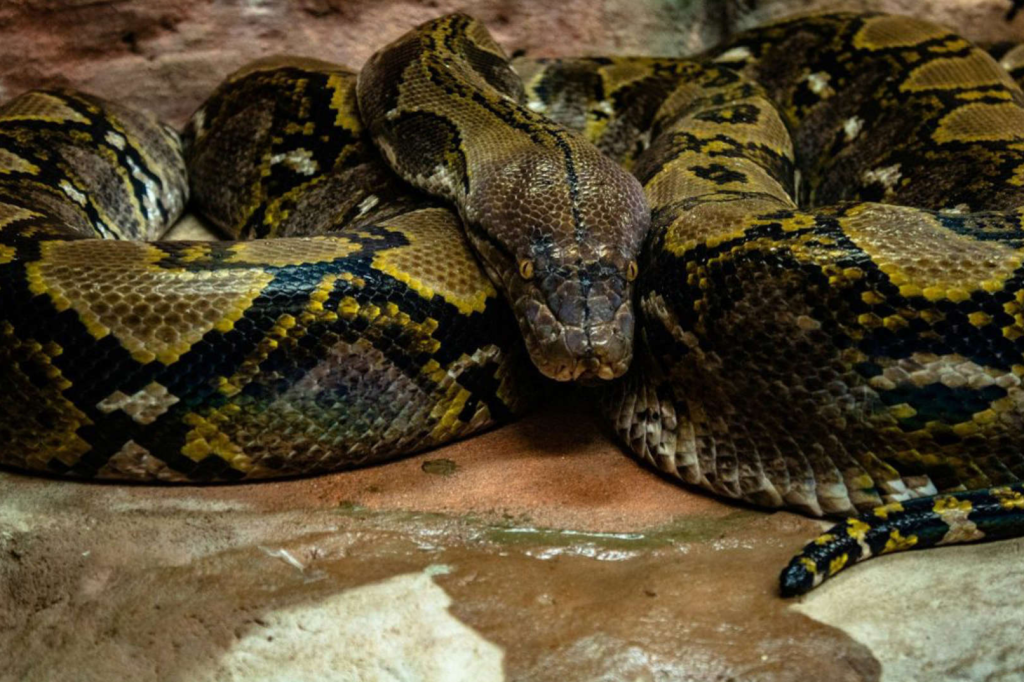
A 5-meter python is around 16 feet long, which is already large enough to overpower many wild animals. Some of the biggest Burmese pythons found in Florida have reached more than 18 feet in length. Several captured snakes have also weighed over 200 pounds.
Female pythons are usually larger than males, which makes them even more dangerous to native species. A larger snake can eat bigger prey and store more energy for breeding. Their size also means very few predators in Florida can kill a full-grown python.
Why does their population keep growing
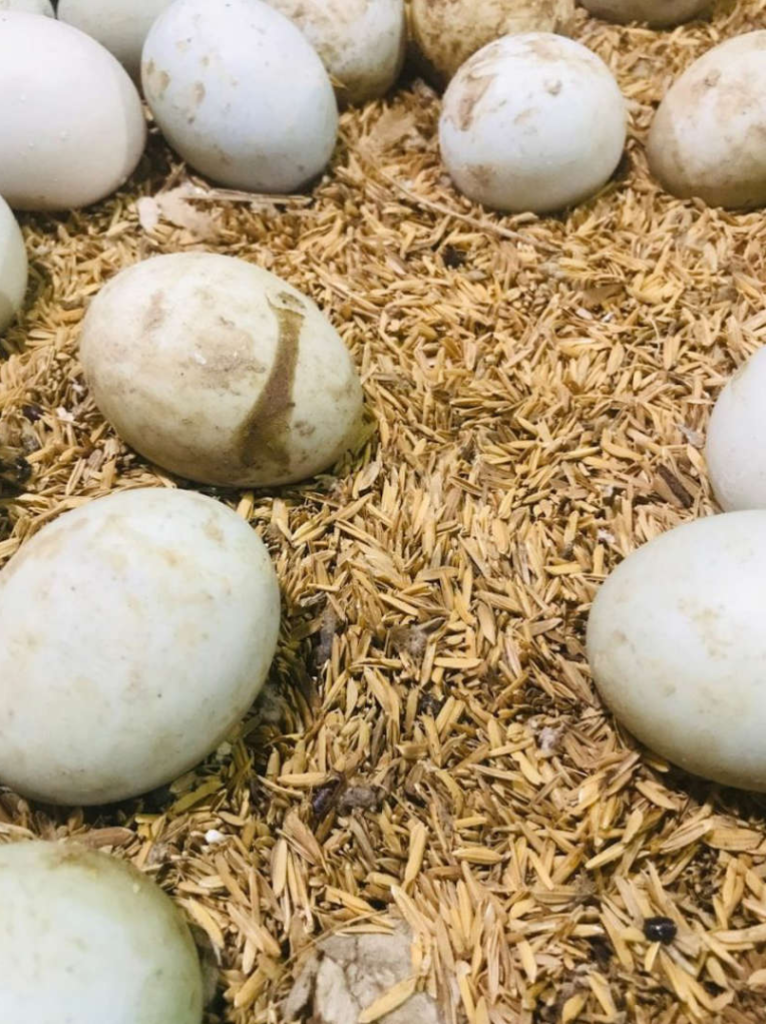
A single female Burmese python can lay dozens of eggs in one nesting season. Scientists have found some females carrying close to 100 eggs at once. That allows the species to grow fast, even when many snakes are removed by hunters.
Florida’s warm weather helps the eggs survive and hatch successfully. There is no harsh winter in South Florida to naturally limit their spread. Because of that, the snakes can keep reproducing almost without interruption.
How are they hurting native wildlife?

Burmese pythons eat many animals that are native to the Everglades. Studies have found rabbits, raccoons, birds, deer, and even young alligators inside them. This wide diet allows them to affect many parts of the food chain.
Scientists have seen major drops in mammal populations in areas where pythons are common. Some small mammals are now rarely seen in places where they were once abundant. The python’s spread is changing the balance of the whole ecosystem.
Why is stopping them so hard

Florida has organized python removal efforts for years, including public hunts and trained capture teams. Thousands of snakes have been removed from the wild, but many more remain hidden. Experts say the snakes are so spread out that complete removal may no longer be possible.
Researchers now use radio transmitters and DNA testing in water to track python movement. These tools help locate breeding areas that are hard to search. Even with new technology, the Everglades is so large that many snakes remain out of reach.
Leave a Reply