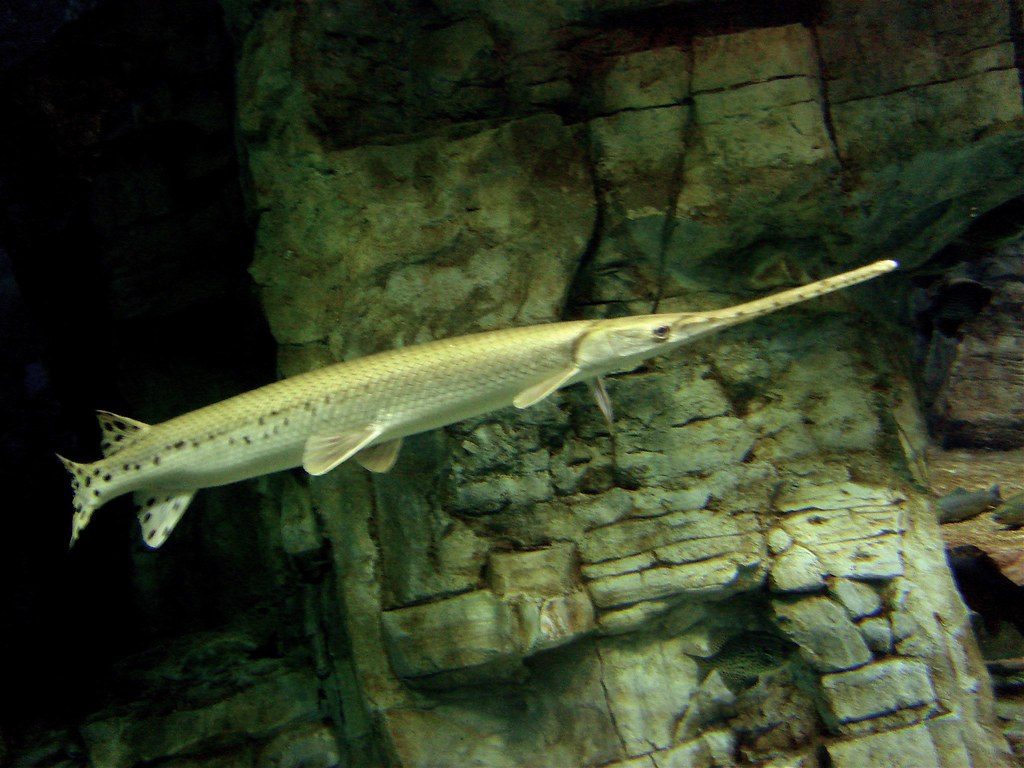
A hurricane can completely change a landscape in just a few days. Last year, an entire ranch was flooded. Months later, the water disappeared, leaving behind small ponds scattered across the land. Inside one shrinking cow puddle, several giant gar were trapped with almost no flowing water left.
Some fish did not survive, but others were still fighting for life. This article explains how hurricanes can strand fish, what rescuers found in the shallow ponds, and why nature can transform a place in just one season.
A ranch changed by a hurricane
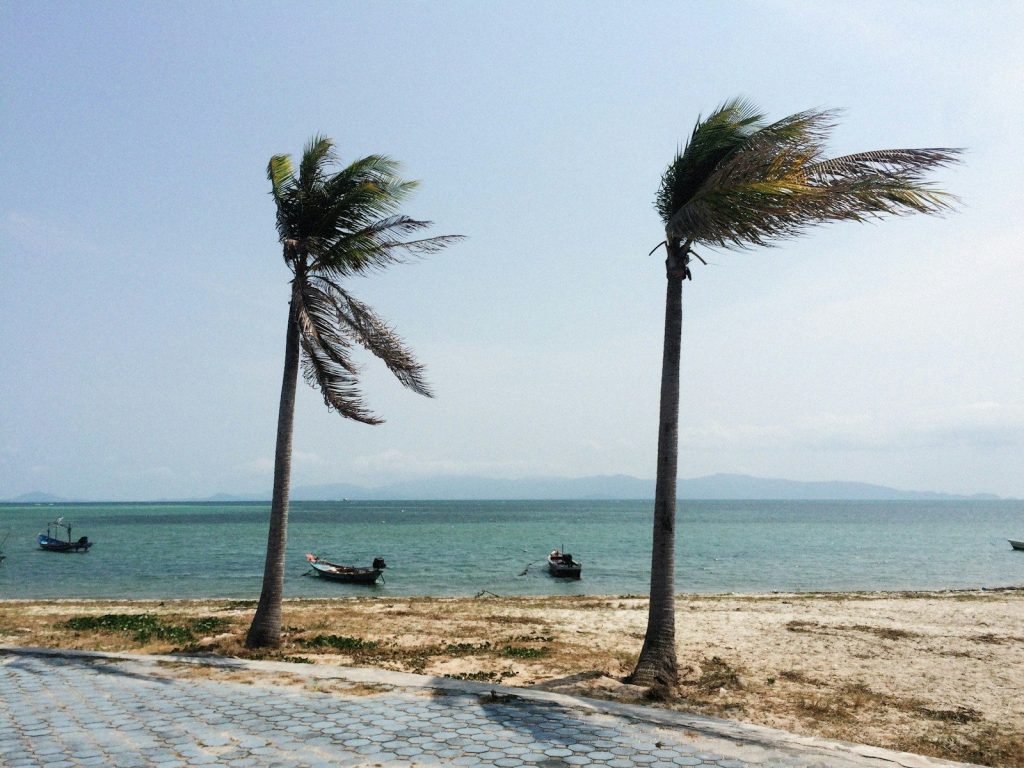
Last year, floodwaters covered the entire ranch after a powerful hurricane. Fields that once held cattle became part of a temporary underwater landscape, changing everything across the property.
When the floodwater finally receded, it did not disappear evenly. Instead, it left behind isolated ponds and muddy pools where fish became trapped with no easy path back to larger waterways.
Giant gar were left behind
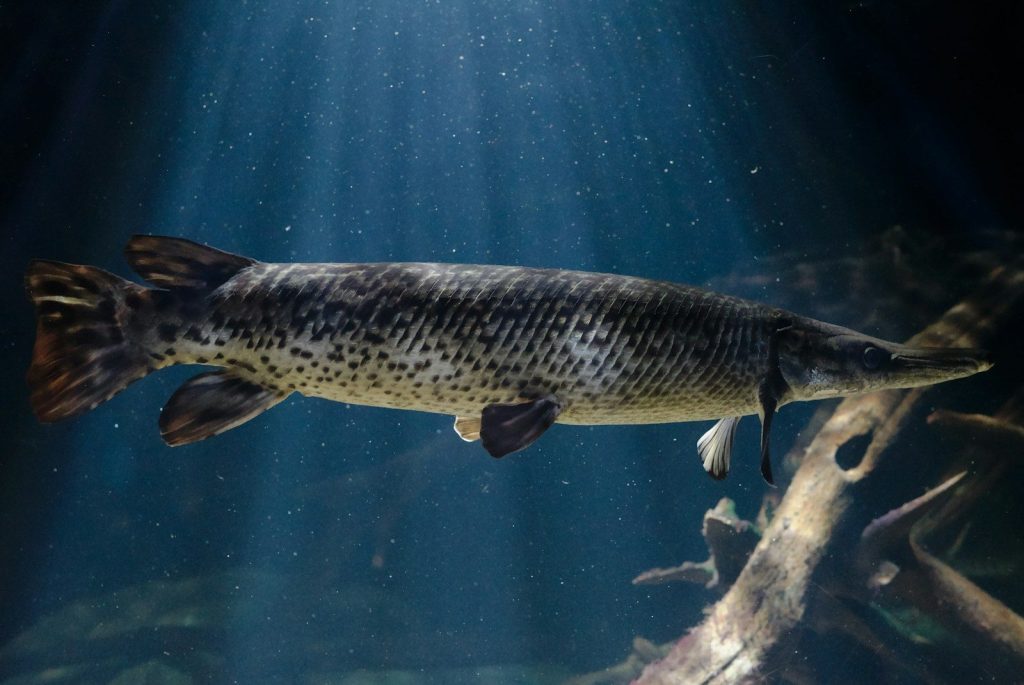
As the ponds shrank, massive gar became stranded in the shallow water. One of the largest groups was found inside a shrinking cow puddle with very little water flow left.
Gar are strong fish, but even they struggle when trapped in warm, shallow pools that continue to shrink. Without enough fresh water, their chances of survival drop significantly.
A race against time
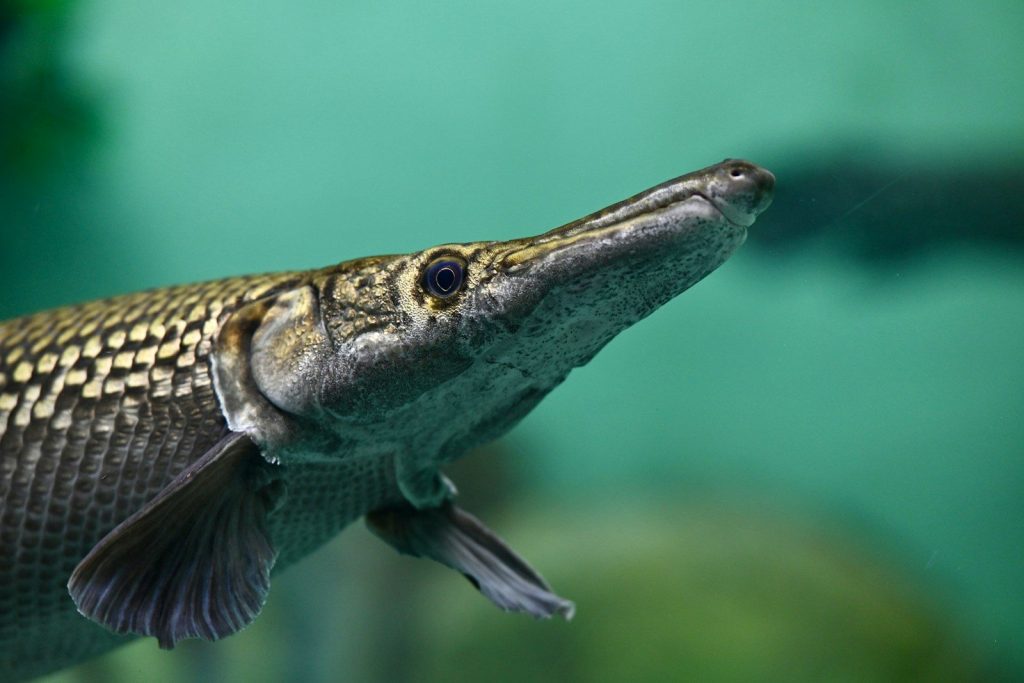
Not every fish could be saved. Some had already died before anyone reached the ponds, showing how quickly conditions can become dangerous after floodwaters disappear.
Others were still alive and fighting to survive. Those fish still had a chance, proving that even in difficult conditions, some wildlife can endure if help arrives in time.
Why do fish become stranded
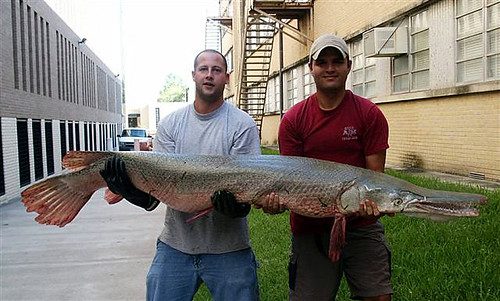
During major floods, fish often move into newly flooded areas while the water is high. As the flood recedes, some become trapped in isolated pools that no longer connect to rivers or lakes.
These stranded ponds may continue shrinking for days or weeks. As water levels fall, oxygen can decrease, and temperatures can rise, making survival much harder for the fish that remain.
Nature can transform a landscape
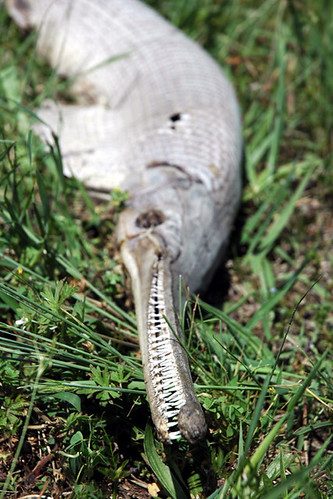
Just one season earlier, the ranch was completely underwater. After the flood ended, the same land looked almost unrecognizable, with only scattered ponds marking where the water had once stood.
The stranded gar showed how dramatic these changes can be. A place that briefly became part of a floodplain later turned into a series of isolated pools where wildlife struggled to survive.
A reminder of nature’s power
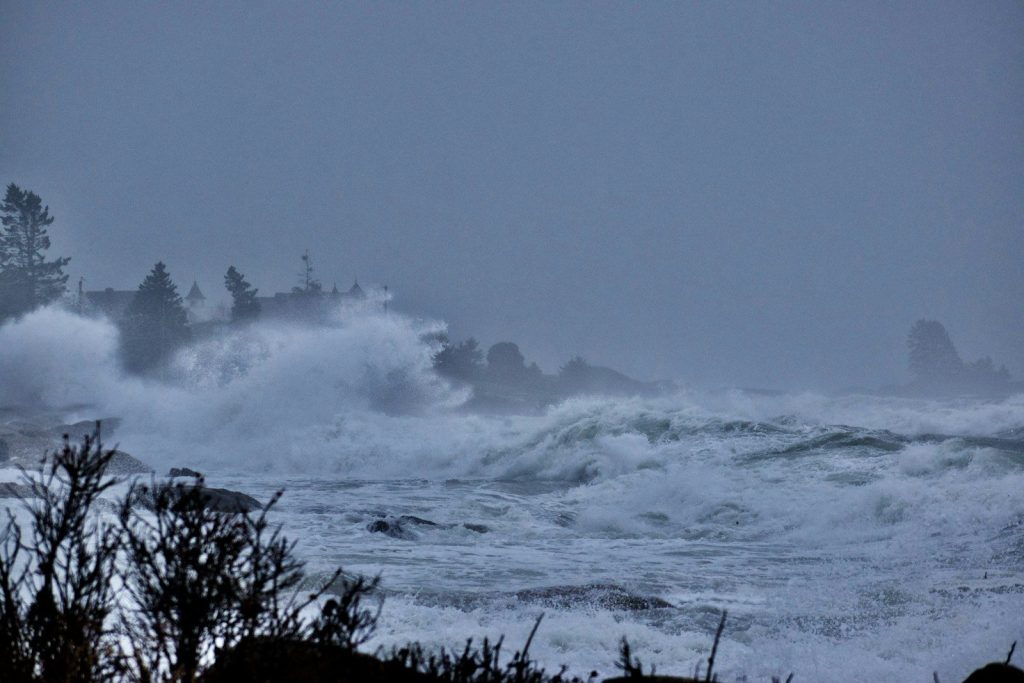
The discovery of the giant gar was both impressive and heartbreaking. Some fish could not be saved, while others continued fighting until the very end.
The scene was a powerful reminder that hurricanes affect far more than buildings and roads. They also reshape habitats, leaving lasting effects on the wildlife that depends on healthy waterways.
Leave a Reply