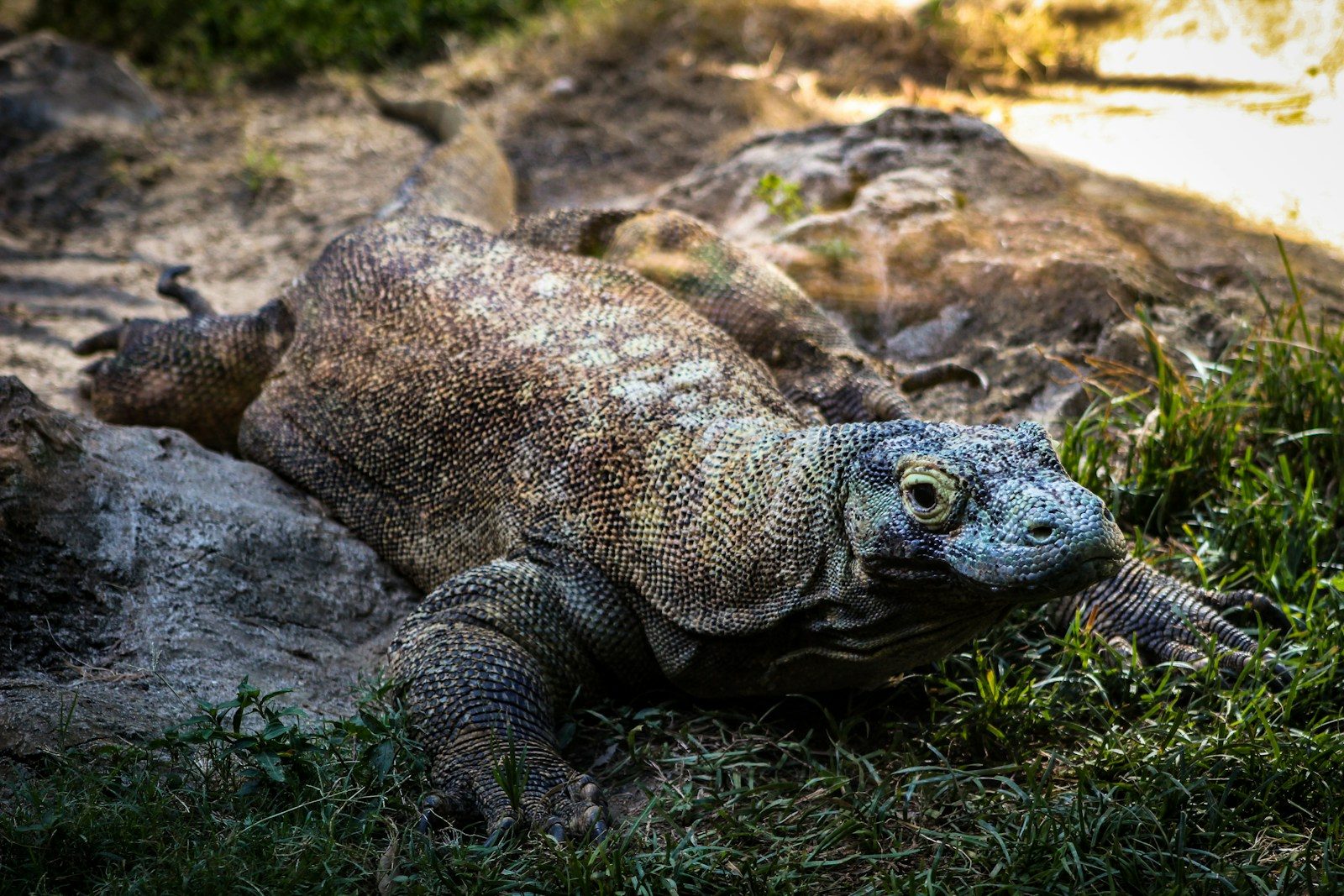
Komodo dragons are the largest living lizards on Earth, and meeting one in the wild can be frightening. Although attacks on people are rare, they can be extremely dangerous when they happen.
One tragic case involved an 8-year-old boy in Indonesia who was attacked after becoming separated from his family. This article explores the heartbreaking event, other well-known Komodo dragon attacks, why these giant reptiles are such powerful predators, and what makes them among the most respected animals in the wild.
A tragic attack in Komodo National Park
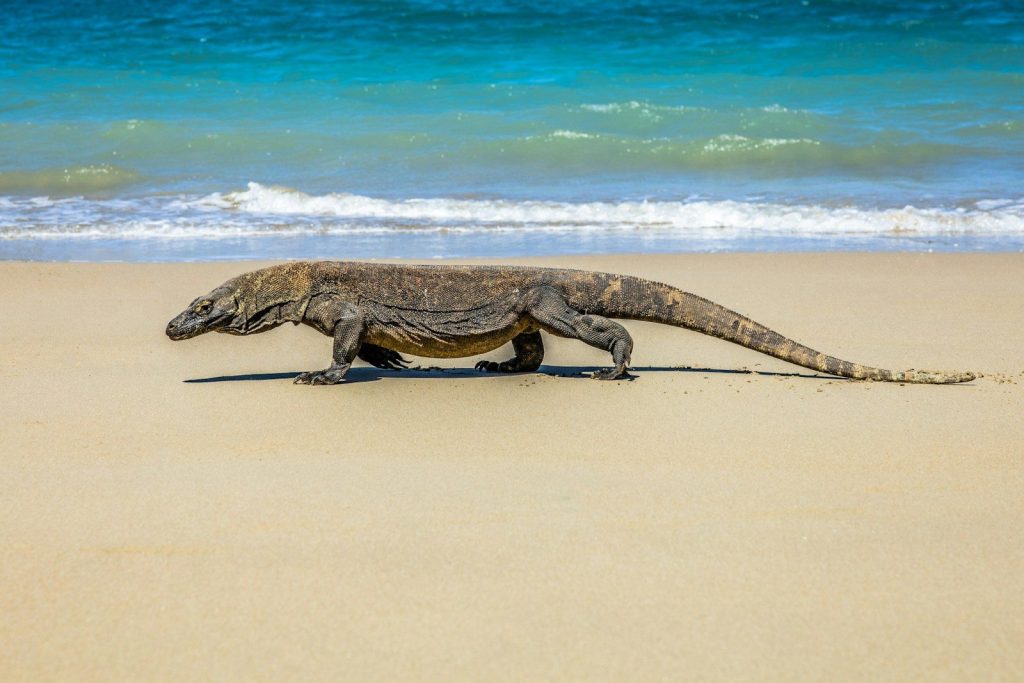
Deep inside Indonesia’s Komodo National Park, an 8-year-old boy wandered away from his family for a short time. During those few moments, he was attacked by a large Komodo dragon weighing about 70 kilograms, or 154 pounds.
Witnesses described a terrifying struggle. The dragon grabbed the boy, dragged him, and shook him violently before the adults reached the scene. Despite efforts to stop the attack, the child later died from severe injuries. It was the first fatal Komodo dragon attack on a person reported in more than three decades.
Why Komodo dragons are dangerous predators
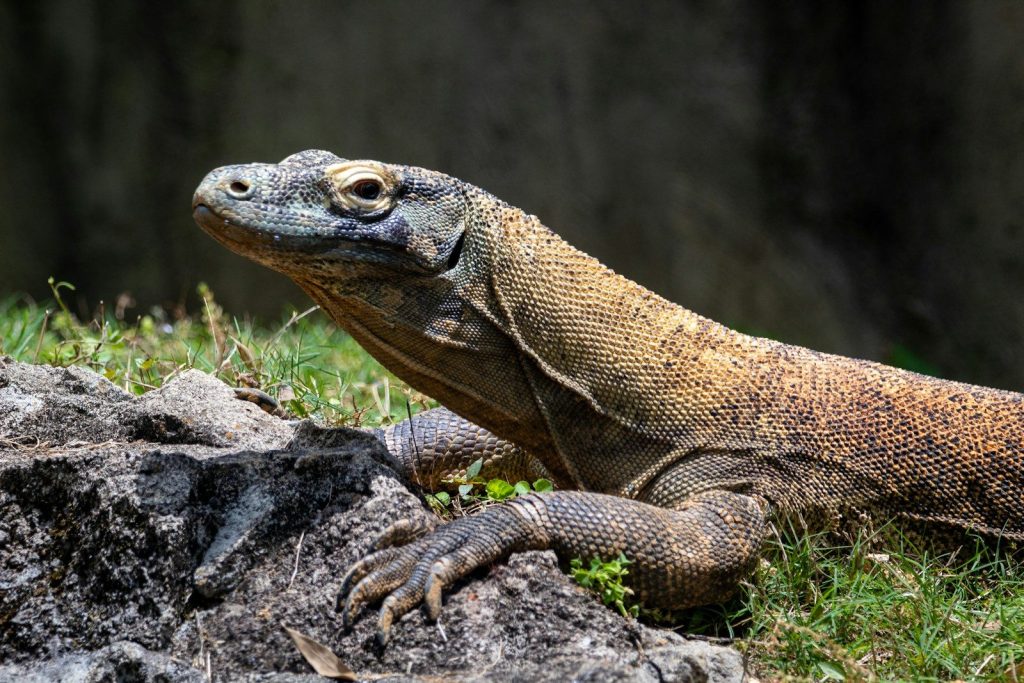
Komodo dragons are apex predators found on a small group of Indonesian islands. Their powerful bodies, sharp teeth, and strong jaws allow them to hunt large prey, including deer and wild pigs.
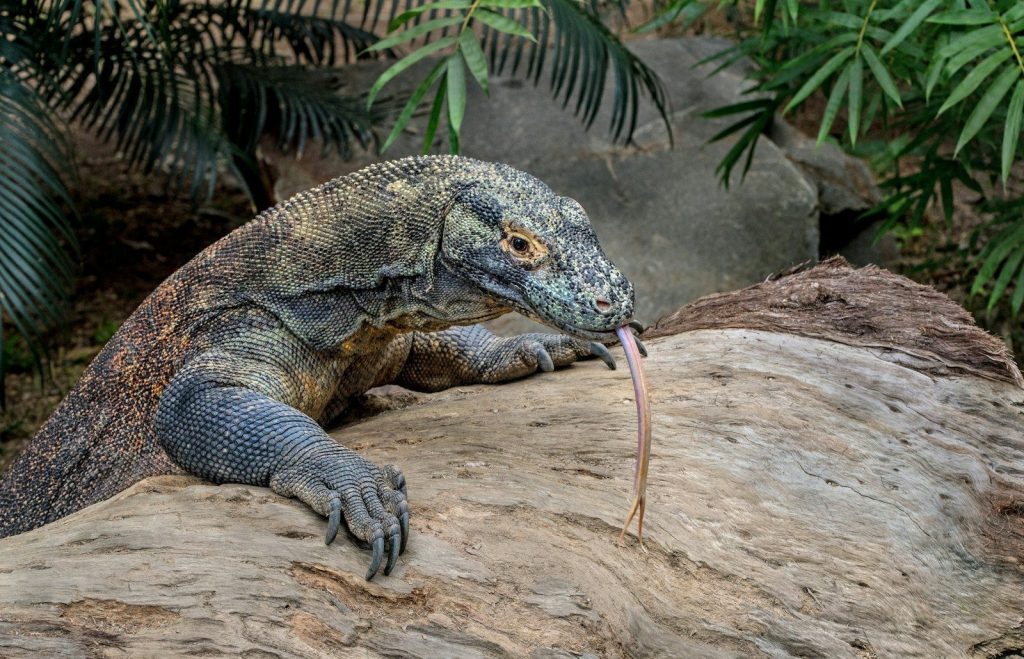
These reptiles also have an excellent sense of smell. Using their forked tongues, they can detect scents over long distances, helping them locate prey or animal carcasses across their habitat.
Other frightening encounters
The 2007 tragedy is not the only serious encounter involving Komodo dragons. Over the years, a small number of people, including park workers and zookeepers, have survived painful bites while working near the animals.
Even experienced rangers understand the risks. A single mistake around a large Komodo dragon can quickly become dangerous because of the animal’s speed, strength, and powerful bite. These rare incidents remind visitors why trained guides and safety rules are so important.
How Komodo dragons hunt
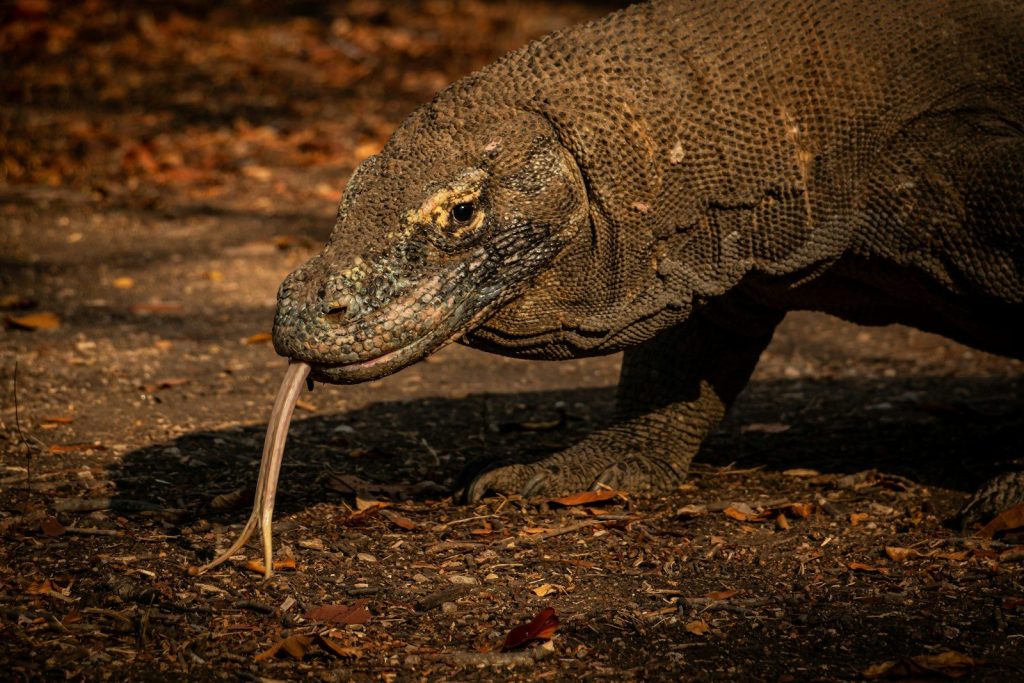
Komodo dragons are patient hunters. They often wait for the right moment before rushing toward their prey with surprising speed over short distances. Once they bite, they use their strength to overpower the animal.
Scientists now know that Komodo dragons possess venom glands that help weaken prey by affecting blood clotting and lowering blood pressure. Combined with the deep wounds their sharp teeth cause, this makes them highly effective hunters.
Why attacks on humans are uncommon
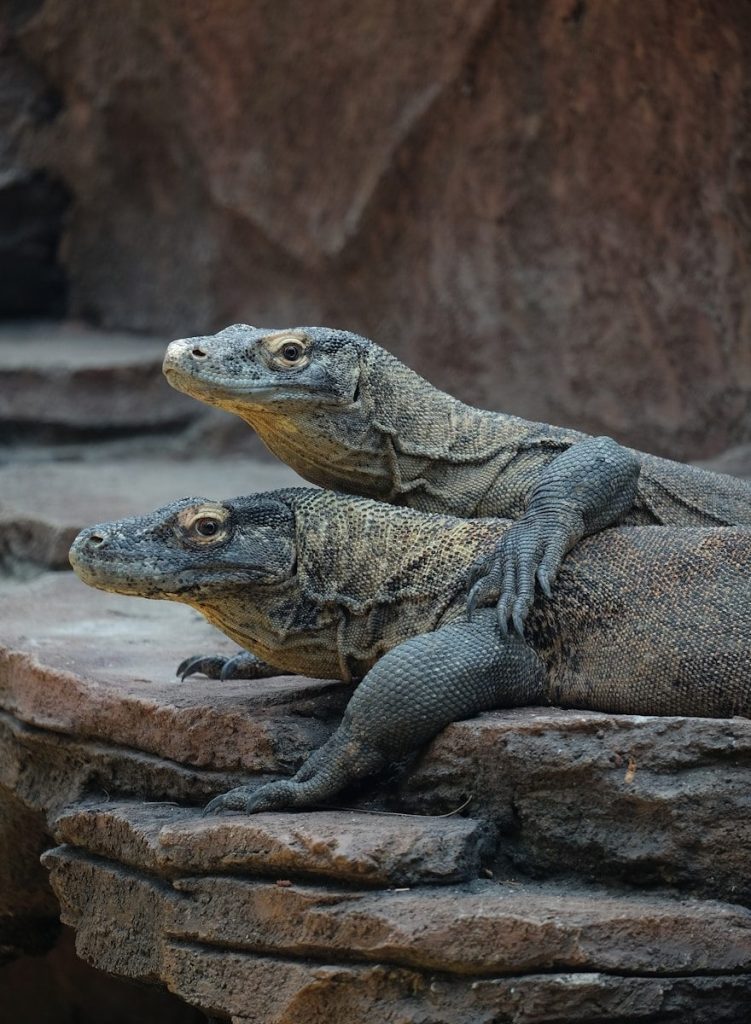
Although Komodo dragons are powerful predators, attacks on people remain rare. Most dragons avoid humans when given enough space and usually retreat instead of approaching people.
Problems are more likely to happen when people enter their territory, surprise the animals, or get too close. This is why visitors to Komodo National Park are required to follow park rules and stay with trained guides.
Respecting one of nature’s oldest predators
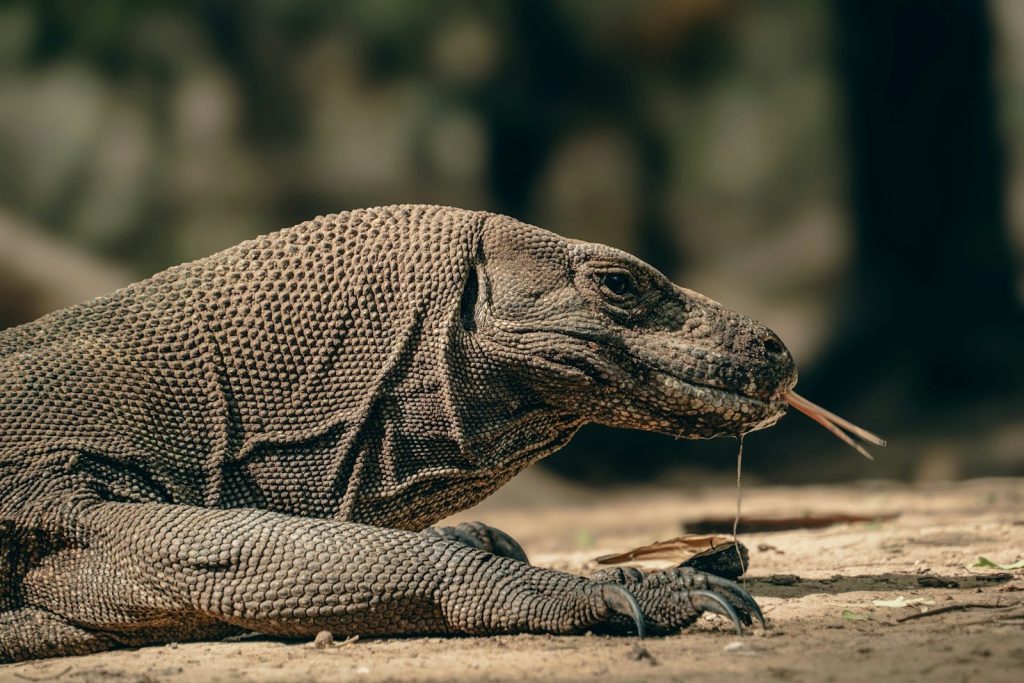
Komodo dragons have lived on Earth for millions of years and remain one of the world’s most remarkable reptiles. Their size, hunting skills, and unique biology make them an important part of Indonesia’s wildlife.
The tragic attack on the young boy serves as a reminder that wild animals deserve both respect and caution. Understanding how these predators behave helps people appreciate them while staying safe in their natural habitat.
Leave a Reply