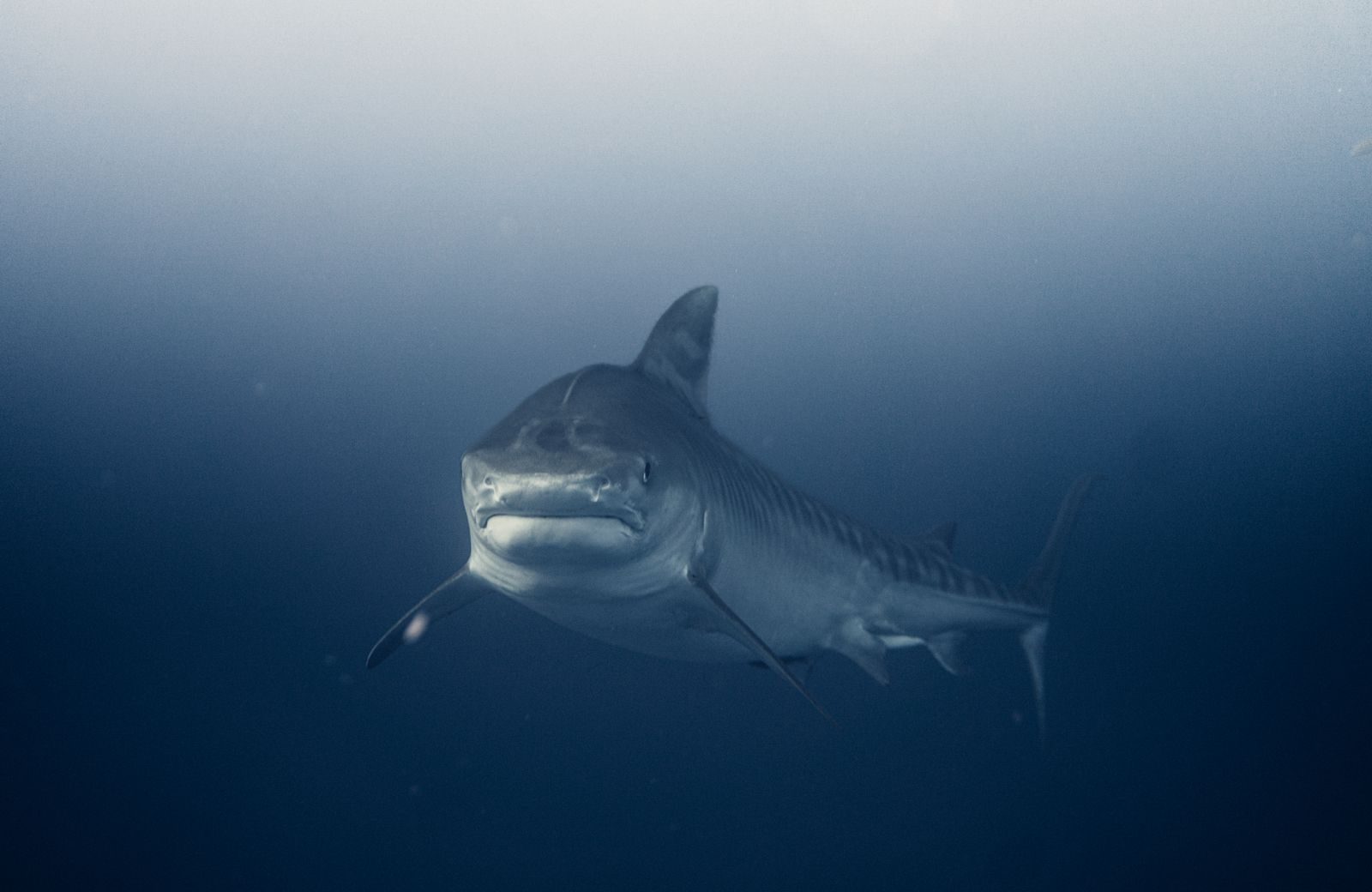
Have you ever wondered how a giant shark can burst out of the ocean with enough force to send a seal flying through the air? Scientists have spent years studying this amazing hunting move, often called a breach. The great white shark, which can weigh around 2 tons, uses speed, surprise, and perfect timing to catch fast-moving seals.
In this article, you’ll learn how these sharks build incredible power underwater, why they leap into the air, and what researchers have discovered about one of nature’s most dramatic hunting strategies. The facts below are based on observations from marine scientists and published research.
Why great white sharks target seals
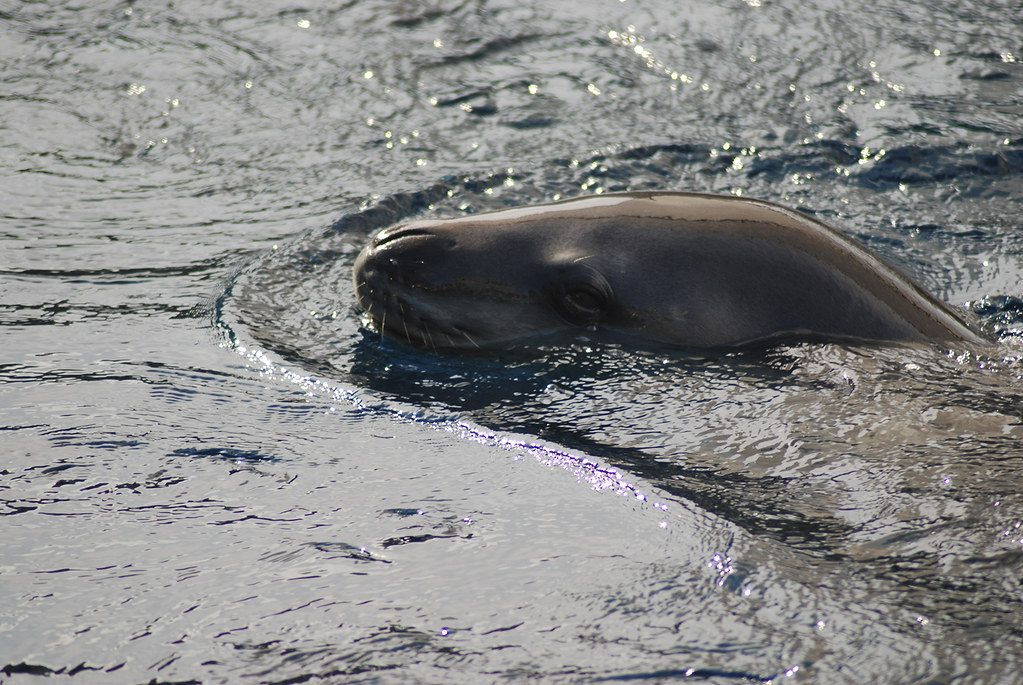
Great white sharks hunt many kinds of prey, but adult sharks often prefer seals because they are rich in fat. That fat provides a large amount of energy, helping the sharks survive long periods between meals. This is especially important for large predators that travel long distances in the ocean.
Young seals are often the main target because they are less experienced and easier to catch than healthy adults. Scientists have found that sharks usually attack from below, where they are harder for seals to see against the bright surface above.
How sharks build enough speed
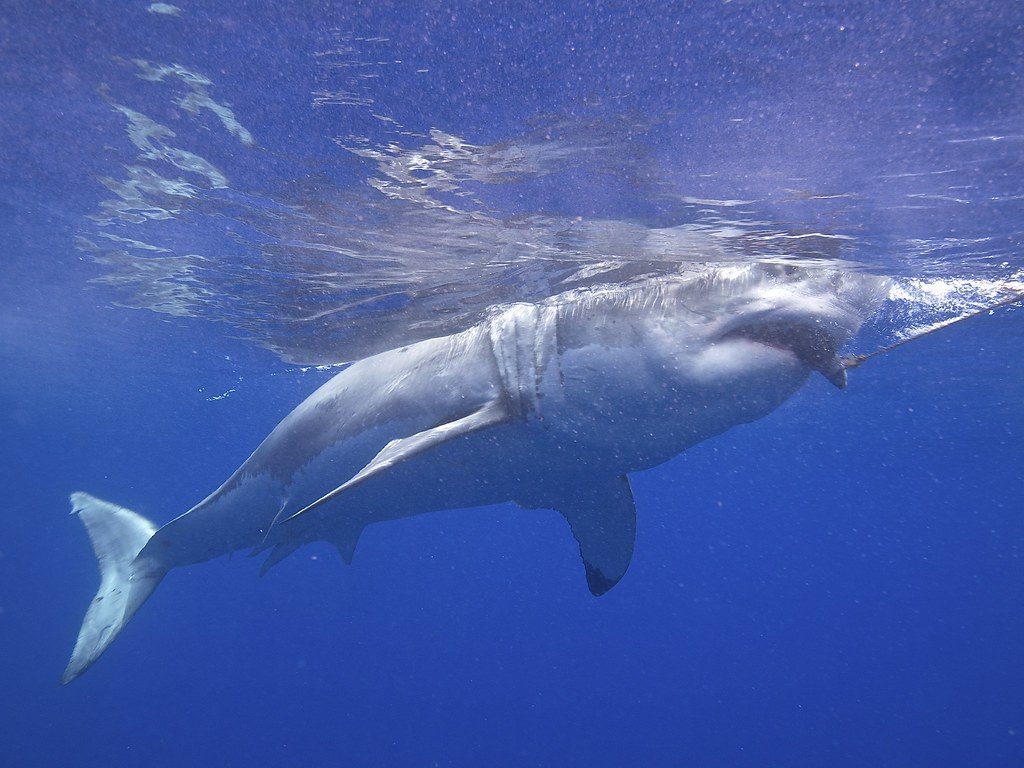
Before attacking, a great white shark may swim about 60 feet below the surface. It then points its body upward and powers forward with strong tail beats. This rapid climb creates enough speed for the shark to burst through the water while chasing a seal.
Researchers using motion sensors and animal-mounted cameras found that these sharks carefully control their body angle during the attack. By aiming almost straight up, they can carry their momentum out of the water, sometimes launching both themselves and the seal into the air.
Why seals are thrown into the air
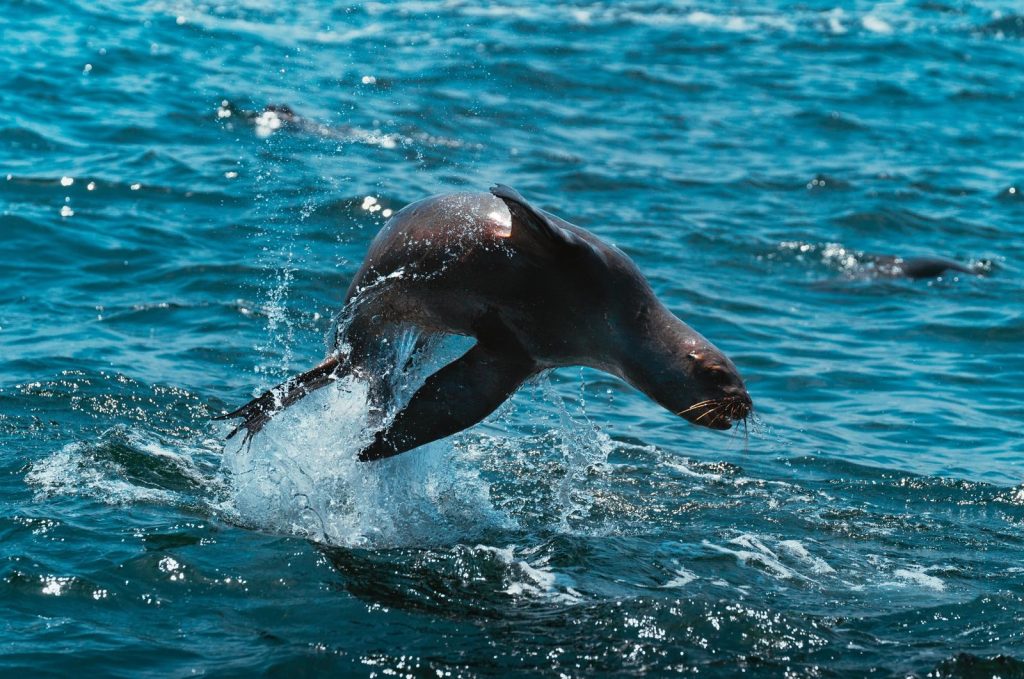
The famous leap is not meant to impress anyone. It happens because the shark is already moving at very high speed when it strikes a seal near the surface. The force of the attack continues upward, causing the shark to leave the water, while the seal may also be thrown into the air.
Scientists estimate that great white sharks can clear several feet above the ocean during these attacks. Even though the breach looks dramatic, it is simply the result of powerful swimming and the laws of motion.
What scientists learned from new technology
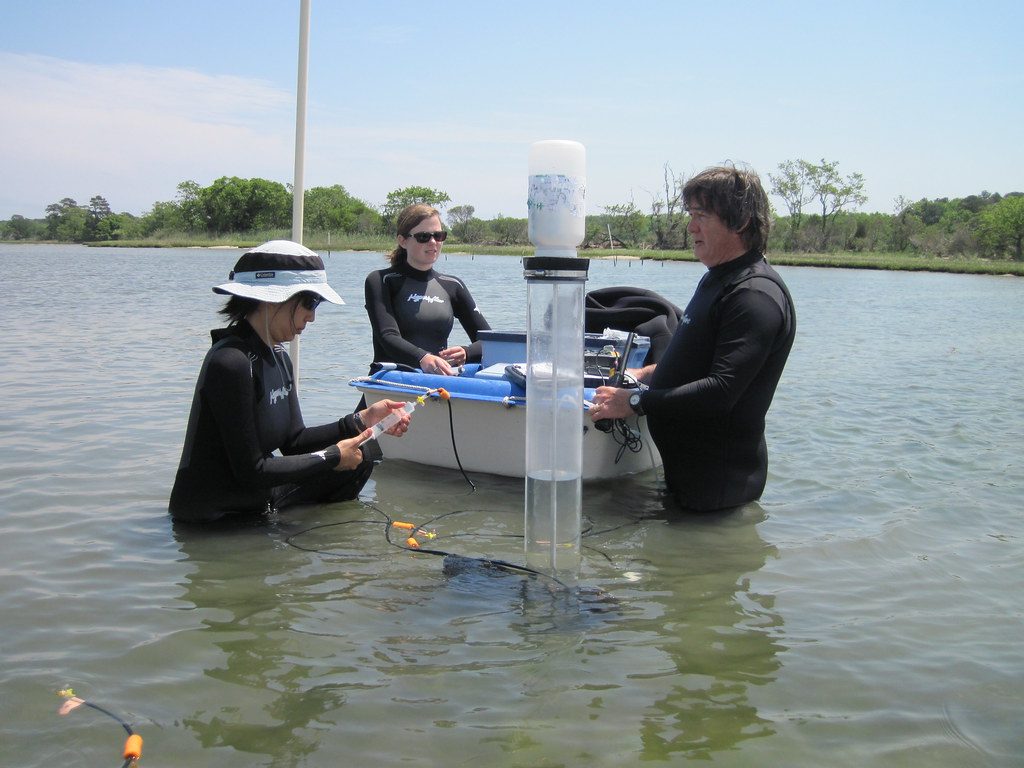
For many years, researchers could only watch attacks from boats or the shoreline. Today, small cameras, GPS trackers, and motion sensors attached to sharks provide a much clearer view of what happens underwater before the breach.
These tools revealed that sharks sometimes swim through kelp forests while hunting, something many scientists once believed they avoided. The recordings also showed that individual sharks may use different hunting paths depending on the environment.
Why timing matters in a hunt
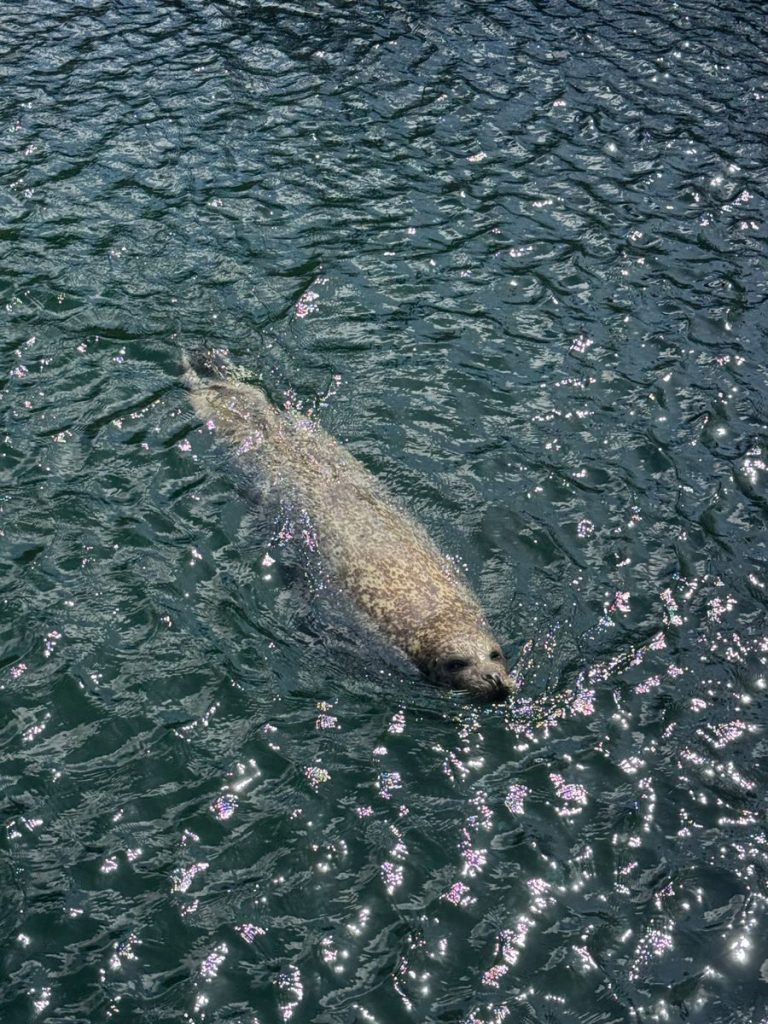
Scientists have found that many seal attacks happen shortly after sunrise. At that time, the low light makes it harder for seals to spot a shark rising from below. This gives the predator a better chance of staying hidden until the last second.
If the first strike misses, the seal often escapes by making quick turns and fast swims. The longer the chase continues, the lower the shark’s chance of making a successful catch because seals are more agile in open water.
Why this research is important

Learning how great white sharks hunt helps scientists better understand the balance of ocean ecosystems. Sharks play a key role by keeping marine animal populations healthy, making them an important part of the food web.
The research also helps improve shark conservation. Great white sharks are considered vulnerable worldwide, so understanding their behavior can support better protection while helping people reduce unwanted encounters with these powerful animals.
Leave a Reply