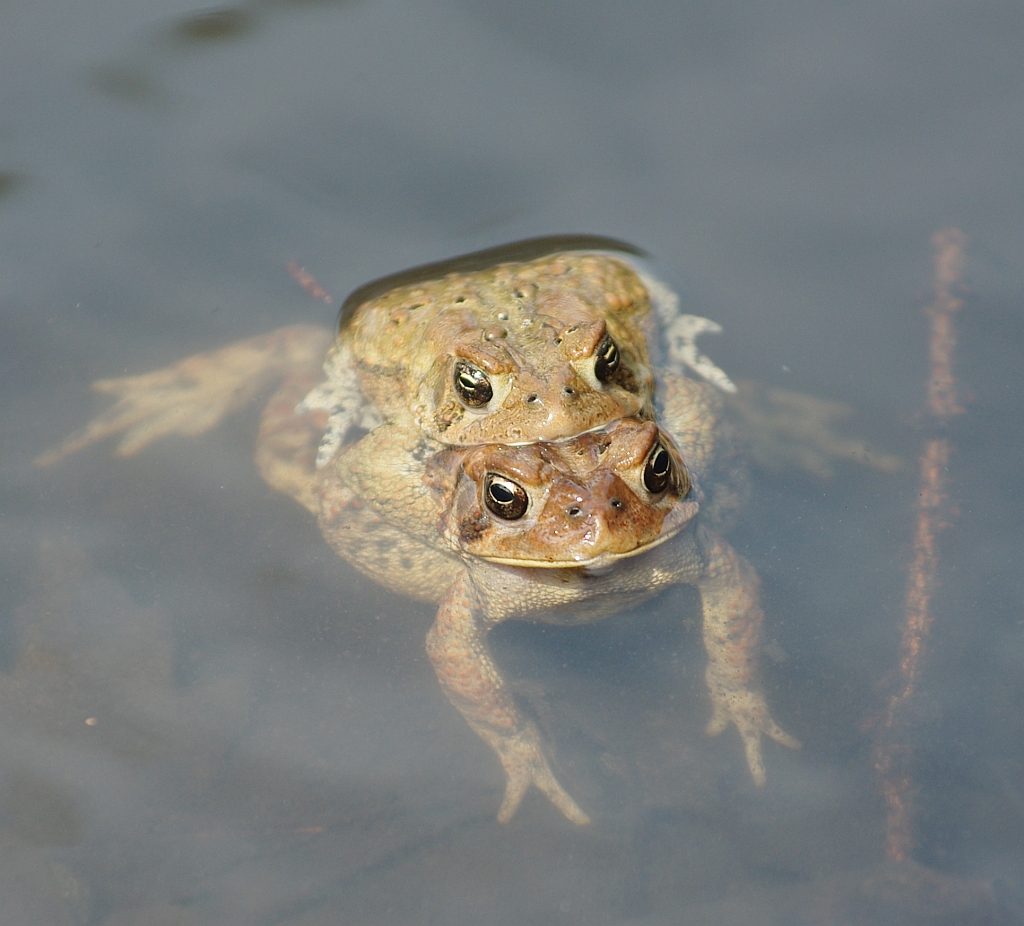
A rare toad discovery in Canada is giving scientists a new mystery to solve. The unusual amphibian was found in Ontario with an extremely rare genetic mutation that caused it to develop four eyes instead of the usual two. Researchers have confirmed the animal is real, not a fake or edited image, but they still do not know what caused the condition.
Discoveries like this can help scientists learn more about how amphibians grow, how healthy their habitats are, and what environmental changes may affect wildlife. Here’s what experts know so far and why this unusual toad matters.
The rare discovery surprised researchers

The unusual toad was photographed in Ontario, Canada, where it caught the attention of wildlife experts because of its four visible eyes. Scientists later examined the case and confirmed that the animal had a real developmental mutation rather than an injury or camera trick.
Cases like this are extremely uncommon in wild amphibians. While frogs and toads can sometimes be born with physical differences, a four-eyed mutation is exceptionally rare. Because of that, researchers see this animal as an important chance to study how such changes happen during early development.
Scientists are still searching for answers

Researchers have not identified the exact reason why the mutation happened. It may have occurred naturally while the toad was developing as an embryo, but there is currently no evidence proving a specific cause.
Scientists also caution against blaming pollution, chemicals, or other environmental factors without solid proof. Many genetic mutations happen naturally in wildlife, and a single animal cannot be used to draw broad conclusions about the health of an ecosystem. More research is needed before experts can explain what happened.
Why amphibians are important indicators
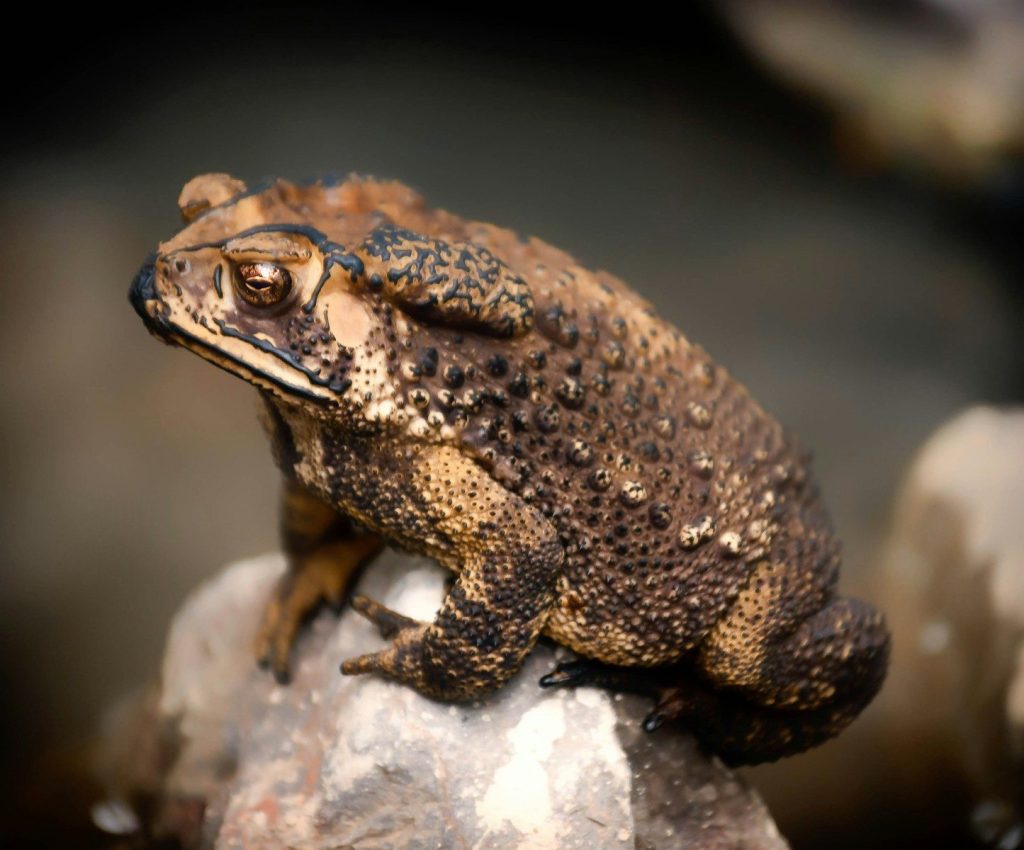
Toads and frogs are often called indicator species because they are very sensitive to changes in their environment. Their thin skin absorbs water and chemicals easily, making them among the first animals to show signs of habitat problems.
When scientists study unusual amphibians, they also learn more about wetlands, forests, and freshwater ecosystems. Healthy amphibian populations usually suggest healthy habitats, while declining populations may point to larger environmental concerns that deserve closer attention.
Rare mutations help advance science

Although unusual mutations may look strange, they can provide valuable scientific information. Researchers study these rare cases to better understand genetics, embryo development, and how different body parts form before an animal is born.
Every documented case adds to scientific records. By comparing similar discoveries over time, experts may find patterns that improve their understanding of amphibian biology and help protect vulnerable species in the future.
Canada is home to many native toads
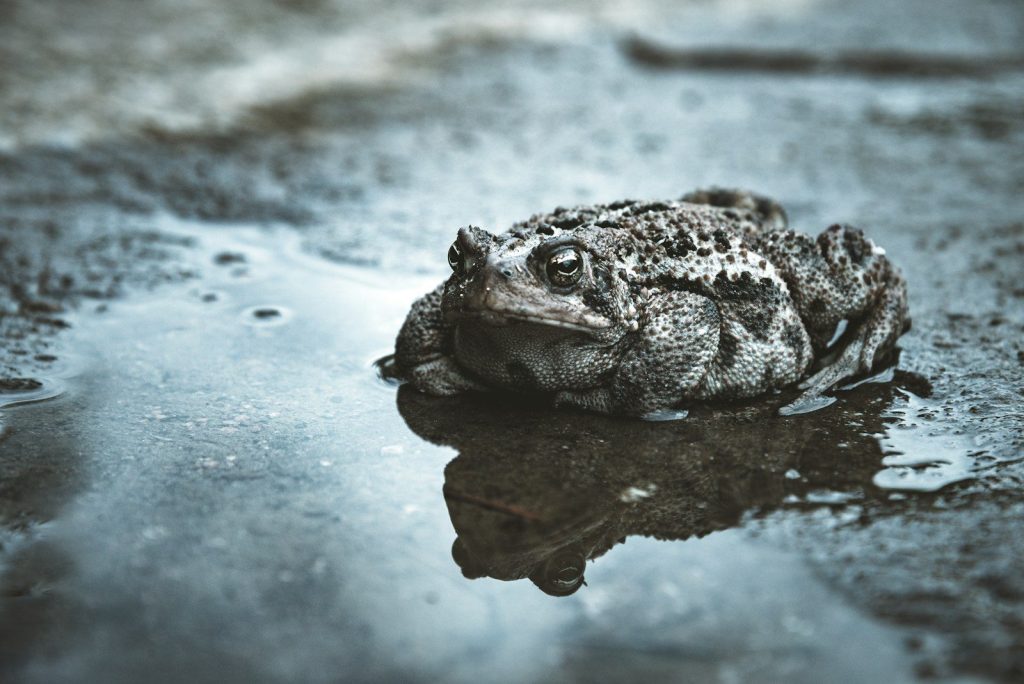
Canada has several native toad species that live in forests, wetlands, grasslands, and other natural habitats. These animals play an important role by eating insects and serving as food for larger wildlife.
Many amphibian populations face growing challenges from habitat loss, climate change, disease, and invasive species. Because of these threats, scientists regularly monitor wild populations to better understand how amphibians are changing over time and what conservation steps may be needed.
What happens next for the unusual toad
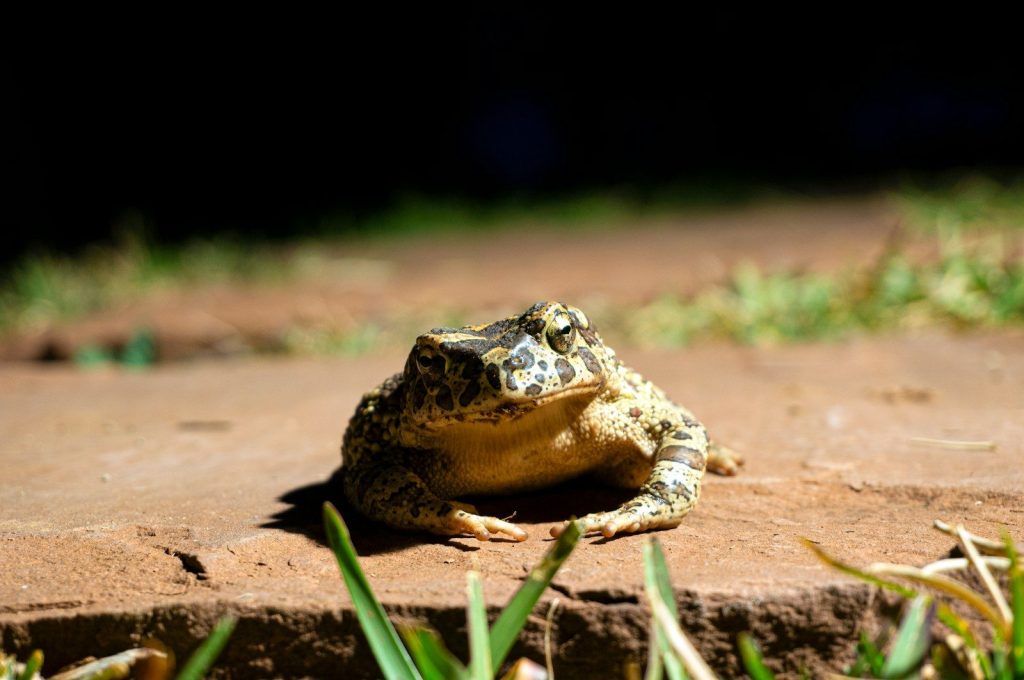
Researchers hope additional study will reveal more about the mutation, but they may never know exactly why it occurred. Rare genetic events can happen without leaving clear evidence, making some questions difficult to answer with certainty.
Even so, the discovery reminds scientists that nature still holds many surprises. Every unusual finding helps improve scientific knowledge, encourages further research, and highlights the importance of protecting the habitats where wildlife continues to thrive.
Leave a Reply