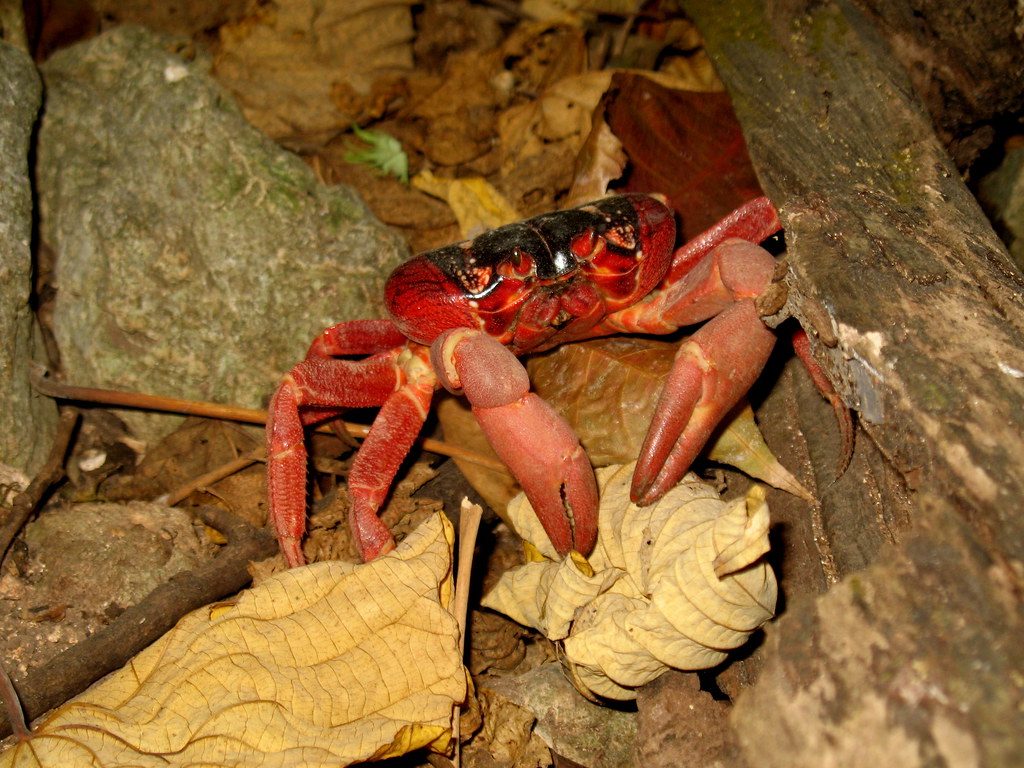
Have you ever wondered what it would be like to visit a place where crabs seem to be everywhere? On Australia’s Christmas Island, that is a real experience. Every year, millions of bright red land crabs cover roads, forests, beaches, and even yards during one of the world’s most amazing wildlife events.
This island is also home to the giant coconut crab, making it one of the most unusual places on Earth. In this article, you’ll learn why so many crabs live here, how they survive, why they migrate, and how people work to protect this incredible natural wonder.
Why Christmas Island is full of crabs
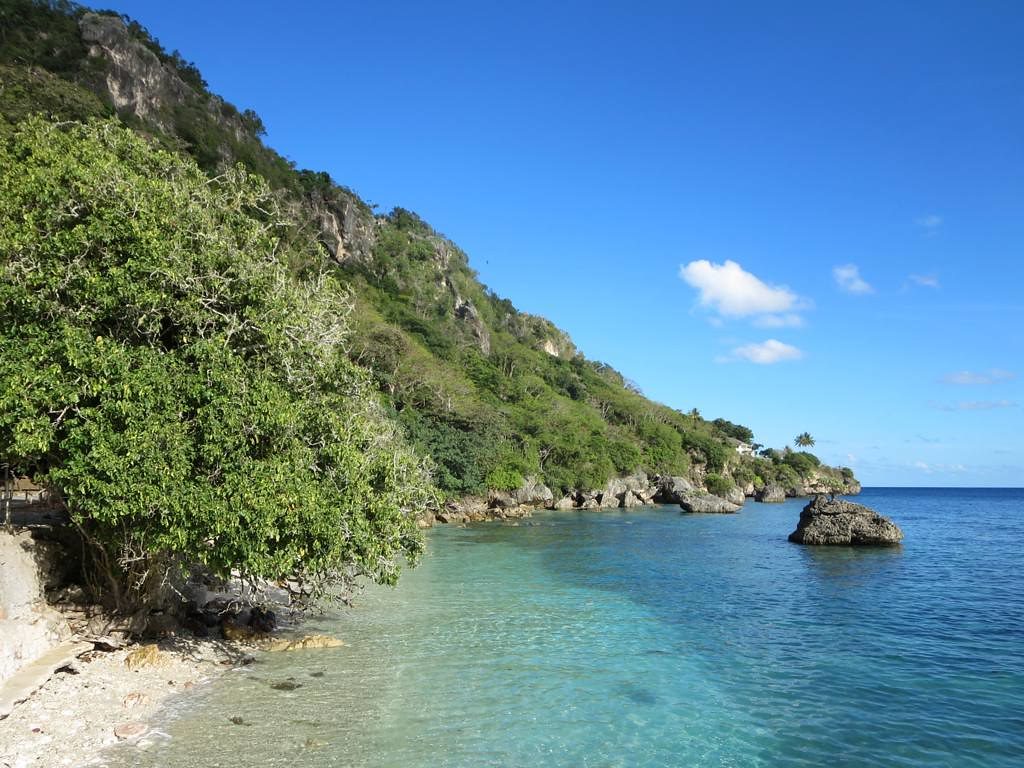
Christmas Island is a small Australian territory in the Indian Ocean. Its tropical rainforest, warm weather, and limited number of land predators make it the perfect home for red crabs. Scientists estimate that well over 100 million red crabs live across the island, making them the most common large land animal there.
The island is also famous for the giant coconut crab, the world’s largest land-living arthropod. These powerful crabs can climb trees, crack open coconuts with their strong claws, and live for many decades. While they are much less common than red crabs, they share the island’s forests.
The famous red crab migration
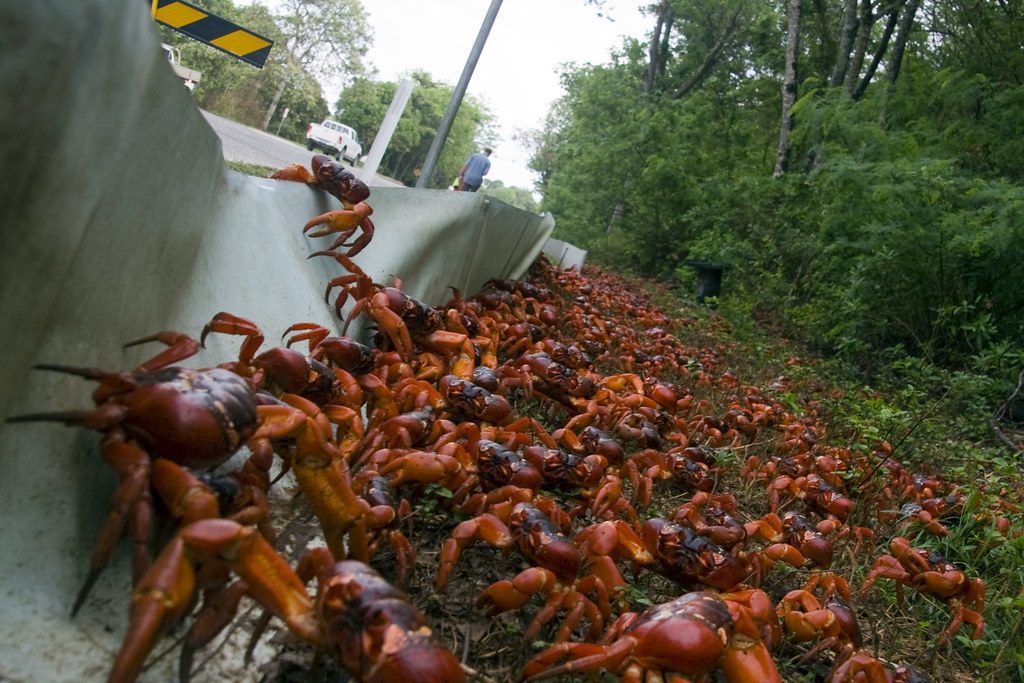
The island becomes most famous during the annual red crab migration. After the first heavy rains of the wet season, millions of crabs leave the forest and travel to the ocean to breed. The exact timing depends on rainfall, tides, and the moon, making every migration slightly different.
Male crabs usually arrive at the coast first and dig burrows. Females later join them, mate, and carry thousands of eggs before releasing them into the sea during the correct tidal conditions. Only a tiny number of baby crabs survive the dangerous journey back to land.
How people live alongside the crabs
Life on Christmas Island changes during migration season. Roads may close for several hours or even days so the crabs can cross safely. Drivers slow down, and many people avoid certain routes until the migration ends.
The island has built special crab bridges, fences, and tunnels that guide the animals across busy roads. Park workers and residents also help by carefully moving crabs away from danger. These efforts have greatly reduced the number of crabs killed by traffic.
Why the crabs matter to the forest
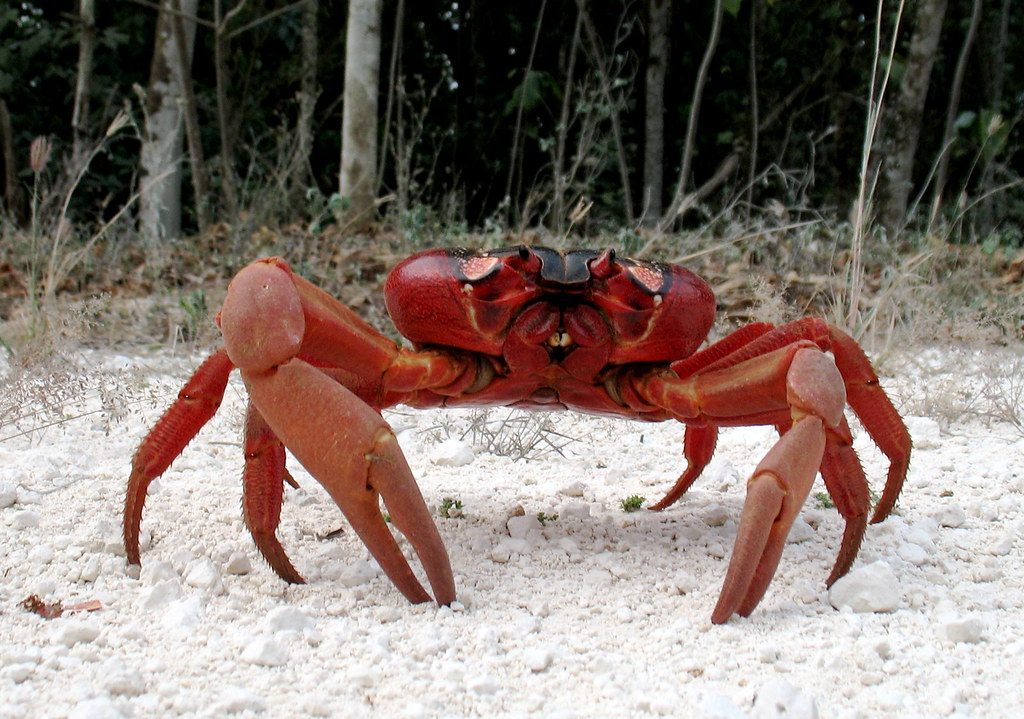
Red crabs do much more than create a colorful sight. They help keep the rainforest healthy by eating fallen leaves, fruit, flowers, and dead plants. As they feed, they recycle nutrients back into the soil, helping trees and other plants grow.
The crabs also control the amount of leaf litter on the forest floor. Without them, the island’s rainforest would look very different. Scientists consider them a key species because so many other parts of the ecosystem depend on their daily activities.
Challenges the crabs still face
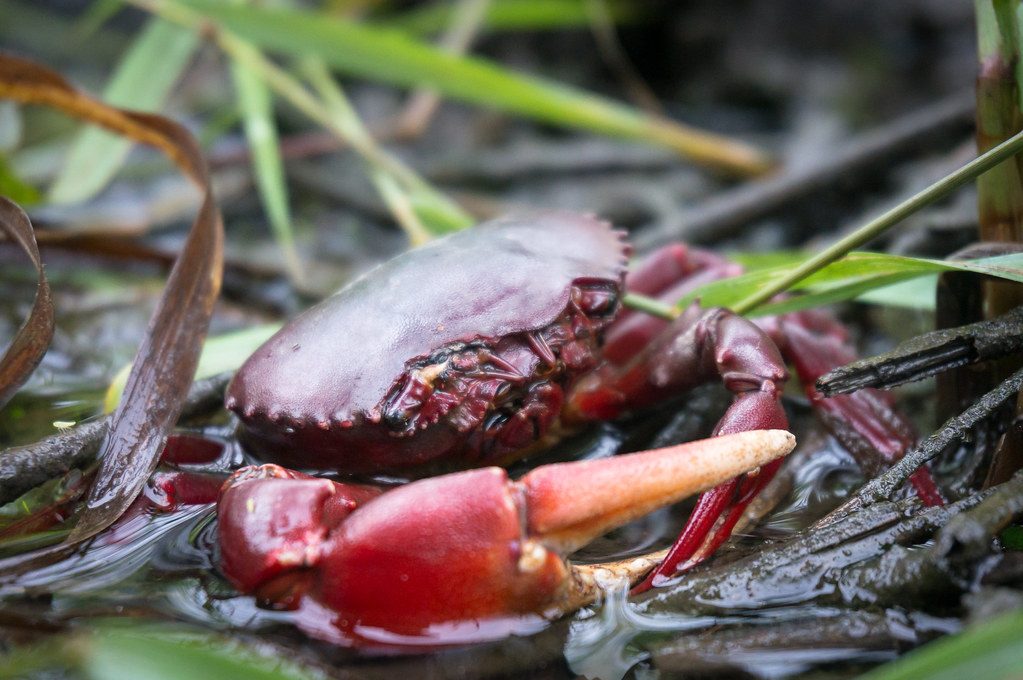
Although millions of crabs still live on Christmas Island, they face serious threats. One of the biggest problems comes from invasive yellow crazy ants. These ants attack red crabs, and past outbreaks killed millions of them across the island.
Conservation teams continue to control the ant population while protecting crab habitat. Road crossings, careful wildlife management, and ongoing monitoring have helped crab numbers recover in many areas, but scientists continue to watch the population closely.
Visiting this one-of-a-kind island
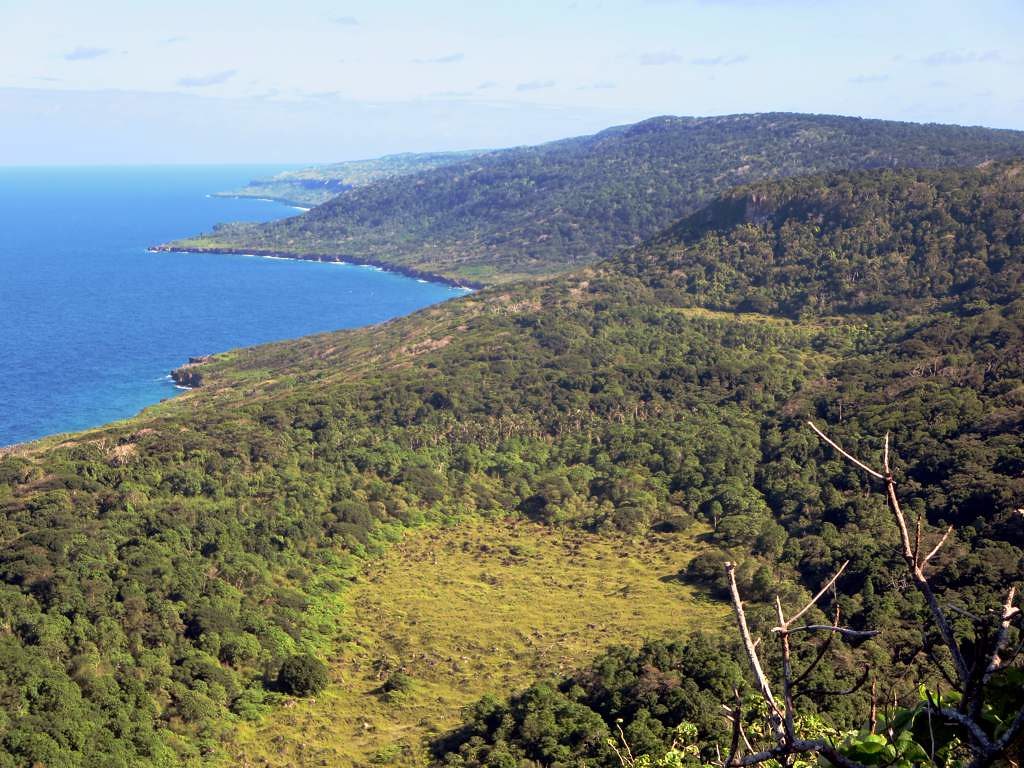
Visitors often plan trips during migration season to see the island turn into a moving sea of red. Walking trails, viewing areas, and crab bridges provide safe places to watch the migration without disturbing the animals.
Outside migration season, travelers can still spot red crabs throughout the rainforest and may even see the giant coconut crab at night. Together, these remarkable animals make Christmas Island one of the world’s most unforgettable wildlife destinations.
Leave a Reply