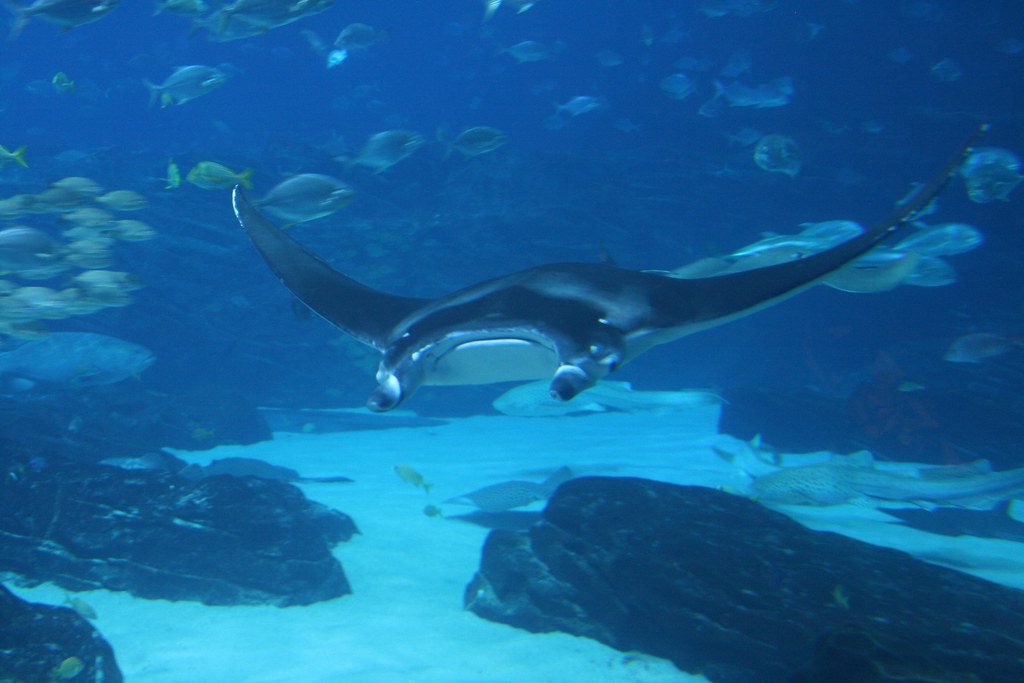
Giant manta rays have amazed people for years, but scientists have now made a discovery that changes what we know about these gentle ocean giants. For a long time, researchers believed there were only two living manta ray species. Careful studies using DNA, body markings, and physical features have revealed that a third manta species lives in the Atlantic Ocean.
This exciting finding helps scientists better understand how giant manta rays evolved, where they live, and how to protect them. In this article, you’ll learn what was discovered, why it matters, and how it could improve conservation for these incredible animals.
Scientists found a hidden manta species

For many years, manta rays in the Atlantic Ocean were grouped with the giant oceanic manta ray because they looked almost identical. Scientists noticed small differences in their color patterns and body shape, but they needed stronger proof before calling them a separate species.
That proof came through DNA testing and detailed comparisons of many manta rays collected over several years. The research confirmed that the Atlantic manta ray, Mobula yarae, is a separate species. This makes it the third recognized manta ray species, joining the giant oceanic manta ray (Mobula birostris) and the reef manta ray (Mobula alfredi).
Why this discovery is so important
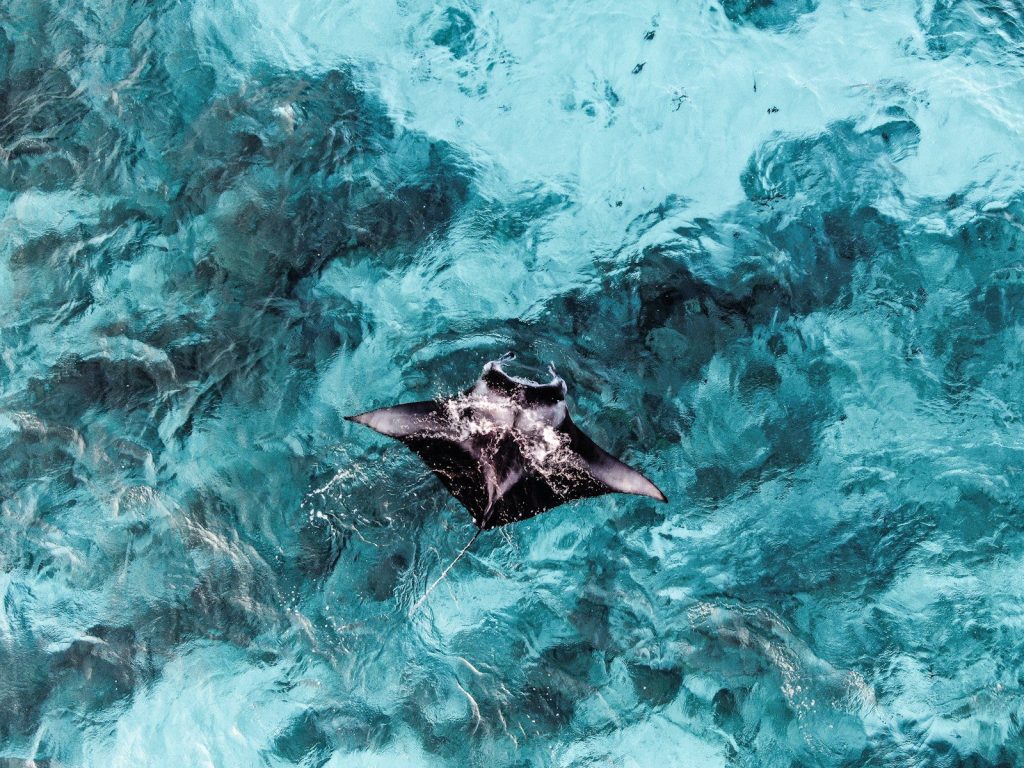
The discovery shows that the ocean still holds many secrets, even when it comes to some of its biggest animals. Scientists call animals like these “cryptic species” because they look almost the same but are genetically different.
Knowing that Atlantic manta rays are their own species helps researchers study their behavior, migration, breeding, and population more accurately. It also prevents scientists from mixing information from different species, which can lead to incorrect conservation plans.
How researchers solved the mystery

The breakthrough did not happen overnight. Scientists spent more than 15 years studying thousands of photographs, measuring body features, and collecting genetic samples from manta rays across the Atlantic.
A stranded manta ray found in Florida became an important part of the research because it allowed scientists to study its DNA in detail. When they compared its genetic material with other manta rays, they confirmed it belonged to a different species. This combined approach of field observations and genetics finally solved the mystery.
What makes giant manta rays so amazing
Giant manta rays are the largest rays on Earth, with wingspans that can reach about 26 feet. Even with their enormous size, they are harmless filter feeders that swim with their mouths open to collect tiny plankton and small fish from the water.
These graceful animals are also long-lived and slow to reproduce. Females usually give birth to just one pup every two to three years. Because they have so few young, their populations recover very slowly if their numbers decline.
What this means for conservation
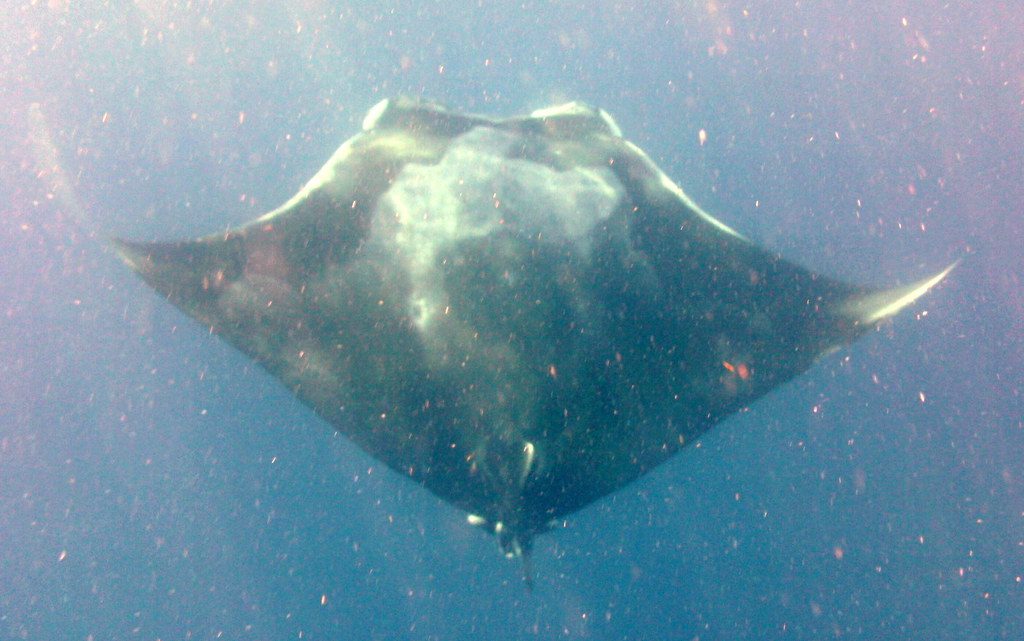
Recognizing the Atlantic manta ray as a separate species gives conservation groups a clearer picture of its population and habitat. Scientists now believe this species may have a more limited range than previously thought, making it more vulnerable to threats.
Fishing gear, accidental capture, habitat changes, and ocean pollution continue to threaten manta rays around the world. Understanding exactly which species live in different regions allows governments and conservation groups to create better protection plans for each one.
What scientists hope to learn next

Researchers are now working to map the full range of the Atlantic manta ray and estimate how many remain in the wild. They also want to understand how it migrates, where it breeds, and how climate change may affect its survival.
This discovery is a reminder that even large, well-known animals can still surprise science. As new technology improves, researchers expect to uncover even more hidden diversity in the world’s oceans, leading to stronger conservation efforts for marine life.
Leave a Reply