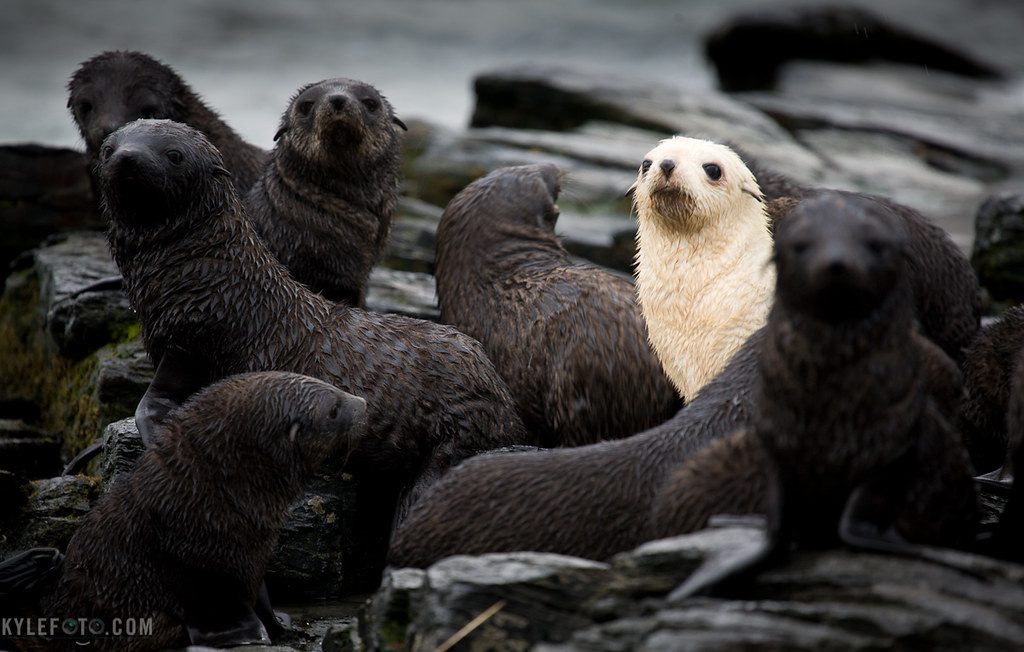
What began as a single wildlife rescue quickly turned into an unforgettable mission. Rescuers freed one entangled seal, only to discover another nearby. Then another. By the end of the day, seven seals had been saved from plastic, rope, and discarded fishing gear that threatened their lives.
Each animal faced a different struggle, from deep wounds to tight entanglements that would have become worse over time. This article explains how the rescue unfolded, why marine debris is so dangerous for seals, and what these emotional rescues reveal about the growing impact of ocean pollution.
One rescue quickly became seven
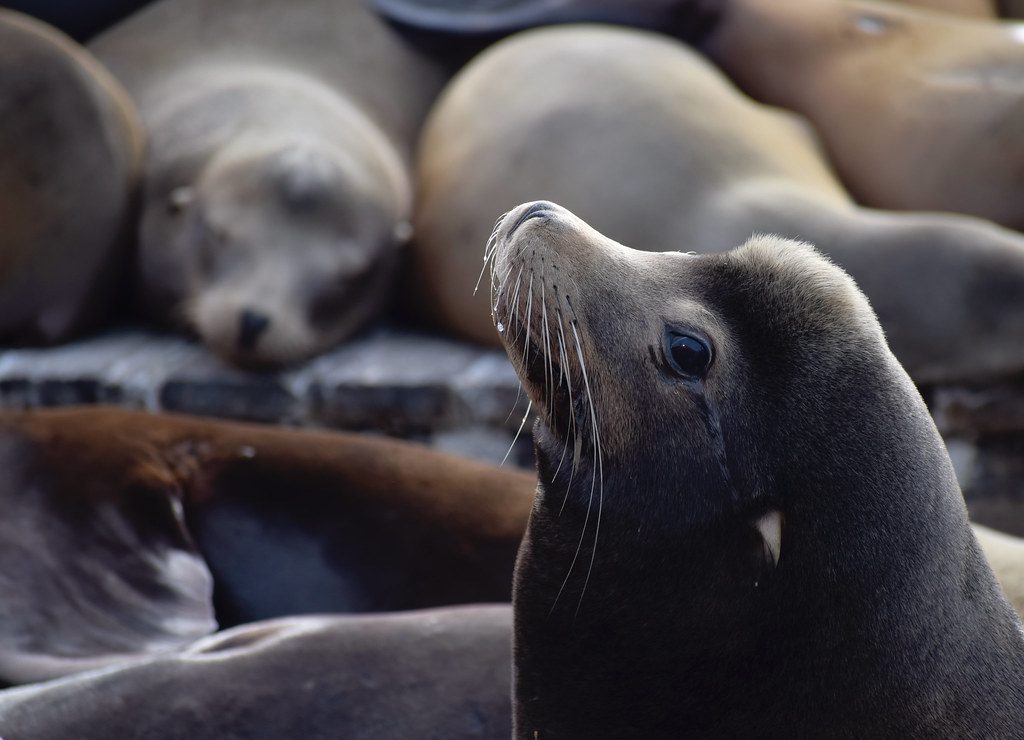
The rescue team expected to help a single entangled seal. Instead, they repeatedly found more animals struggling with different kinds of plastic waste and abandoned fishing gear. Every successful rescue led to another seal needing immediate help.
By the end of the mission, seven seals had been freed. The rescue highlighted how widespread marine debris had become within the colony and how many animals were affected simultaneously.
Every seal faced a different struggle
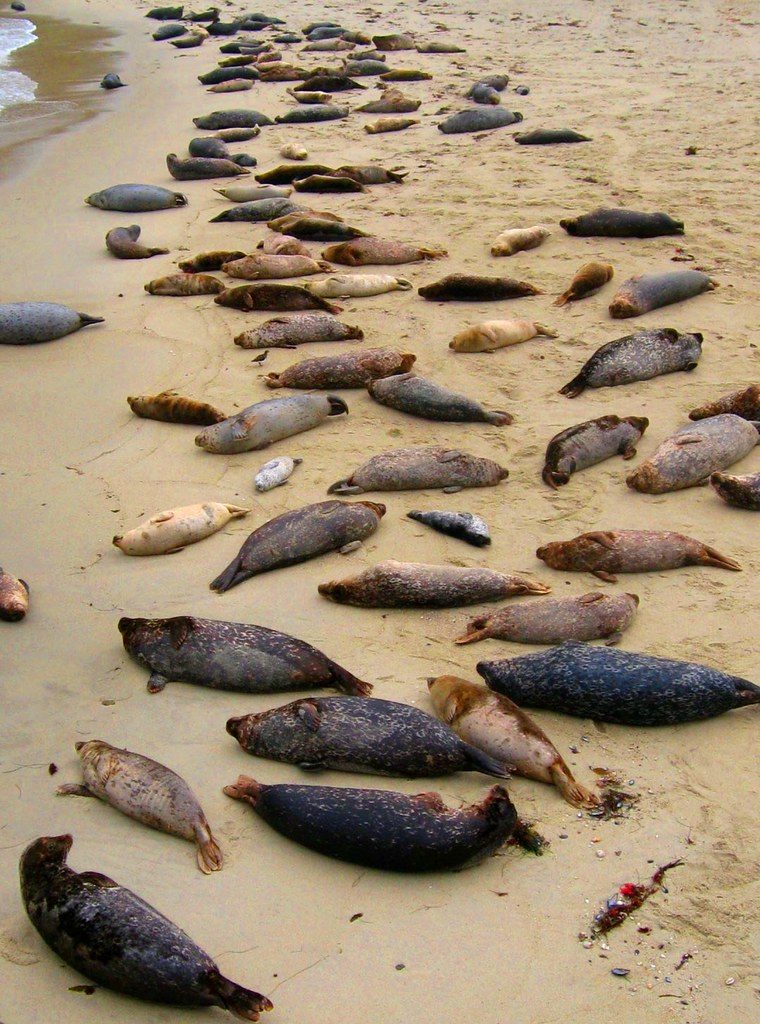
Some seals had fishing line tightly wrapped around their necks, while others were trapped by heavy rope or plastic debris. Each type of entanglement caused a different injury, but each threatened the animal’s ability to survive.
Several seals already showed deep wounds where the material had cut into their skin. As seals continue to grow, these objects become even tighter, increasing pain and the risk of infection or starvation if they are not removed.
Why discarded fishing gear is so dangerous
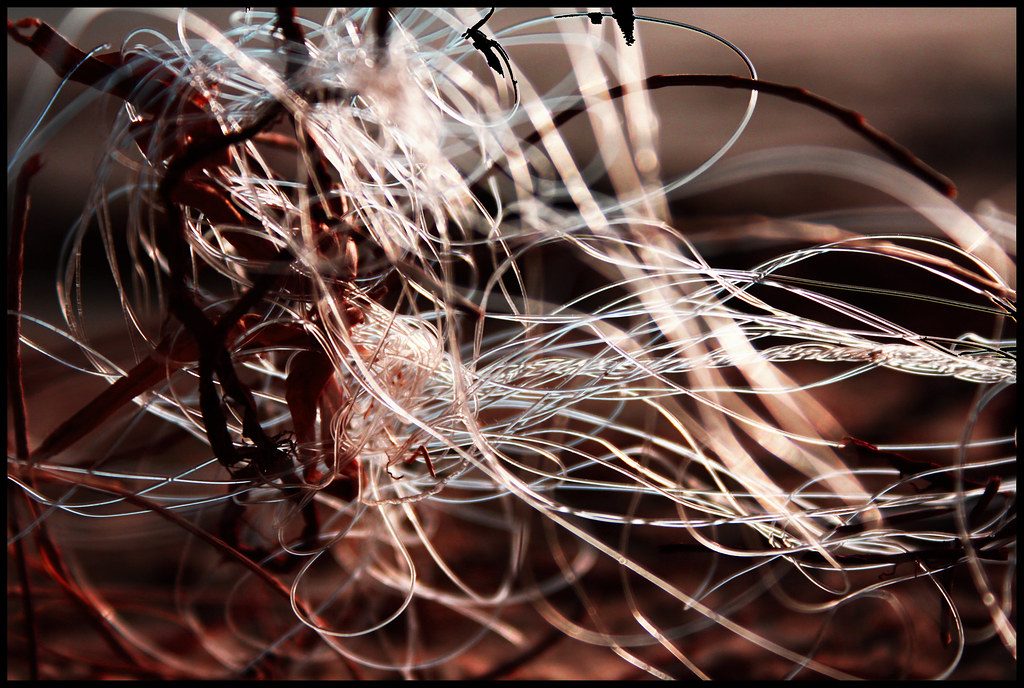
Lost fishing gear, rope, and plastic waste remain in the ocean for years. Curious seals often investigate floating objects and can accidentally become trapped while swimming or playing.
Once entangled, the debris rarely falls away on its own. Instead, it tightens as the animal grows, making it harder to swim, hunt, and escape predators. Without rescue, many entangled seals eventually die from their injuries.
Rescue requires speed and experience
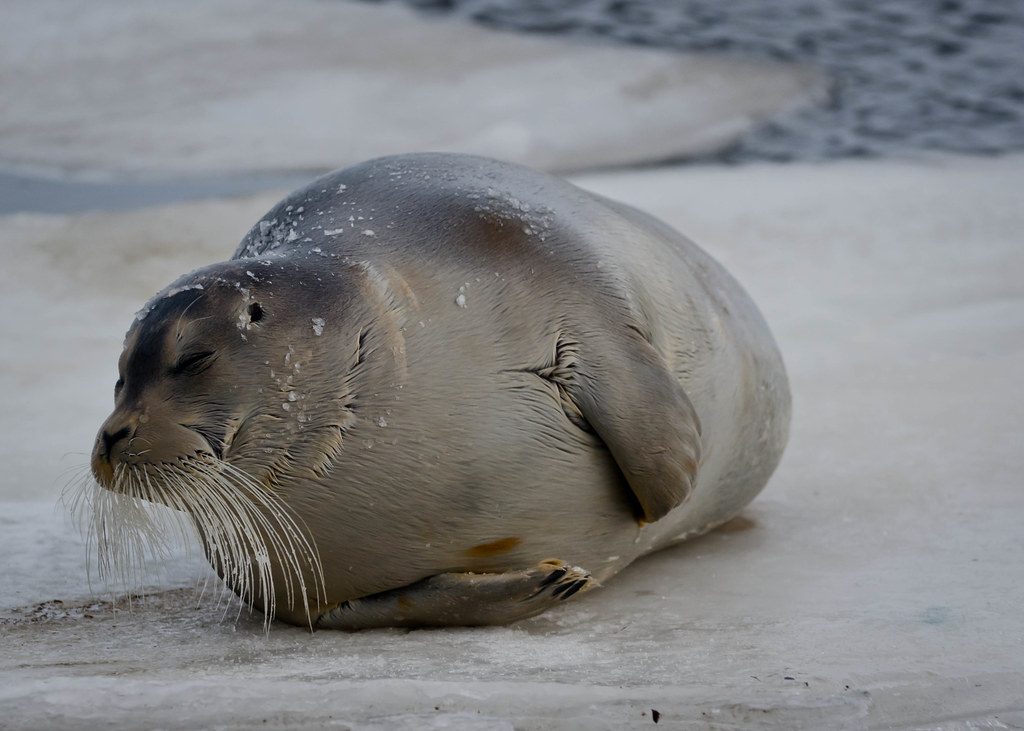
Freeing an entangled seal is not easy. Wildlife rescuers must safely approach fast-moving animals, remove the debris quickly, and release them with as little stress as possible.
Every rescue depends on teamwork, careful planning, and years of experience. Acting quickly gives injured seals the best chance to recover before their wounds become life-threatening.
Ocean pollution affects entire colonies
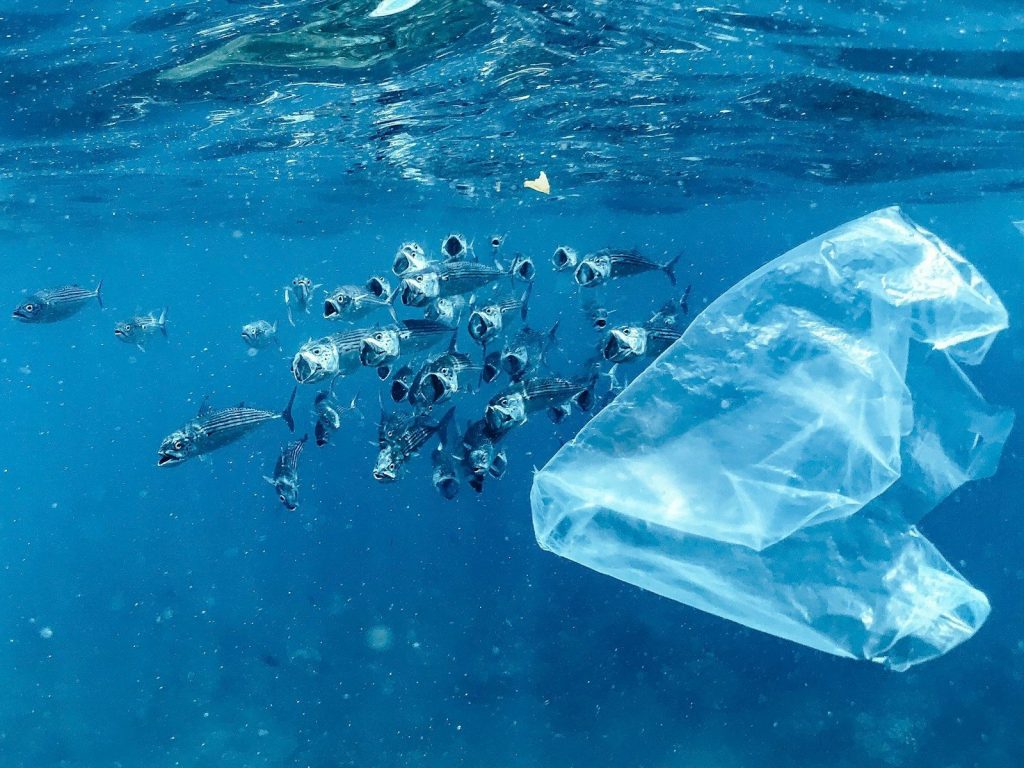
Finding seven entangled seals during one mission showed that the problem extends far beyond individual animals. Large seal colonies can become hotspots for discarded fishing gear and plastic waste carried by ocean currents.
Each rescued seal represented many others that may still need help. Conservation groups continue to monitor these colonies because new entanglements occur regularly as more debris reaches the shoreline.
Every rescue offers hope
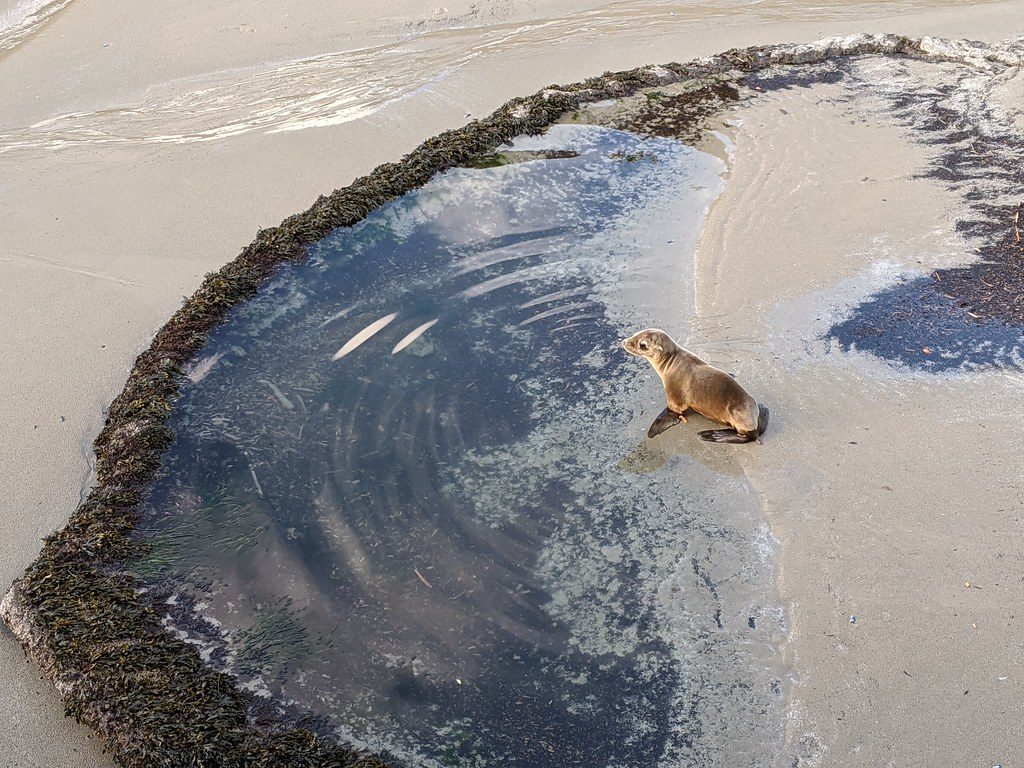
Although the mission began with heartbreaking discoveries, it ended by giving seven seals another chance to survive. Removing the dangerous debris immediately relieved the pressure that had been causing pain and restricting movement.
The rescue also serves as a powerful reminder that preventing plastic pollution is just as important as rescuing injured wildlife. Every piece of fishing gear properly disposed of is one less deadly trap waiting in the ocean.
Leave a Reply