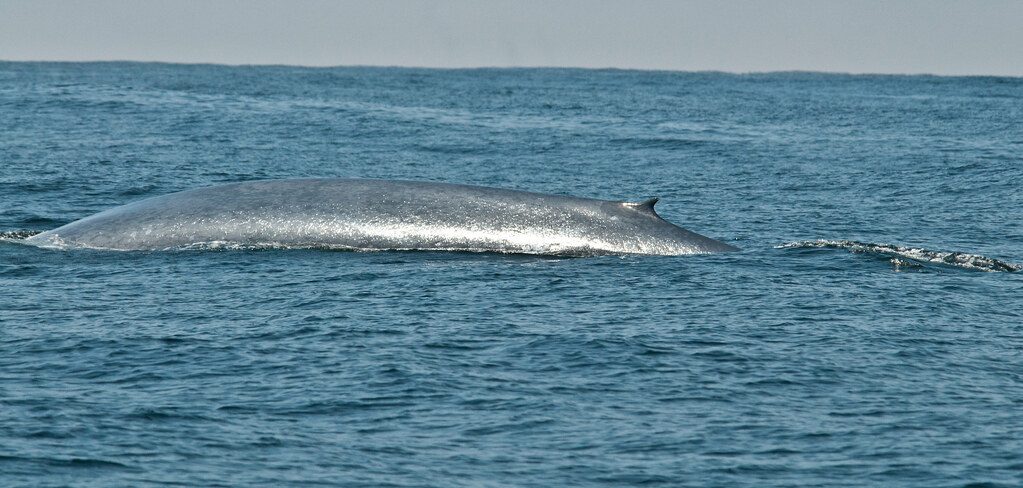
The blue whale is the largest animal ever known to have lived on Earth. Its enormous body is an extraordinary evolutionary achievement, but that size also creates hidden biological challenges. Every day, the whale must move an immense body, circulate blood through massive organs, and find enough food to sustain itself.
Scientists are still studying how these giants continue functioning so efficiently without exceeding their physical limits. This article explores the hidden risks of being Earth’s largest animal and why the blue whale remains one of biology’s greatest mysteries.
A body unlike any other
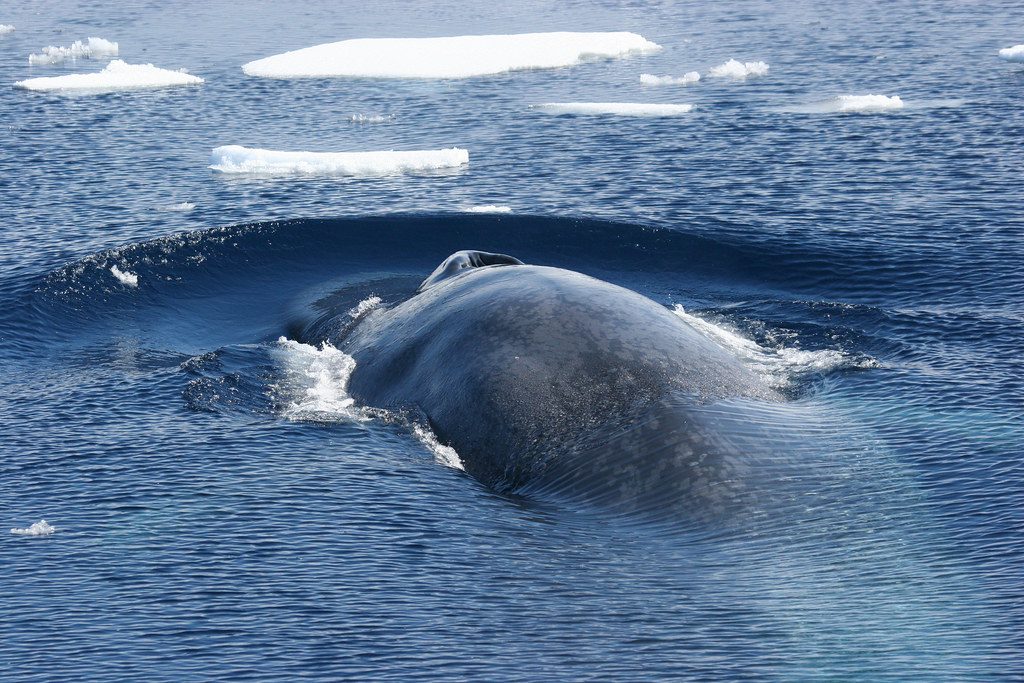
Blue whales can grow to more than 100 feet long and weigh well over 150 tons, making them larger than any dinosaur known with certainty. Their tongue alone can weigh as much as an elephant, while their heart is about the size of a small car.
Such incredible size requires every organ to perform on an extraordinary scale. From the lungs to the circulatory system, nearly every part of the whale’s body has evolved to support an animal unlike anything else alive today.
Feeding pushes the body to its limits
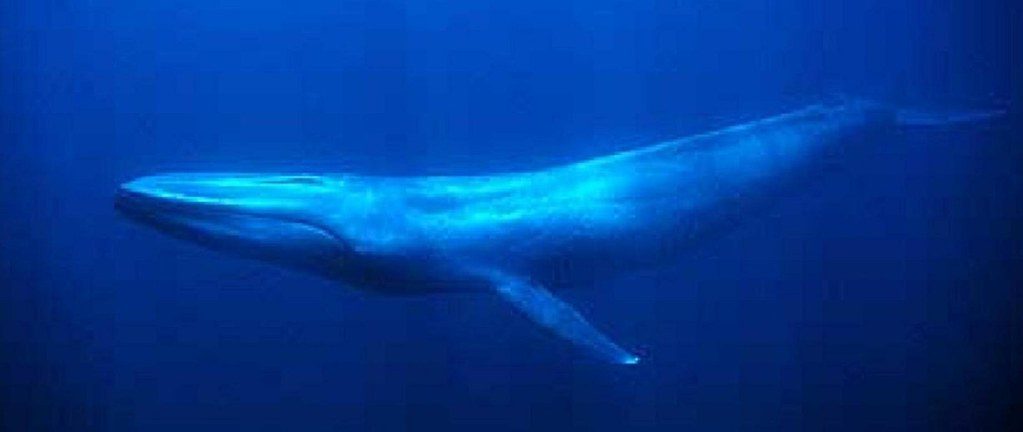
Despite their enormous size, blue whales feed mainly on tiny shrimp-like animals called krill. During feeding season, a single whale may consume several tons of krill in one day to meet its energy needs.
Each feeding dive requires the whale to open its mouth wide, expand its throat folds, and engulf huge amounts of water before filtering out the krill. This process demands tremendous energy and places great stress on the body’s muscles and circulation.
The heart carries an enormous workload
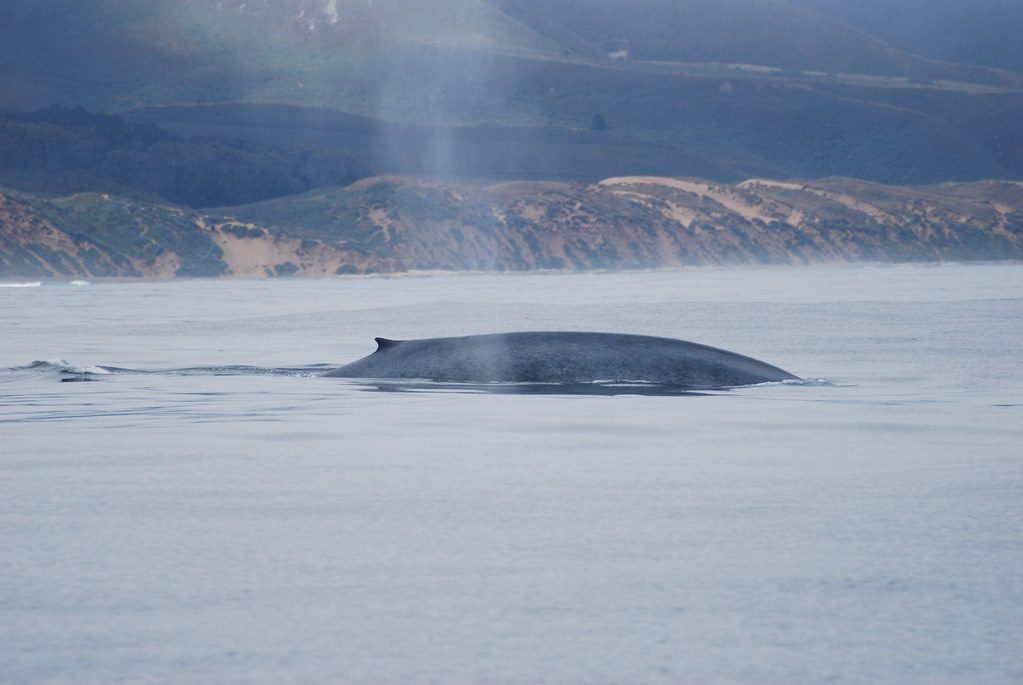
Moving blood through such a massive body is one of the blue whale’s greatest biological challenges. Its heart must pump oxygen to muscles spread across an animal that can be longer than a basketball court.
Researchers continue studying how the whale’s cardiovascular system performs during deep dives and intense feeding. Understanding these limits may help explain why blue whales have reached a size that few other animals could ever achieve.
Bigger is not always better
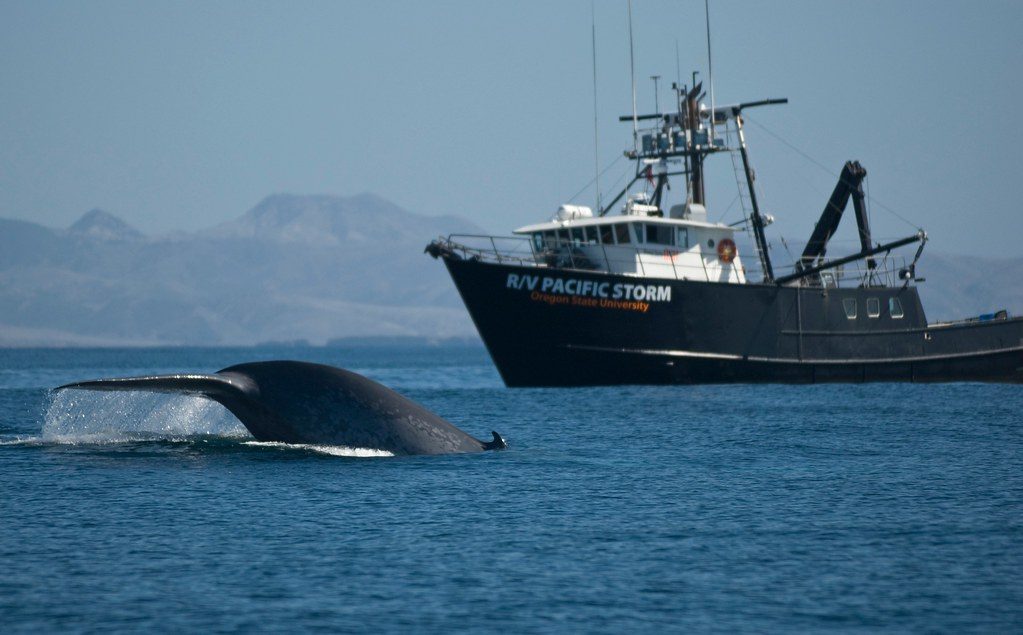
Growing larger provides important advantages, including protection from most predators and the ability to travel long distances efficiently. However, larger bodies also require more food, more oxygen, and more energy to stay alive.
Scientists believe these growing demands eventually create biological limits that prevent animals from becoming much larger. The blue whale appears to live remarkably close to those natural boundaries.
Evolution found remarkable solutions
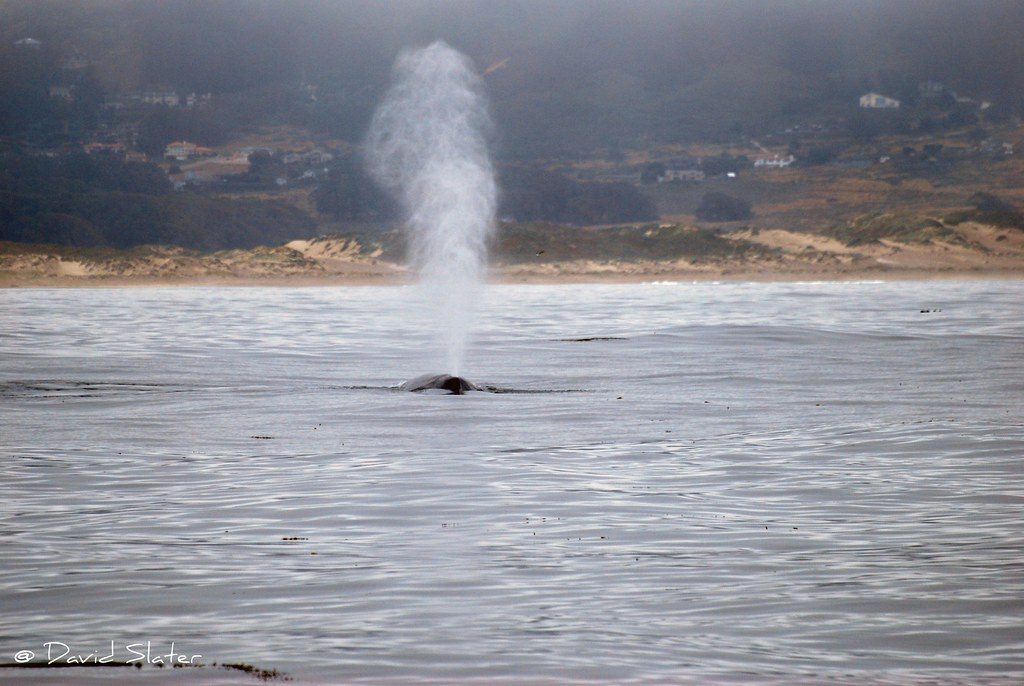
Over millions of years, blue whales evolved specialized features that allow them to support their extraordinary size. Efficient swimming, massive lungs, flexible throat grooves, and highly adapted feeding behavior all help them survive.
Even with these adaptations, researchers continue asking how evolution produced an animal that operates so close to the edge of biological possibility. Many questions about the whale’s physiology remain unanswered.
The mystery is still unfolding
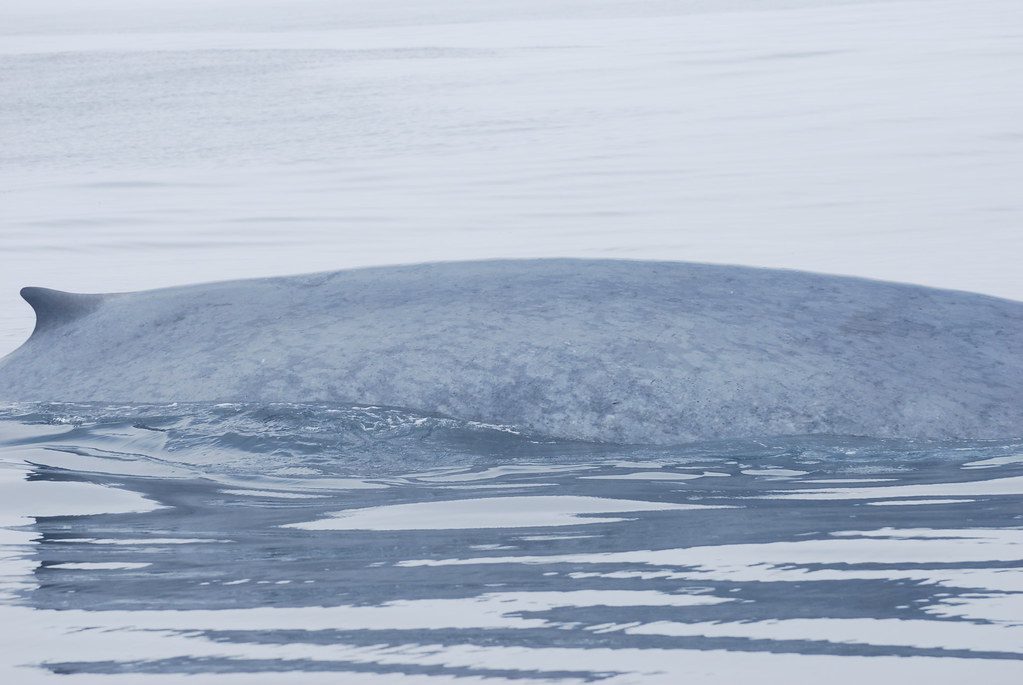
Scientists continue learning new details about how blue whales dive, feed, migrate, and manage the enormous demands placed on their bodies. Every new study reveals another piece of this biological puzzle.
The blue whale reminds us that evolution can produce extraordinary solutions to extreme challenges. Even after decades of research, the largest animal ever known still holds many secrets beneath the ocean’s surface.
Leave a Reply