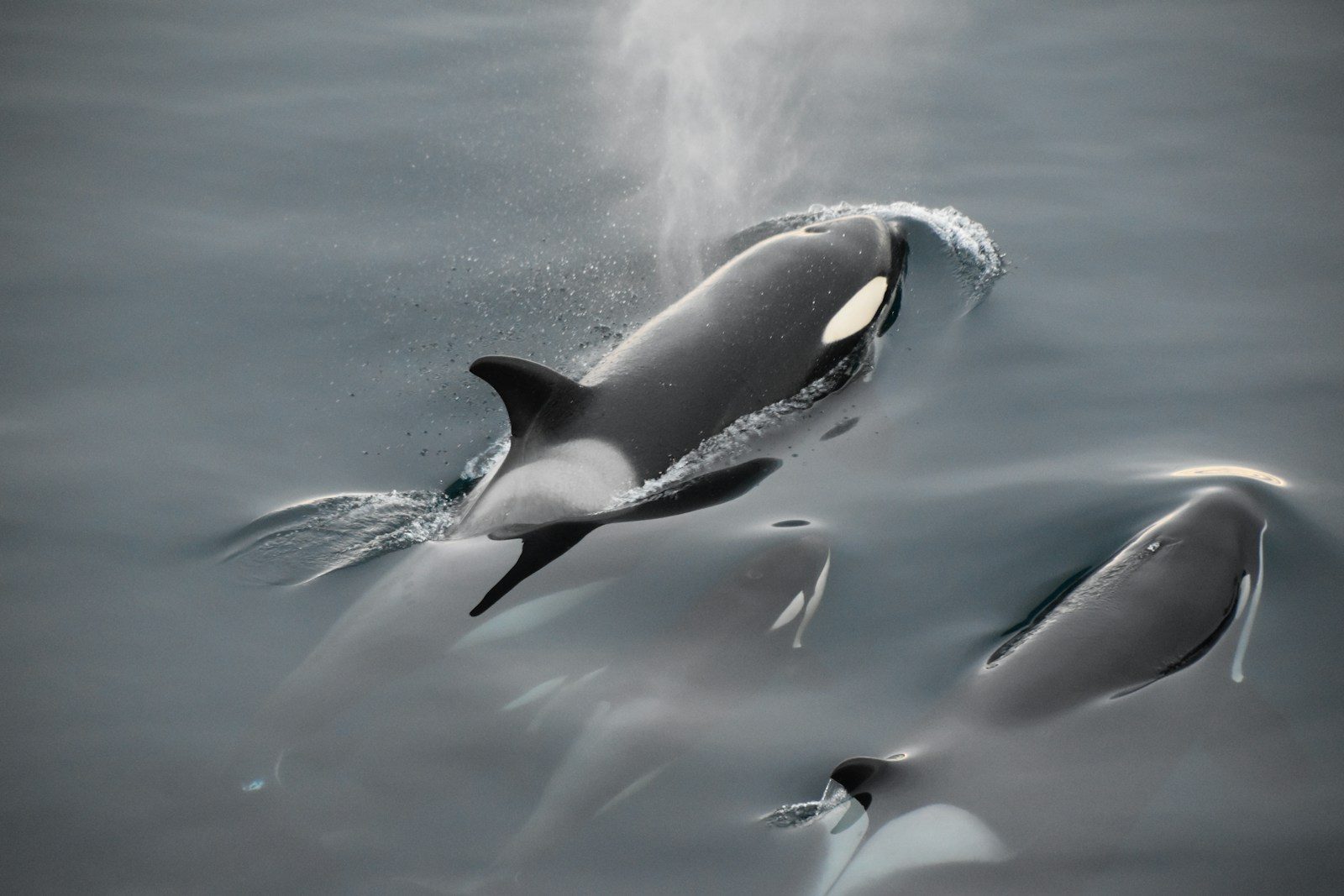
Killer whales are among the ocean’s most powerful and intelligent predators. Although a single orca is formidable, their greatest strength comes from working together as a team. In some hunts, a small pod can overpower whales much larger than themselves by using carefully coordinated movements instead of brute force alone.
Scientists have spent decades studying these remarkable hunting strategies, yet many of their behaviors continue to surprise researchers. This article explains how killer whales cooperate during hunts, why teamwork makes them such effective predators, and what these encounters reveal about one of the ocean’s smartest animals.
Killer whales hunt as a team
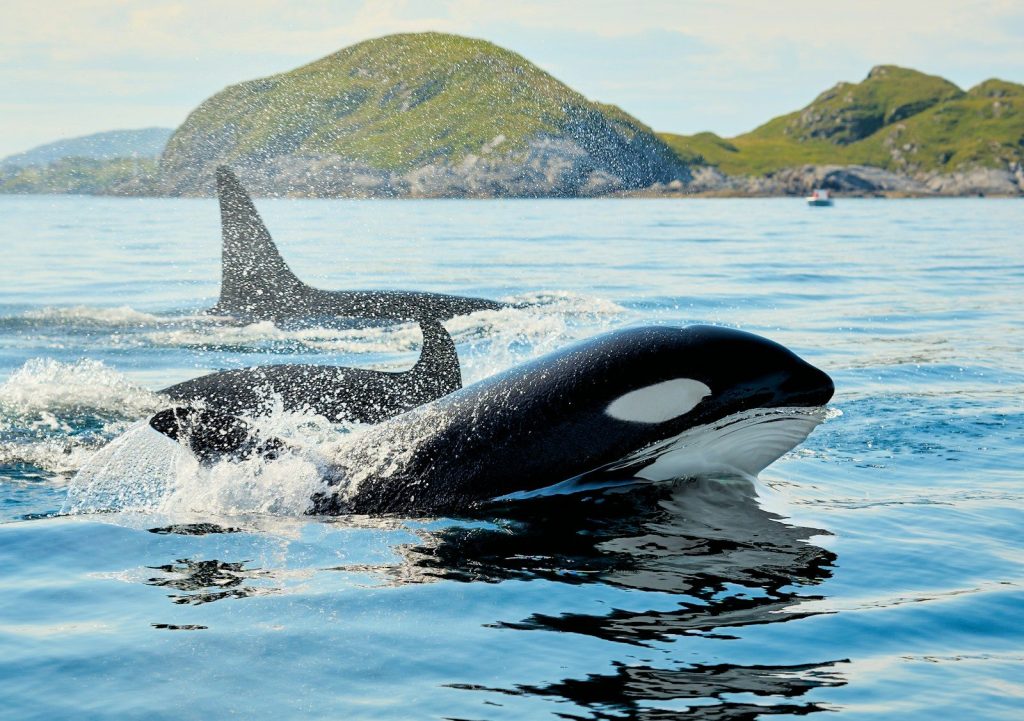
Unlike many predators that hunt alone, killer whales usually work together in family groups called pods. These groups communicate constantly and coordinate their movements as they search for prey.
Each pod may develop its own hunting traditions, passed from one generation to the next. Young orcas learn by watching experienced adults, allowing complex hunting techniques to be passed down within the family.
Large whales can become targets
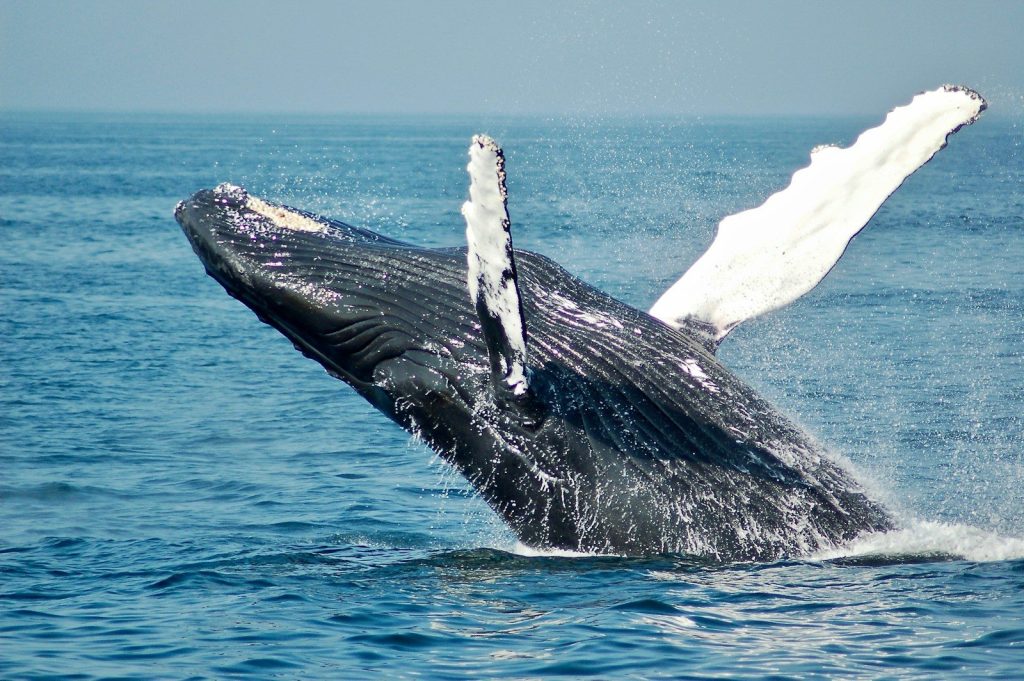
Some killer whale populations hunt marine mammals, including seals, dolphins, and even large whales. Depending on the prey, several orcas may work together to chase, isolate, and exhaust an animal before making their final attack.
Researchers have documented orcas attacking species such as gray, humpback, and minke whales, and even blue whales. These hunts require careful coordination because the prey is often much larger than any individual orca.
Strategy is their greatest advantage
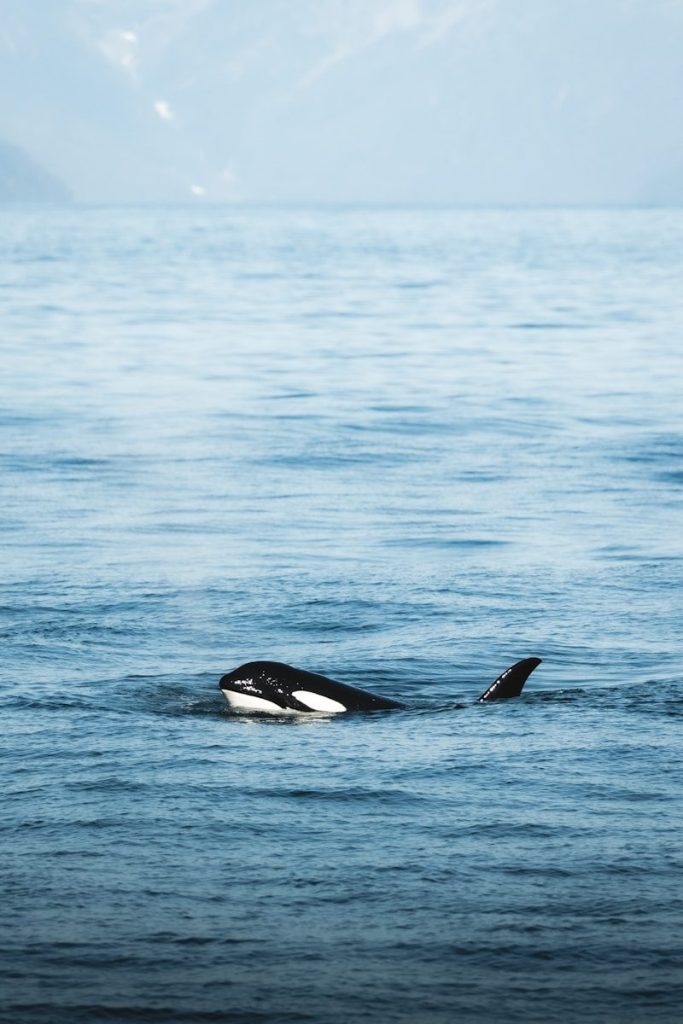
Rather than relying only on strength, killer whales use strategy throughout a hunt. They may surround their target, separate it from companions, and take turns attacking while conserving energy.
This teamwork gradually weakens the prey over time. Every pod member plays a role, allowing the group to succeed against animals that would be impossible for a single orca to overpower.
Intelligence shapes every hunt
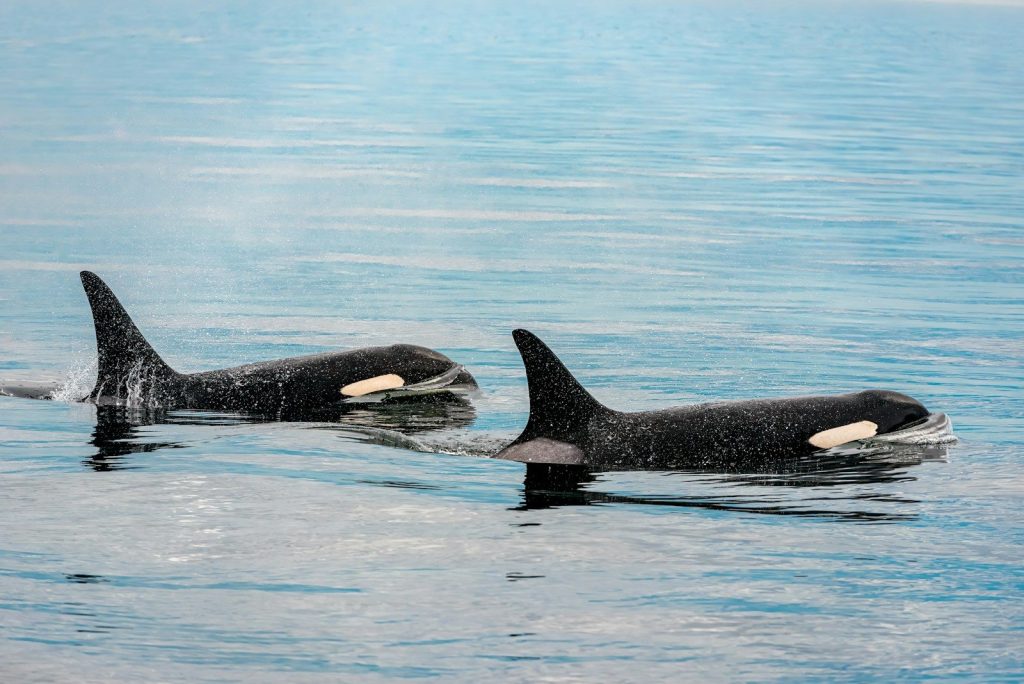
Killer whales have some of the most complex social structures in the animal kingdom. They communicate through vocal calls, learn from one another, and pass on hunting skills across generations.
Scientists believe this ability to learn and cooperate is one reason orcas are found in oceans around the world. Different populations specialize in different prey, demonstrating the flexibility and intelligence of these predators.
Every pod hunts differently
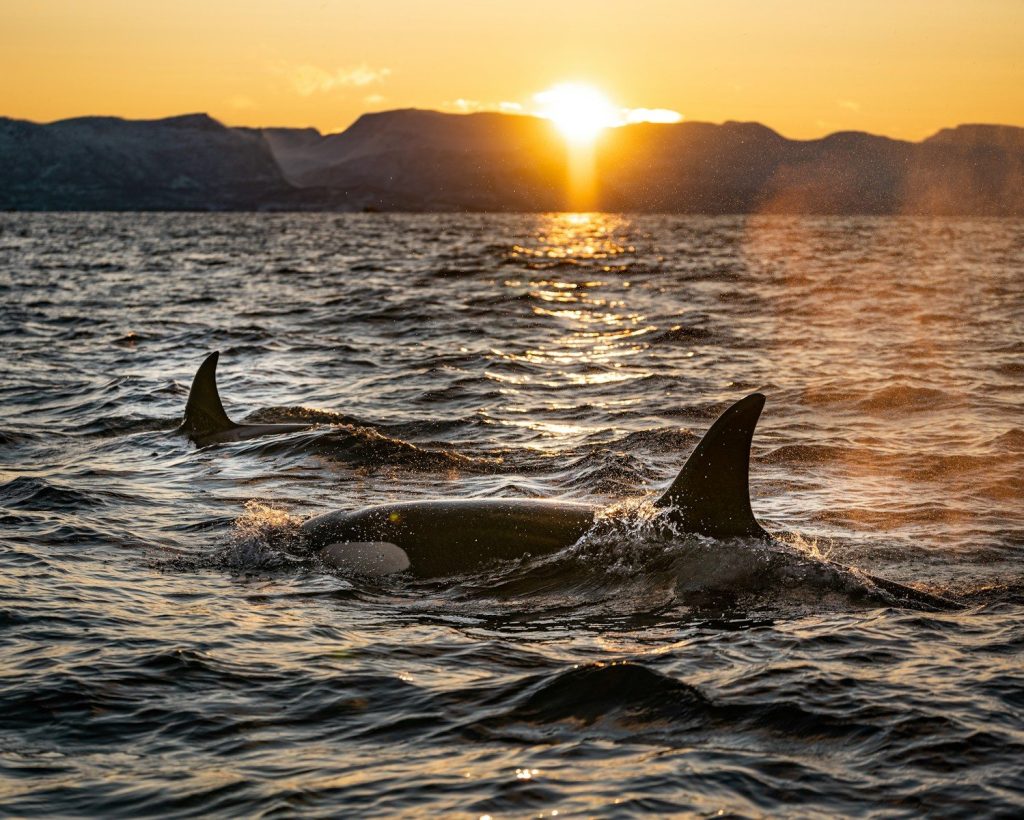
Not all killer whales hunt the same way. Some populations feed mainly on fish, while others specialize in marine mammals, sharks, or other large prey. Their hunting methods change depending on what they eat.
Researchers continue discovering new hunting behaviors, including coordinated attacks on whale sharks and other large marine animals. These observations show that orcas can adapt their techniques to different environments and prey species.
The ocean’s ultimate team hunters
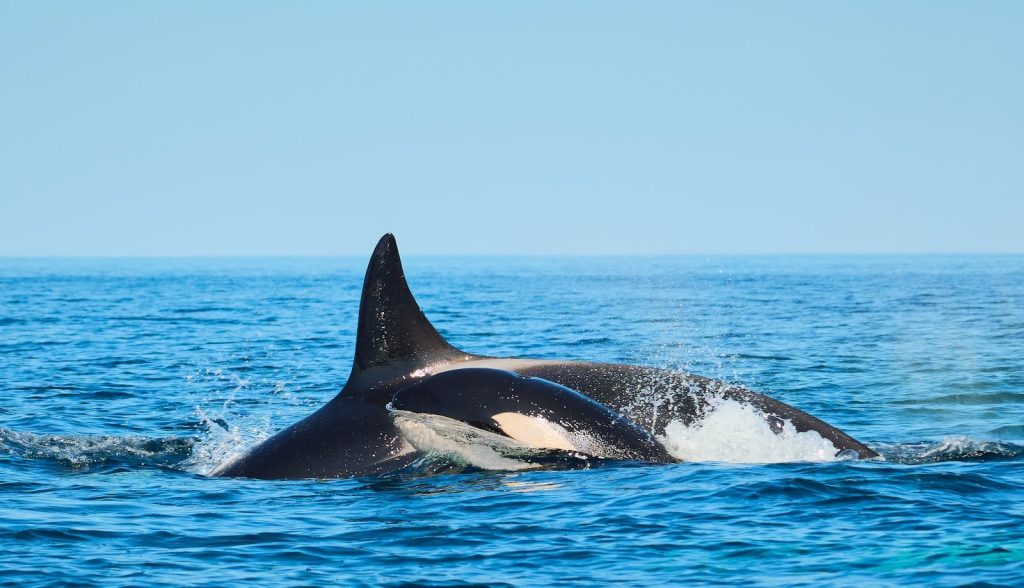
Watching a coordinated orca hunt reveals far more than raw power. It demonstrates communication, cooperation, planning, and years of learned experience working together as a family group.
Although these hunts can appear dramatic, they are a natural part of healthy marine ecosystems. Killer whales are apex predators, and their success depends not only on their size but also on their remarkable intelligence and teamwork.
Leave a Reply