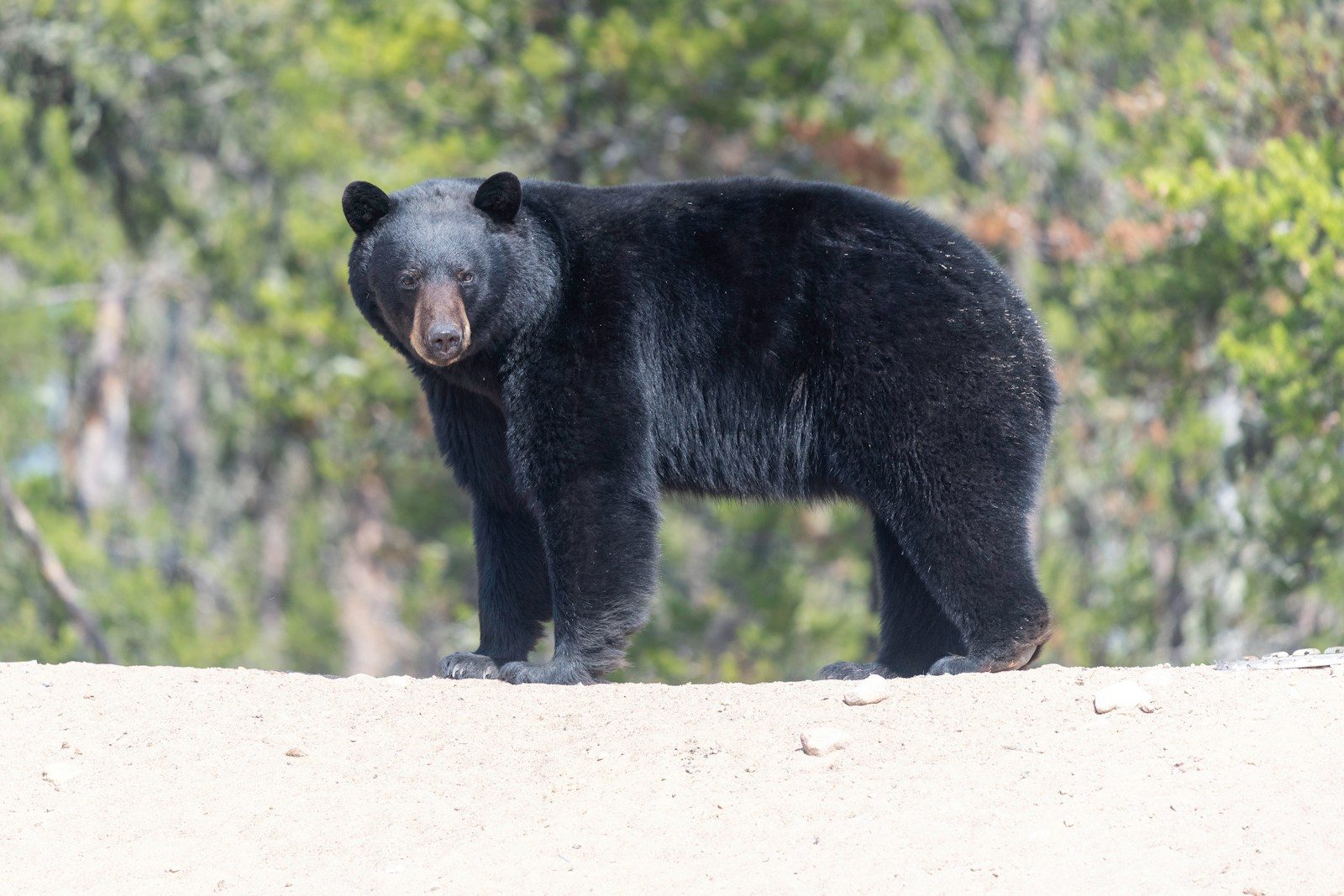
Most dogs bark at strangers, but few ever confront a wild bear. That is exactly what happened when a curious black bear walked up to the back door of a home in Asheville, North Carolina. Inside, a yellow Labrador Retriever named Bennett immediately sprang into action, barking and growling through the glass as the bear stood only inches away.
The tense encounter quickly became a viral video, reminding viewers how unpredictable wildlife encounters can be. This article explains what happened, why the bear likely approached the house, and how people can safely respond when living in bear country.
A curious visitor arrived at the door
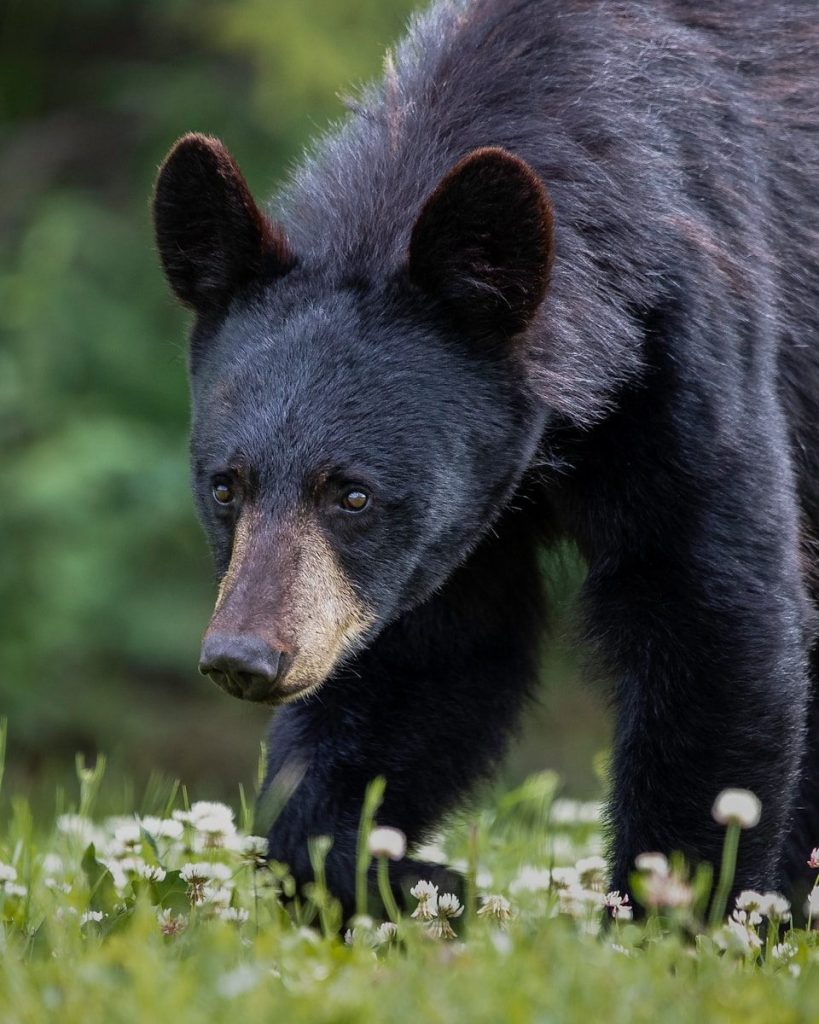
Bennett was relaxing at home when a young black bear wandered onto the property and walked directly to the back door. The two animals were separated only by a glass door as they watched each other from just a few inches apart.
The Labrador reacted instantly by barking and growling to defend his home. Startled by the sudden noise, the bear quickly backed away, ending the unexpected encounter without either animal being harmed.
Bennett followed his natural instincts

Labrador Retrievers are known for being friendly, but they are also loyal family dogs that often alert their owners when something unusual appears near the home. Bennett’s reaction reflected that protective instinct.
Although the bear was much larger than the dog, the glass barrier kept both animals safely separated. The encounter demonstrated how household pets often respond to unfamiliar wildlife entering their territory.
Why did the bear come so close
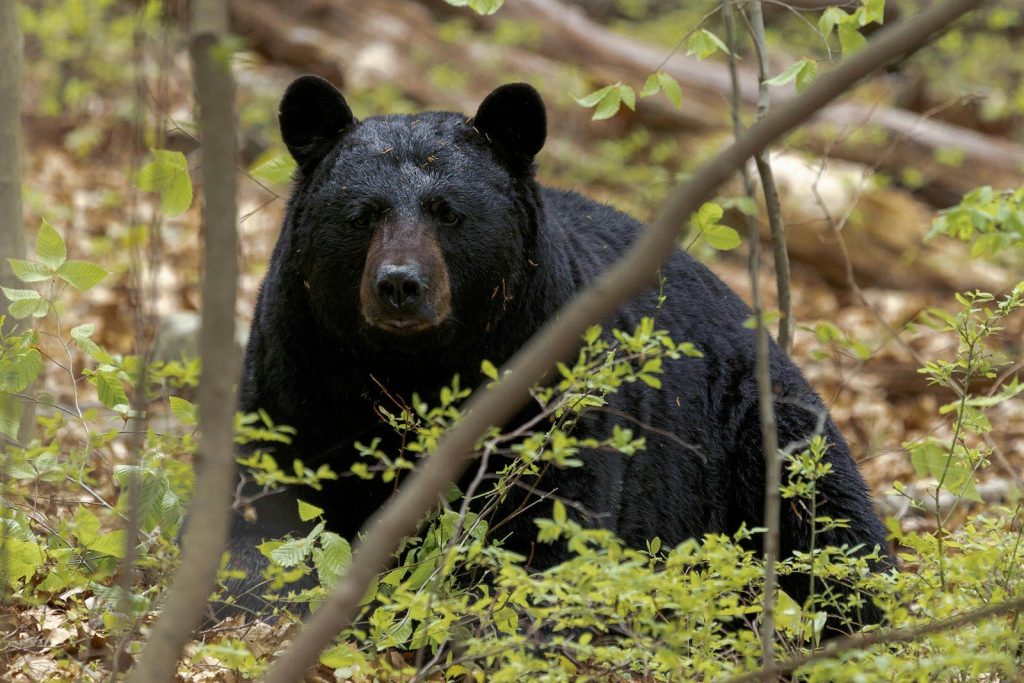
Wildlife experts believe the visitor was likely a young black bear exploring its surroundings. Yearling bears often leave their mothers and begin searching for food and suitable habitat on their own.
Residential neighborhoods in western North Carolina frequently overlap with black bear habitat. Curious bears sometimes investigate yards, porches, or doors while searching for food or simply exploring unfamiliar areas.
Living safely in bear country
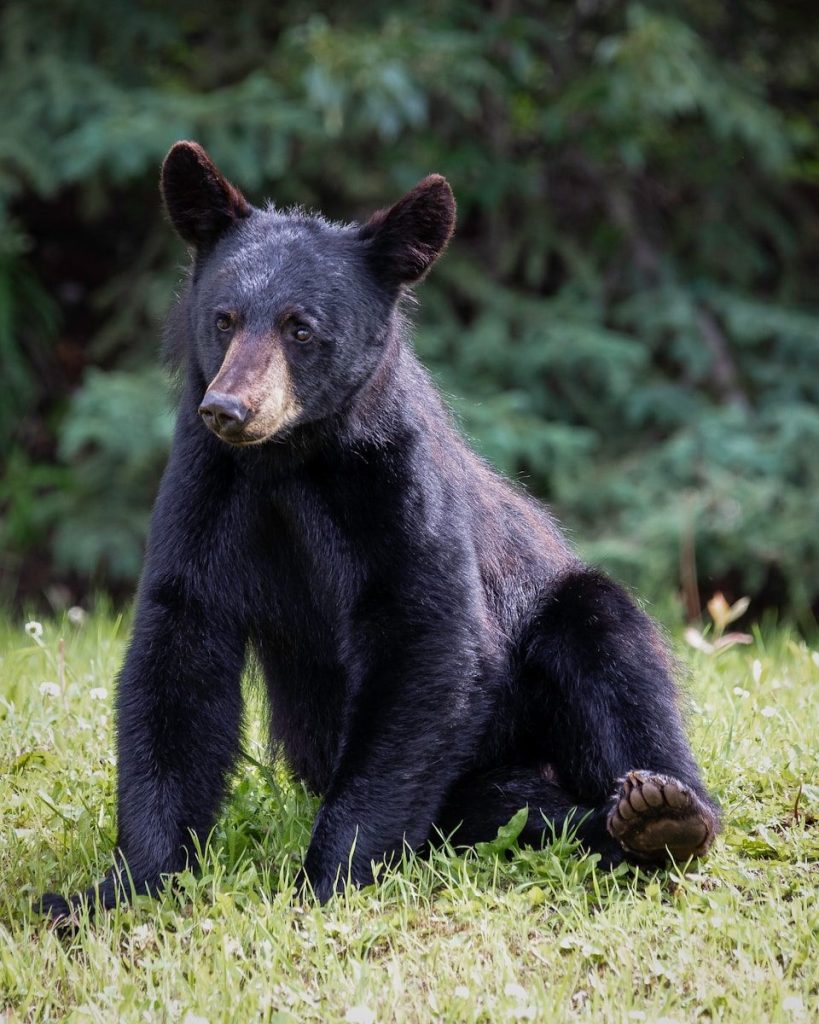
Black bears usually avoid people whenever possible. If a bear is seen near a home, experts recommend keeping a safe distance, staying calm, and allowing the animal room to leave on its own.
Removing food sources such as unsecured garbage, pet food, and bird feeders can also reduce the chances of attracting bears to residential areas. These simple steps help both people and wildlife remain safe.
Bears are rarely looking for conflict
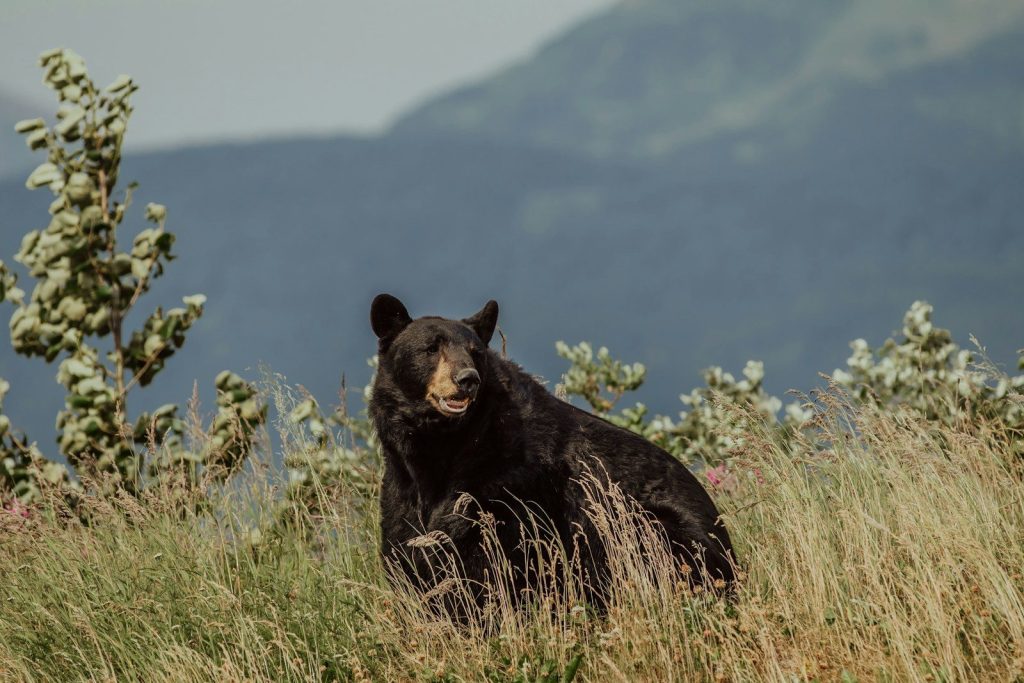
Although large and powerful, black bears generally prefer to avoid confrontations with humans. Most encounters end peacefully once the bear realizes people or pets are nearby.
Young bears are especially curious as they learn to survive on their own. Their investigations are usually driven by food or exploration rather than aggression, even if they sometimes surprise homeowners.
A memorable reminder to respect wildlife
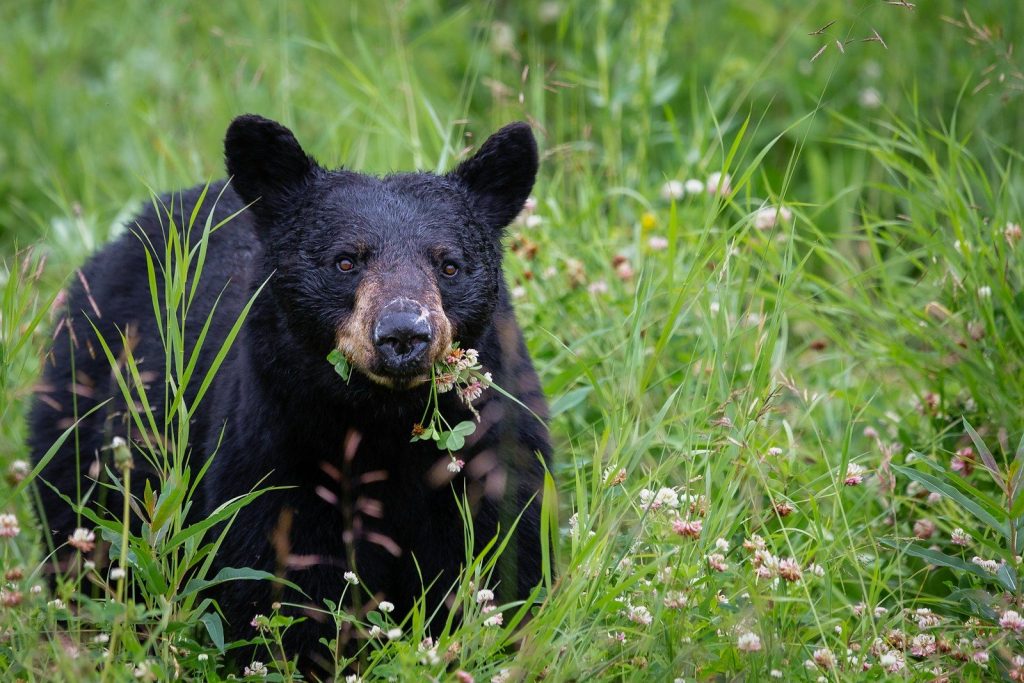
The viral video captured an exciting moment, but it also highlighted the importance of respecting wild animals. Bennett successfully protected his home, while the young bear wisely chose to leave without escalating the situation.
As communities continue expanding into bear habitat, encounters like this may become more common. Staying aware, securing attractants, and giving wildlife space help ensure that both people and bears can safely share the landscape.
Leave a Reply