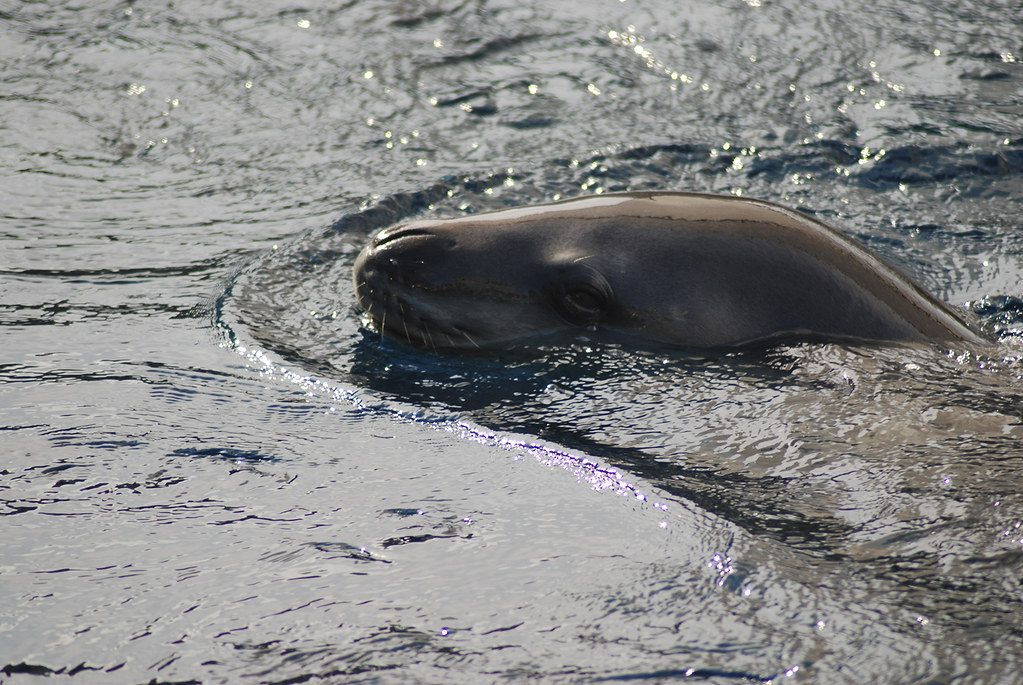
Modern zoos and aquariums have successfully cared for thousands of animal species, but some wild animals remain almost impossible to keep in captivity. Their bodies, behaviors, and survival strategies are so closely tied to their natural environments that even the best human care cannot fully replace what nature provides.
From Antarctic predators to deep ocean hunters, these animals have evolved for conditions that are difficult or impossible to recreate. This article explores why certain species struggle in captivity, how evolution shaped their unique needs, and what their stories teach us about wildlife conservation.
Evolution created highly specialized animals
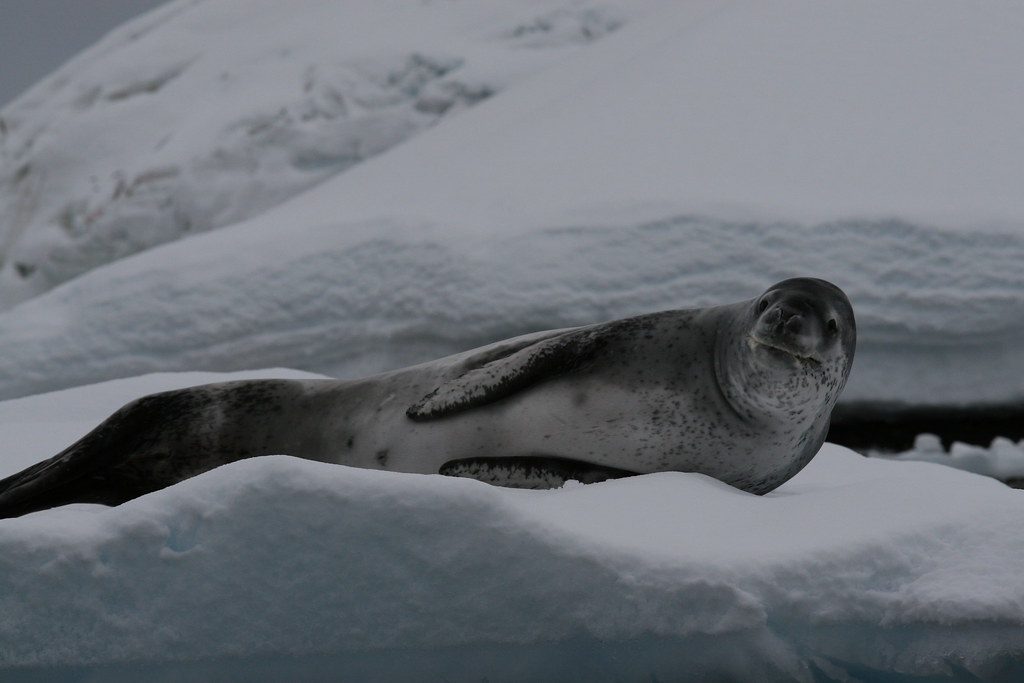
Every animal evolves to survive in a particular environment. Over millions of years, species develop behaviors, diets, and physical adaptations that match the places where they live.
For highly specialized animals, even small changes to temperature, habitat, food, or social structure can create serious challenges. Some species depend on conditions that simply cannot be reproduced outside the wild.
Leopard seals belong in Antarctica
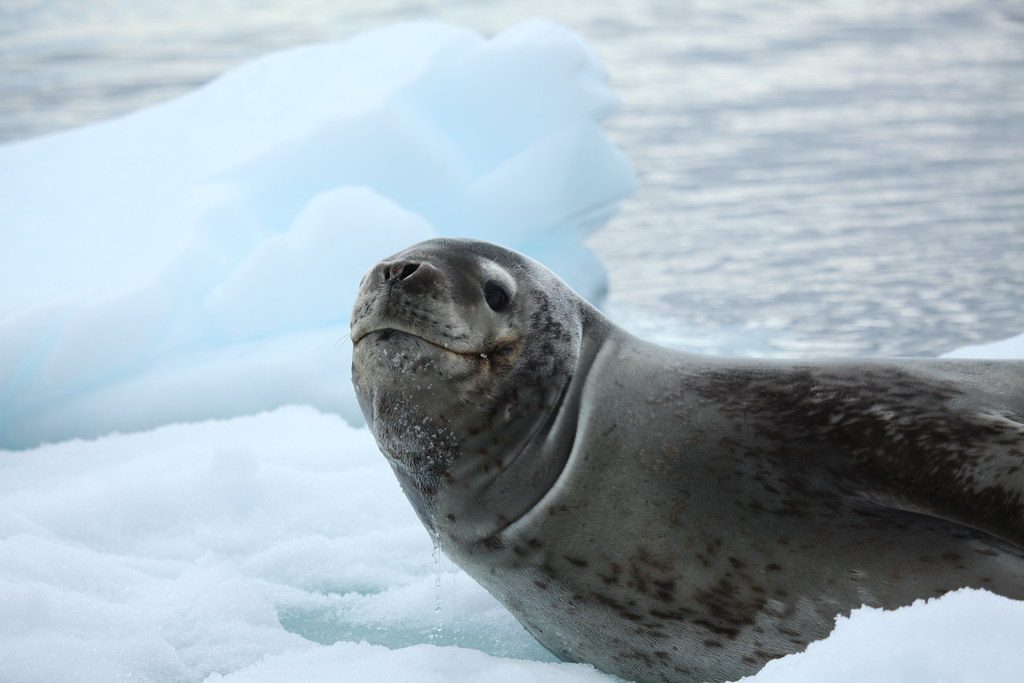
Leopard seals are powerful predators that live among Antarctic sea ice. They hunt fish, squid, penguins, and other seals while spending much of their lives in one of the harshest environments on Earth.
Very few leopard seals have ever been kept in captivity, and those that have were usually rescued animals that could not safely return to the wild. Their specialized diet, solitary behavior, cold habitat, and large space requirements make long-term care extremely difficult.
A tragedy changed how scientists viewed leopard seals
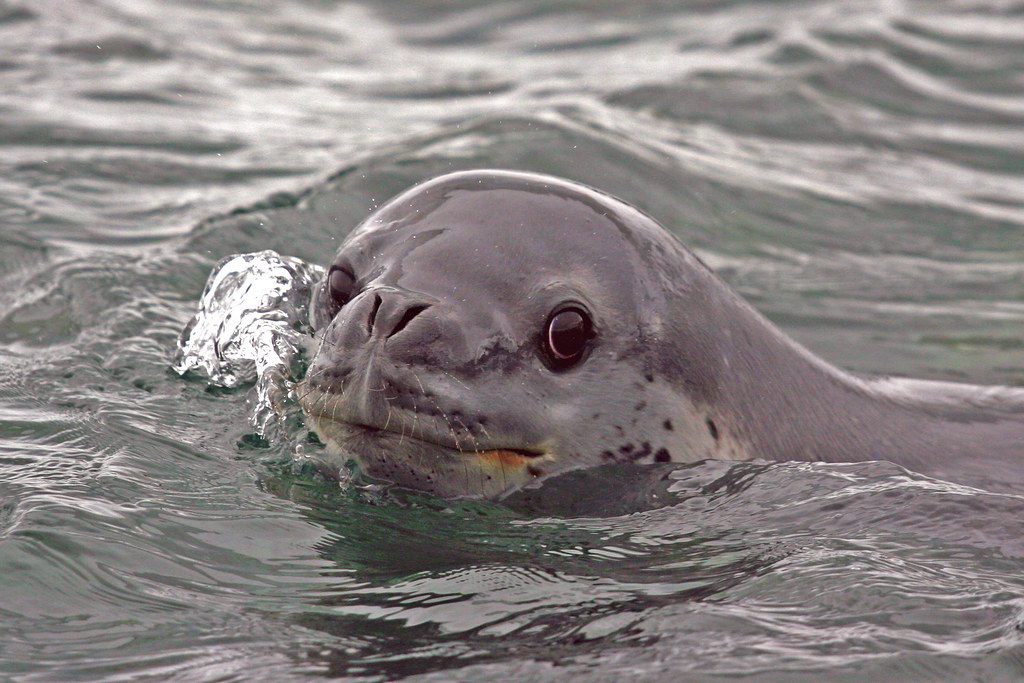
In 2003, British Antarctic Survey marine biologist Kirsty Brown was killed while conducting underwater research near Antarctica. A leopard seal dragged her underwater, making it the first recorded fatal leopard seal attack on a human. Investigators concluded that such attacks are extremely rare.
The incident highlighted both the power of leopard seals and how little scientists still knew about their behavior. It also led to greater attention toward research safety when working around these large Antarctic predators.
Other species face similar challenges
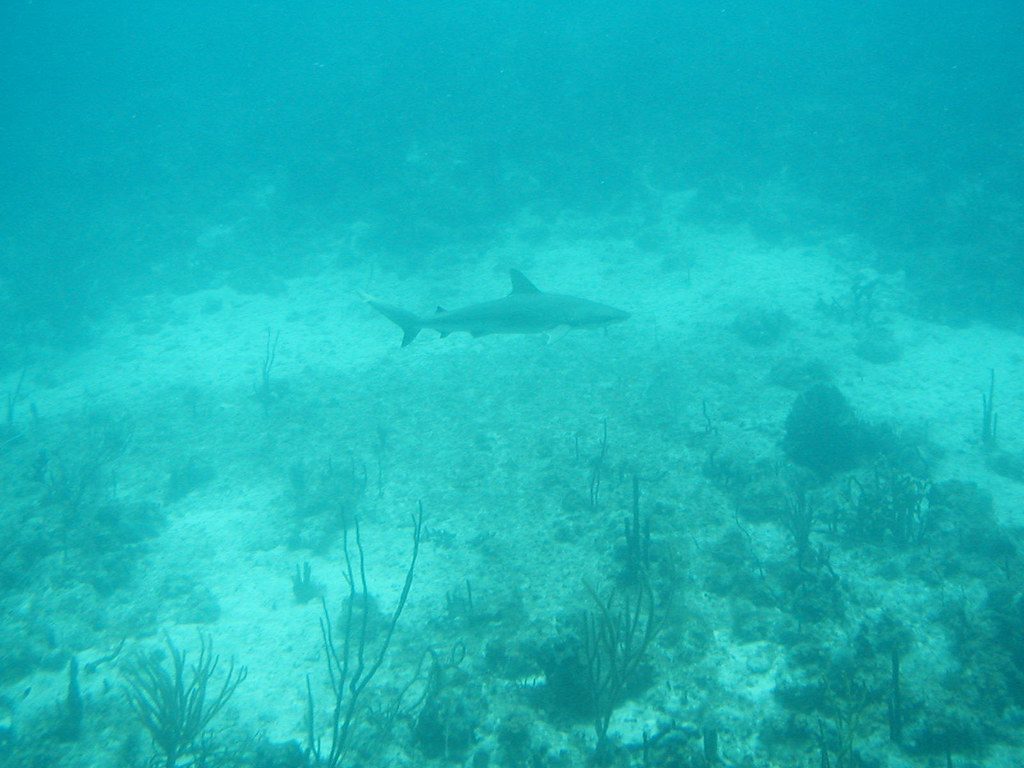
Leopard seals are not the only animals that struggle in captivity. Some deep-sea fish require crushing pressures, while certain whales, sharks, and marine mammals need enormous ranges, complex social lives, or highly specialized diets that are difficult to provide.
Even when expert care is available, captivity may not fully meet the biological or behavioral needs of these animals. Their survival often depends on conditions found only in natural ecosystems.
Conservation often works better than captivity
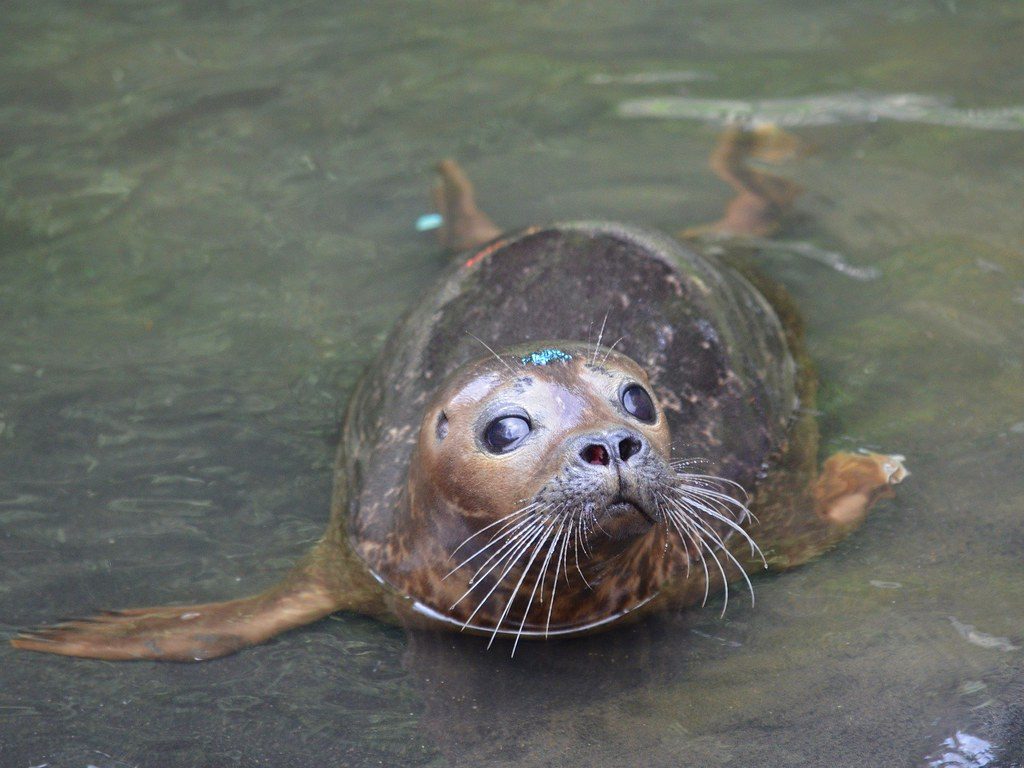
Because some species adapt poorly to captivity, protecting their natural habitats has become one of the most effective conservation strategies. Healthy ecosystems allow animals to continue behaving and reproducing naturally.
Scientists increasingly focus on habitat restoration, anti-poaching efforts, and reducing pollution rather than relying only on captive breeding for species with highly specialized needs.
Nature still sets the limits
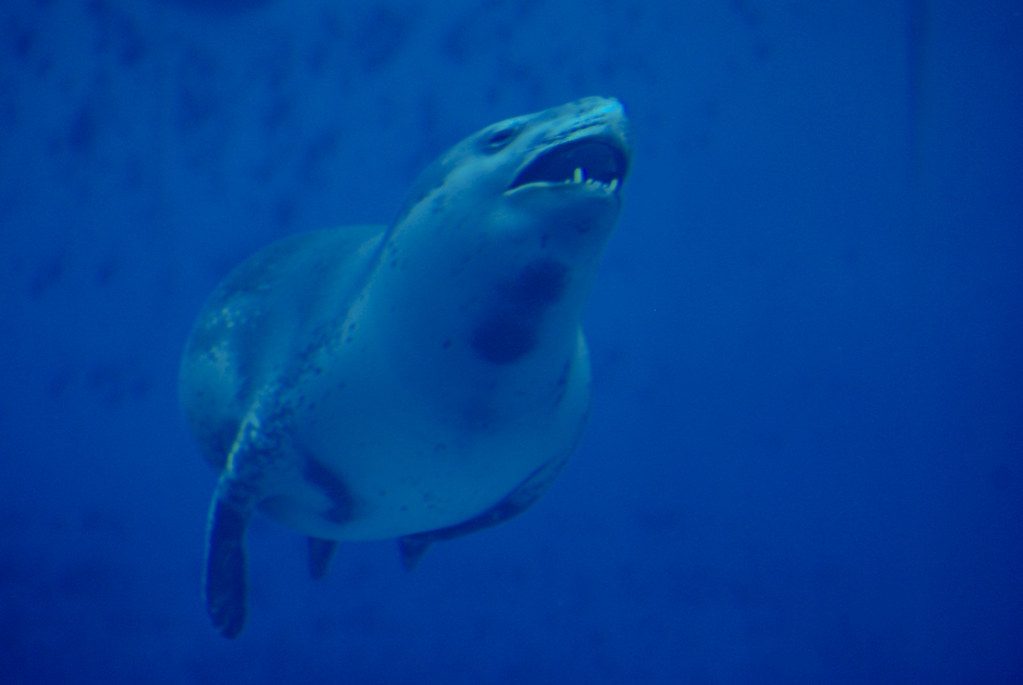
Human knowledge and technology continue to improve, but some animals remain better suited to life in the wild than behind barriers. Their remarkable adaptations are reminders that evolution has shaped them for environments unlike anything humans can fully recreate.
The story of animals that cannot thrive in captivity also highlights the importance of protecting the habitats where they naturally belong. For many species, conserving the wild is the best chance for long-term survival.
Leave a Reply