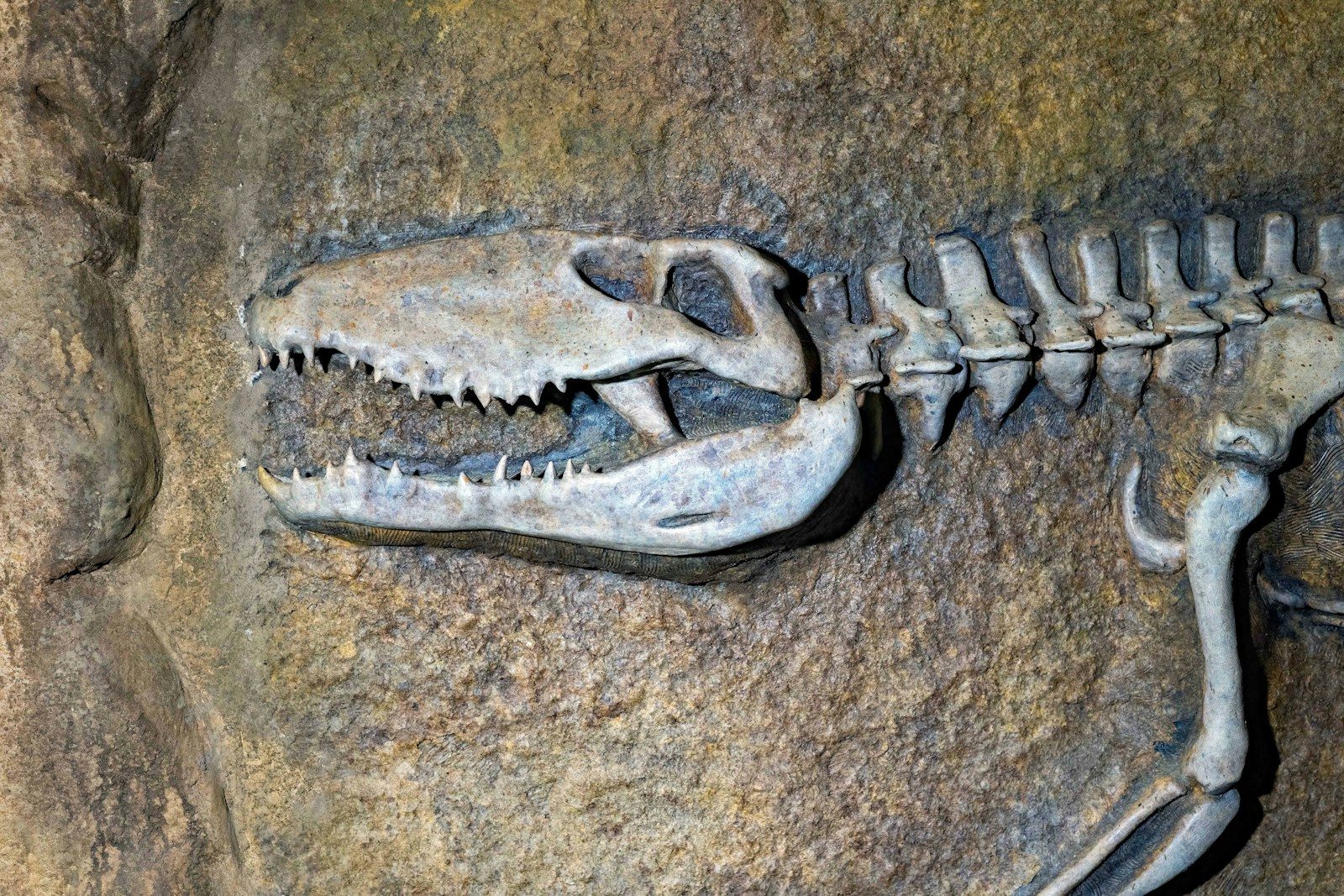
Some of the world’s greatest scientific discoveries happen in the field. Others happen inside museum collections. A fossil collected in Antarctica more than 40 years ago recently changed history after scientists realized it had been identified incorrectly.
What was once believed to be the bone of a marine reptile turned out to be the first dinosaur fossil ever found on the frozen continent. The discovery provides new clues about Antarctica’s ancient forests, giant dinosaurs, and the connections between the southern continents millions of years ago.
The fossil remained hidden for decades
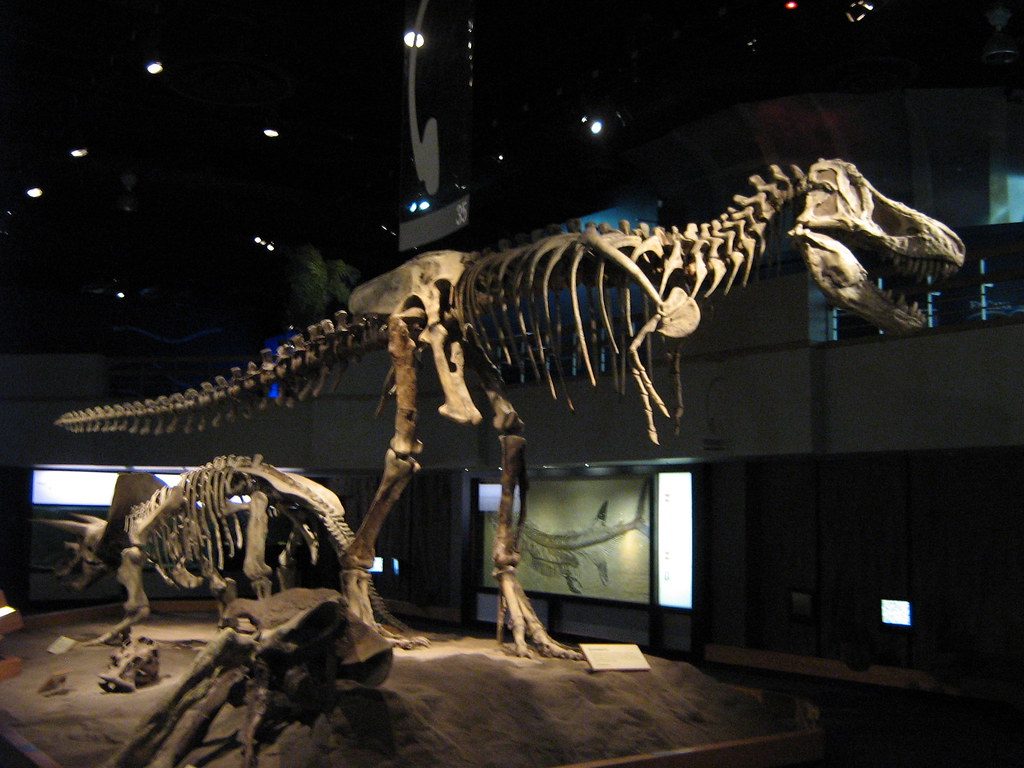
The fossil was collected in 1985 during a British Antarctic Survey expedition on James Ross Island. At the time, researchers believed the bone belonged to a large marine reptile, so it was carefully stored with thousands of other specimens.
Years later, paleontologist Mark Evans noticed that the fossil looked unusual while examining the British Antarctic Survey collections. After detailed comparisons with dinosaur fossils, researchers confirmed it was actually a dinosaur vertebra.
The bone belonged to a titanosaur
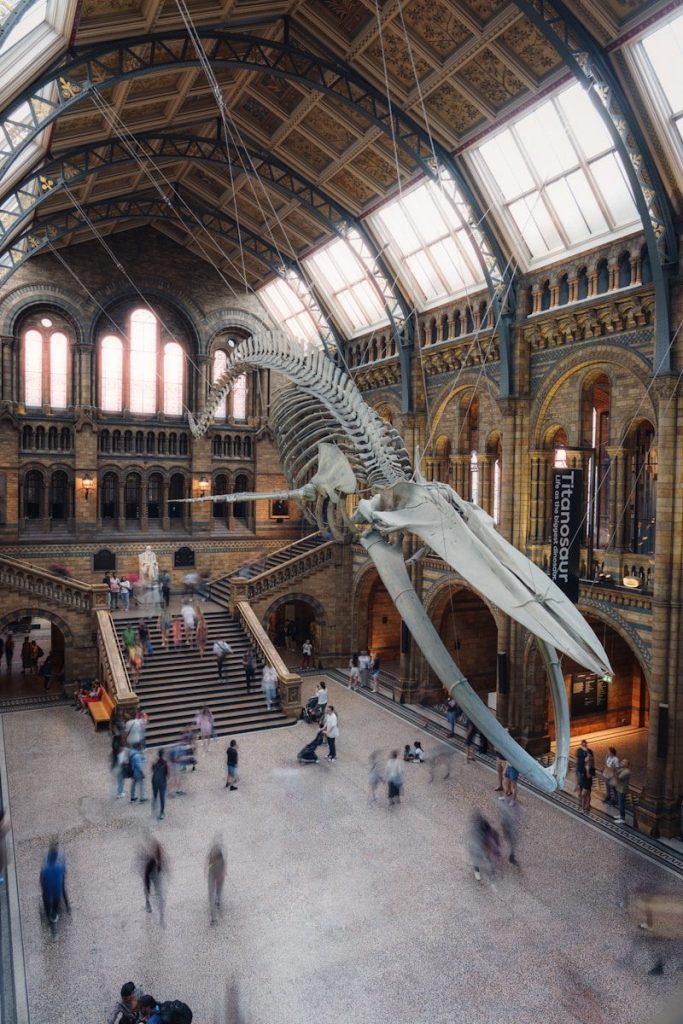
Scientists identified the fossil as a tail vertebra from a titanosaur, a group of giant, long-necked, plant-eating dinosaurs that lived across the Southern Hemisphere during the Late Cretaceous.
Although titanosaurs included some of the largest land animals ever to exist, this individual was much smaller. Researchers estimate it measured about 6 to 7 meters long and may have been a juvenile or a small adult.
Antarctica once looked very different
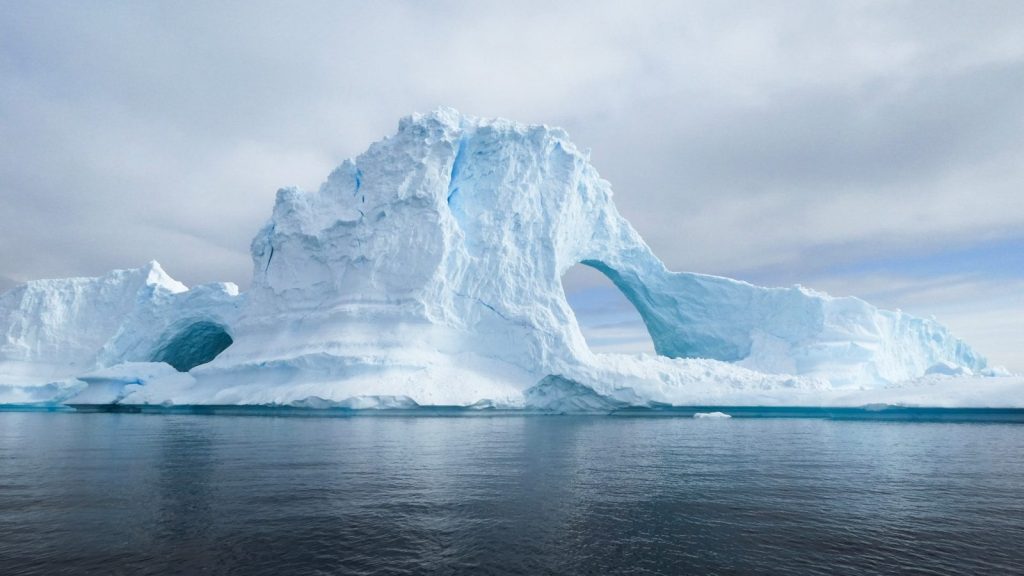
Around 82 million years ago, Antarctica was not covered by thick ice sheets. Instead, it supported forests with a much warmer climate that could sustain large herbivorous dinosaurs.
At that time, Antarctica formed part of the ancient southern supercontinent known as Gondwana. Land connections allowed animals to move between what are now South America, Antarctica, and Australia.
One small fossil has enormous importance
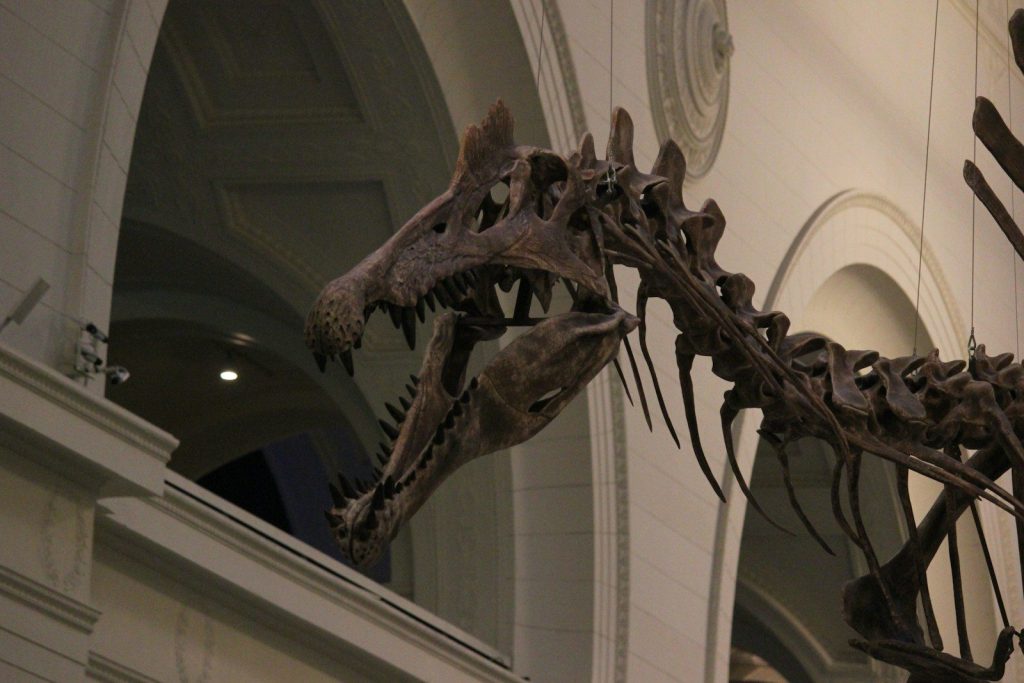
Even though the fossil consists of only a single vertebra, scientists consider it historically significant because it represents the first dinosaur fossil ever recovered from Antarctica.
Researchers say discoveries like this help explain how dinosaurs spread across southern continents and adapted to different ancient environments. Every fossil adds another piece to Earth’s prehistoric history.
Museum collections still hold surprises
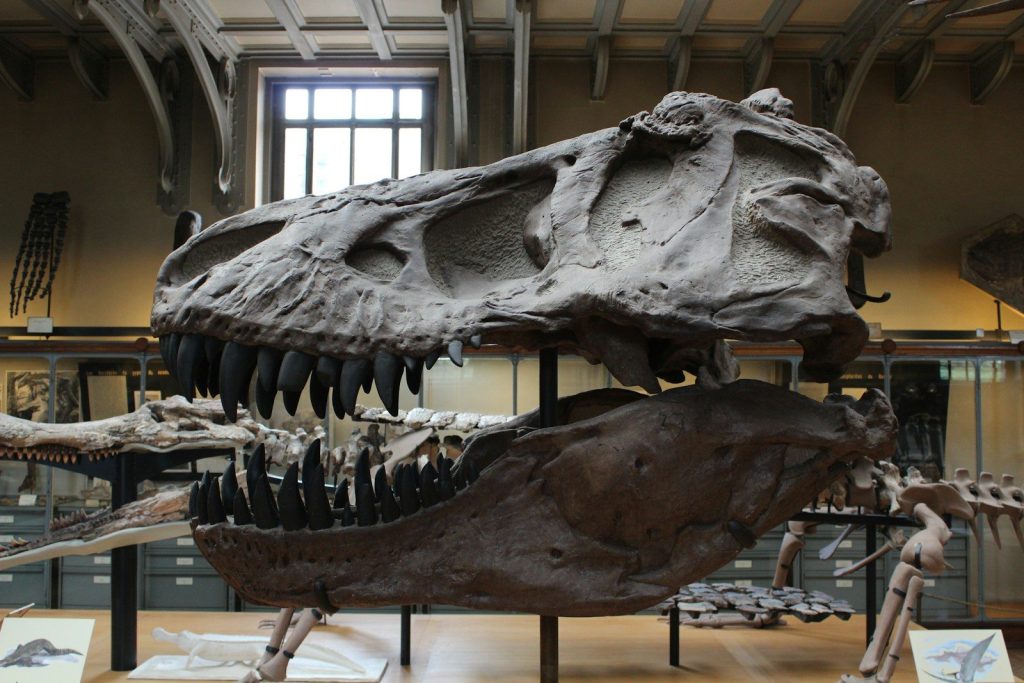
This discovery demonstrates why museum collections remain valuable long after fossils are collected. Advances in technology and new scientific knowledge allow researchers to recognize details that may have been overlooked decades earlier.
Scientists believe many museum collections worldwide still contain specimens awaiting proper identification. Careful reexamination can lead to discoveries without collecting a single new fossil.
Antarctica may reveal more dinosaurs
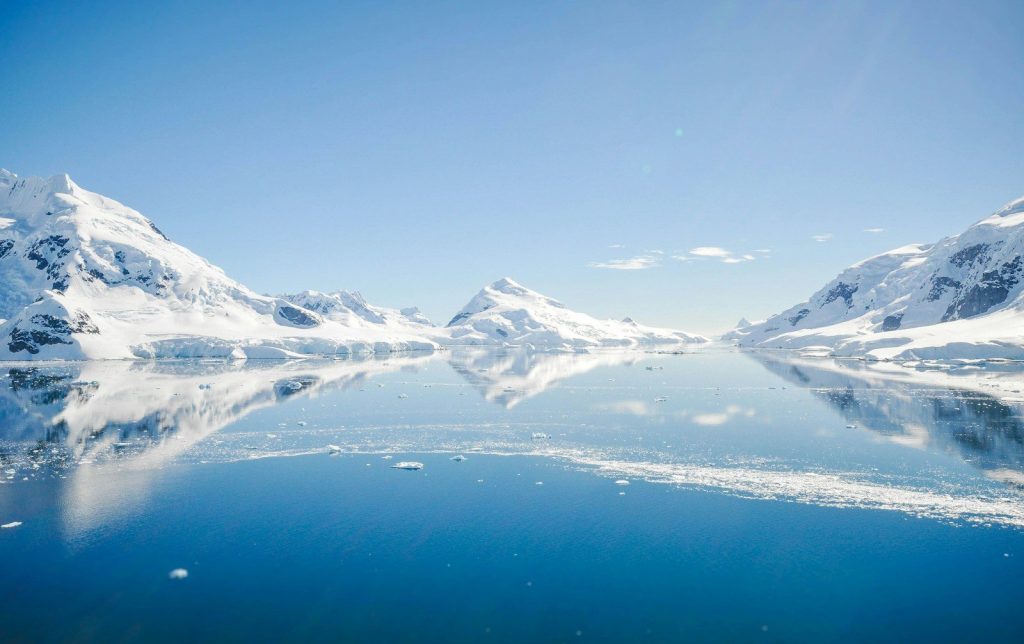
Because most of Antarctica remains buried beneath thick ice, dinosaur fossils are exceptionally rare. Scientists expect additional discoveries as more exposed rock formations are explored during future research expeditions.
Each new fossil improves our understanding of Antarctica’s ancient ecosystems and the remarkable animals that once lived where glaciers now dominate the landscape. The forgotten vertebra serves as a reminder that important discoveries can sometimes wait decades before their true significance is recognized.
Leave a Reply