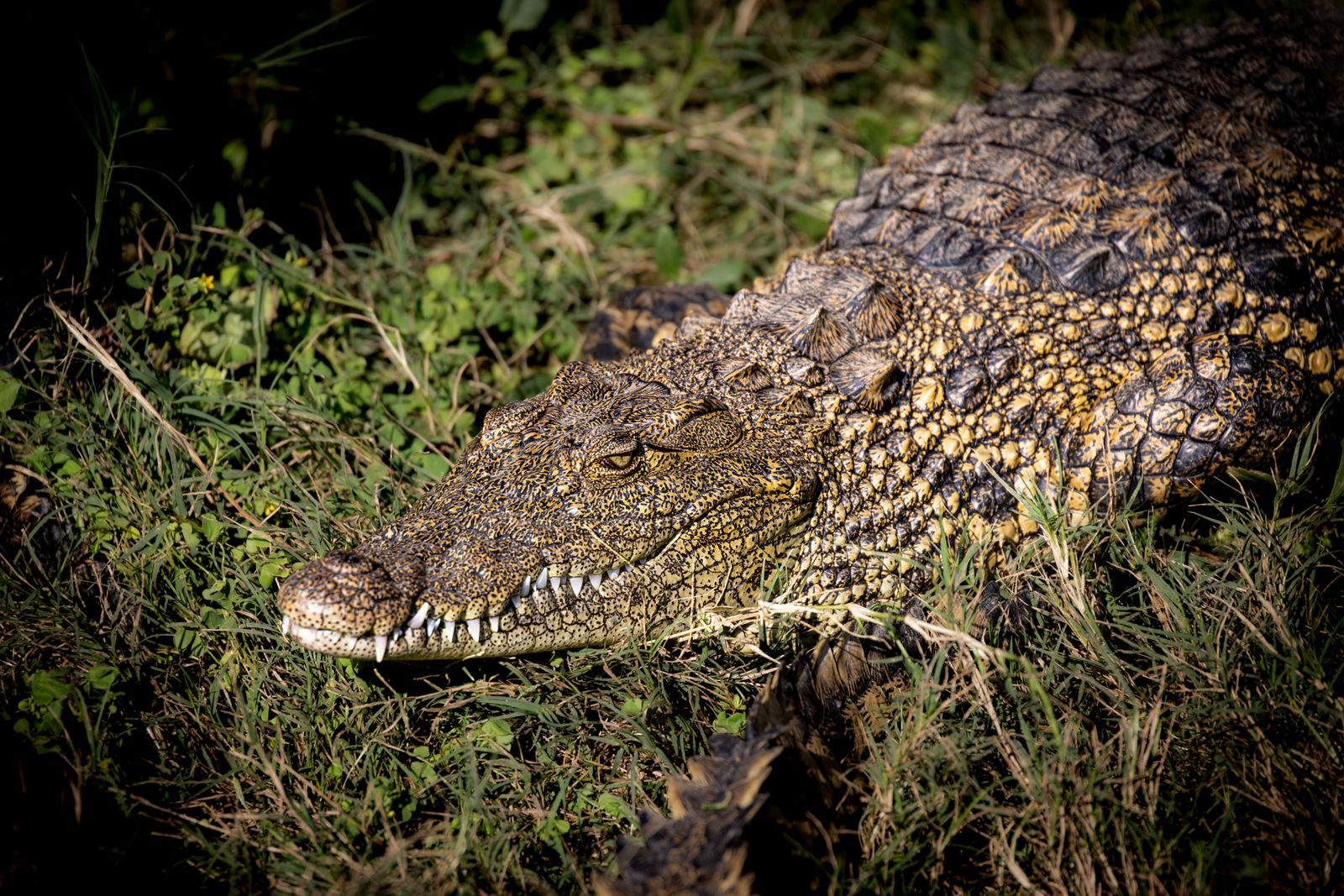
The most massive Nile crocodiles ever recorded have amazed scientists and wildlife experts for decades. These giant reptiles are among the largest predators in Africa and can grow to incredible sizes under the right conditions. While many stories tell of monster crocodiles, only a few have been carefully measured and verified.
In this article, you will discover one of the biggest Nile crocodiles ever recorded, learn what helped it reach such a huge size, and understand why these powerful reptiles remain some of the most impressive hunters on Earth.
The biggest verified Nile crocodile
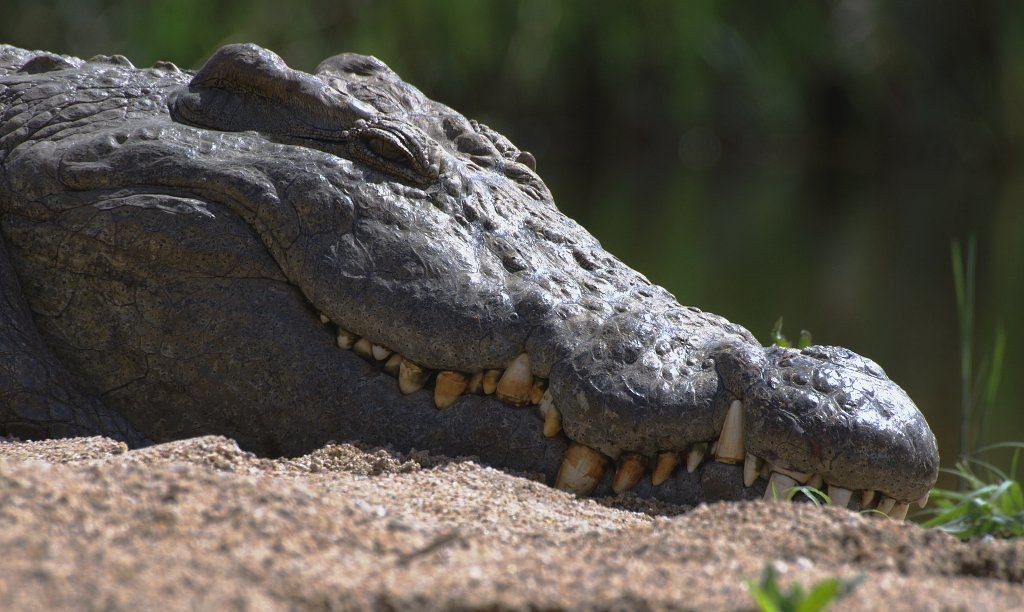
One of the largest verified Nile crocodiles ever recorded was a male shot near Mwanza, Tanzania. It measured about 21 feet 2 inches (6.45 meters) long and weighed between 2,300 and 2,400 pounds. It remains the largest accurately measured Nile crocodile on record.
Many people have heard stories about even bigger Nile crocodiles, but most of those claims were never confirmed with careful measurements. Wildlife experts only accept records that include reliable measurements, making the Tanzania crocodile the best-known verified giant.
Why some Nile crocodiles grow so large
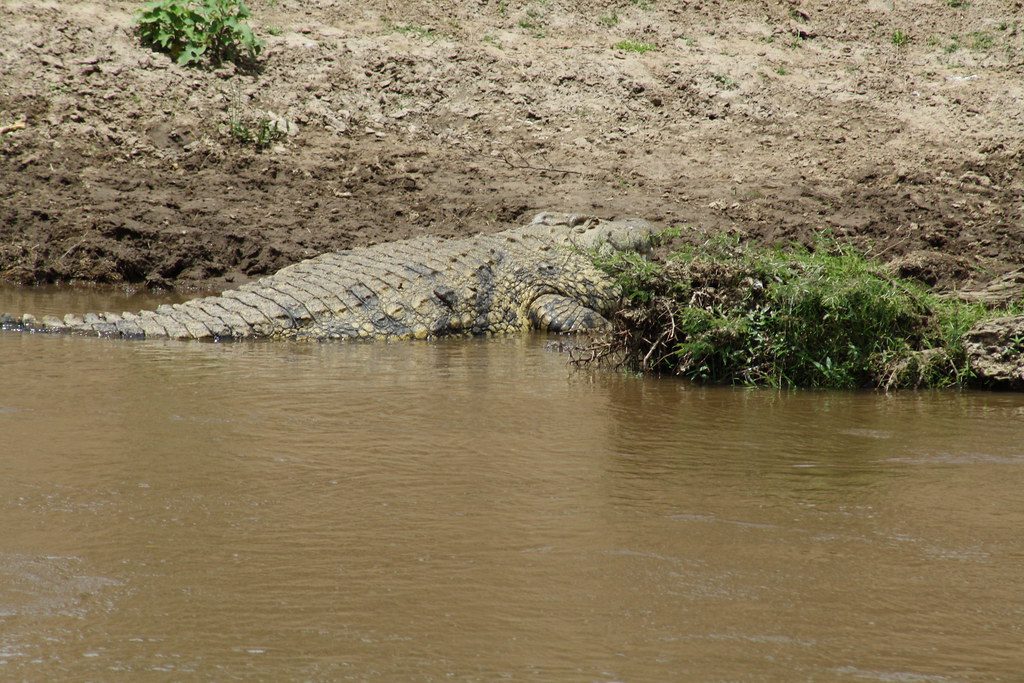
Nile crocodiles can live for many decades, giving them plenty of time to keep growing. Unlike many animals, they continue to grow slowly throughout their lives, although the growth rate becomes much slower as they age.
A healthy habitat also plays a big role. Crocodiles living in large rivers and lakes with plenty of fish, birds, and mammals have better access to food. Good nutrition, favorable weather, and strong genetics can all help a crocodile reach an exceptional size.
The legend of Gustave
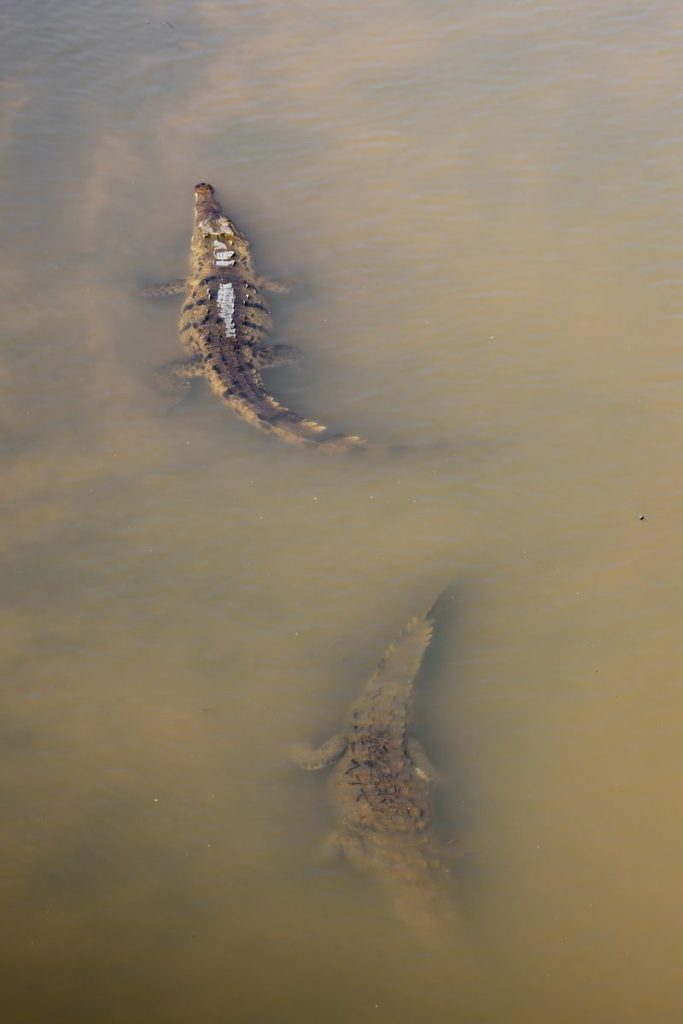
One famous Nile crocodile is Gustave from Burundi. He became well known because local people believed he had attacked many humans over the years. Scientists estimated he may have been around 20 feet long and weighed about 2,000 pounds.
Even though Gustave became famous around the world, he was never captured or officially measured. Because of that, experts do not consider him the largest verified Nile crocodile, even if he may have been one of the biggest living individuals.
How giant crocodiles hunt
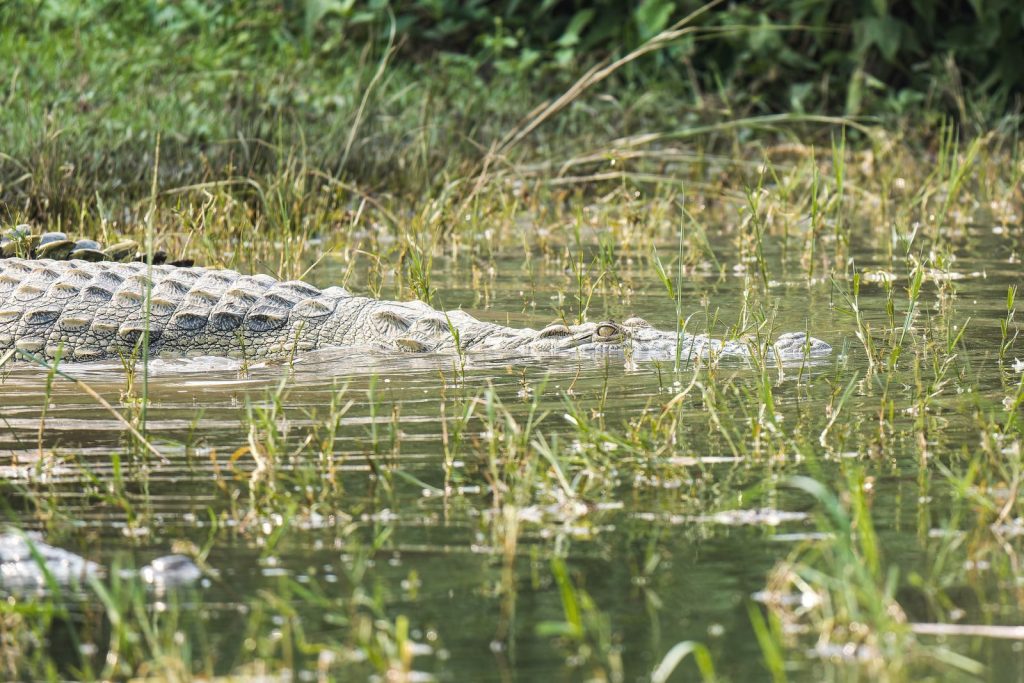
Large Nile crocodiles are patient ambush predators. They wait quietly in the water with only their eyes and nostrils showing. When prey comes close to the edge, they strike with amazing speed using their powerful jaws.
Their diet changes as they grow bigger. Smaller crocodiles mainly eat fish and insects, while giant adults can hunt antelope, zebras, wildebeest, and other large animals. They often drag prey into the water before eating it.
Why measuring giant crocodiles is difficult
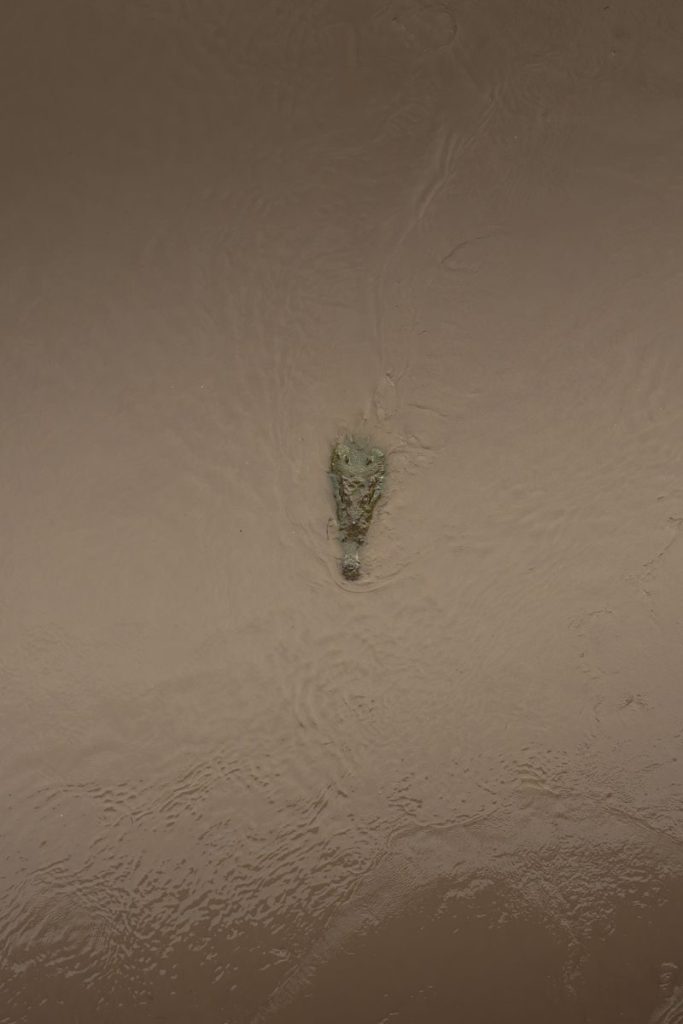
Getting an exact measurement of a wild crocodile is not easy. These animals are dangerous, strong, and often live in remote places. Many reported sizes come from quick estimates instead of careful scientific measurements.
Scientists prefer to measure crocodiles directly after capture or after they have died. This method removes guesswork and allows researchers to compare records fairly. That is why only a small number of giant Nile crocodiles have officially entered the record books.
Why these reptiles still fascinate scientists

Nile crocodiles have survived for millions of years with very few changes to their body design. Their powerful jaws, thick armor-like skin, and excellent hunting skills have made them successful predators for a very long time.
Studying these giant reptiles also helps scientists understand healthy freshwater ecosystems. As top predators, they help keep animal populations balanced and play an important role in maintaining nature across much of Africa.
Leave a Reply