
Have you ever wondered how a shark can spot prey so quickly? The hammerhead shark has one of the most unusual heads in the ocean, and that shape gives it a big advantage. Its wide-set eyes help it see almost all around its body in the vertical plane, while its special hunting skills let it surprise prey from below. These features make hammerhead sharks some of the ocean’s most effective hunters. In this article, you’ll learn how their vision works, why their head is shaped like a hammer, and how they use smart hunting tactics to catch food.
Why the hammerhead has such a strange head
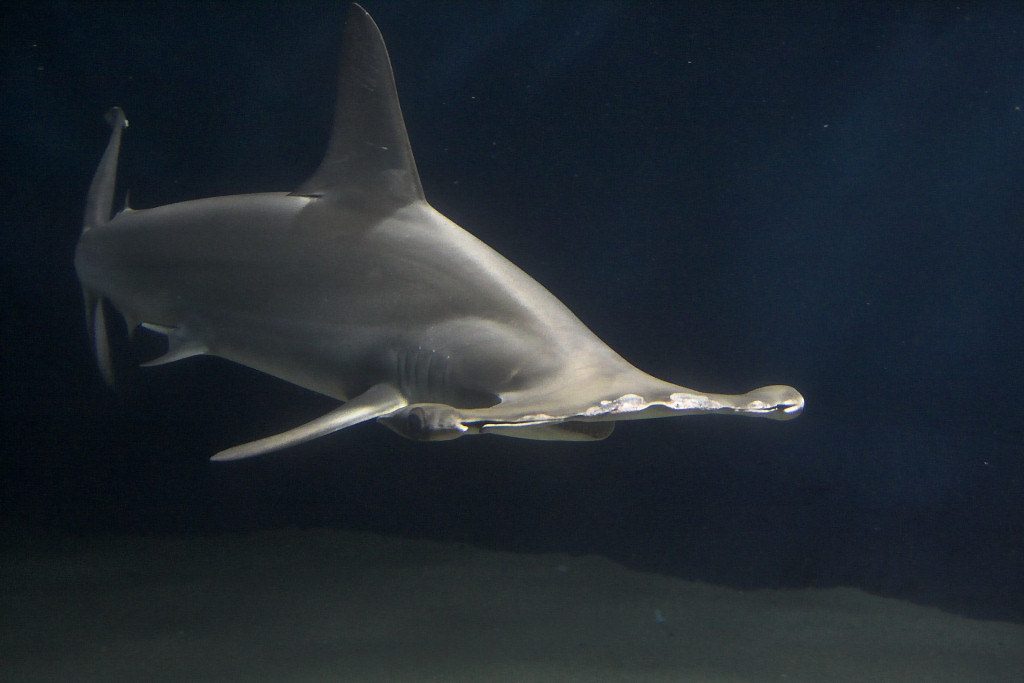
The hammerhead’s wide, flat head is called a cephalofoil. Scientists believe this unique shape improves the shark’s vision and helps spread out important sensory organs. Its eyes sit at the far ends of the head, giving it a much wider view than most other sharks.
The shark also has special organs called the ampullae of Lorenzini across its head. These tiny sensors detect weak electrical signals produced by living animals. This makes it easier to find prey hiding under sand or in cloudy water where eyesight alone is not enough.
How its vision is almost all around

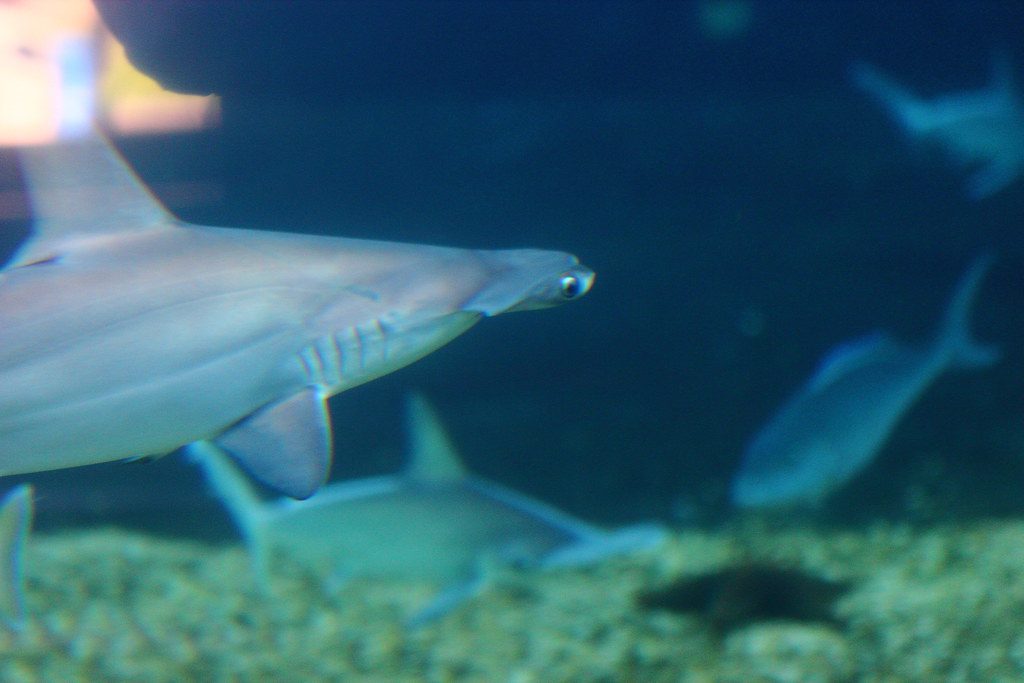
The hammerhead is often described as having nearly all-around vision because its eyes cover a very large field of view. Research shows it has a full 360-degree visual field in the vertical plane, allowing it to see both above and below at the same time.
Its eye placement also creates better binocular vision than many other sharks. That means both eyes can focus on the same object, improving depth perception. This helps the shark judge distance more accurately when it is ready to attack.
How it surprises prey from below

Hammerhead sharks often hunt stingrays, small fish, squid, and octopus. When searching the seafloor, they sweep their heads from side to side to detect hidden prey using both vision and electrical sensing.
Once a stingray is found, the shark may swim above it and quickly strike downward. It often pins the stingray to the bottom with its broad head before taking a bite. This surprise attack gives the prey very little time to escape.
More than eyesight helps the hunt
Vision is only one part of the hammerhead’s hunting toolkit. Like other sharks, it has an excellent sense of smell that helps it detect food from long distances. As it gets closer, electrical sensors become even more important.
The shark also uses its lateral line, a sensory system that detects water movement and vibrations. Together, smell, vision, vibration sensing, and electroreception make the hammerhead a skilled predator in many ocean habitats.
Where hammerhead sharks live

Different hammerhead species live in warm and tropical oceans around the world. They can be found near coastlines, coral reefs, continental shelves, and sometimes in deeper offshore waters. Young sharks often stay in shallow bays where they are better protected from larger predators.
Some species gather in large schools during the day before hunting alone at night. Their diet includes fish, rays, squid, octopus, and crustaceans, depending on the species and location.
Why these sharks need protection

Many hammerhead species face serious threats from overfishing and accidental capture in fishing gear. Their fins are highly valued in some markets, and slow reproduction makes it difficult for populations to recover after heavy losses.
Scientists and conservation groups continue to study these remarkable sharks to better protect them. Healthy hammerhead populations help keep ocean ecosystems balanced by controlling the numbers of many prey species.
Leave a Reply