
Have you ever wondered why a wild seal would swim right up to a diver instead of swimming away? A seal’s gentle interaction with a diver can look almost unbelievable, but these moments do happen when curious seals decide to investigate people underwater.
While the encounter may seem like friendship, experts remind us that seals are still wild animals with natural instincts. In this article, you’ll learn why seals sometimes approach divers, what likely happened during this memorable encounter, how seals communicate through body language, and why respectful behavior keeps both humans and wildlife safe.
Why the seal approached the diver
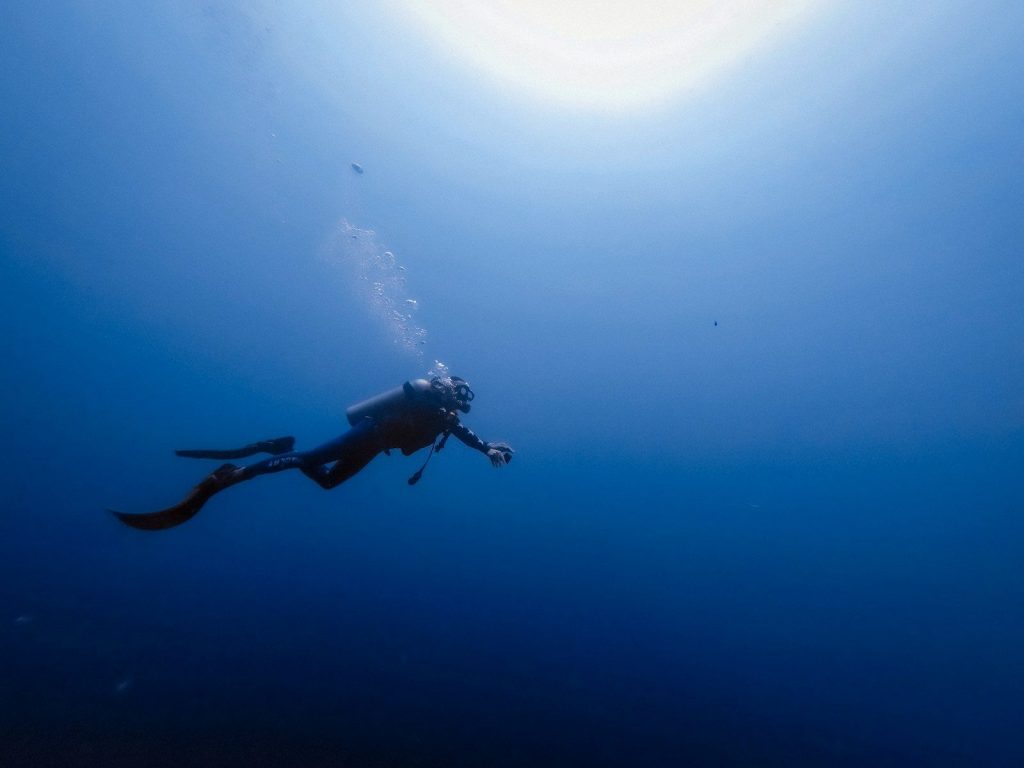
Seals are naturally curious animals, especially younger ones. Divers often look and move differently from other sea life, making them interesting to investigate. A calm diver who stays still is less likely to frighten a seal, allowing the animal to swim closer on its own.
In this encounter, the seal gently reached out with its flipper and touched the diver’s head. Marine experts believe this type of behavior is usually exploration rather than affection. The seal was likely using its flipper and sensitive whiskers to learn more about the unusual visitor.
What the gentle touch really meant
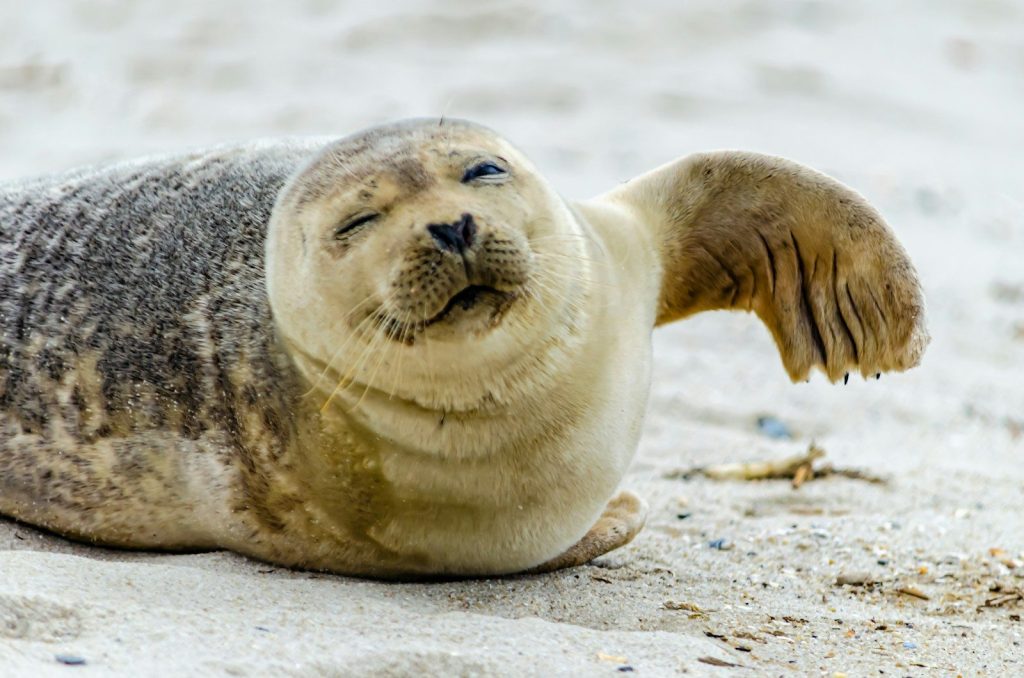
Many people describe the seal’s action as a “pat” because it looks similar to a human gesture. However, scientists caution against giving human emotions to wild animals. The seal was most likely examining the diver instead of trying to show love.
Even so, the interaction shows how intelligent and curious seals can be. They often investigate floating objects, fish, and even diving equipment. A gentle touch is simply one way they gather information about something new in their environment.
Why divers stayed calm
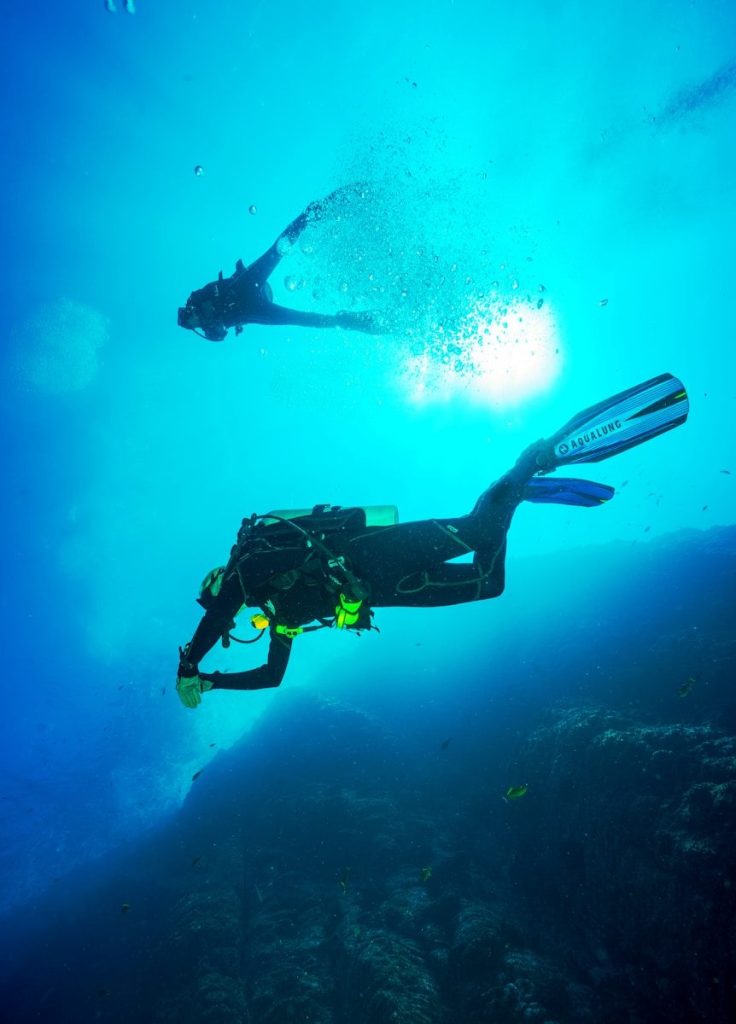
Experienced divers know that staying calm is the best response when wildlife comes close. Sudden movements can scare animals or make them feel threatened. Remaining relaxed allows the seal to decide how long the interaction lasts.
The diver in this encounter did not chase, grab, or feed the seal. That respectful behavior helped keep the meeting peaceful. Wildlife experts encourage divers to let marine animals control any interaction instead of trying to start one themselves.
How seals explore their world
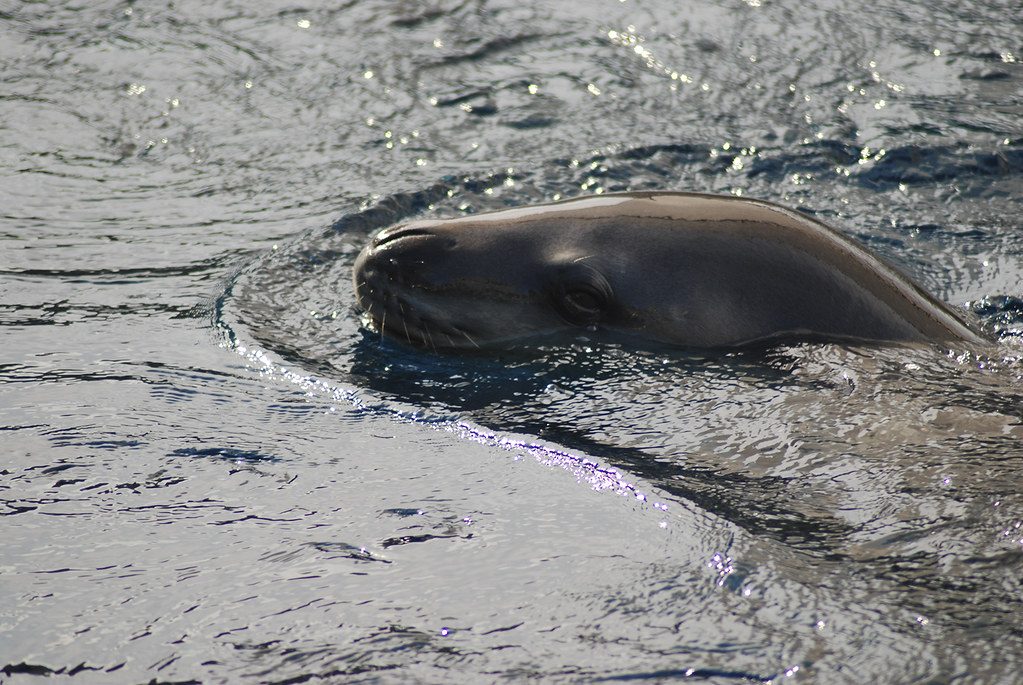
Seals depend on excellent eyesight, hearing, and highly sensitive whiskers to understand their surroundings. Their whiskers can even detect tiny water movements left behind by swimming fish. These amazing senses help them hunt and safely travel through the ocean.
Their front flippers also play an important role. Seals use them to steer, balance, and sometimes gently investigate objects they find underwater. A careful touch with a flipper is one way a curious seal can explore something unfamiliar without showing aggression.
Why these encounters are uncommon
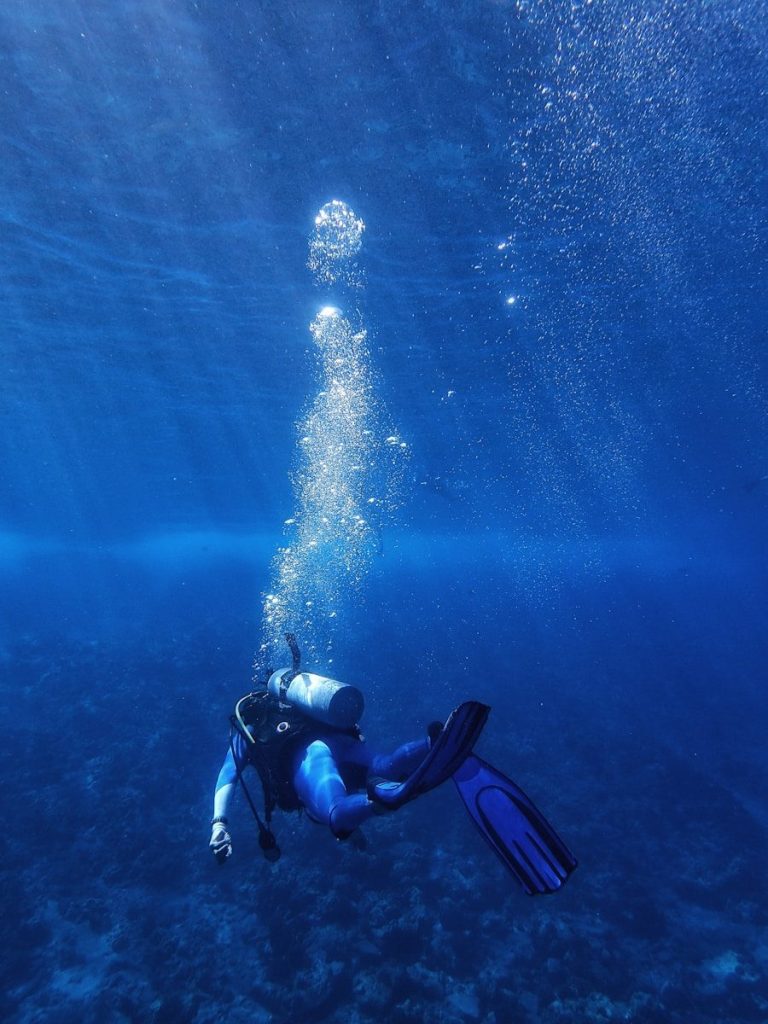
Most seals avoid people and continue swimming without stopping. Close interactions happen only under the right conditions, often when the animal feels relaxed, healthy, and unthreatened. Even then, there is no guarantee a seal will approach a diver.
Location also matters. Some diving areas are known for young gray seals or harbor seals that have become accustomed to seeing divers from a safe distance. Even in those places, every encounter is different because each seal behaves according to its own instincts.
Respecting wildlife after the encounter
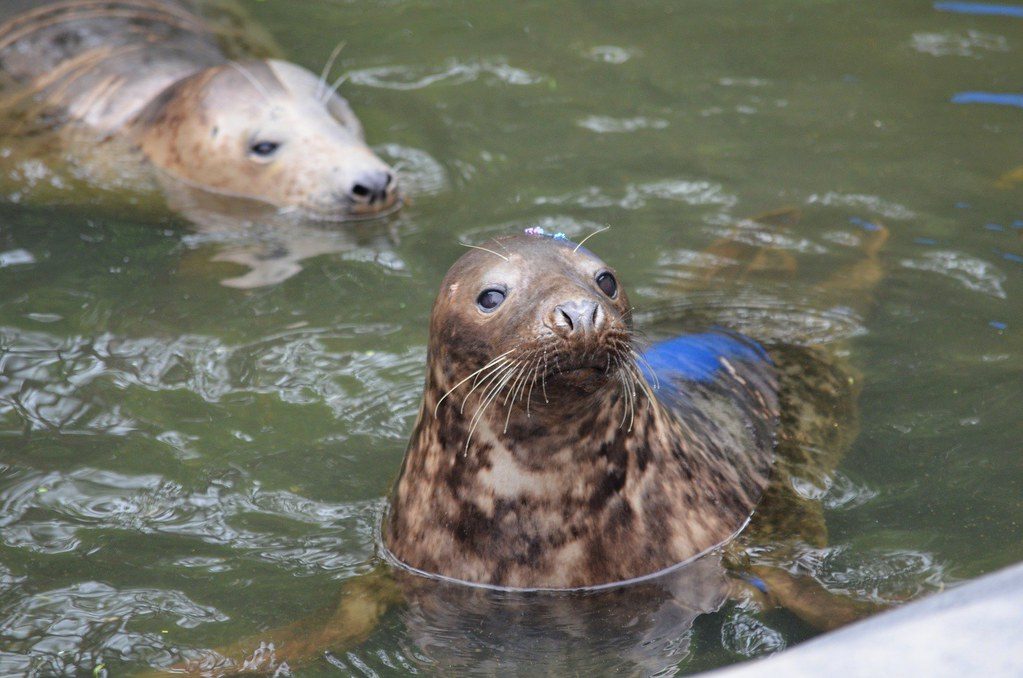
A gentle meeting like this creates a wonderful memory, but it should never encourage people to seek physical contact with wild seals. They are protected marine mammals that deserve space. They can also bite if they feel frightened or cornered.
The best wildlife experiences happen when humans act as quiet observers. Giving seals room to make their own choices protects their natural behavior and helps future visitors enjoy similar encounters without disturbing the animals.
Leave a Reply