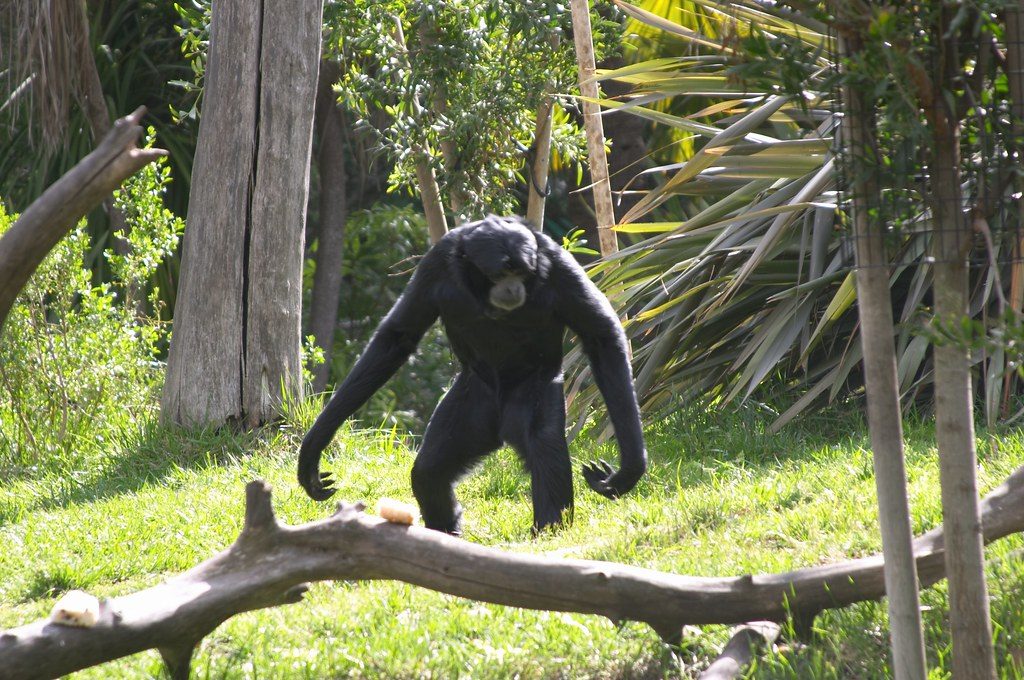
Have you ever wondered if a wild ape could care for a tiny bird? A recent siamang caring for bird story surprised many people because it showed gentle behavior that few expected. The unusual moment quickly caught attention, but it also raised questions about why a large ape would protect such a small animal.
This article explains what happened, why the behavior was so remarkable, and what scientists know about siamangs. You will also learn how these apes normally care for family members, why the event is considered unusual, and what it teaches us about animal behavior.
What happened between the siamang and the bird
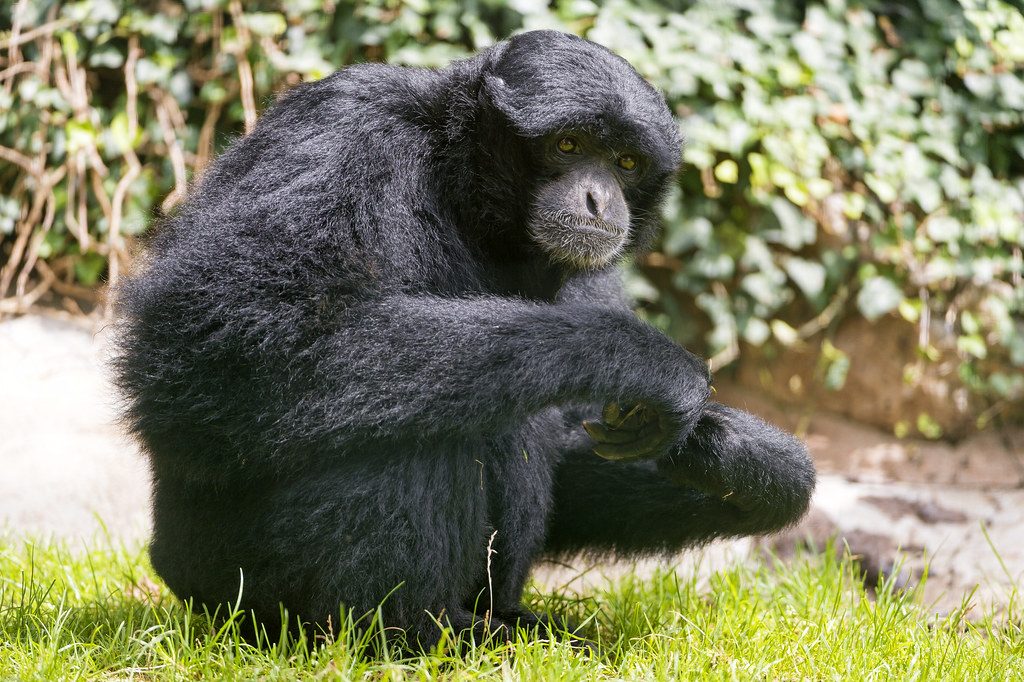
The unusual event involved a female siamang that gently picked up a young bird that had entered her zoo habitat. Instead of harming it, she carefully held it, cradled it, and even showed grooming behaviors that are normally directed toward her own young. Keepers watched closely because the interaction was unlike the animal’s usual daily activities.
The siamang stayed calm while caring for the chick. When zoo staff encouraged her to come closer, she carried the bird to the enclosure mesh so caregivers could safely reach it. The bird was checked, fed, and later reunited with its mother without injuries, making the encounter both rare and heartwarming.
Why this behavior surprised experts
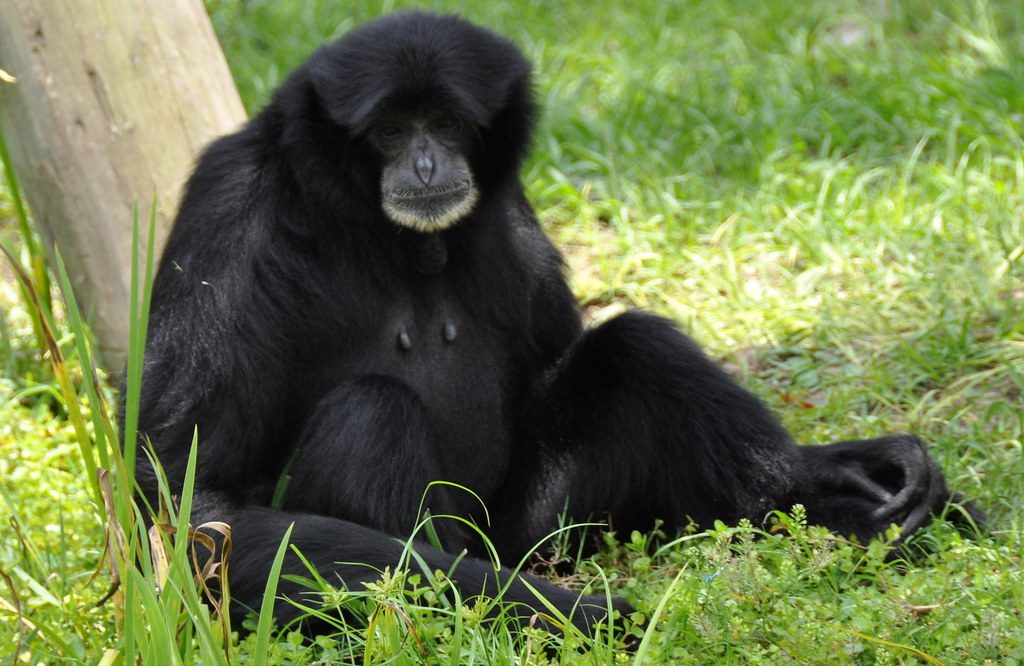
Siamangs are peaceful apes, but they usually focus their care on members of their own family. Grooming, holding, and comforting are important parts of their social lives, helping strengthen bonds between parents, mates, and young offspring. Seeing those same actions directed toward a wild bird is highly unusual.
Animal experts believe the female may have responded to the chick’s small size, sounds, or movements in ways that triggered nurturing instincts. However, scientists cannot say for certain what the ape was thinking. It is important not to assume that animals experience emotions exactly like humans do.
How siamangs normally care for their families
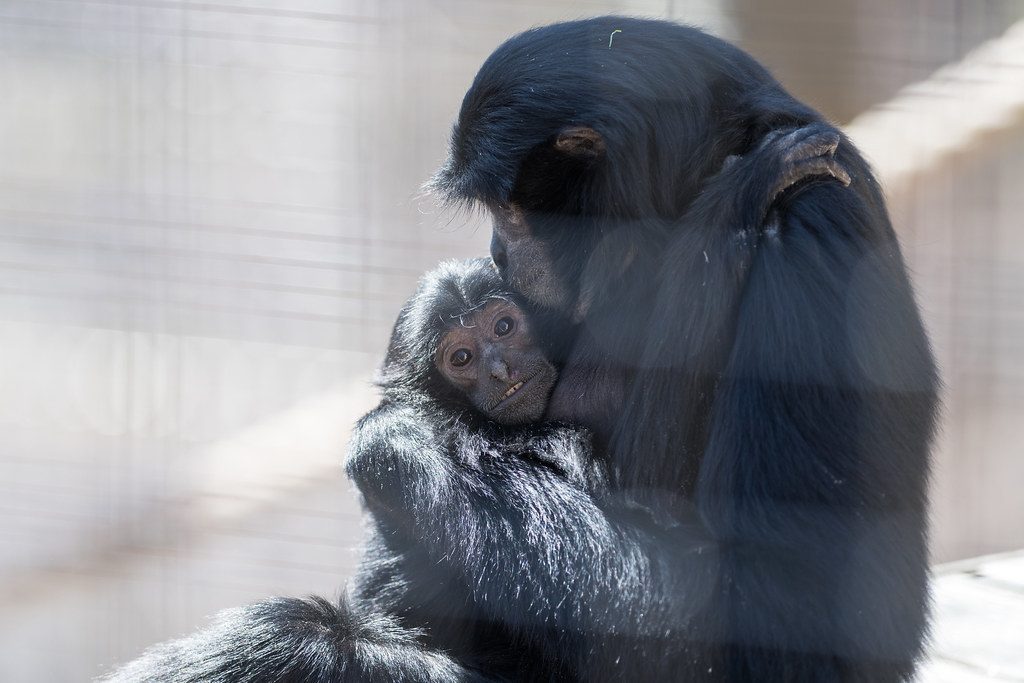
Siamangs are the largest living gibbons and live in close family groups in the rainforests of Indonesia, mainly on Sumatra and nearby areas. They spend much of their day traveling through the trees, eating fruit and leaves, singing loud duets, and staying close to family members.
One special fact about siamang families is that fathers help raise their young more than many other gibbon species. As infants grow older, fathers often carry them for long periods while both parents continue grooming and protecting them. This strong family care makes siamangs different from many other primates.
Why grooming is so important
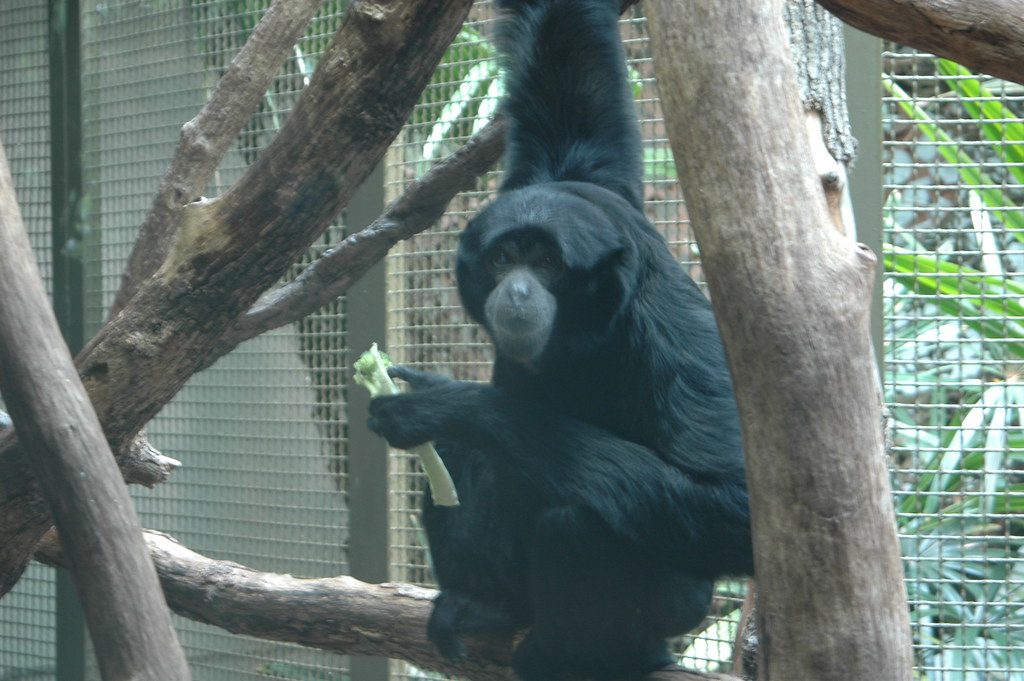
Grooming is much more than cleaning fur. For siamangs, it builds trust, reduces stress, and strengthens relationships within the family group. Adults spend time grooming each other almost every day as part of their normal social routine.
During the bird encounter, the female performed gentle grooming motions similar to those seen between family members. Even though the bird was not another siamang, the careful handling showed behaviors already found in the species’ natural social life rather than completely new actions.
What this teaches us about animal behavior

Rare events like this remind scientists that animals sometimes behave in unexpected ways. A single observation can reveal new questions, but it does not prove that every siamang would react the same way. Researchers rely on many observations before drawing broad conclusions.
The encounter also shows why careful study matters. Instead of guessing the ape’s feelings, scientists compare the behavior with what is already known about siamang parenting, grooming, and social bonds. This careful approach helps separate evidence from assumptions.
Why protecting siamangs matters
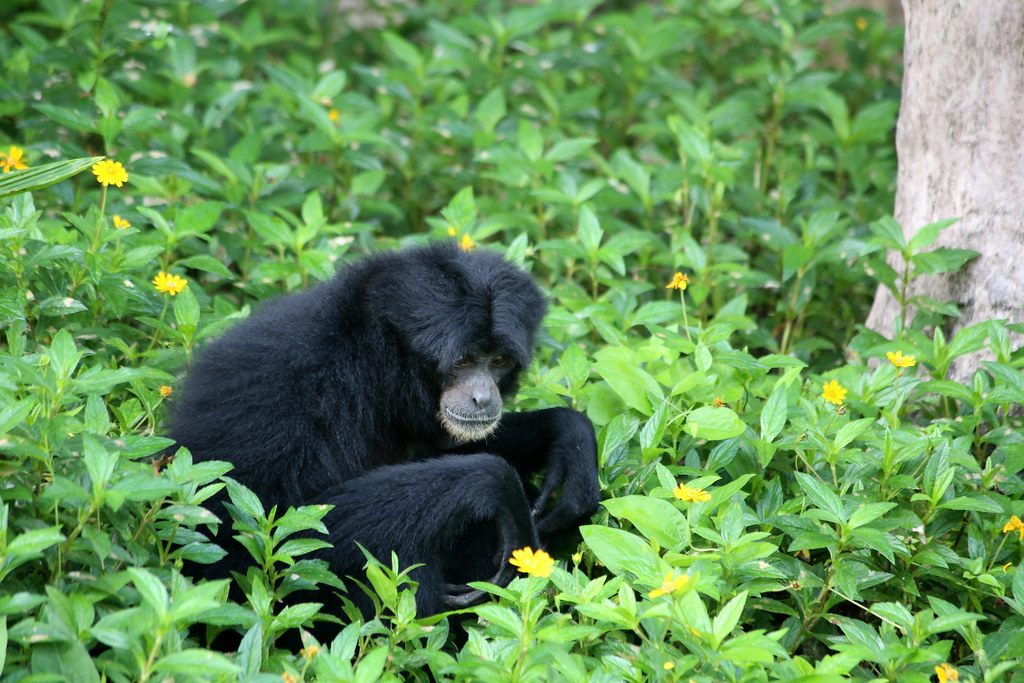
Siamangs face serious threats because tropical forests continue to disappear. Habitat loss and illegal wildlife trade have reduced wild populations, making conservation an important priority. Protecting forests also protects the many other plants and animals that share the same habitat.
Stories like this help people appreciate these intelligent apes beyond their famous songs and tree-climbing skills. While the gentle meeting with the young bird was unusual, it reminds us that wildlife can still surprise us and that every protected animal plays an important role in nature.
Leave a Reply