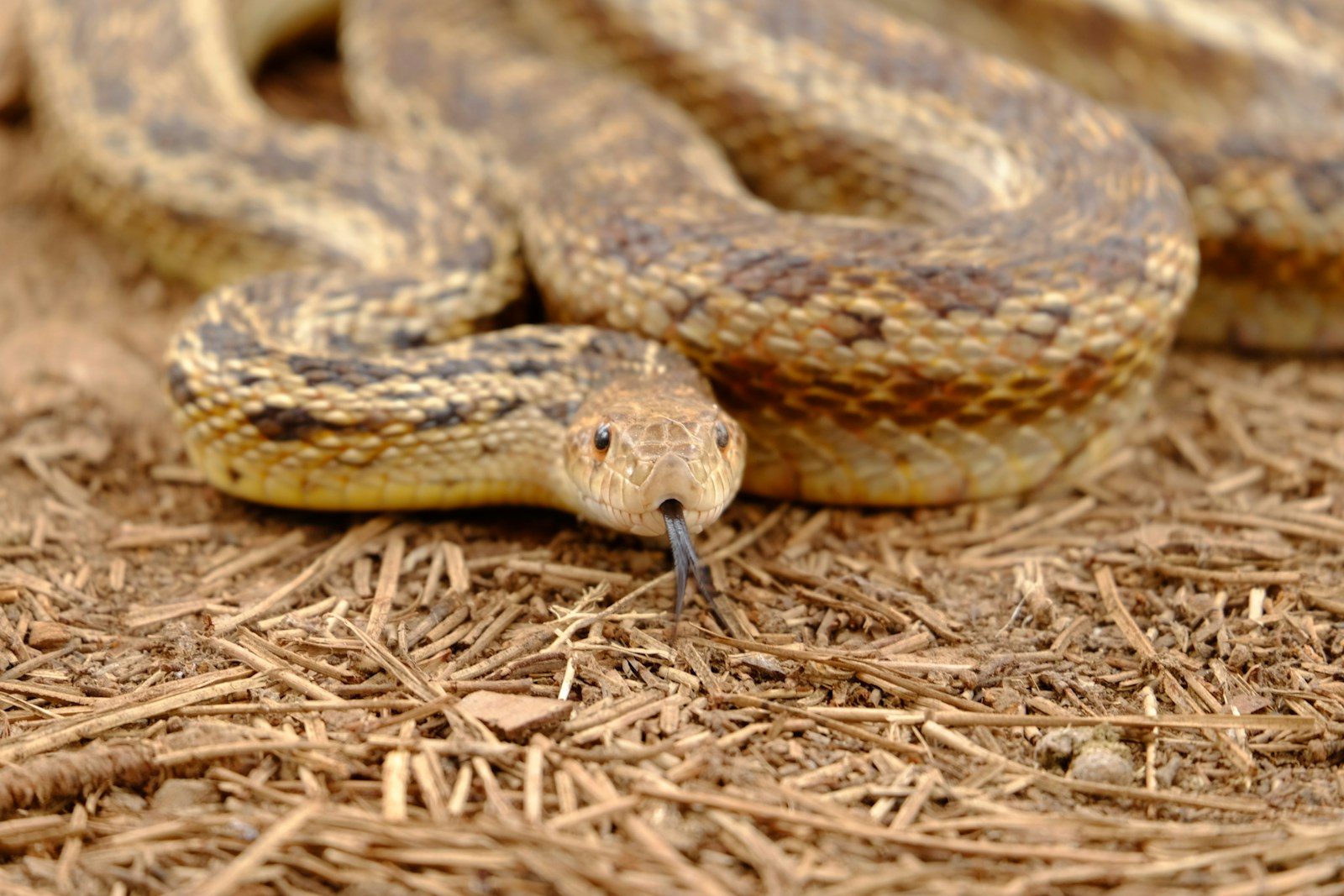
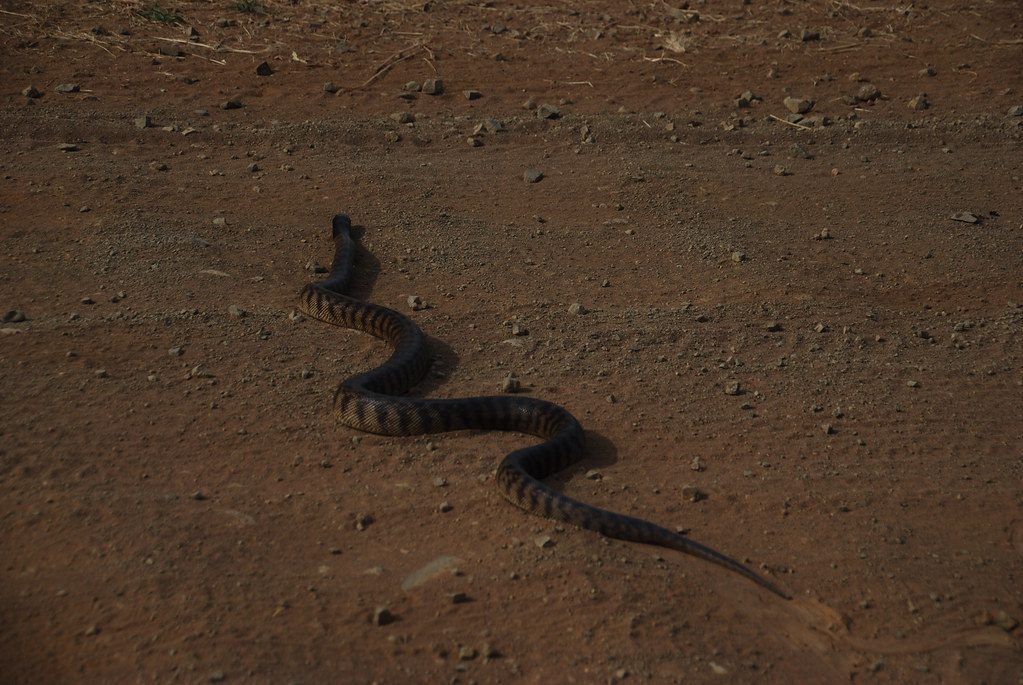
Severe flooding triggered by Typhoon Maysak created an unusual emergency in southern China when nearly 900 snakes escaped from a breeding farm in Hengzhou, Guangxi. Floodwaters damaged the facility, allowing hundreds of reptiles, including venomous cobras, to spread through nearby villages.
While most of the escaped snakes were reported to be non-venomous water snakes, authorities urged residents to avoid handling any reptiles after at least one person was hospitalized with a snakebite. The incident became one of the most widely shared stories from the region’s devastating floods.
Floodwaters destroyed the snake farm
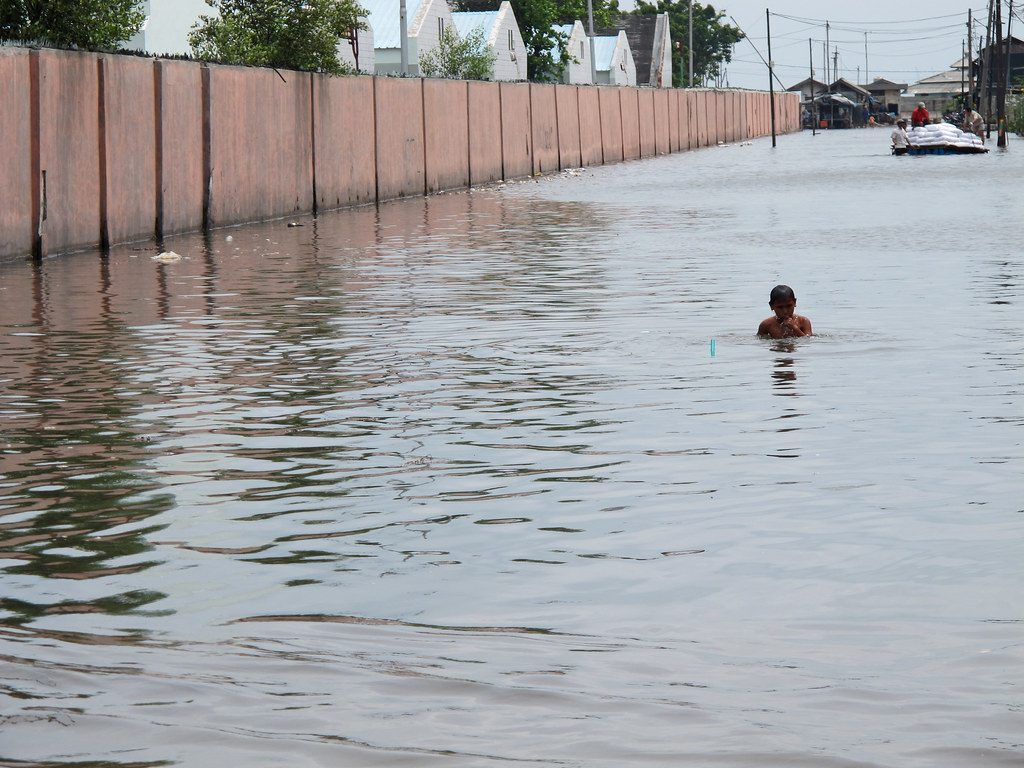
Typhoon Maysak brought torrential rain to Guangxi, causing reservoirs to overflow and flood low-lying communities around Hengzhou. The powerful floodwaters washed through several small snake-breeding farms, allowing an estimated 800 to 900 snakes to escape into surrounding neighborhoods.
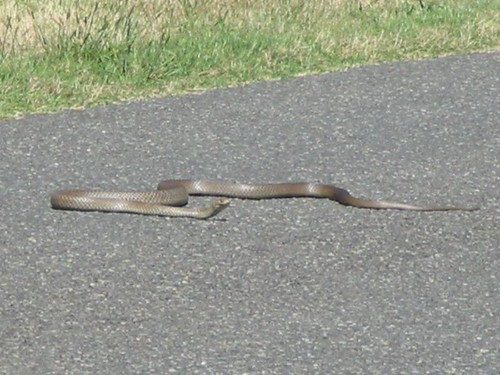
Village officials said the reptiles included cobras, king ratsnakes, and water snakes. Although venomous snakes were among those that escaped, officials emphasized that most of the reptiles were non-venomous species.
Villagers encountered snakes in floodwaters
Videos circulating online showed residents standing in floodwaters while using bamboo poles and nets to locate and capture snakes. Authorities warned people not to touch any snakes by hand because it could be difficult to identify venomous species in muddy water.
Officials confirmed that at least one villager was bitten and taken to a hospital for emergency treatment. Reports also indicated that additional residents had reported snake encounters as rescue operations continued.
Emergency teams worked to capture the reptiles
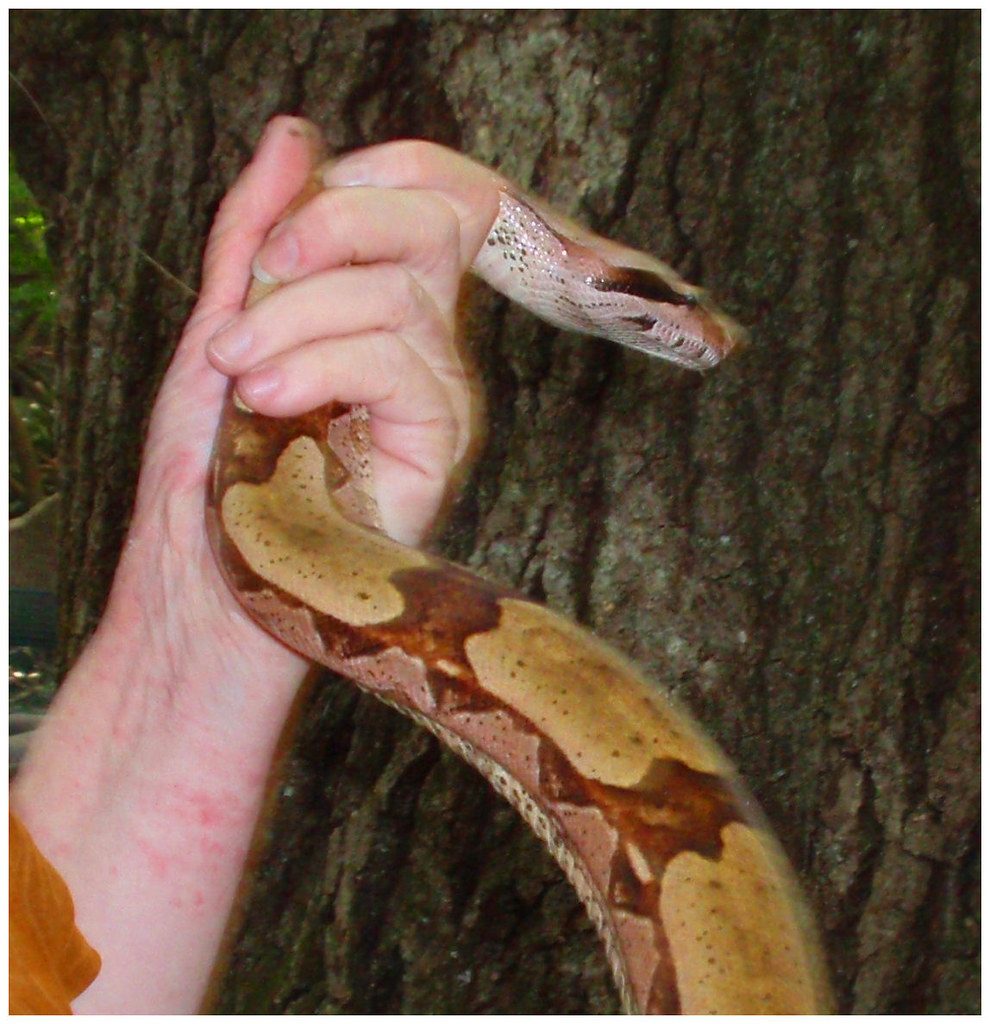
Local authorities organized a team equipped with fish nets and stun guns to recover the escaped snakes. Volunteers also joined the effort by searching flooded homes, roads, and debris where snakes had taken shelter after the floodwaters began to recede.
Officials advised residents to stay away from flooded areas whenever possible and immediately report any snake sightings rather than attempting to capture the animals themselves.
The floods affected far more than the snake farm
The escaped snakes were only one consequence of Typhoon Maysak. The storm caused widespread flooding across southern China, forcing hundreds of thousands of people to evacuate while damaging homes, roads, reservoirs, and farmland. Multiple deaths were reported as emergency crews carried out rescues across the region.
Meteorologists warned that unusually heavy rainfall, combined with warmer global temperatures and El Niño conditions, could increase the likelihood of similar extreme weather events in the future.
Snake farming is common in southern China
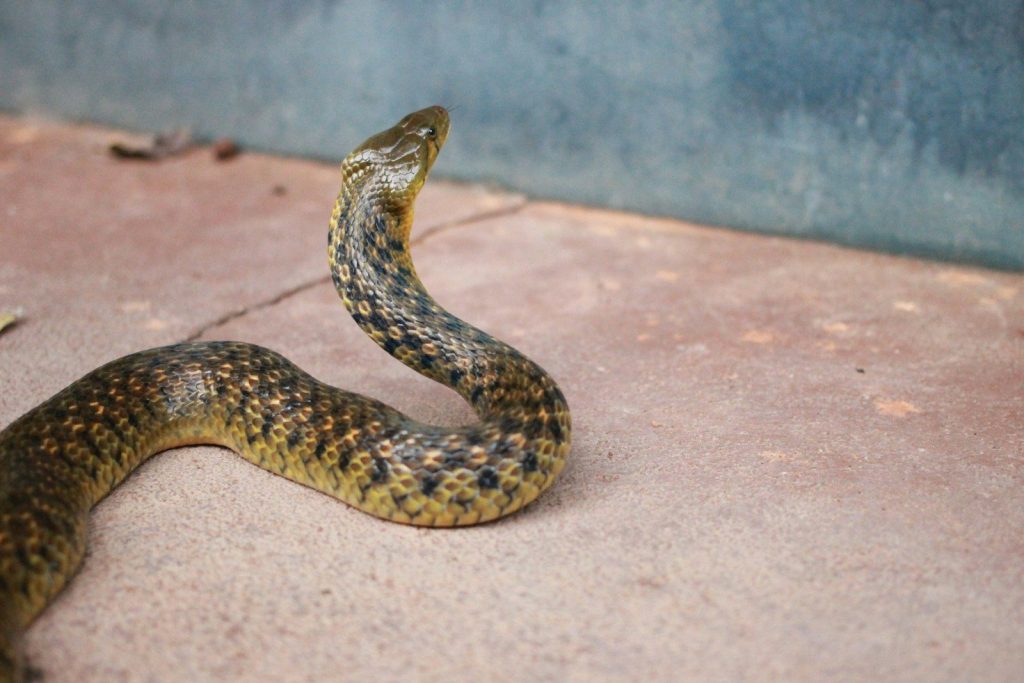
Snake breeding is a legal agricultural industry in parts of southern China, where several species are raised for food, traditional medicine, and research. Farms are often located in rural communities, making them vulnerable to flooding during severe storms.
Extreme weather events have highlighted the risks of keeping large numbers of reptiles in flood-prone areas, prompting renewed discussion about farm safety and emergency planning.
Recovery efforts continue
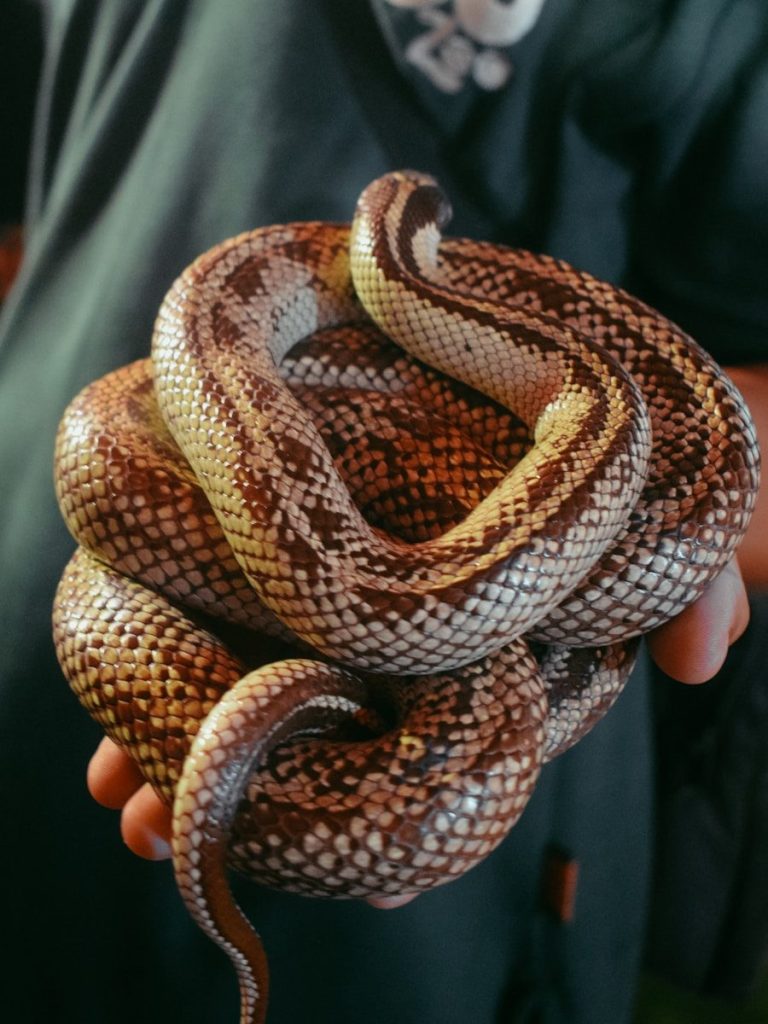
Emergency workers continue monitoring affected communities, recapturing escaped snakes, and helping residents return to their homes. Authorities remain focused on restoring infrastructure, preventing additional injuries, and preparing for further heavy rainfall as southern China recovers from one of its most disruptive flood events of the year.
Leave a Reply