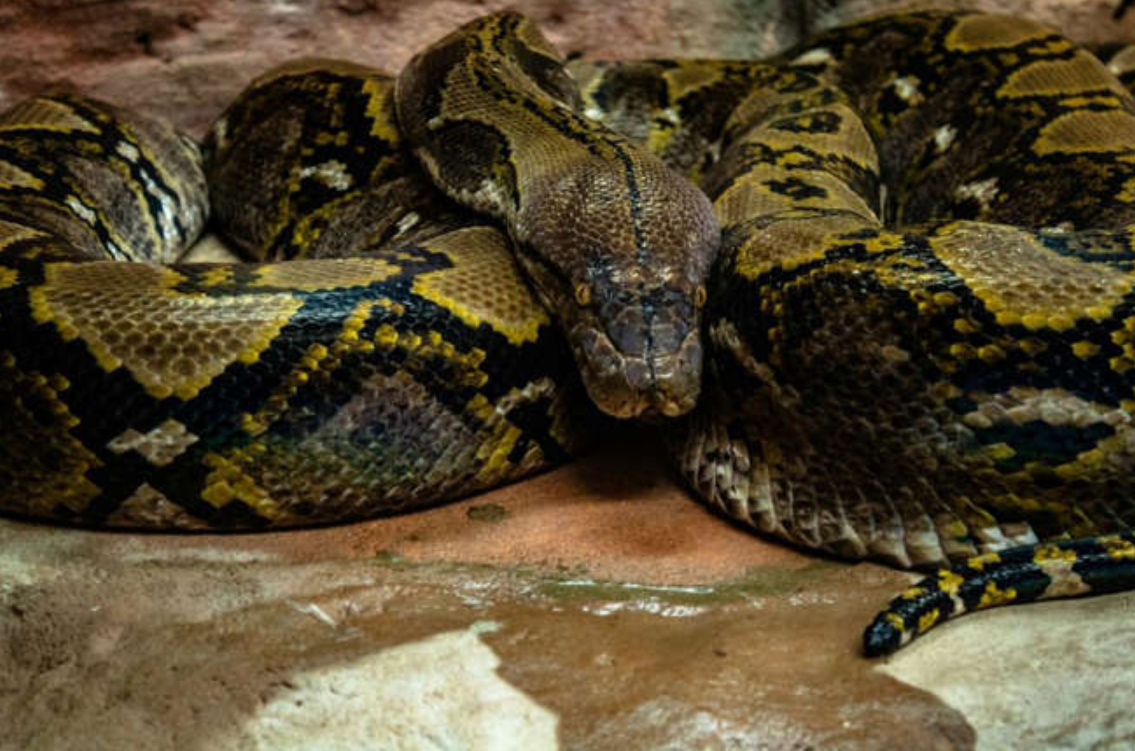
Many people dream about owning unusual animals. A monkey wearing clothes or a giant snake in a glass tank may look exciting online. But some animals are very poor choices for pets. They can become dangerous, stressed, sick, or impossible to care for in a normal home. In many cases, these animals suffer because people do not understand their needs. Some can also spread diseases or hurt humans without warning.
Animals considered the worst choices for pets often need special food, huge spaces, expert care, or wild environments that homes cannot provide. This article explains why certain animals should usually stay in the wild or under trained care. You will learn about the dangers, health risks, legal problems, and animal welfare concerns linked to keeping these creatures as pets.
Primates are too wild for home life
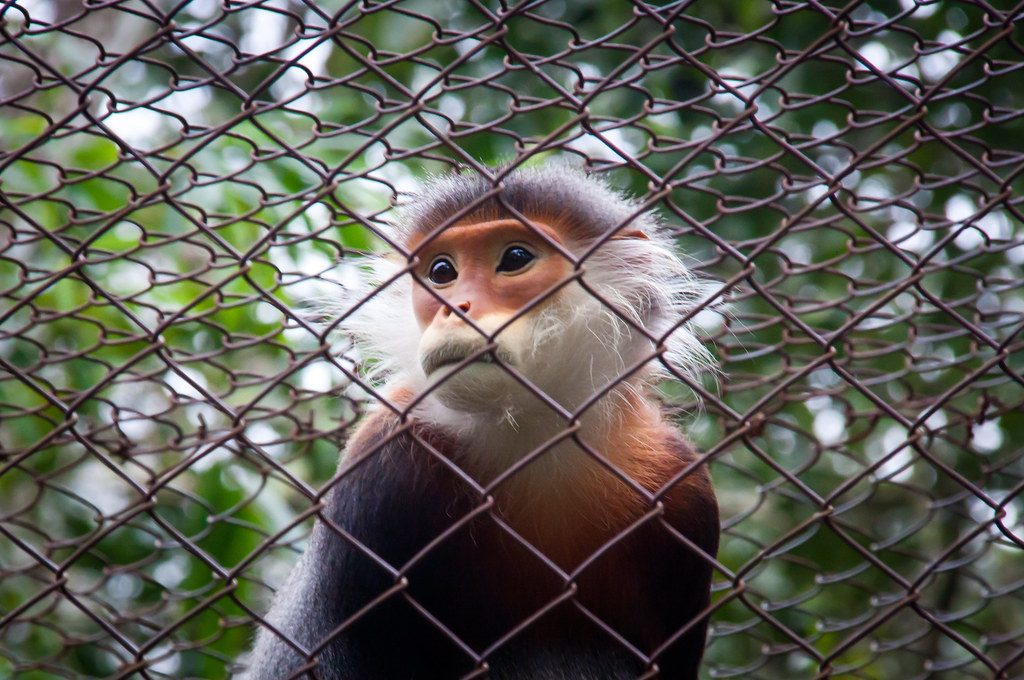
Monkeys and other primates are one of the worst pet choices for most people. They may look smart and playful when young, but they often become aggressive as they grow older. Adult monkeys can bite, scratch, throw objects, and attack people when scared or upset. Even small monkeys are very strong for their size. Some primates also carry dangerous diseases that can spread to humans. Health experts warn that wild animals like monkeys should not be kept as pets because they can spread serious germs and become unpredictable.
Primates also suffer badly in private homes. They are social animals that normally live in groups and spend hours climbing, exploring, and communicating. A cage or bedroom cannot replace a jungle or large sanctuary. Many owners become overwhelmed by the cost and care needs. Online discussions from animal experts and sanctuary workers often describe rescued monkeys living with stress, poor diets, and behavior problems after being kept as pets.
Big cats are dangerous and difficult
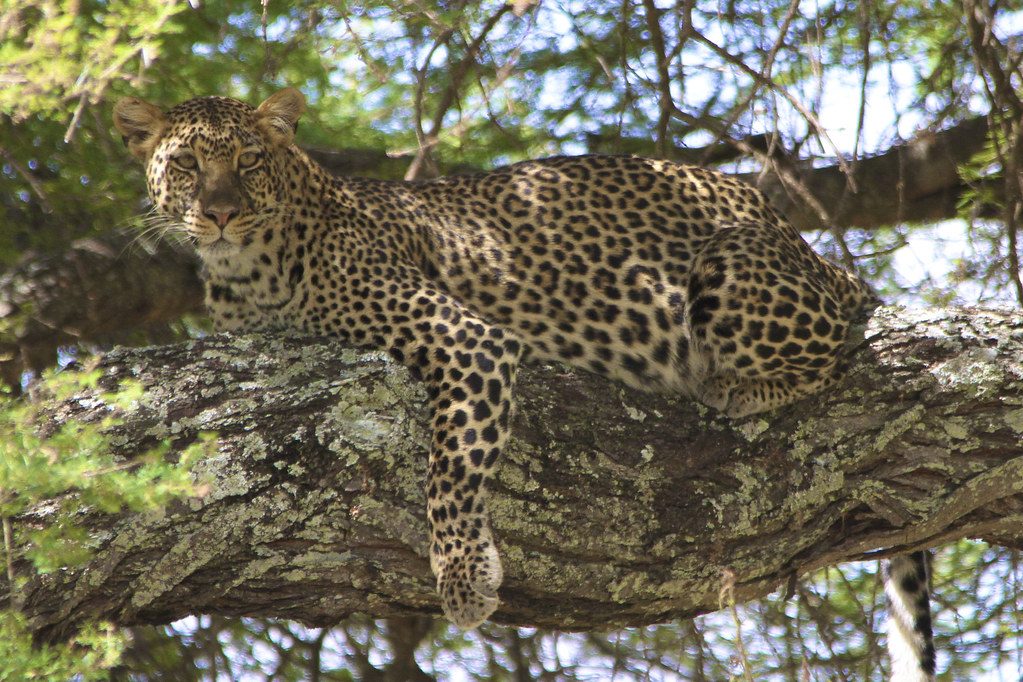
Tigers, lions, leopards, and other big cats are extremely risky pets. Even when raised by humans, they still act like wild predators. A playful swipe from a tiger can seriously injure or kill someone. These animals need large spaces, raw meat diets, and expert handlers. They can also escape and threaten neighbors, pets, and local wildlife. Many states and countries have strict laws about owning big cats because of these dangers.
Big cats also face serious welfare problems in private ownership. Animal rescue groups and former workers at roadside zoos have reported poor living conditions, tiny cages, and unhealthy breeding practices. Cubs may look cute for photos, but they quickly become too large and dangerous to handle. Some online discussions explain how many exotic cat owners are unable to give proper lifelong care. These animals belong in accredited zoos or protected wildlife areas where trained experts can meet their needs.
Venomous reptiles create major risks
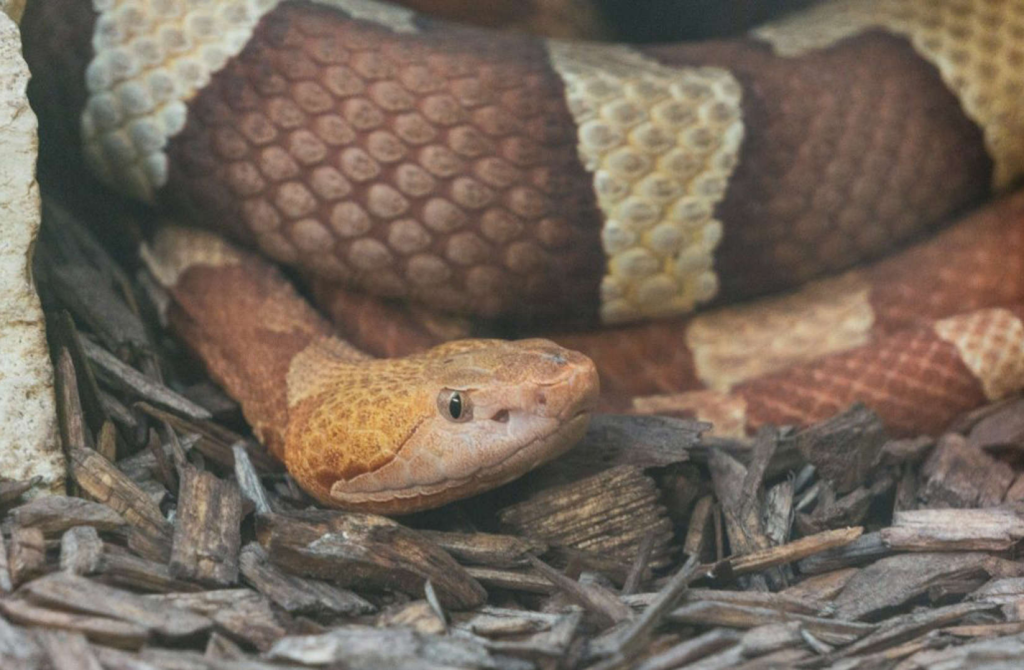
Venomous snakes, poisonous frogs, and other toxic reptiles are terrible choices for pets. A single bite can cause severe injury or death. Medical treatment is often expensive, and special antivenom may not be available nearby. Health experts strongly advise against keeping venomous animals in homes because they are unpredictable and dangerous.
Even nonvenomous reptiles can create problems for owners. Large snakes like pythons and boas need secure habitats, heating systems, and special feeding routines. Some grow much larger than owners expect. Reptiles can also carry Salmonella bacteria, which may spread through contact with the animal or even its tank water. The CDC says reptiles and amphibians are more likely than many other pets to carry germs that make people sick. Many people buy reptiles without understanding how much work and cost they require over many years.
Alligators and crocodiles should stay in the wild
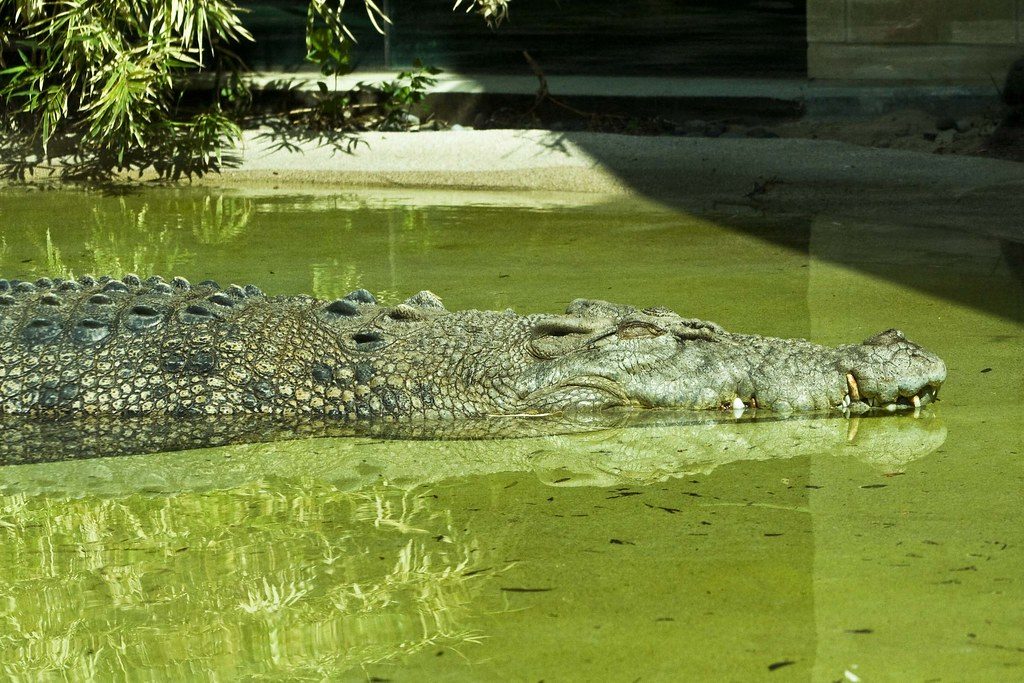
Alligators and crocodiles may seem fascinating, but they are among the worst animals to keep as pets. These reptiles are powerful predators with strong jaws and fast attack speeds. Even smaller alligators can seriously hurt humans. As they grow, they need huge enclosures, deep water areas, and heavy security. Most homes cannot safely contain them.
These animals also live for decades and continue growing throughout much of their lives. Owners who buy baby alligators often realize too late that the animal will become massive and dangerous. Some people abandon them in lakes, rivers, or parks, where they can threaten local ecosystems and people. Wildlife experts warn that wild animals should never be treated like household pets because they can injure humans and spread disease. In many places, private ownership of crocodilians is heavily restricted or illegal for public safety reasons.
Exotic birds need more care than people expect
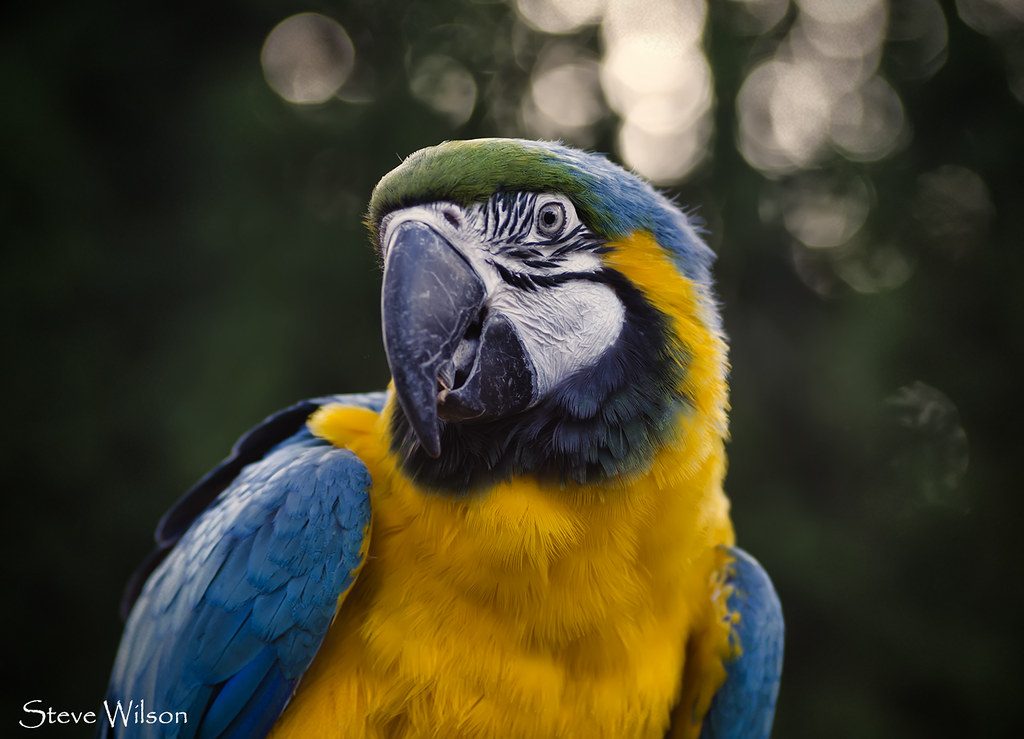
Large parrots and exotic birds are often sold as colorful and friendly pets, but they can become very difficult to manage. Some parrots live more than 50 years, which is a huge commitment. They are loud, messy, and highly emotional animals that need daily mental stimulation. Without enough attention, birds may scream constantly, pull out their feathers, or become aggressive.
Birds also need large cages, social interaction, and specialized diets. Many owners underestimate the time needed to keep them healthy and happy. Some exotic birds become depressed when left alone for long periods. They are intelligent creatures that need activities similar to what they would experience in nature. A bored parrot in a small cage can develop severe stress and behavioral issues. Sadly, many birds are surrendered to shelters because owners are not prepared for the responsibility.
Farm animals do poorly inside homes
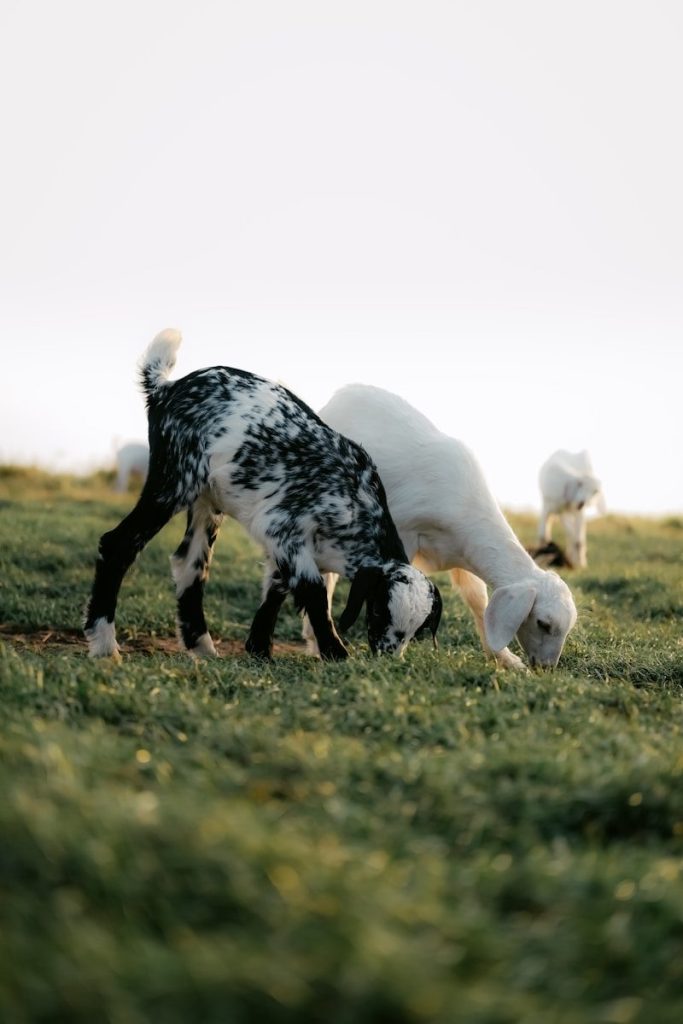
Some people try to keep pigs, goats, or other farm animals as house pets. While these animals may seem cute at first, they are not designed for indoor living. Farm animals need outdoor space, fresh air, exercise, and proper environments. Health experts explain that livestock are meant for farm settings, not homes or apartments.
Pigs and goats can become destructive indoors. They may chew furniture, damage floors, and create hygiene problems. Farm animals can also carry germs that spread to humans. Even smaller “mini pigs” often grow much larger than owners expect. Many people buy them believing they will stay tiny forever, only to discover they can weigh hundreds of pounds. Once the animals become too hard to manage, shelters and rescues are left to handle the problem. This creates stress for both the animals and the people caring for them.
Leave a Reply