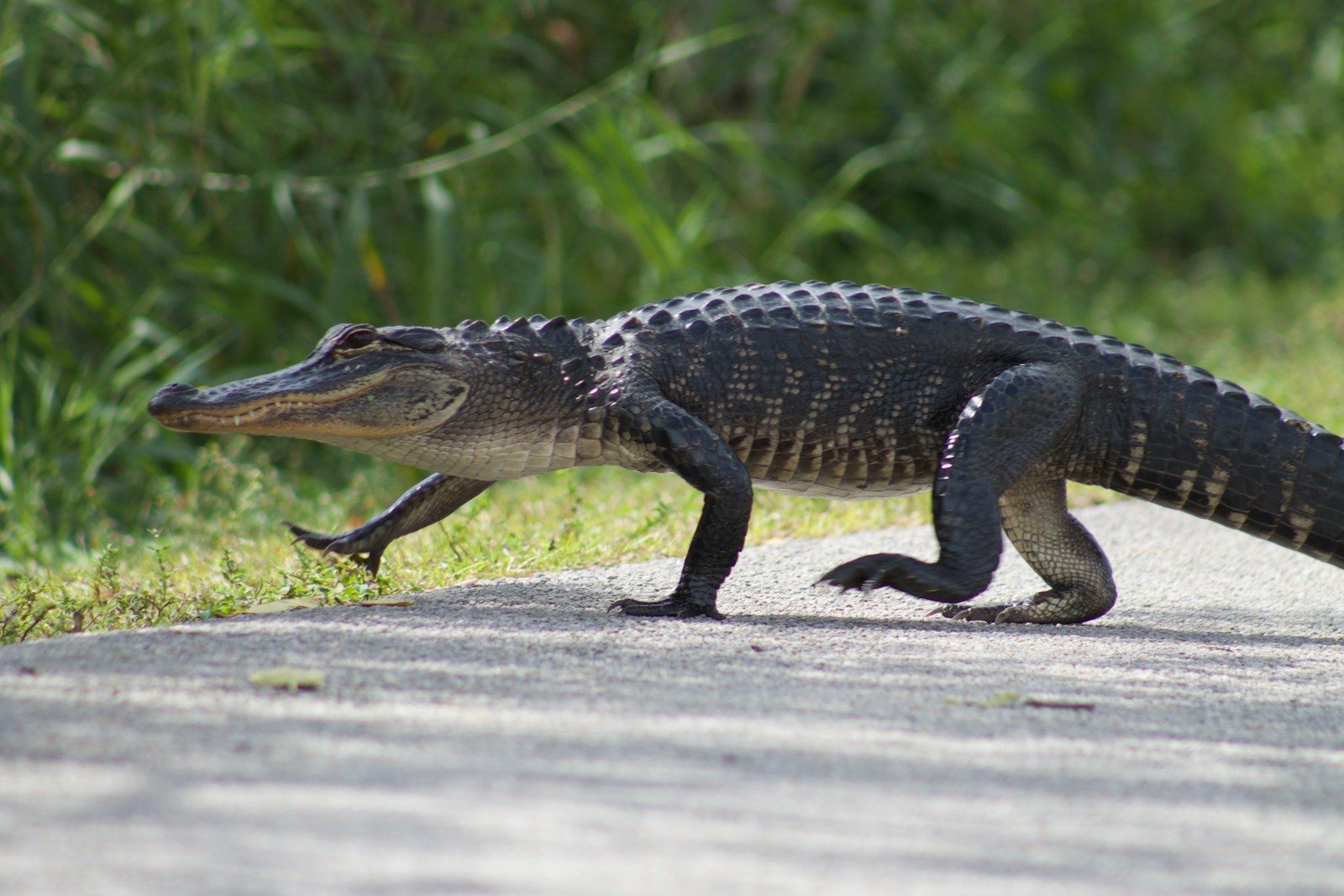
A cyclist exploring Florida’s Everglades captured a remarkable wildlife encounter when an American alligator was seen carrying and eating a Burmese python. The rare event offered a glimpse of a native predator feeding on one of South Florida’s most destructive invasive species.
While dramatic, scientists say the encounter represents just one piece of a much larger ecological battle taking place across the Everglades.
A rare encounter in the Everglades
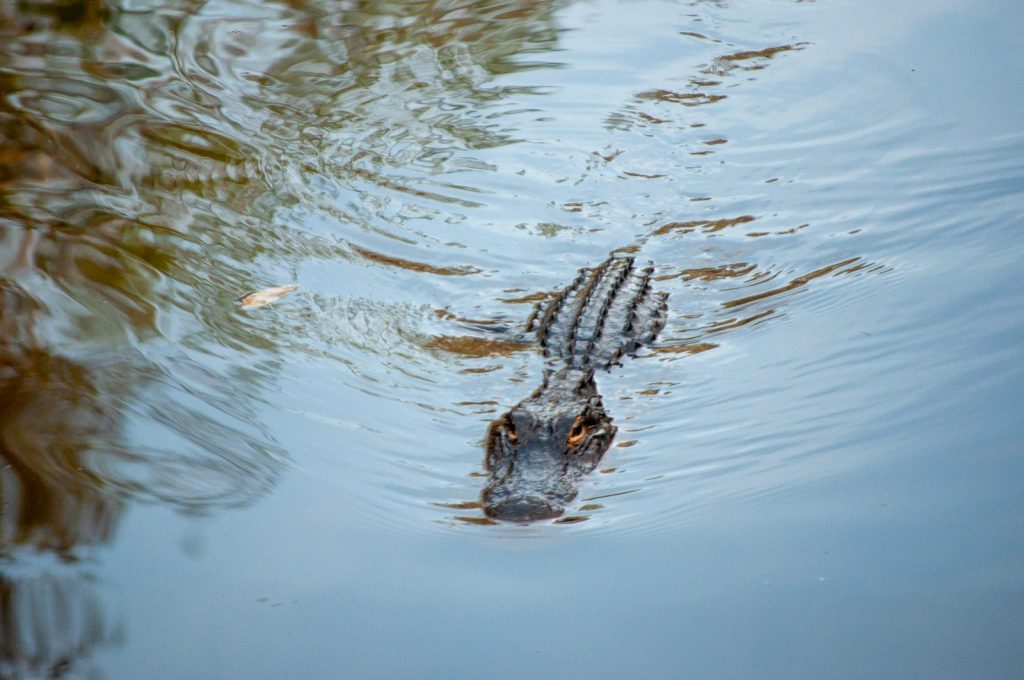
The sighting occurred in the Shark Valley area of Everglades National Park, where a cyclist noticed an alligator gripping a large Burmese python in its jaws. The reptile eventually moved through the water while continuing to hold its unusual prey.
Although both species occupy the same habitats, witnessing an alligator actively consuming a python remains uncommon, making the footage especially valuable to wildlife observers.
Why Burmese pythons are a major problem
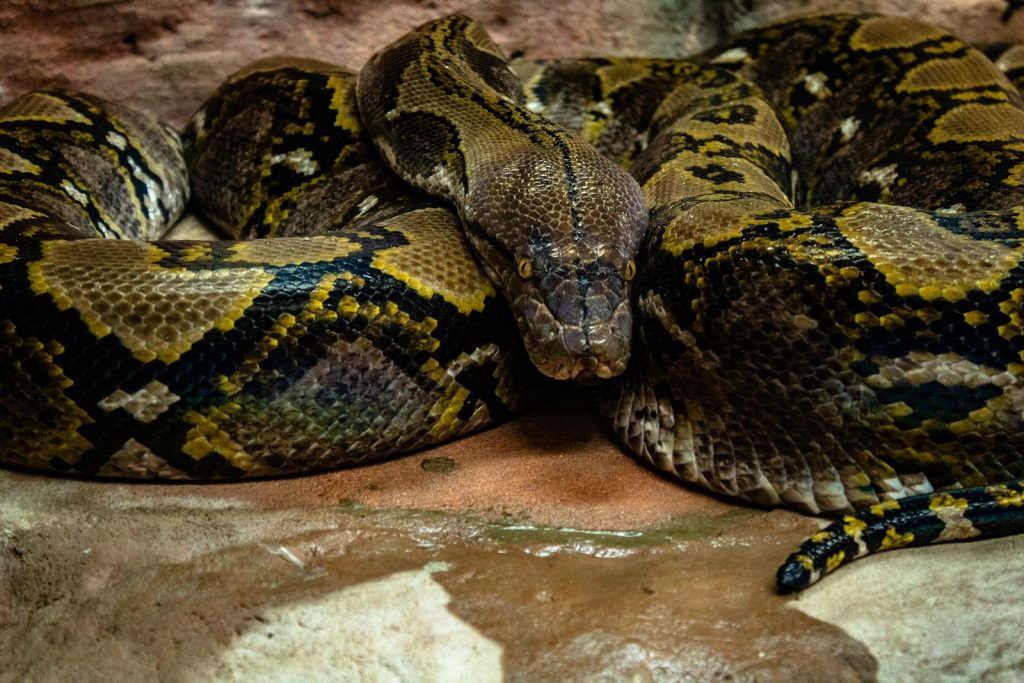
Burmese pythons are native to Southeast Asia but became established in South Florida after animals from the pet trade were intentionally or accidentally released. They have since spread across more than 1,000 square miles of South Florida.
These large constrictors prey on mammals, birds, and reptiles, contributing to major declines in several native wildlife populations within the Everglades ecosystem.
Can alligators control the invasion?
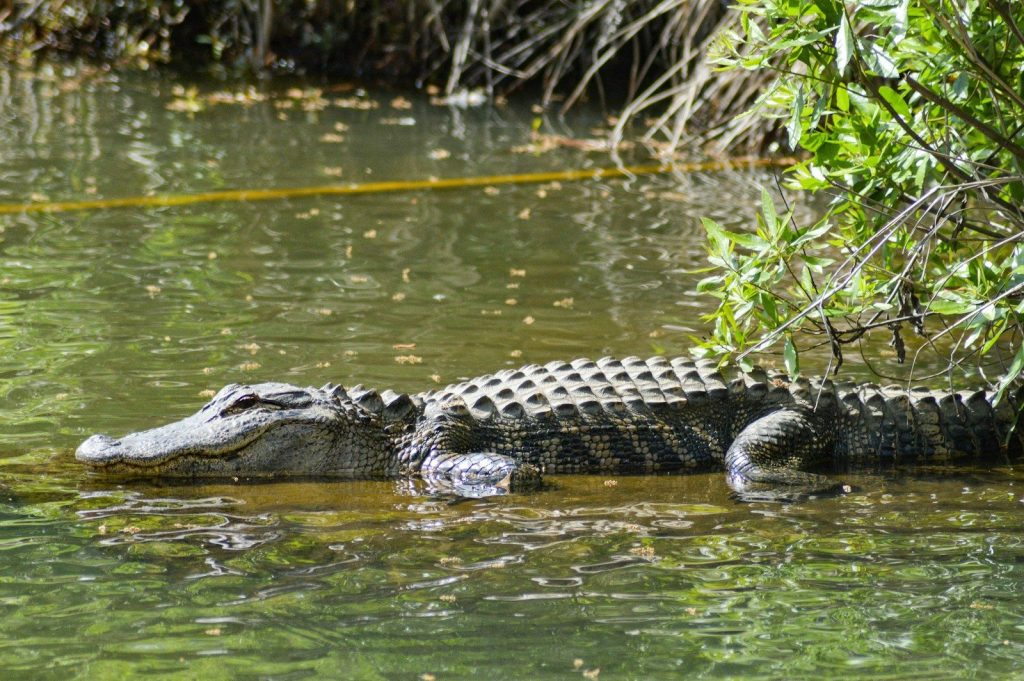
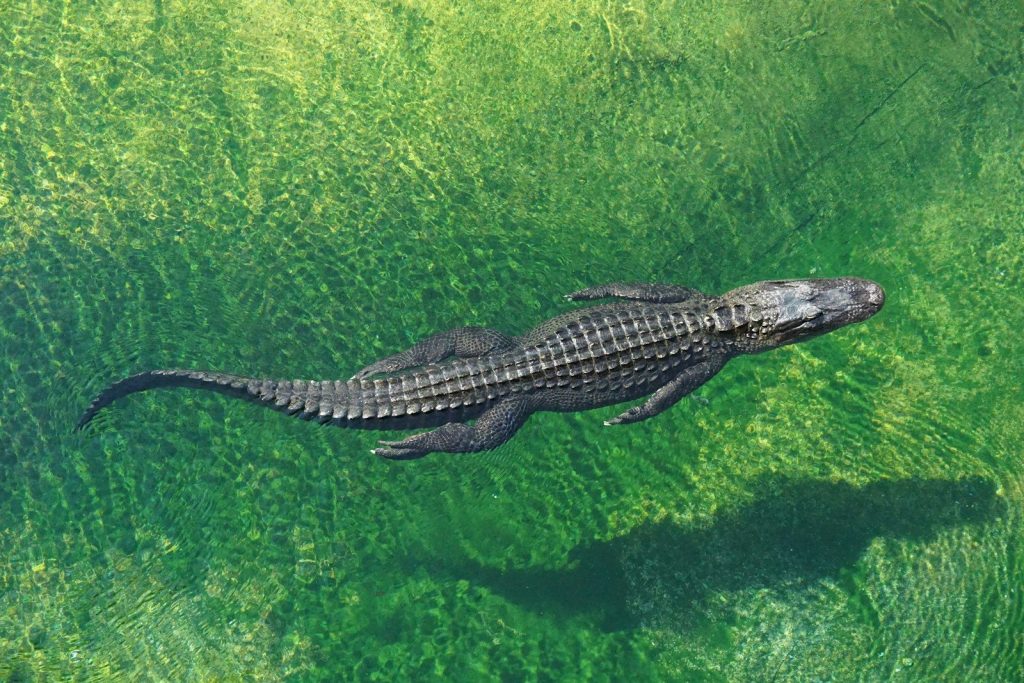
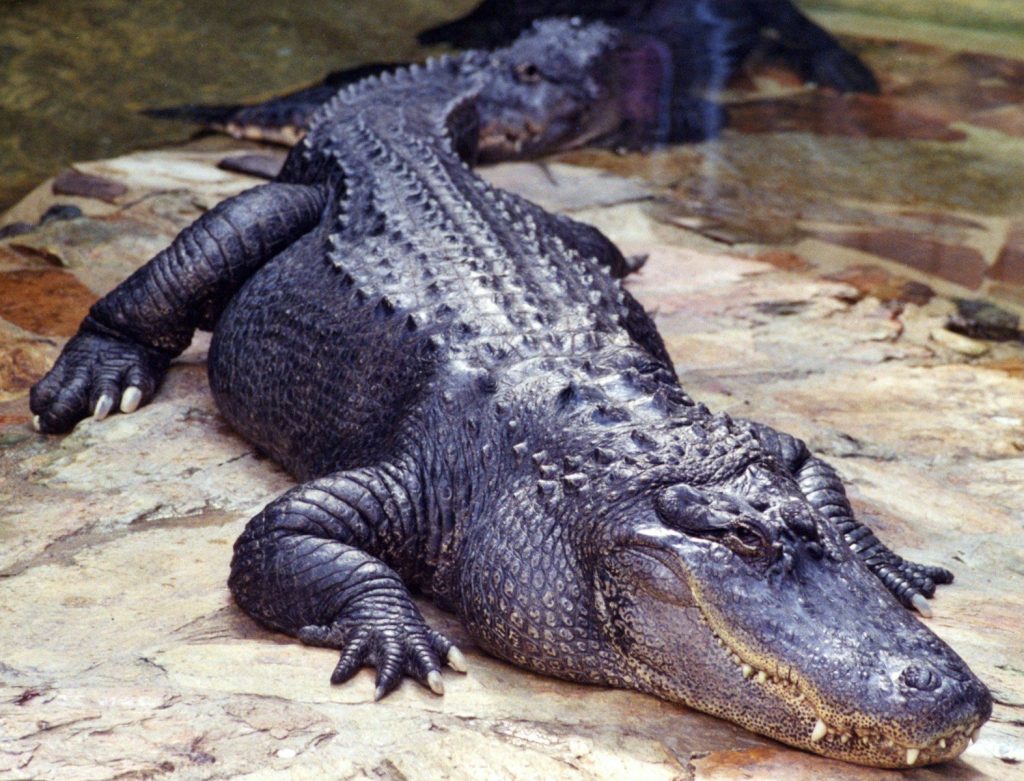
American alligators are opportunistic predators and have been documented eating Burmese pythons. However, scientists emphasize that occasional predation is unlikely to significantly reduce the invasive snake population.
Pythons reproduce successfully across large areas of difficult-to-access wetlands, making long-term management a major conservation challenge.
Two apex reptiles share the same habitat
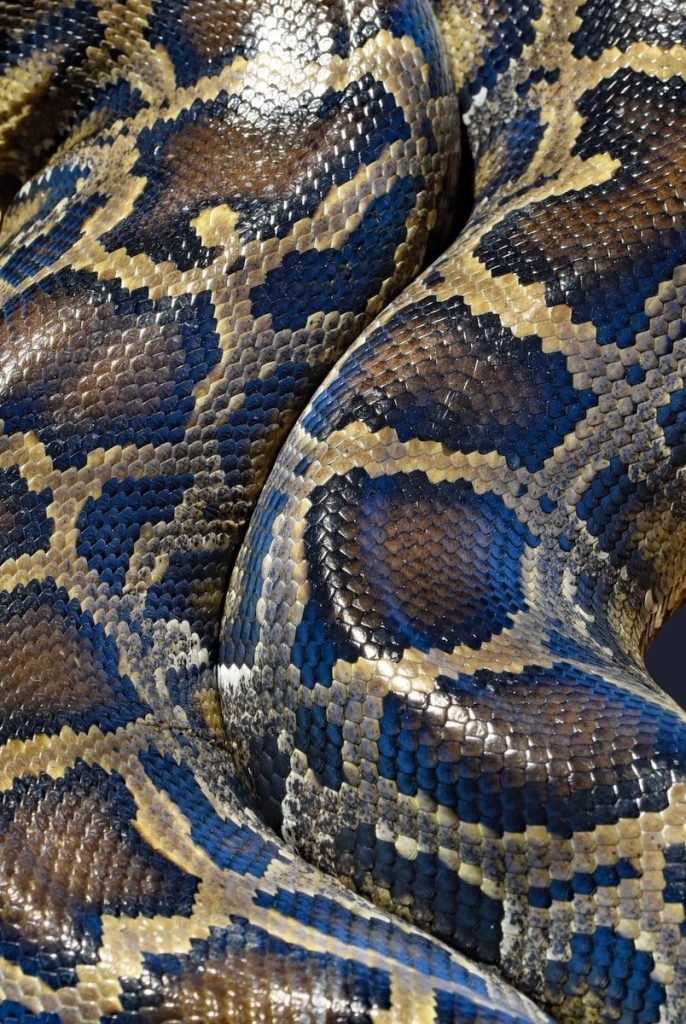
The relationship between alligators and Burmese pythons is complex. Large pythons have occasionally killed and eaten alligators, while alligators sometimes prey on smaller or similarly sized pythons.
These interactions illustrate how two powerful predators compete within the same ecosystem for food and territory.
Ongoing efforts to protect the Everglades
Florida agencies, researchers, and licensed removal teams continue monitoring and removing Burmese pythons from the Everglades. Scientists also use tracking technology to study where the snakes spread and how they survive in different habitats.
These efforts aim to reduce impacts on native wildlife while improving strategies for managing one of the world’s largest invasive snake populations.
What this encounter teaches us
The video serves as a reminder that nature remains dynamic, even in ecosystems heavily altered by invasive species. While an alligator eating a python is encouraging for native wildlife, no single event will solve Florida’s python problem.
Protecting the Everglades will continue to require scientific research, invasive species management, and long-term conservation efforts to restore balance to this unique ecosystem.
Featured Image: Photo by Michael Prewitt on Unsplash
Leave a Reply