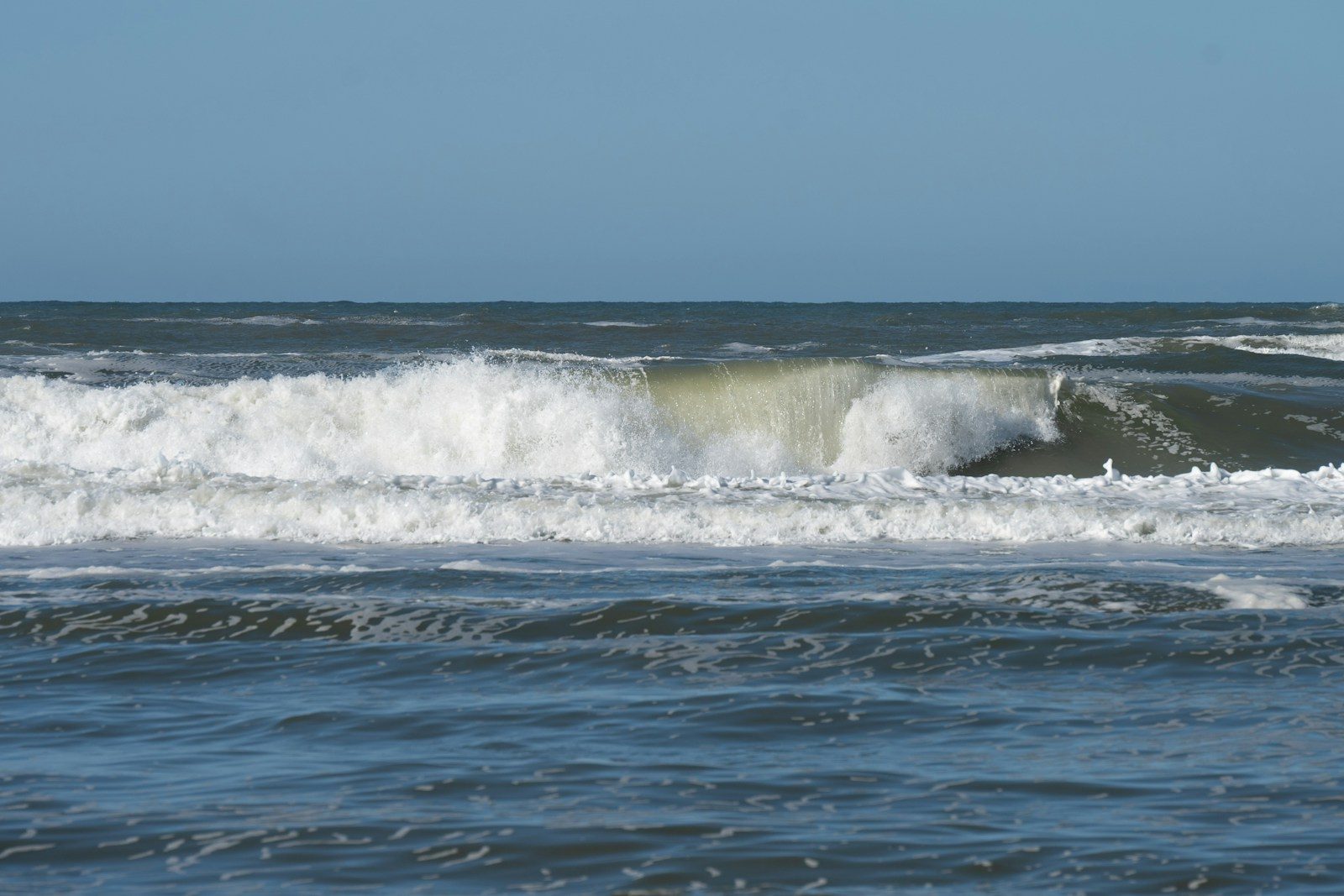
A day at the beach can quickly become dangerous if a swimmer is caught in a rip current. These powerful channels of water flow away from the shoreline and are responsible for thousands of lifeguard rescues every year.
Fortunately, understanding how rip currents work and knowing how to respond can greatly improve a person’s chances of staying safe. Lifeguards regularly teach these survival techniques because the right response can prevent panic and save lives.
What is a rip current?

A rip current is a narrow, fast-moving channel of water that carries water away from the beach after waves break. Contrary to a common misconception, rip currents do not pull swimmers underwater. Instead, they move people away from shore, sometimes faster than an Olympic swimmer can swim.
Stay calm and conserve your energy

The biggest danger is panic. Many swimmers instinctively try to swim directly back toward shore, quickly becoming exhausted.
Lifeguards recommend staying calm, floating if possible, and avoiding unnecessary effort. Conserving energy allows you to think clearly and increases your chances of escaping safely or being rescued.
How to escape safely
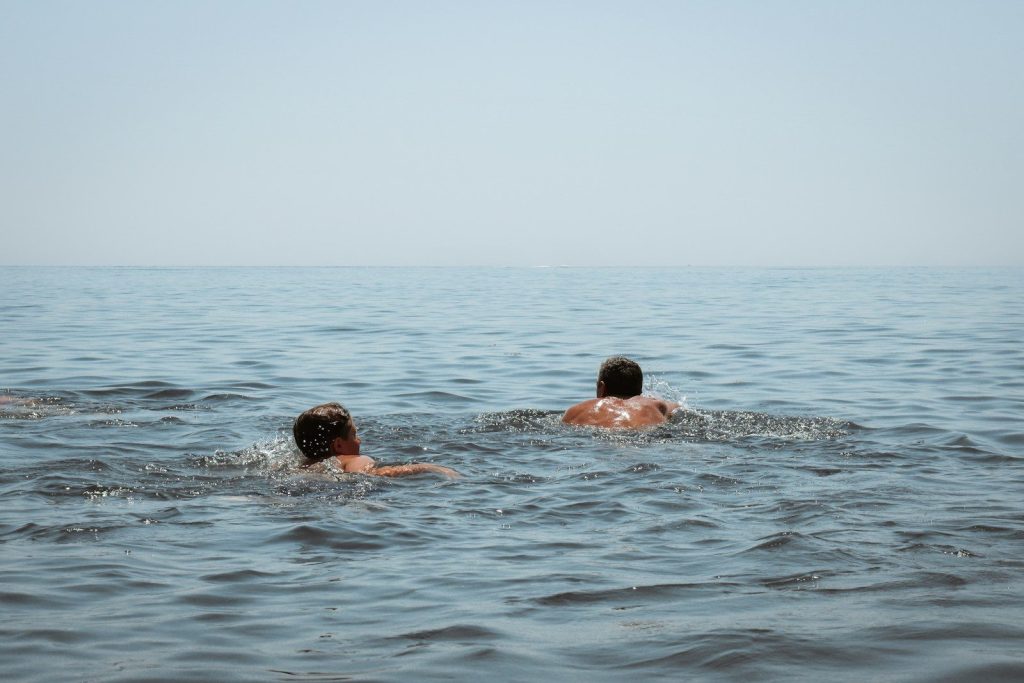
If you are able to swim, move out of the strongest part of the current rather than fighting directly against it. Once you are free of the current, swim back toward shore at an angle.
If you cannot escape immediately, continue floating, wave one arm, and call for help until assistance arrives.
Learn to spot a rip current
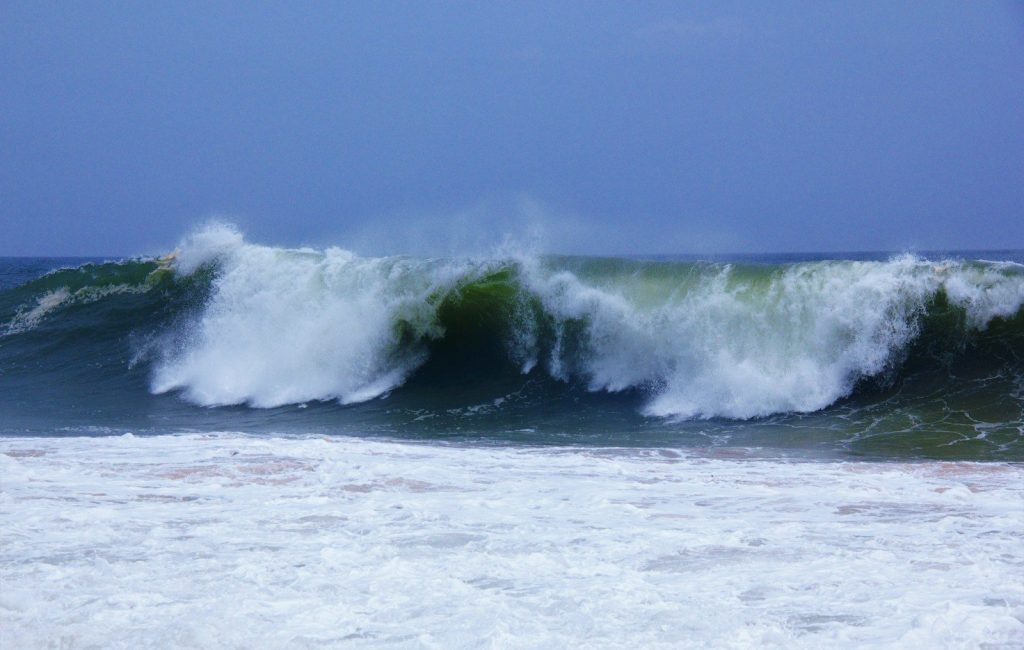
Rip currents often appear as calmer, darker channels between breaking waves. They may also contain foam, seaweed, or sand moving steadily away from shore.
Because they can be difficult to recognize, experts recommend swimming only at beaches monitored by lifeguards and paying attention to warning flags and posted safety information.
If someone else is caught

If another swimmer is struggling in a rip current, alert a lifeguard immediately or call emergency services. Throwing a flotation device can help if one is available.
Entering the water without proper rescue training can place both the rescuer and the victim in danger, so experts advise leaving water rescues to trained professionals whenever possible.
Beach safety starts before you swim
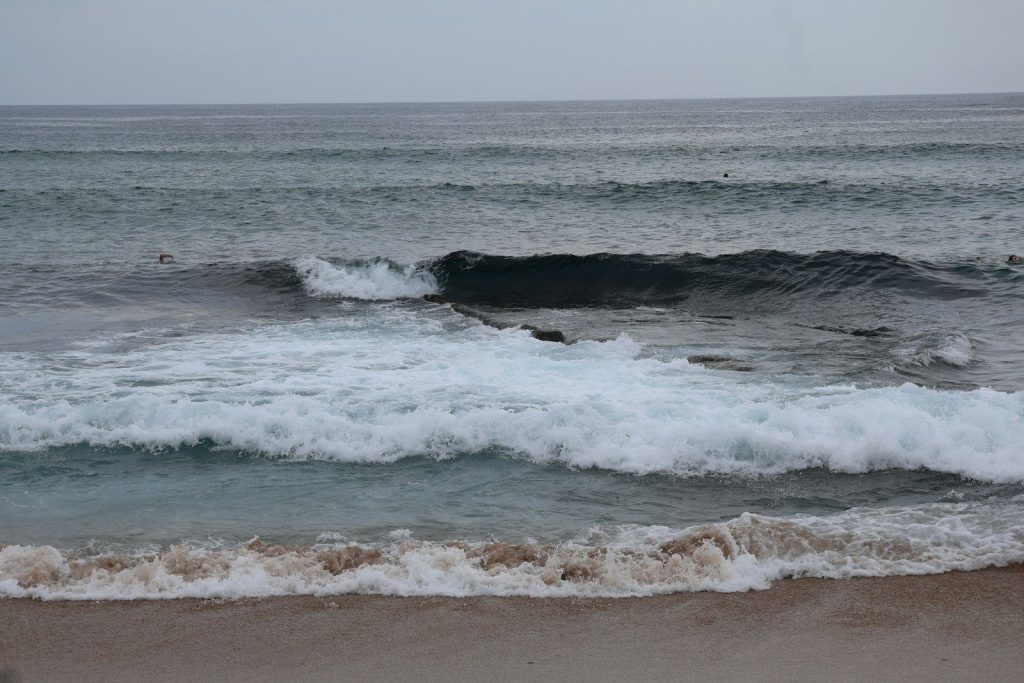
The safest way to avoid a rip current is to prepare before entering the water. Swim at beaches with lifeguards, stay within designated swimming areas, check local surf conditions, and never swim alone.
Understanding beach hazards before entering the ocean can help prevent emergencies and make every beach visit safer for everyone.
Featured Image: Photo by Julia Taubitz on Unsplash
Leave a Reply