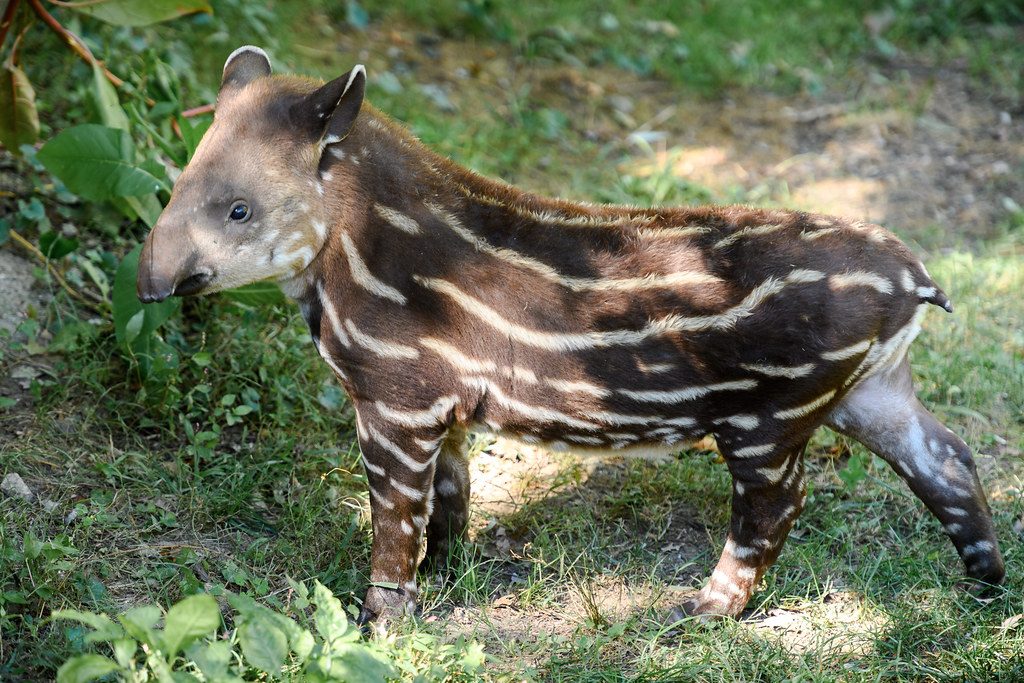
A special new arrival is giving animal lovers a reason to celebrate. The CBBC zoo celebrates its first tapir calf born in 14 years, marking an important milestone for both the zoo and wildlife conservation. Births like this are uncommon and help support the future of a species facing growing challenges in the wild.
This article explains why the tapir calf’s birth is important, how the mother and baby are doing, and why tapirs play a key role in rainforest ecosystems. You’ll also learn how modern zoo breeding programs help protect vulnerable species for future generations.
A rare birth for the zoo
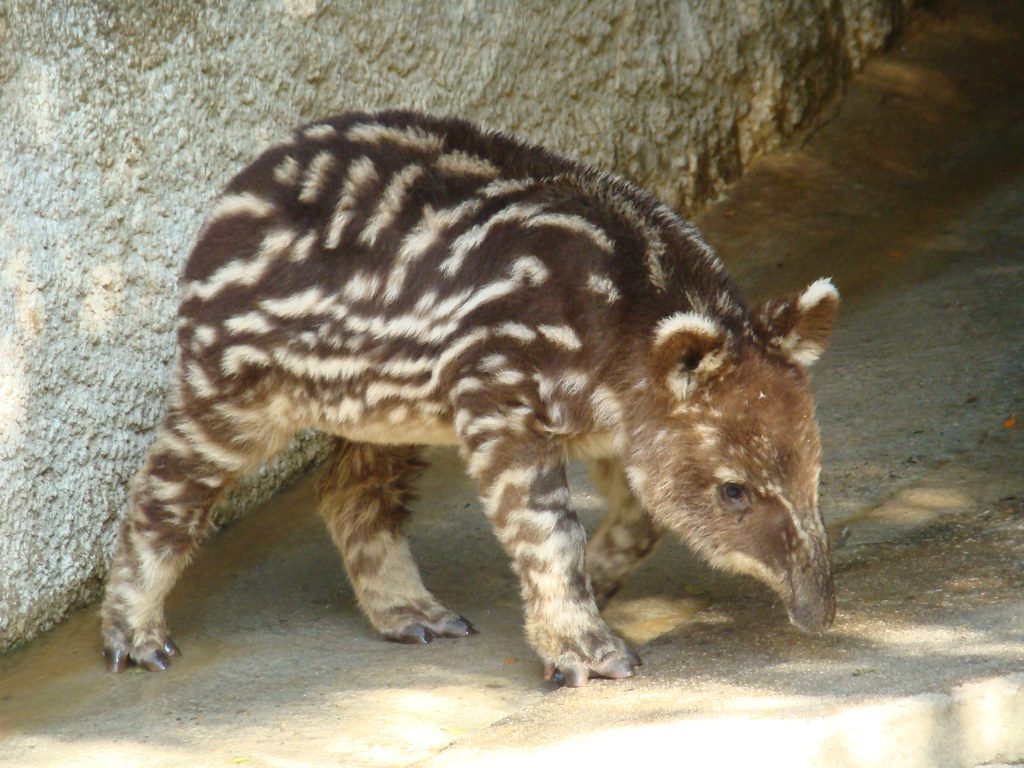
Hertfordshire Zoo announced the birth of a healthy male lowland tapir calf on July 8, 2026. The zoo, featured in the CBBC series One Zoo Three, said it was the first lowland tapir born there in 14 years.
The calf was born to an experienced mother named Fifi after a pregnancy lasting about 430 days. Zoo staff reported that the newborn stood within about 10 minutes and successfully began nursing shortly after birth.
The calf is doing well
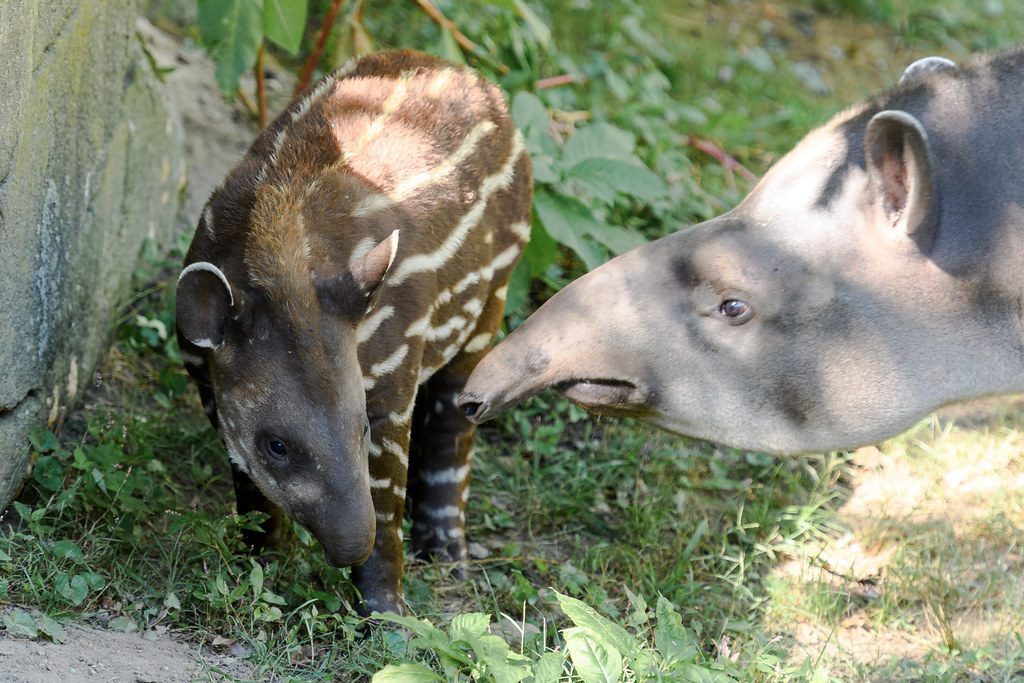
Keepers say both Fifi and her calf are healthy and adjusting well. The young tapir stays close to its mother as it begins exploring its outdoor habitat.
The calf has not yet been given a public name. Visitors can already see the pair together while the zoo continues to monitor their progress and development.
Baby tapirs look very different
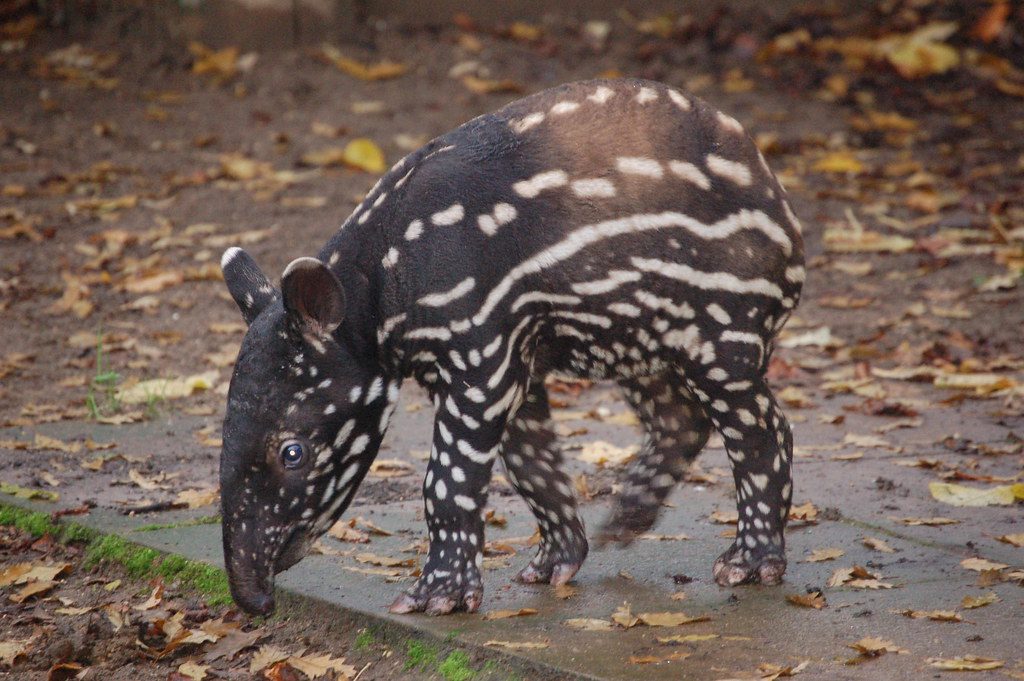
Newborn lowland tapirs do not look like adult tapirs. Instead of a plain dark coat, babies are born with cream-colored stripes and spots across their bodies.
These markings are more than just cute. In the wild, the striped pattern helps hide young tapirs among the light and shadows of the rainforest until they are large enough to better protect themselves.
Why lowland tapirs matter
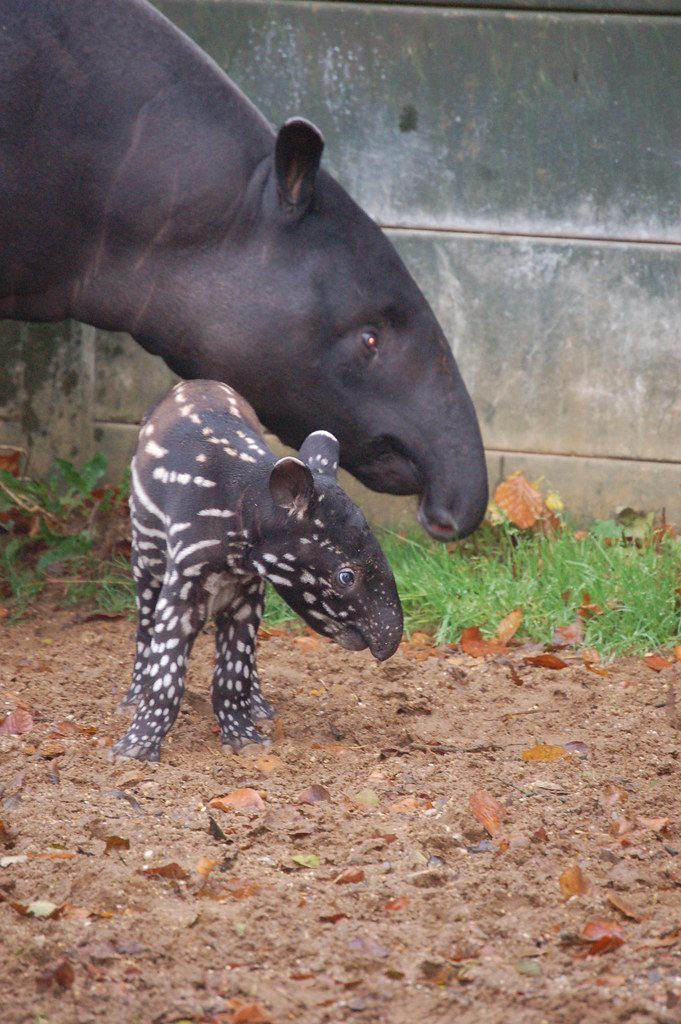
Lowland tapirs are often called the “gardeners of the rainforest.” As they eat fruit and travel through forests, they spread seeds that help new plants grow.
Healthy forests depend on many animals, and tapirs play an important part in keeping these ecosystems strong. Protecting tapirs also helps many other plants and animals that share their habitat.
The species faces challenges
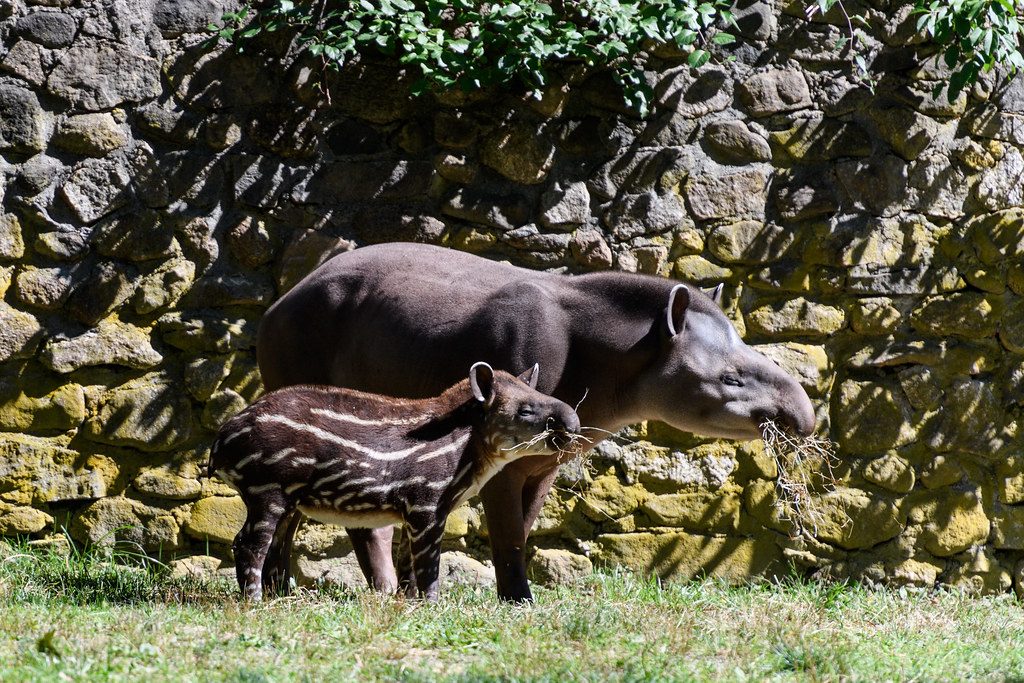
The International Union for Conservation of Nature lists the lowland tapir as Vulnerable. Wild populations continue to decline because of habitat loss, deforestation, illegal hunting, and road collisions.
Tapirs reproduce slowly, with females usually giving birth to just one calf after a long pregnancy. Every successful birth is valuable for the long-term future of the species.
Zoo breeding supports conservation
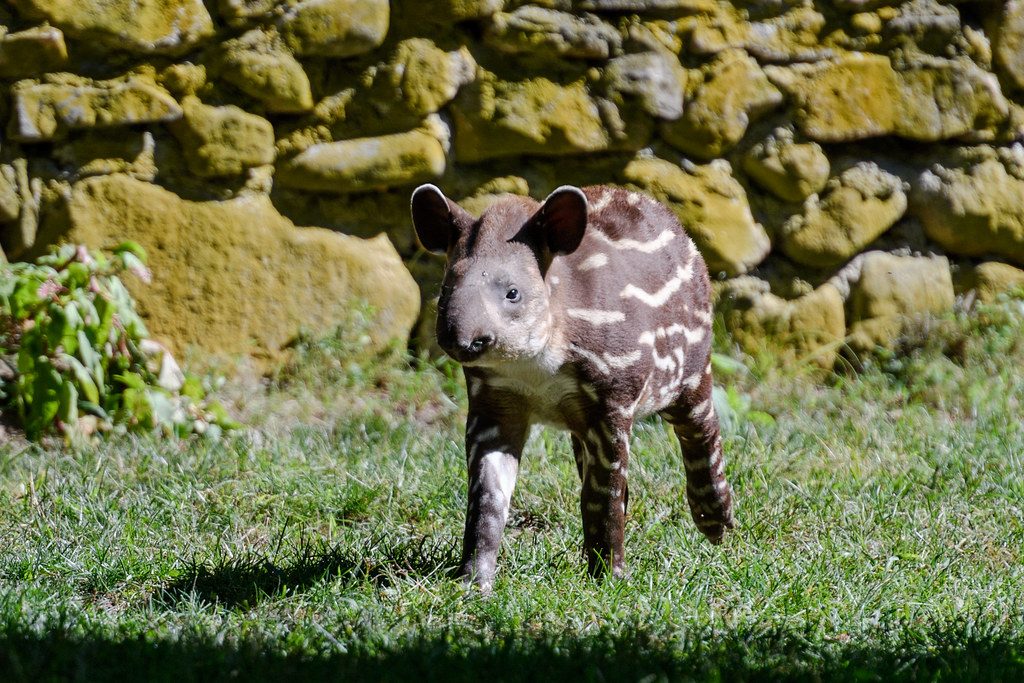
The calf’s birth is part of a carefully managed European conservation breeding program. Zoos work together to maintain healthy animal populations while supporting research and conservation projects.
Hertfordshire Zoo also supports the Lowland Tapir Conservation Initiative in Brazil. These partnerships help protect tapirs both in human care and in their natural South American habitats.
Featured Image: “Tapir Calf Stripes” by Eric Kilby is licensed under CC BY-SA 2.0
Leave a Reply