
A dramatic wildlife filming expedition took a dangerous turn when a great white shark repeatedly approached a transparent observation cage positioned near a floating whale carcass. As cameras continued rolling, the shark bumped the structure several times before eventually crashing into it with tremendous force.
Although the footage is often described as an attack, marine scientists say the shark’s behavior is better understood as a response to an unusual situation involving food, curiosity, and repeated human disturbance rather than an attempt to hunt people.
Whale carcasses attract powerful scavengers

When a whale dies, it becomes an enormous food source that can attract sharks from considerable distances. Great white sharks regularly scavenge on whale carcasses, alongside many other marine animals, because they provide an energy-rich meal.
Researchers consider these feeding events a normal part of ocean ecology, but they also create situations where sharks may become highly focused on defending or investigating the food source.
Sharks often investigate before making contact

Great white sharks rely on multiple senses, including vision, smell, and electroreception, to understand unfamiliar objects. Before making physical contact, they may circle, bump, or closely inspect something in the water.
These investigative behaviors should not automatically be interpreted as aggression, but they also indicate that the animal is actively assessing its surroundings.
Why was the cage struck?

According to marine experts, a transparent observation box positioned close to a whale carcass can become part of the shark’s investigation. If the structure blocks access to food or becomes associated with feeding activity, the shark may collide with it while attempting to understand or reach the object.
Because sharks cannot manipulate objects like mammals, physical contact is one way they gather information about their environment.
Wildlife filming carries responsibilities

Modern wildlife filmmakers increasingly follow strict ethical guidelines that minimize disturbance to wild animals. Marine conservation experts emphasize that obtaining dramatic footage should never come at the expense of animal welfare or unnecessary risks to people.
Responsible filming practices help ensure natural behavior is documented without encouraging dangerous interactions.
Respecting apex predators
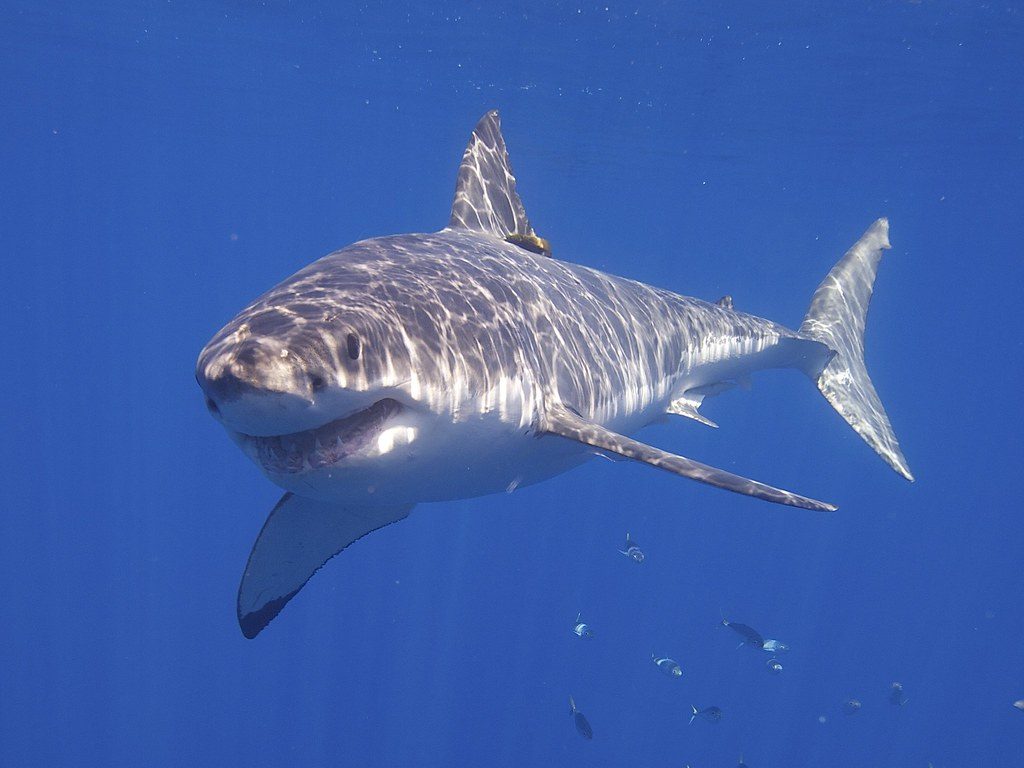
Great white sharks are powerful predators, but they are also an important part of healthy marine ecosystems. Most encounters with humans do not involve predatory behavior, and researchers encourage people to avoid sensational interpretations of shark footage.
Understanding shark behavior through science rather than fear helps improve both public safety and conservation efforts for these threatened animals.
What scientists have learned from shark encounters?

Decades of research have shown that great white sharks are highly curious animals that often investigate unfamiliar objects before deciding whether they are food or not. Most close interactions with people involve exploratory behavior rather than deliberate attempts to hunt humans. Scientists studying great whites emphasize that understanding these natural behaviors is essential for improving both human safety and shark conservation.
Modern research has also changed how filmmakers and tourism operators approach shark encounters. Many productions now follow stricter ethical guidelines that minimize disturbance to wild animals and avoid creating situations that could alter natural behavior or increase risks for both sharks and people.
Featured Image: Photo by Niklas Jonasson on Unsplash
Leave a Reply