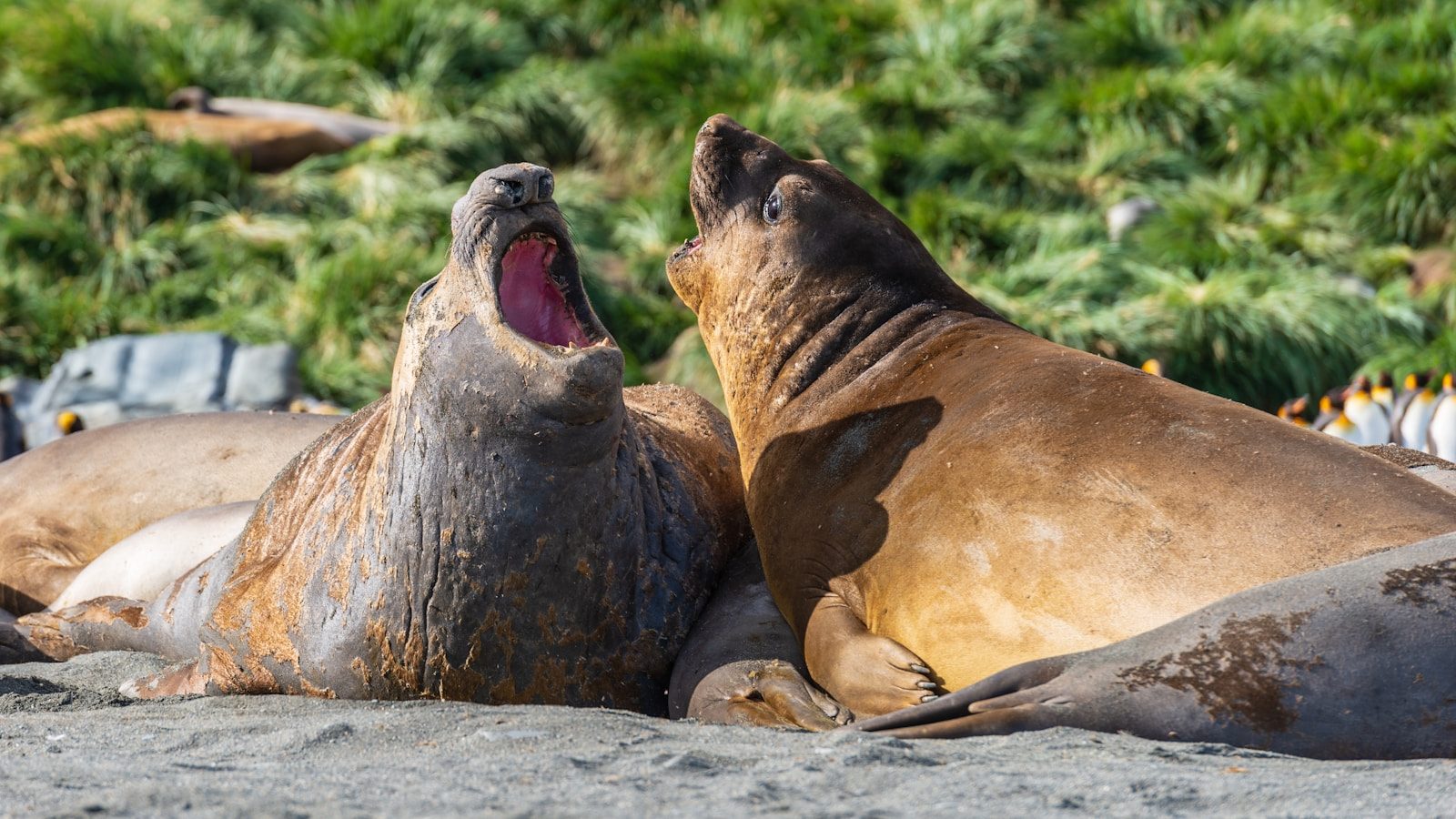
Elephant seals are among the most extraordinary mammals on Earth. The largest males can outweigh many cars, dominate crowded breeding beaches through fierce battles, and spend most of their lives far from land. They are also world-class divers, capable of descending thousands of feet beneath the ocean’s surface and remaining underwater for nearly two hours.
Despite their immense size and intimidating appearance, these remarkable marine mammals are built for a life of endurance rather than speed, thriving in some of the harshest environments on the planet.
The world’s largest seals
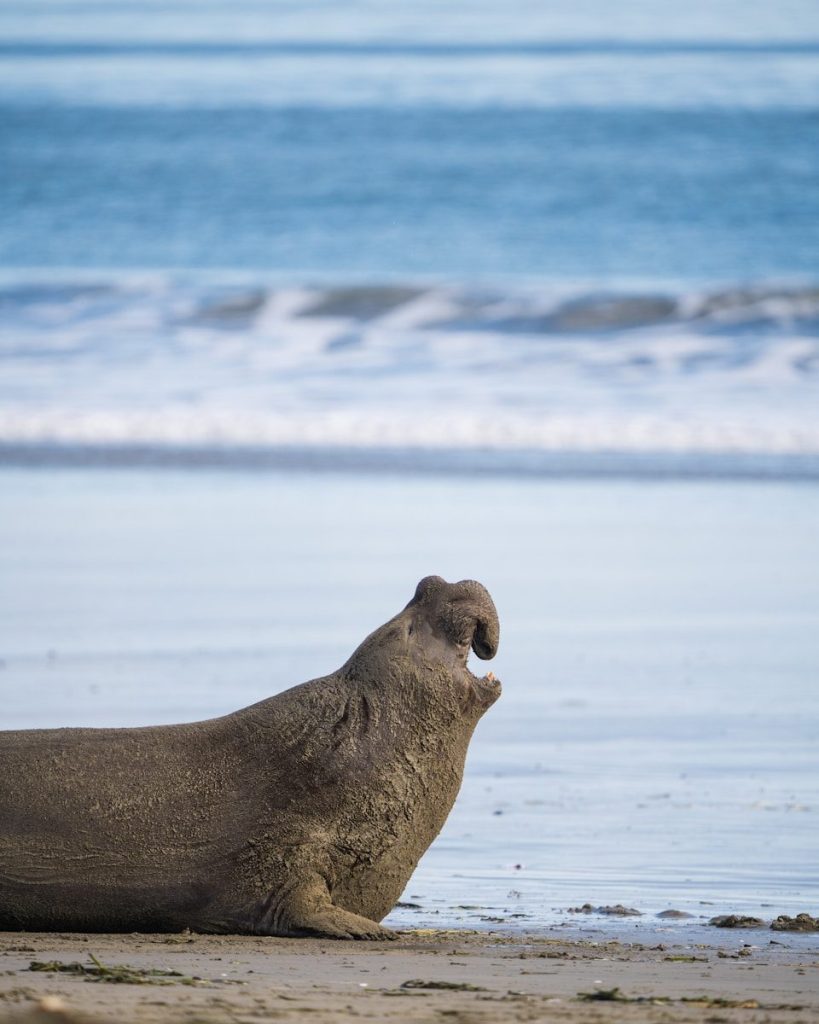
There are two species of elephant seal: the northern elephant seal and the even larger southern elephant seal. Adult southern males commonly reach 16 to 20 feet in length and can weigh several tons, making them the largest living seals and the largest carnivorans alive today.
The enormous inflatable nose, or proboscis, found on mature males gives elephant seals their name and plays an important role during the breeding season.
Brutal battles decide who breeds
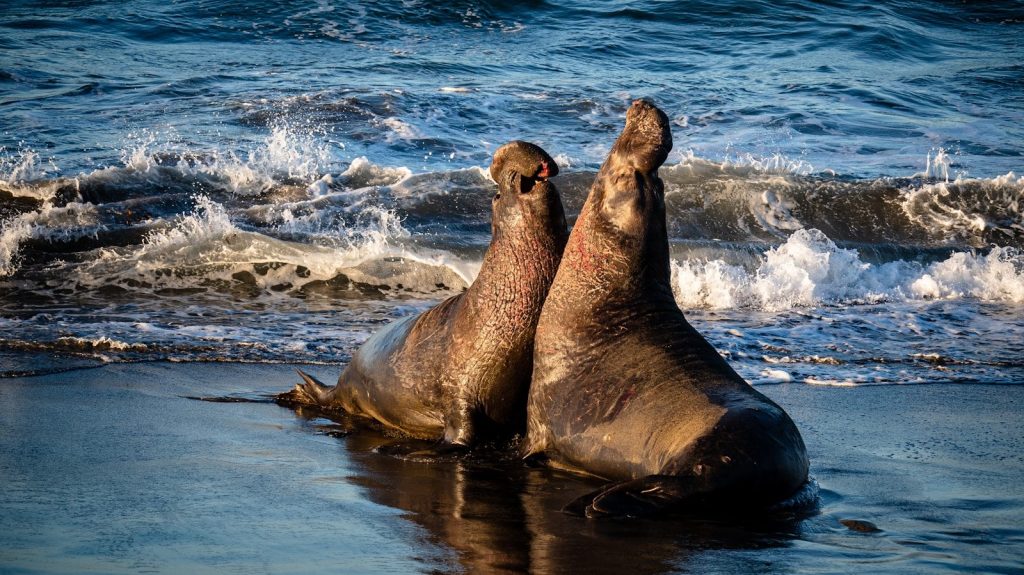
Every breeding season, massive males return to crowded beaches and compete for control of territories filled with females. These contests involve loud vocal displays, aggressive posturing, and sometimes violent clashes that leave the bulls covered in scars.
Only the most dominant males establish harems and father the majority of pups born each season.
Masters of deep diving
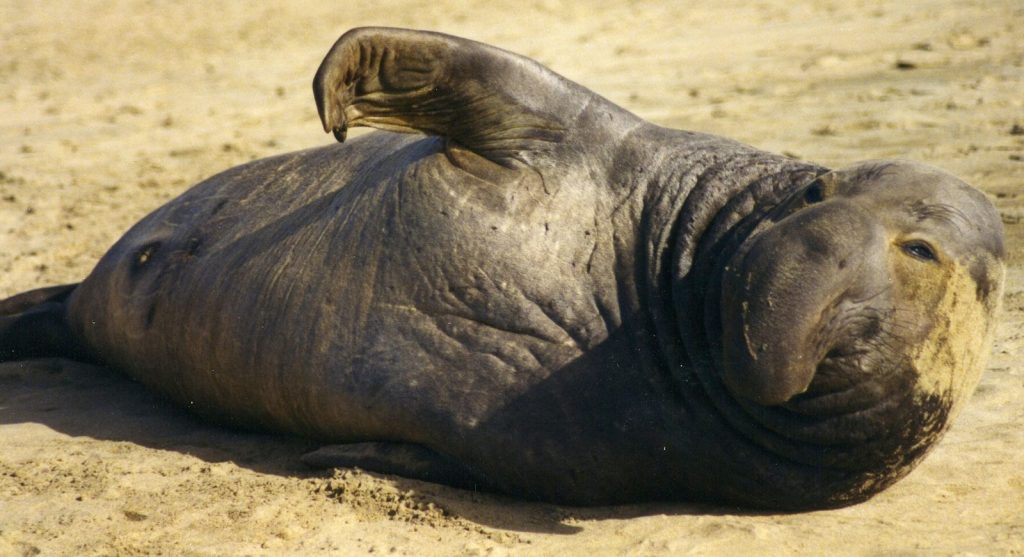
Elephant seals spend about 80% to 90% of their lives at sea, where they repeatedly dive in search of squid, fish, and other prey. Most dives last 20 minutes to over an hour, while exceptionally long dives can approach two hours.
Their bodies contain unusually large blood volumes and high concentrations of oxygen-carrying hemoglobin, allowing them to remain underwater far longer than most mammals.
Built to survive extreme conditions
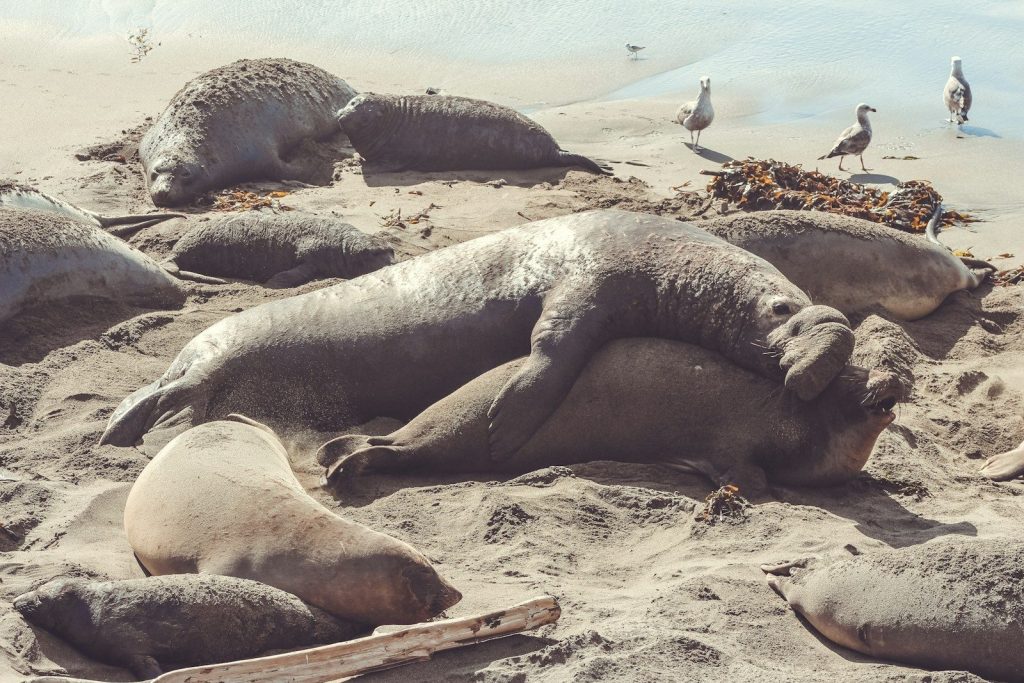
During the breeding and molting seasons, elephant seals remain on land for weeks without eating, surviving entirely on stored body fat. Thick layers of blubber insulate them against freezing ocean temperatures while also serving as an energy reserve.
These adaptations allow them to endure long migrations and months of fasting that would be impossible for most mammals.
Life is dangerous for young pups
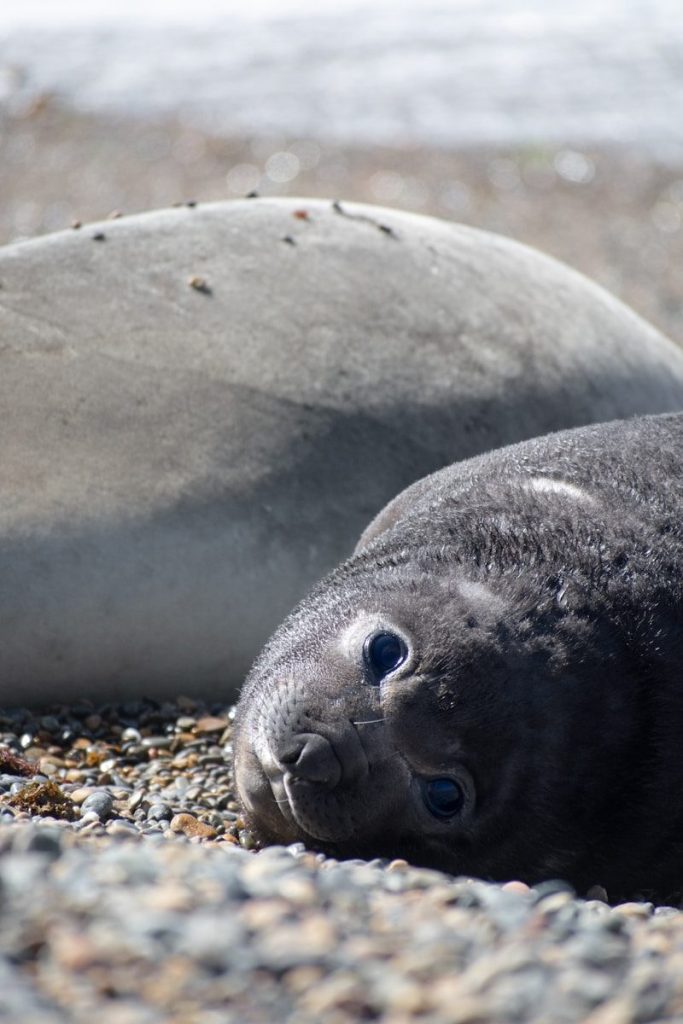
Newborn elephant seals grow rapidly by drinking milk that is exceptionally rich in fat. Even so, young pups face many challenges, including storms, crushing by large adults, starvation, and predators once they enter the ocean.
Only a fraction survives to adulthood, making successful breeding seasons critical for maintaining healthy populations.
Why Neil the Seal became famous
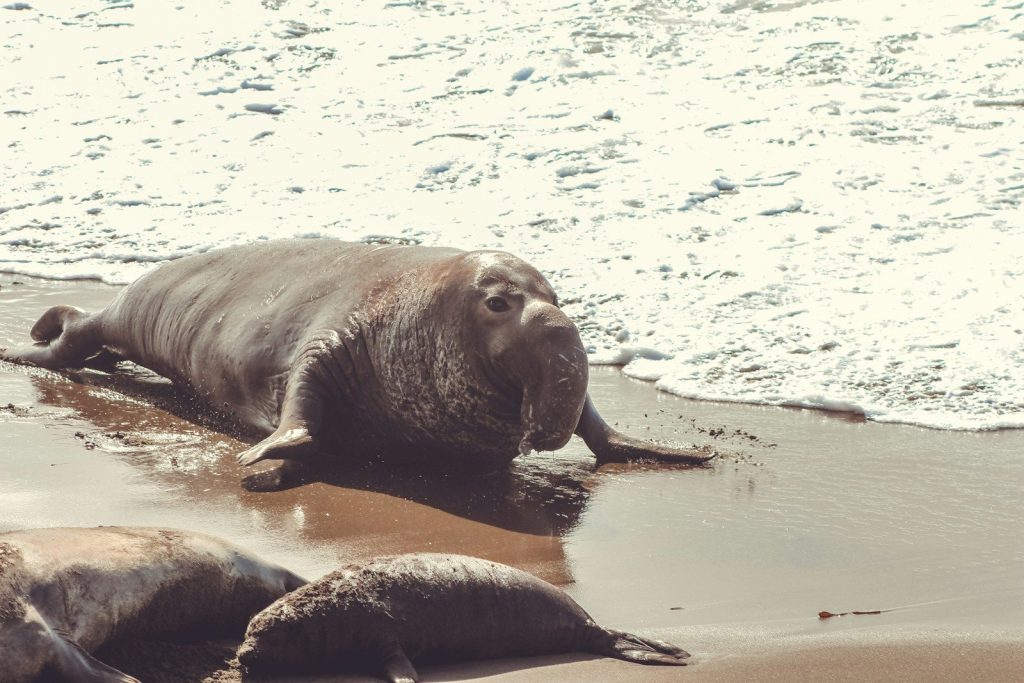
One of the world’s best-known elephant seals is Neil the Seal, a southern elephant seal that frequently visits coastal towns in Tasmania. His relaxed behavior around human infrastructure has made him an internet celebrity, while wildlife authorities regularly remind people to keep a safe distance because he remains a large wild animal.
Neil’s popularity has helped introduce millions of people to elephant seal biology and the importance of respecting marine wildlife.
Featured Image: Photo by Paul Carroll on Unsplash
Leave a Reply