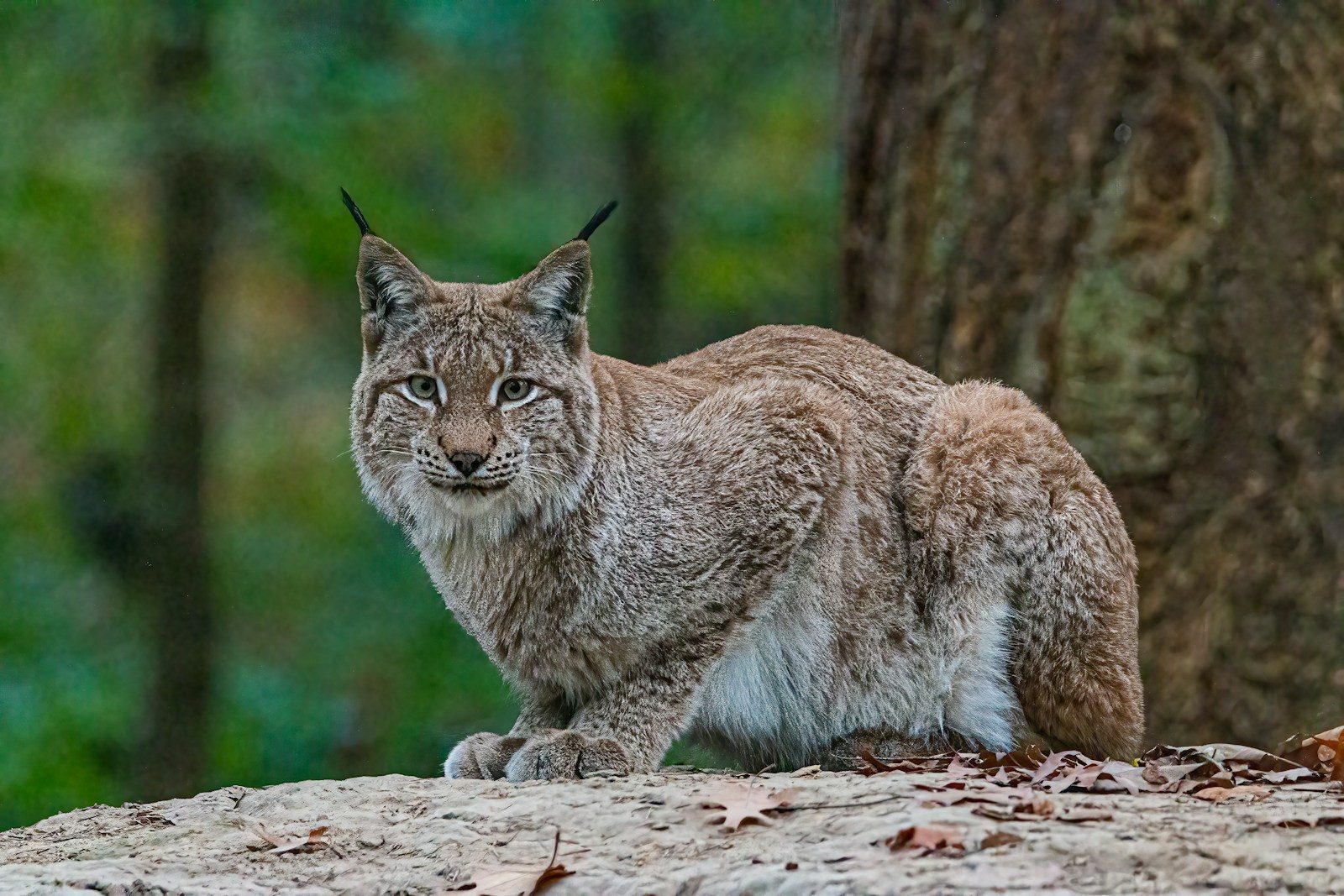
Keeping a wild animal as a pet can have serious consequences, even if it seems calm around people. A pet lynx attack left a neighbor hurt and led authorities to hold the owner responsible after the animal escaped from private property. The incident renewed concerns about owning exotic pets and the risks they can pose to nearby families.
This article explains what happened, how officials responded, why lynxes remain wild animals, and what lessons can be learned from the attack.
What happened during the attack

The incident happened after a privately owned lynx escaped from its enclosure and entered a neighboring property. According to authorities, the animal attacked a nearby resident, causing injuries that required medical treatment.
Emergency responders arrived at the scene, helped the injured neighbor, and secured the area while animal control and wildlife officials worked to capture the lynx. The victim survived the attack and received care for the injuries.
How authorities responded

After the attack, law enforcement and wildlife officials investigated how the lynx escaped. They examined the enclosure, interviewed witnesses, and reviewed whether the owner had followed local rules for keeping an exotic animal.
Officials later held the owner responsible because the wild animal had not been safely contained. Depending on local laws, owners of dangerous exotic animals may face criminal charges, civil penalties, or both when negligence leads to injuries.
Why lynxes are not suitable pets

Lynxes are wild cats that naturally live in forests and remote habitats across North America, Europe, and Asia. Even when raised by people, they keep the instincts that help them hunt and defend themselves in the wild.
Unlike domestic cats, lynxes are much stronger and have sharp claws, powerful jaws, and unpredictable behavior. Wildlife experts say these natural traits cannot be completely removed through training or regular human contact.
The dangers of owning exotic animals

Animal welfare organizations have long warned that exotic pets can become dangerous as they mature. Wild animals may react suddenly to unfamiliar people, loud noises, stress, or changes in their surroundings.
These risks affect not only owners but also neighbors, first responders, and the animals themselves. When an exotic pet escapes or attacks someone, it often leads to legal action and may result in the animal being permanently removed.
How communities reduce these risks

Many states and local governments regulate or restrict private ownership of dangerous wild animals. Some areas require permits, secure enclosures, regular inspections, or ban certain species altogether.
These rules are designed to protect both people and wildlife. Accredited zoos and licensed sanctuaries have trained staff, specialized facilities, and safety procedures that private homes often cannot provide.
The lesson from this incident

The lynx attack serves as a reminder that wild animals should be treated with respect, not as ordinary household pets. Even years of care cannot fully change their natural instincts.
Experts continue to encourage responsible wildlife management and proper enforcement of exotic animal laws. Preventing escapes and keeping wild animals in appropriate professional facilities can help avoid similar incidents in the future.
Featured Image: Photo by kenny goossen on Unsplash
Leave a Reply