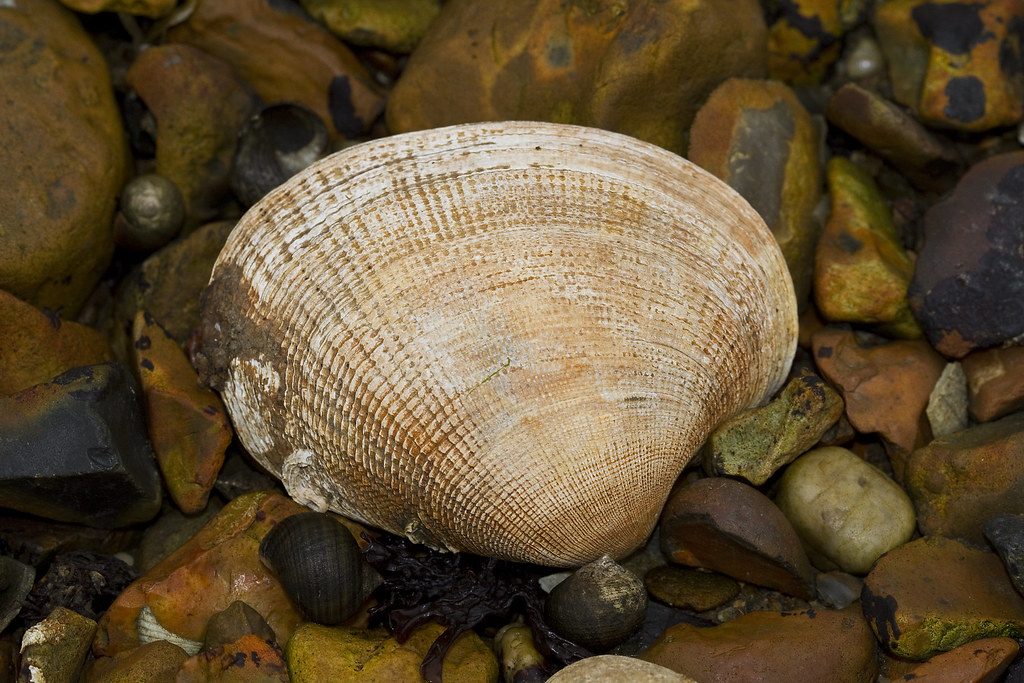
Scientists are closely watching a new marine invader that has reached the Atlantic coast. Researchers recently confirmed that the Manila clam has established reproducing populations along the northwestern Atlantic, making it the latest invasive marine species in the region.
The discovery marks the first time this clam has formed self-sustaining colonies in the last major part of the Northern Hemisphere where it had not previously become established. This article explains what scientists found, why the discovery matters, and how it could affect coastal ecosystems.
What scientists discovered

A team led by the University of Massachusetts Amherst, working with MIT Sea Grant and the Center for Coastal Studies, confirmed that the Manila clam has established breeding populations in the northeastern United States. The findings were published in the scientific journal Biological Invasions.
Researchers found live clams, empty shells, and clear evidence that the species was reproducing naturally. Established populations were confirmed in areas including Cape Cod and Boston Harbor, showing the clam is no longer just an occasional visitor.
What is the Manila clam?
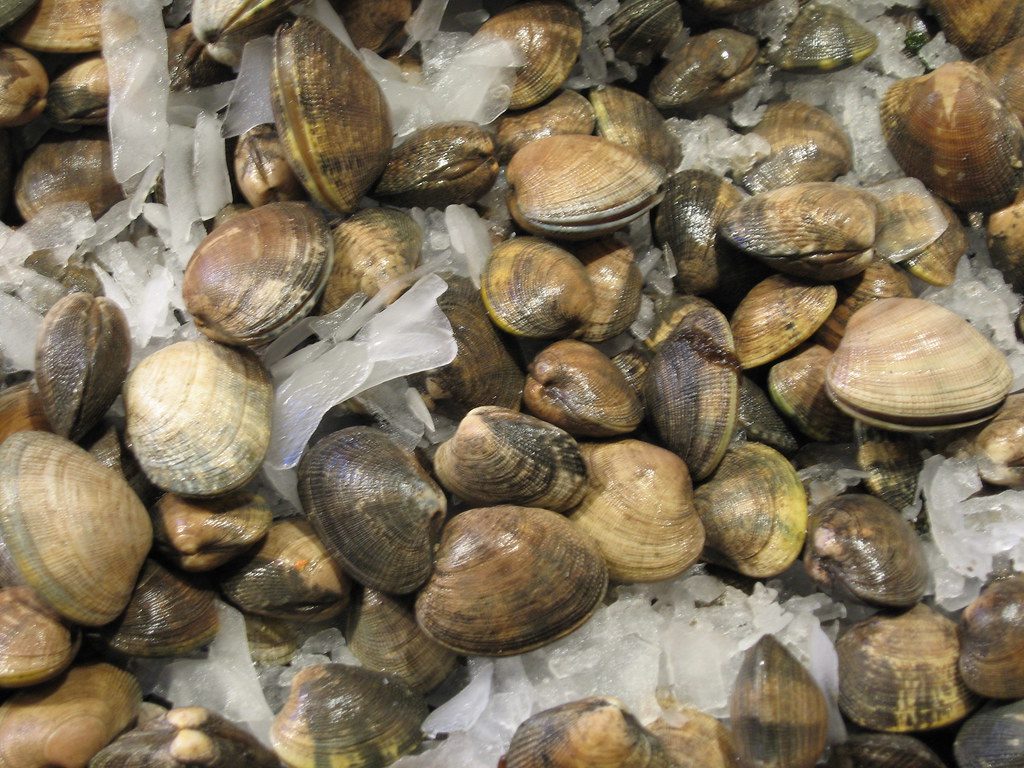
The Manila clam is native to the western Pacific, including coastal areas of Japan, China, and Russia. It is widely farmed for food and has been introduced to many parts of the world over the past century.
The species is valued as seafood and supports a multibillion-dollar global shellfish industry. However, when it spreads beyond its natural range without careful management, it can become an invasive species.
How did researchers find it?

The discovery began with reports from local clammers who noticed unusual shellfish. The investigation gained momentum after a former University of Rhode Island student sent a photograph of a clam to marine scientist Aly Putnam in 2025.
Researchers later surveyed several coastal locations and uncovered many Manila clam shells along with living clams. They also found females carrying eggs, confirming the species was successfully reproducing in Atlantic waters.
Why invasive species matter
An invasive species is a plant or animal that spreads outside its native range and may affect local ecosystems. These species sometimes compete with native wildlife for food, habitat, and other resources.
Scientists are still studying how the Manila clam will interact with native shellfish in New England. At this stage, researchers say it is too early to know whether the species will have only a small effect or become a major ecological concern.
Could there be any benefits?

Researchers note that the discovery is not entirely negative. Manila clams are edible and may provide an additional food source for seabirds, crabs, and other marine animals that feed on shellfish.
Some scientists also believe the species could reduce harvesting pressure on native clams if managed carefully. Even so, they stress that more research is needed before drawing conclusions about its long-term effects.
What happens next?

Scientists will continue monitoring the newly discovered populations to see how quickly they spread. They also plan to study how the clams interact with native species and whether they change local habitats.
Early monitoring is important because newly established invasive species are often easier to understand and manage before they become widespread. The research will help coastal managers make informed decisions if further action becomes necessary.
Featured Image: “Manila clam – Venerupis philippinarum” by Chris_Moody is licensed under CC BY-NC 2.0
Leave a Reply