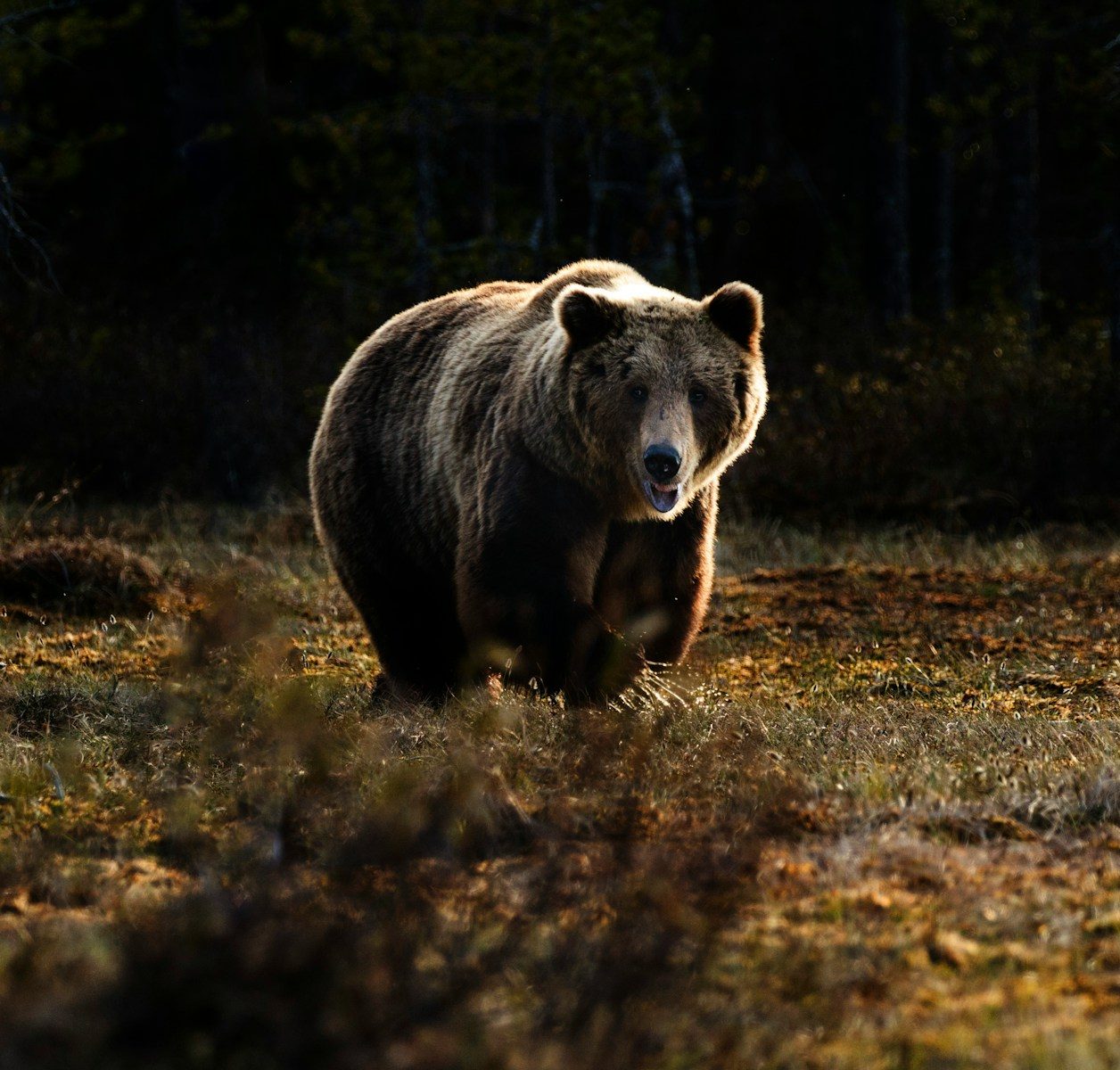
Wild animals often inspire admiration because of their beauty, intelligence, and power. Yet even species that appear calm or become familiar with people remain unpredictable. Throughout history, a small number of tragic incidents have shown that animals commonly viewed as gentle, trusted, or well understood can become deadly under the wrong circumstances.
These rare events remind us that respecting wildlife means recognizing its natural instincts rather than assuming it behaves like a domesticated animal.
A filmmaker who lived among bears

Timothy Treadwell devoted more than a decade to filming and studying wild brown bears in Alaska’s Katmai National Park. He believed close observation could help protect the animals and educate the public about their behavior.
In October 2003, however, Treadwell and his girlfriend, Amie Huguenard, were fatally attacked by a bear while camping in the park. Their story later became the subject of Werner Herzog’s documentary Grizzly Man.
Why familiar animals can still be dangerous
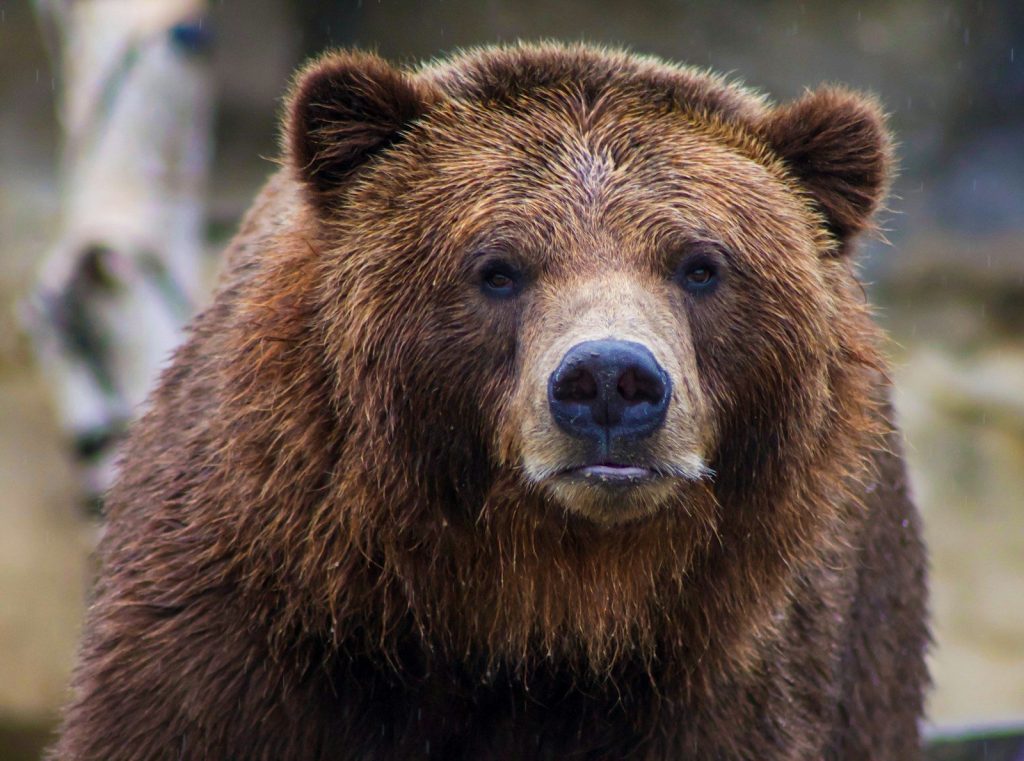
Wild animals do not lose their instincts simply because they become accustomed to human presence. Hunger, stress, territorial behavior, breeding seasons, or surprise encounters can quickly change how an animal responds.
Wildlife biologists emphasize that even experienced observers cannot fully predict an individual animal’s behavior.
Other animals that people underestimate
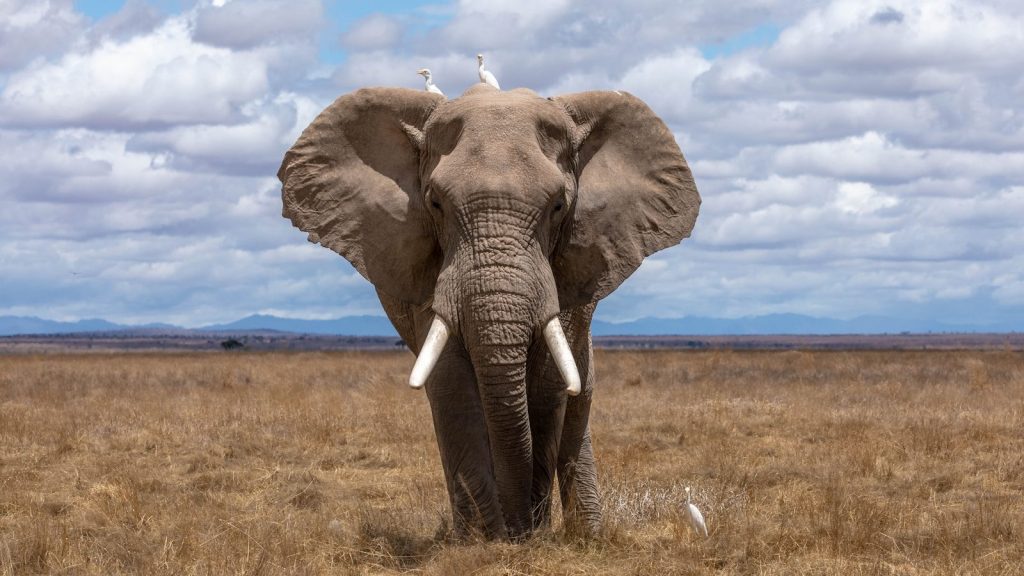
Large livestock, horses, elephants, and even domestic pets cause injuries and fatalities every year. These incidents are usually accidental, defensive, or linked to unusual circumstances rather than deliberate aggression.
Size, strength, and natural behavior mean that animals often capable of living peacefully alongside humans can still become dangerous.
What experts have learned
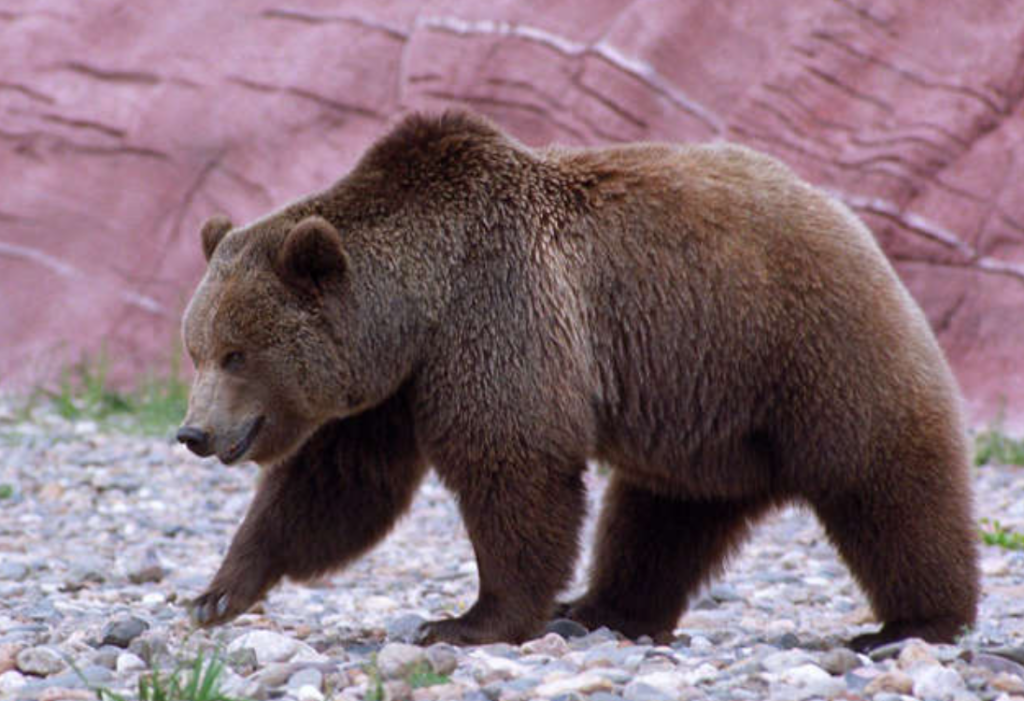
Modern wildlife management focuses on maintaining safe distances between people and wild animals. Feeding wildlife, approaching for photographs, or attempting physical interaction increases the risk for both humans and animals.
Education campaigns encourage visitors to observe wildlife from a respectful distance and avoid changing natural animal behavior.
Respect is the safest approach
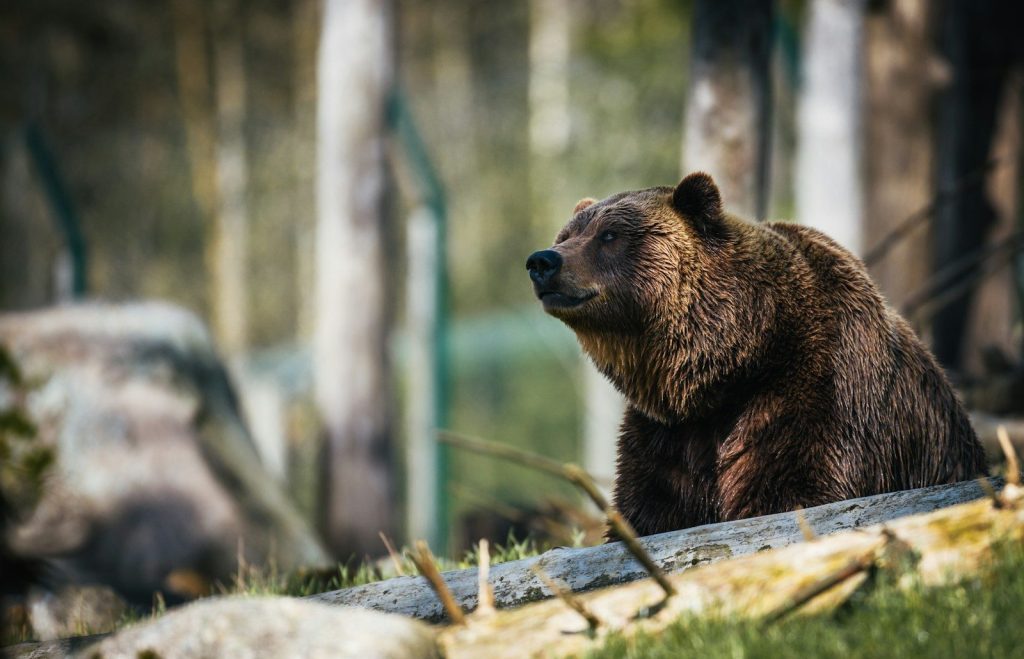
Most wild animals avoid humans whenever possible. Serious attacks remain extremely rare compared with the millions of safe wildlife encounters that occur each year.
Conservation experts stress that appreciating wildlife means allowing animals to remain wild, behaving according to their natural instincts rather than human expectations.
Why these stories still matter
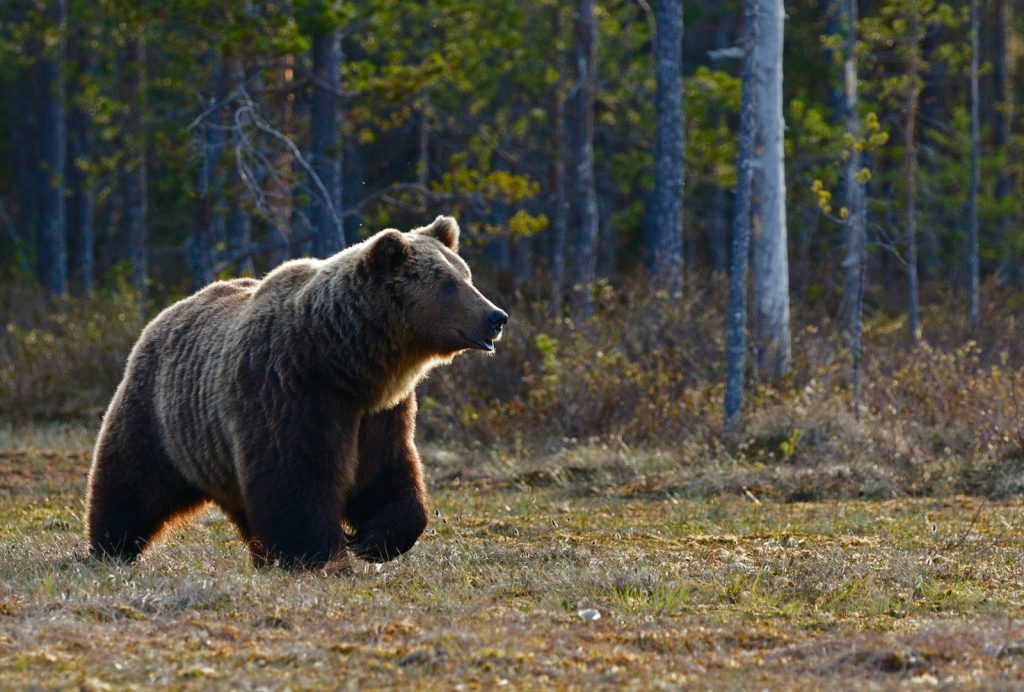
Rare wildlife tragedies attract widespread attention because they challenge common assumptions about animals that appear familiar or harmless. Rather than creating fear, these incidents reinforce the importance of understanding animal behavior and respecting natural boundaries.
By learning from these events, people can continue enjoying wildlife safely while helping protect the animals and the ecosystems they call home.
Featured Image: Photo by Zdeněk Macháček on Unsplash
Leave a Reply