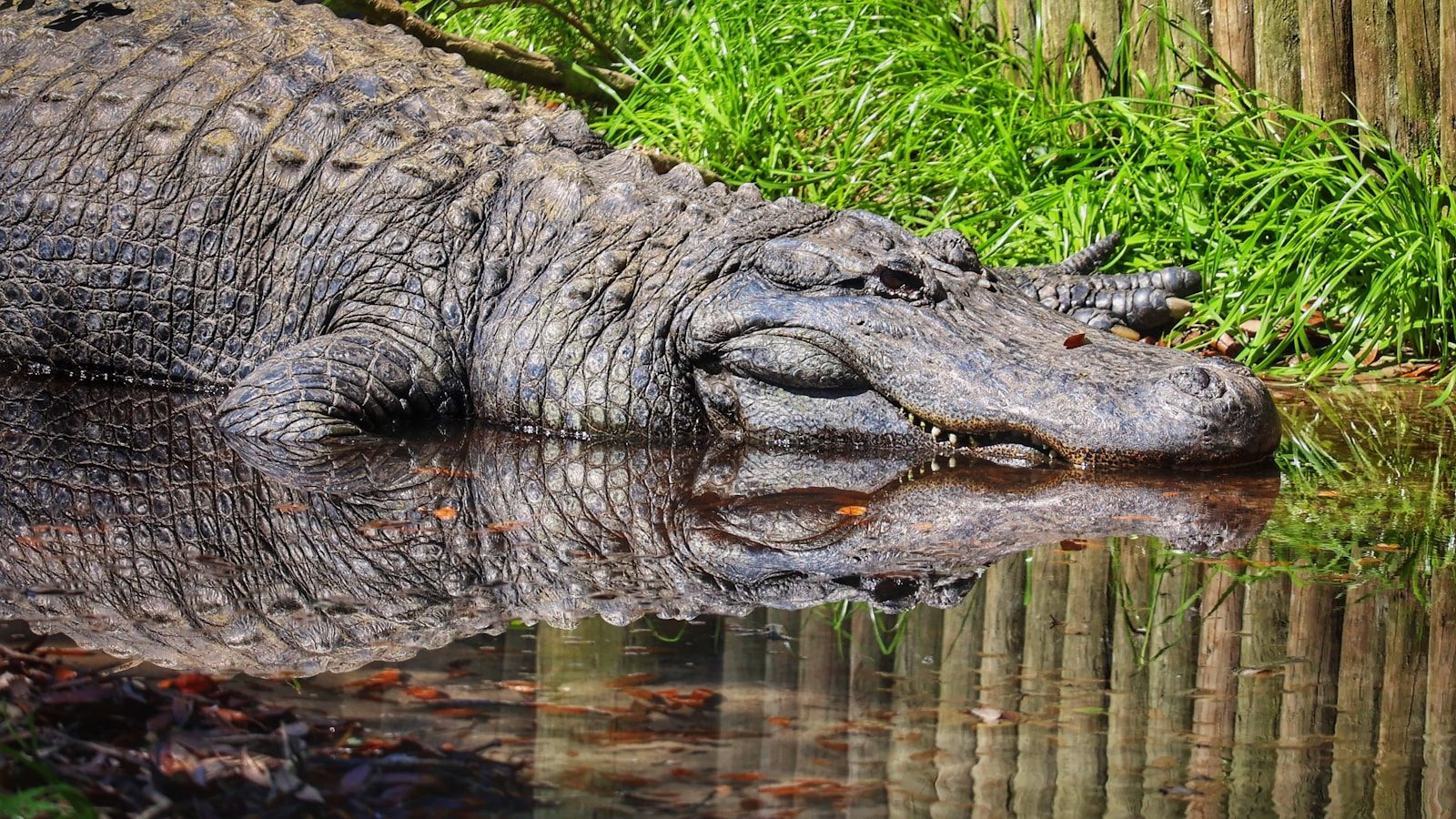
Capturing an exceptionally large alligator is never routine. Every movement must be carefully planned because a powerful adult alligator can react with remarkable speed despite its size. When wildlife professionals set out to capture a massive gator known as “Big Bruce,” the operation demanded patience, teamwork, and constant attention to safety.
The goal was not simply to restrain the reptile, but to protect both the animal and the people working around it.
Why are giant alligators so challenging?
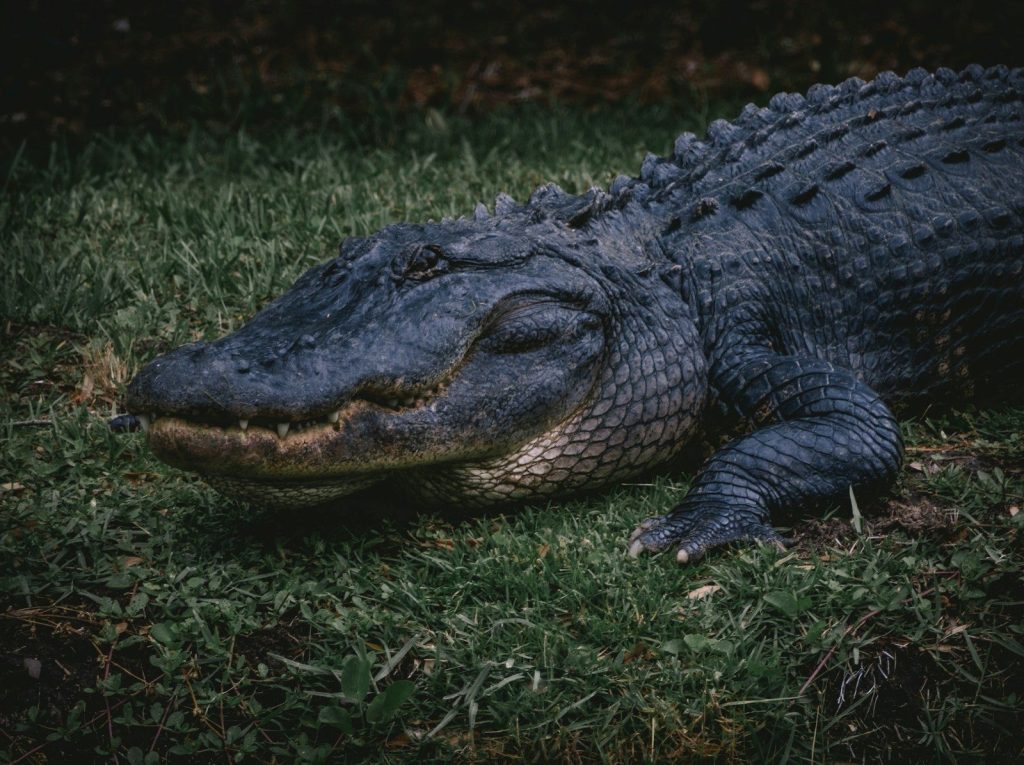
American alligators are among North America’s largest reptiles. Mature males can grow well beyond 10 feet in length, with the biggest individuals weighing several hundred pounds.
Their muscular tails, powerful jaws, and ability to launch forward quickly make even experienced wildlife handlers approach every capture with caution.
Every movement is carefully planned
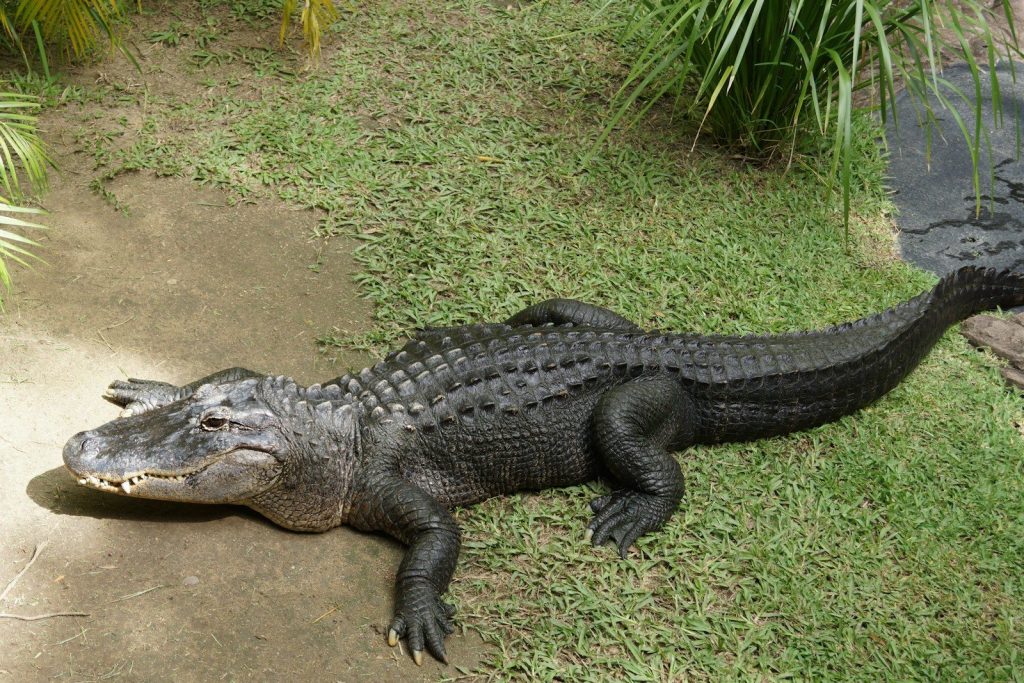
Before attempting to secure a large alligator, wildlife teams evaluate the animal’s location, behavior, and available escape routes. Communication among team members is critical because everyone has a specific role during the operation.
The objective is to safely restrain the alligator while minimizing stress and avoiding unnecessary injury.
Why size changes everything
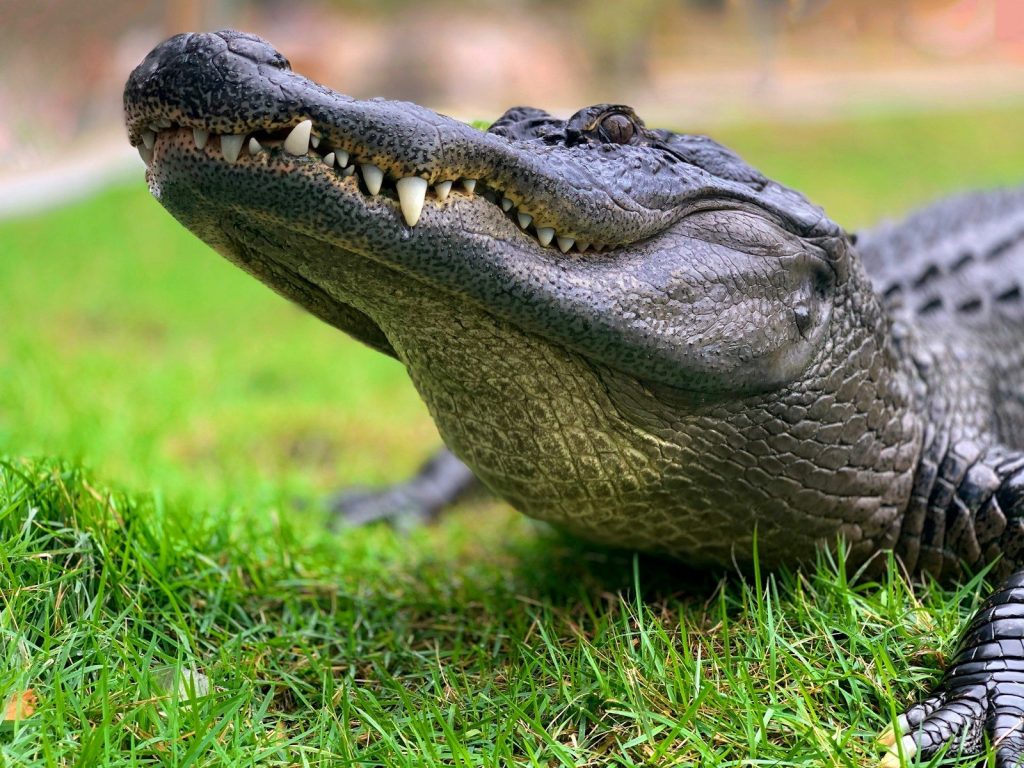
Handling a very large alligator requires significantly more coordination than working with smaller animals. The greater body mass increases the force generated by sudden movements, making careful positioning essential throughout the capture.
Even after restraint, experienced handlers continue monitoring the animal closely until transport is complete.
Protecting both people and wildlife
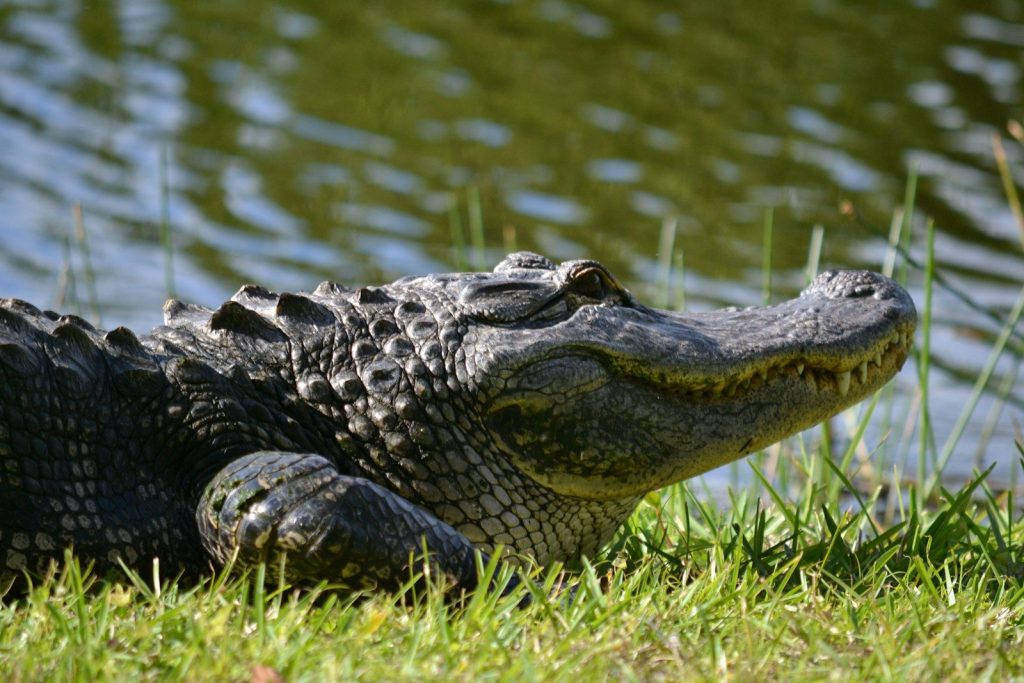
Wildlife agencies capture or relocate alligators only under specific circumstances, such as when an animal repeatedly enters populated areas or poses a public safety concern. Whenever possible, trained professionals use methods designed to reduce risk for both the reptile and nearby people.
Members of the public are advised never to approach or attempt to handle wild alligators themselves.
Why these rescues matter
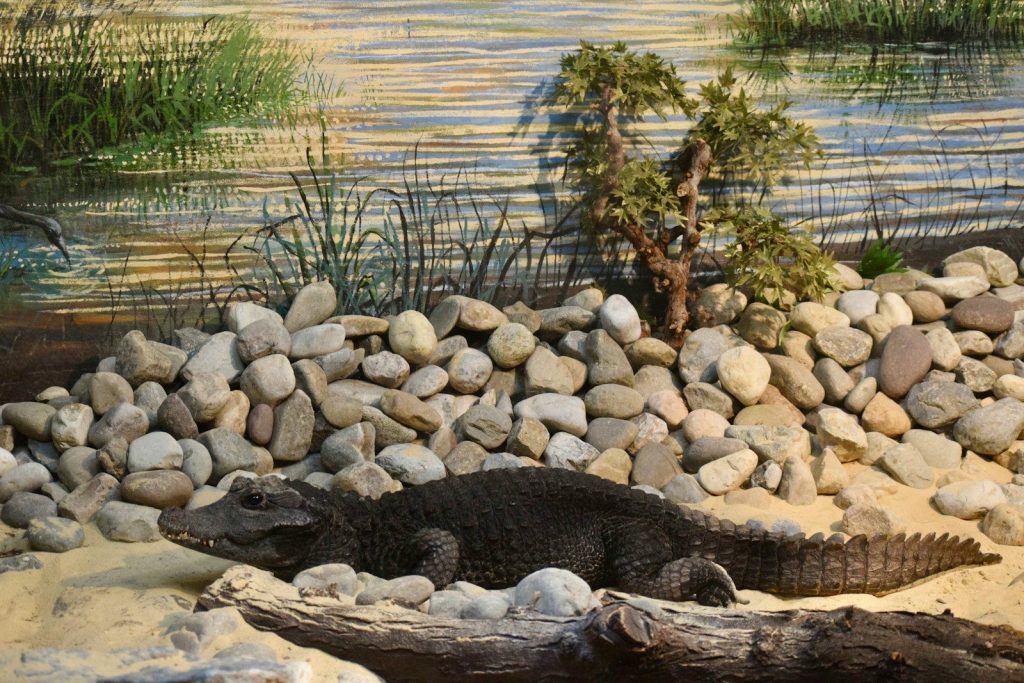
Operations involving unusually large alligators highlight both the strength of these ancient reptiles and the expertise required to manage human-wildlife interactions safely. Successful captures depend on preparation, experience, and respect for the animal’s natural behavior.
As alligator populations recover across parts of the southeastern United States, responsible wildlife management remains essential for helping people and alligators coexist safely.
Why are giant alligators rarely relocated?
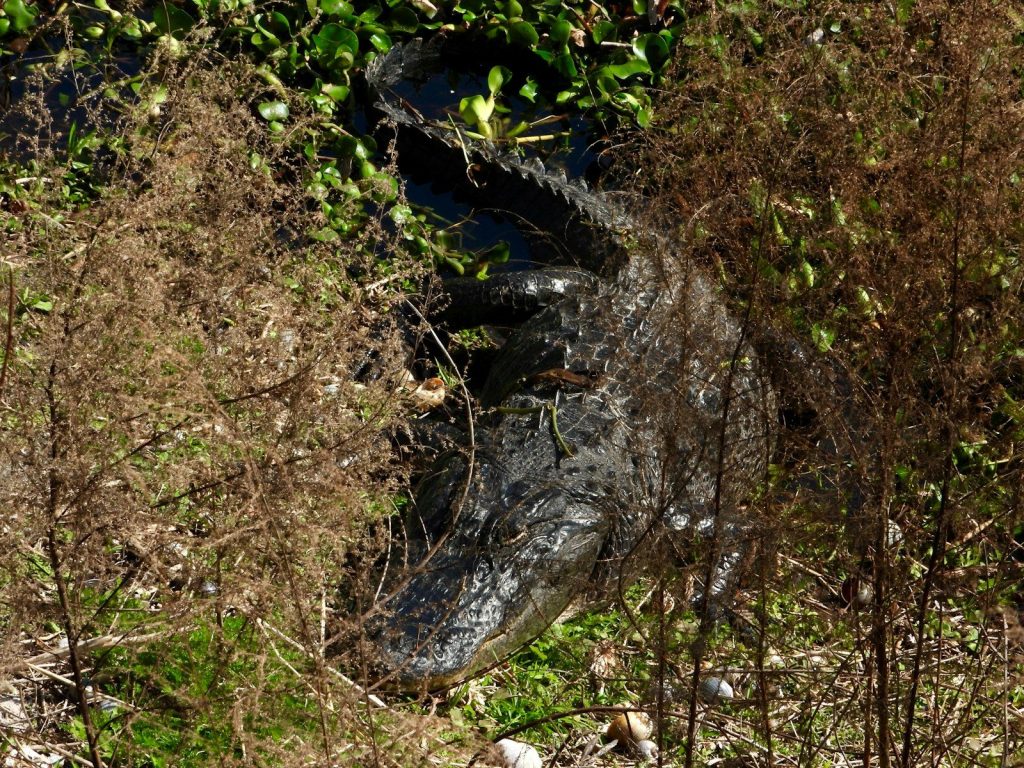
Although many large alligators can be safely captured, wildlife agencies do not relocate every animal they encounter. Some exceptionally large alligators repeatedly return to the same territory or become accustomed to living near people, increasing the risk of future conflicts.
Wildlife officials evaluate each case individually, considering the animal’s behavior, public safety, and the availability of suitable habitat before deciding whether relocation is appropriate. Responsible management helps protect both people and healthy alligator populations
Featured Image: Photo by Jonathan Mast on Unsplash
Leave a Reply