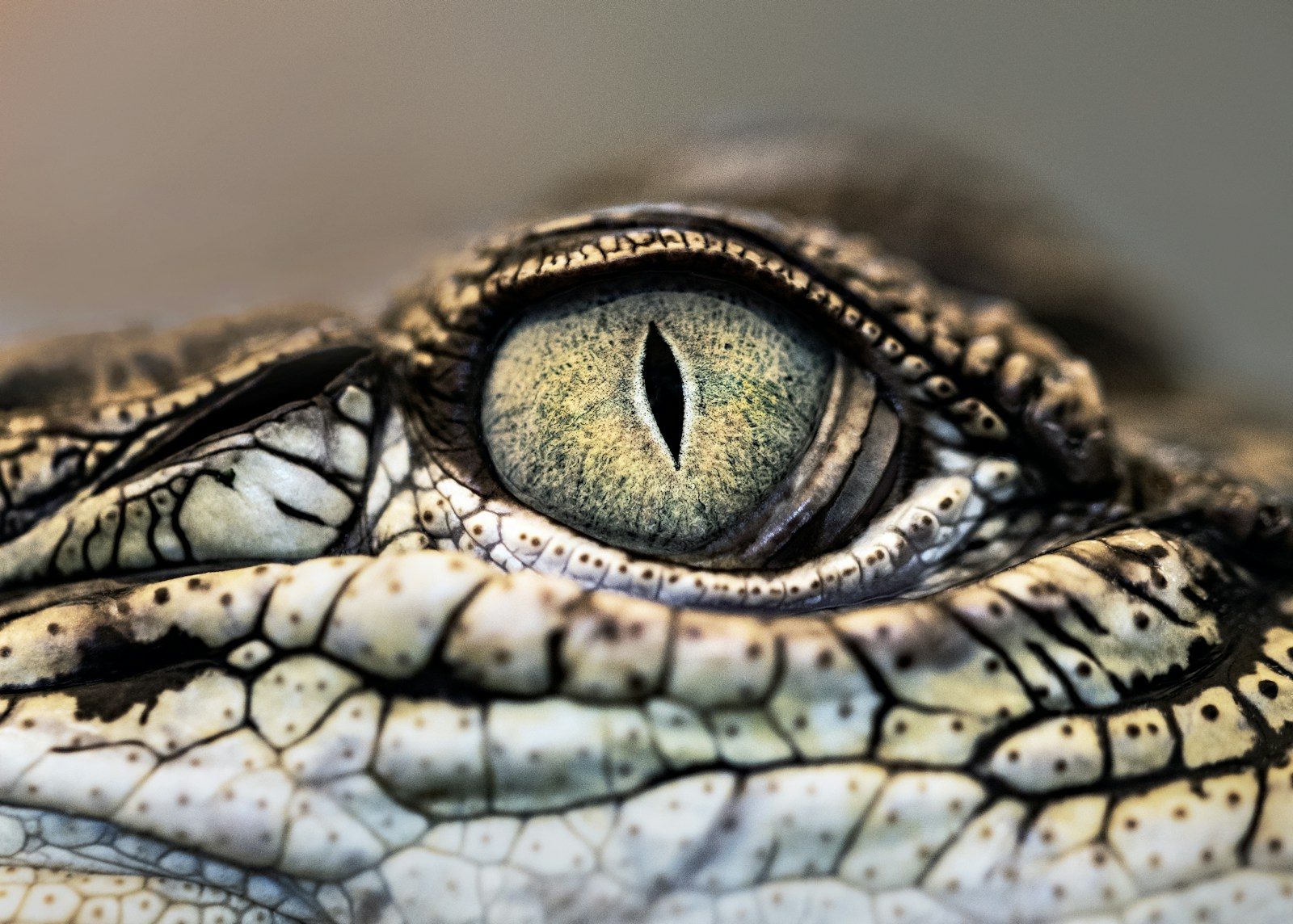
For thousands of years, ancient Egyptian crocodile mummies have fascinated archaeologists, but many questions about how these animals lived and died remained unanswered. Now, researchers have used modern medical imaging to examine a remarkably well-preserved crocodile mummy without unwrapping or damaging it.
Hidden inside the animal was evidence that revealed its final meal, how it was likely captured, and why it became part of one of ancient Egypt’s most important religious traditions.
Why did ancient Egyptians mummify crocodiles?
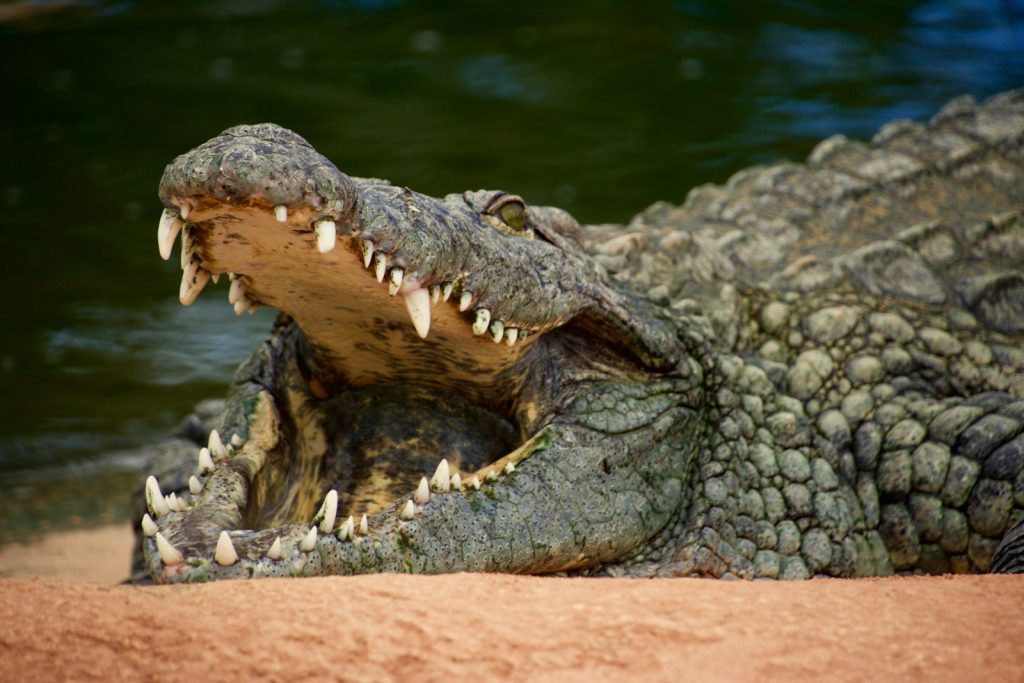
Crocodiles were sacred animals in ancient Egypt because they were associated with Sobek, the crocodile-headed god linked to strength, fertility, military power, and the life-giving waters of the Nile. Thousands of crocodiles were mummified as religious offerings, particularly around centers of Sobek worship such as Fayoum.
Unlike human mummies, many crocodile mummies retained their internal organs, providing scientists with rare opportunities to study their biology thousands of years later.
Looking inside without opening the mummy
Researchers examined the crocodile, identified as specimen 2005.335, using high-resolution X-rays and CT scans. These non-invasive methods allowed them to create detailed three-dimensional images of the animal’s skeleton and internal organs while preserving the mummy for future museum display.
The technology revealed details that earlier generations of archaeologists could only have discovered by physically opening the specimen.
A fish hook revealed the crocodile’s final meal
Inside the crocodile’s stomach, scientists found several gastroliths, or small stones swallowed to help grind food during digestion. More surprisingly, they also identified an almost intact fish still attached to a bronze fishing hook.
Because the fish had barely begun digesting, researchers concluded that the crocodile likely swallowed the bait shortly before it died.
Evidence of an ancient sacrificial ritual
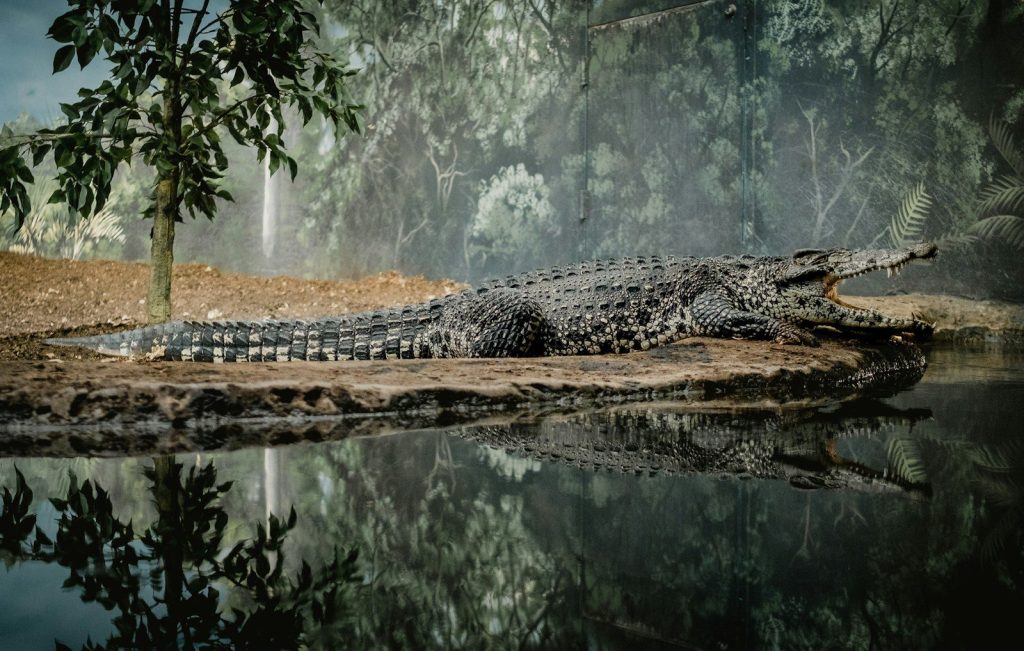
The combination of the undigested fish, the bronze hook, and the digestive evidence suggests the crocodile was probably captured alive using baited fishing equipment before being sacrificed as a religious offering to Sobek.
Researchers believe this provides rare direct evidence of how some sacred crocodiles may have been caught shortly before the mummification process began.
Recreating an ancient fishing hook
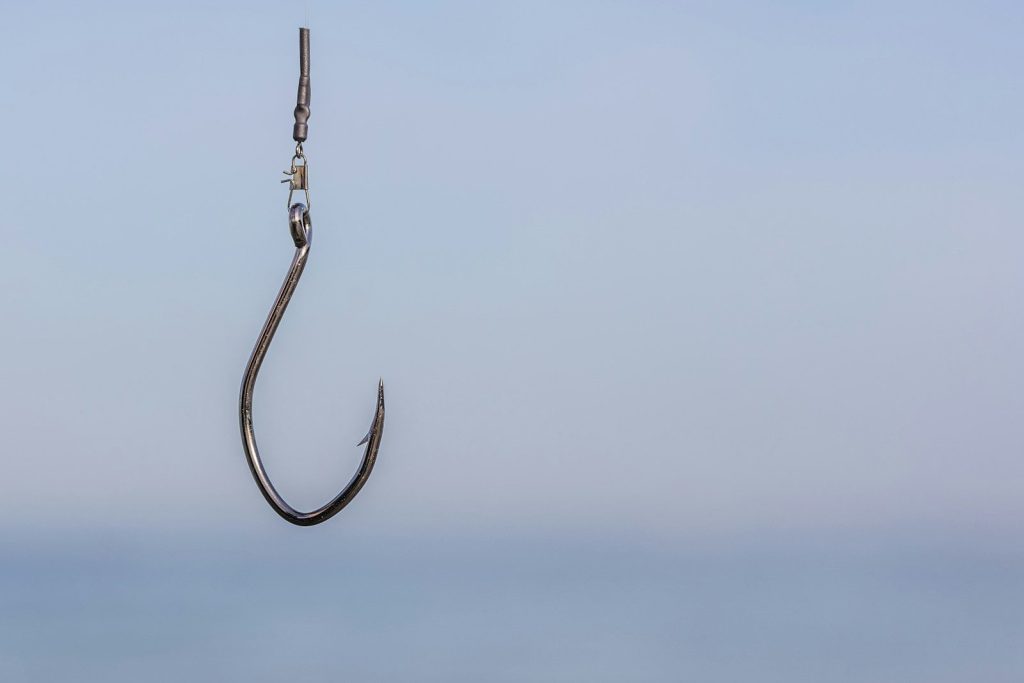
Using the CT scan data, researchers digitally isolated the bronze hook hidden inside the mummy. They then produced three-dimensional models and recreated the hook using bronze casting techniques similar to those used by ancient Egyptian metalworkers.
The replica helps museums explain both ancient craftsmanship and the crocodile’s remarkable story without disturbing the original artifact.
How modern technology is transforming archaeology
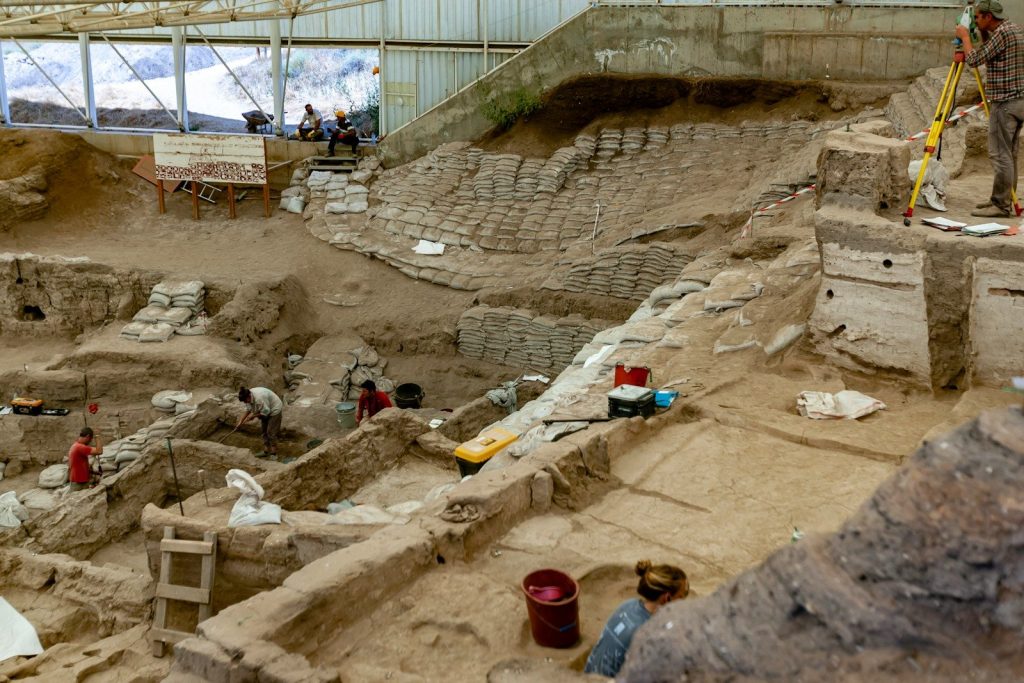
Advanced imaging technologies such as CT scanning are allowing archaeologists to study fragile artifacts in ways that were impossible just a few decades ago. Instead of damaging priceless objects through excavation or dissection, researchers can now explore hidden structures digitally.
The crocodile mummy demonstrates how combining archaeology, medical imaging, and digital reconstruction can reveal new details about ancient civilizations while preserving cultural heritage for future generations.
Featured Image: Photo by David Clode on Unsplash
Leave a Reply