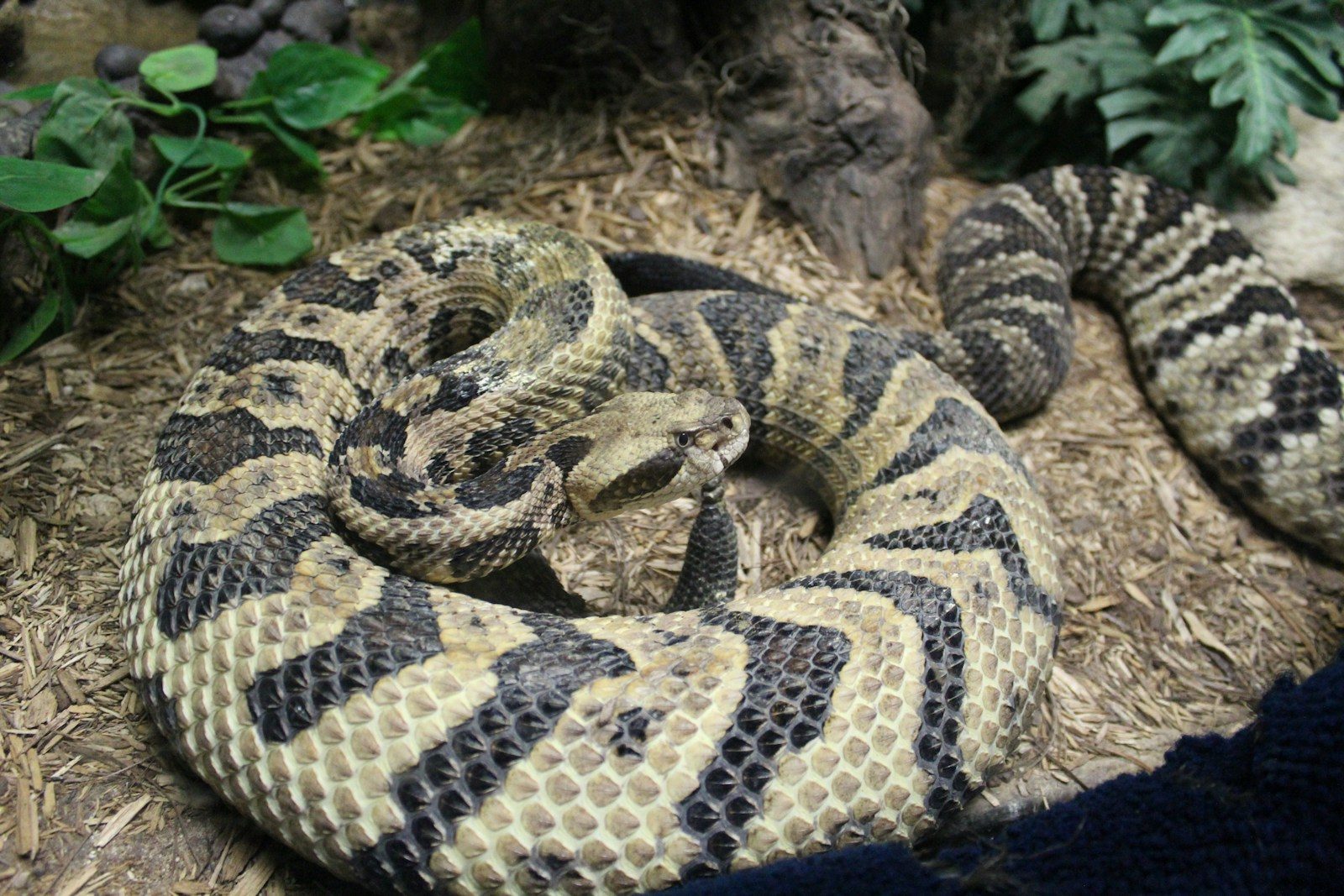
Rattlesnakes are among North America’s best-known venomous predators, using heat-sensing pits, camouflage, and powerful venom to capture prey and defend themselves. Despite these formidable adaptations, they are far from invincible.
Across deserts, grasslands, and forests, a variety of birds, mammals, and even other snakes have evolved specialized ways to hunt rattlesnakes. These predator-prey relationships help maintain healthy ecosystems by naturally regulating snake populations.
Kingsnakes: The rattlesnake specialists
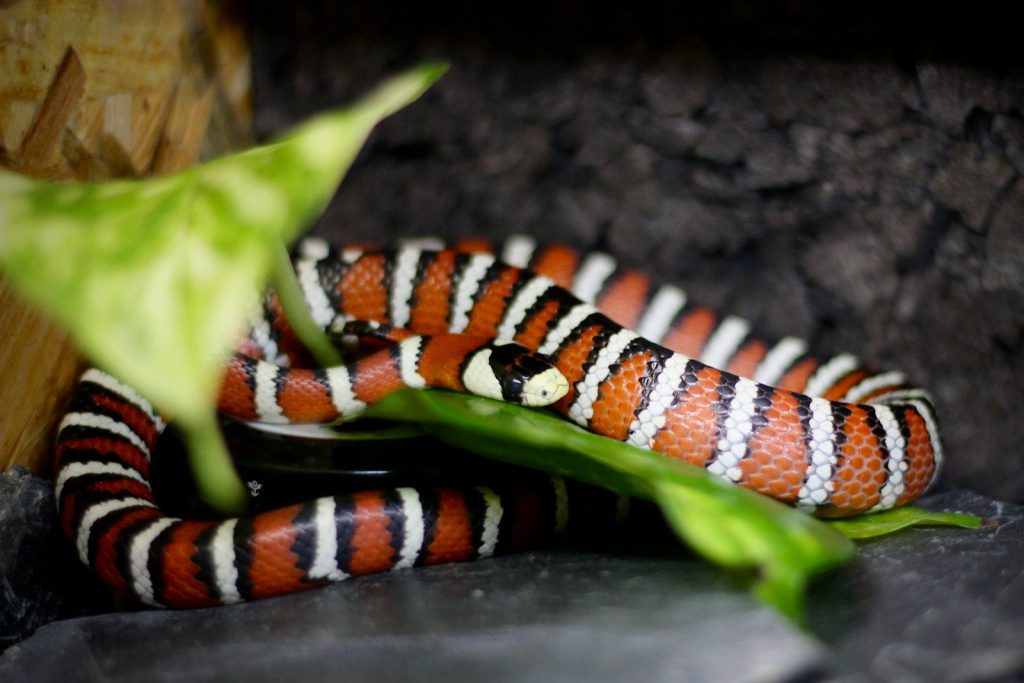
Kingsnakes are among the most effective predators of rattlesnakes. Rather than relying on venom, they overpower rattlesnakes by wrapping around them and suffocating them through constriction.
Remarkably, kingsnakes possess a high resistance to rattlesnake venom, allowing them to hunt venomous snakes that many other predators avoid.
Hawks and eagles strike from above
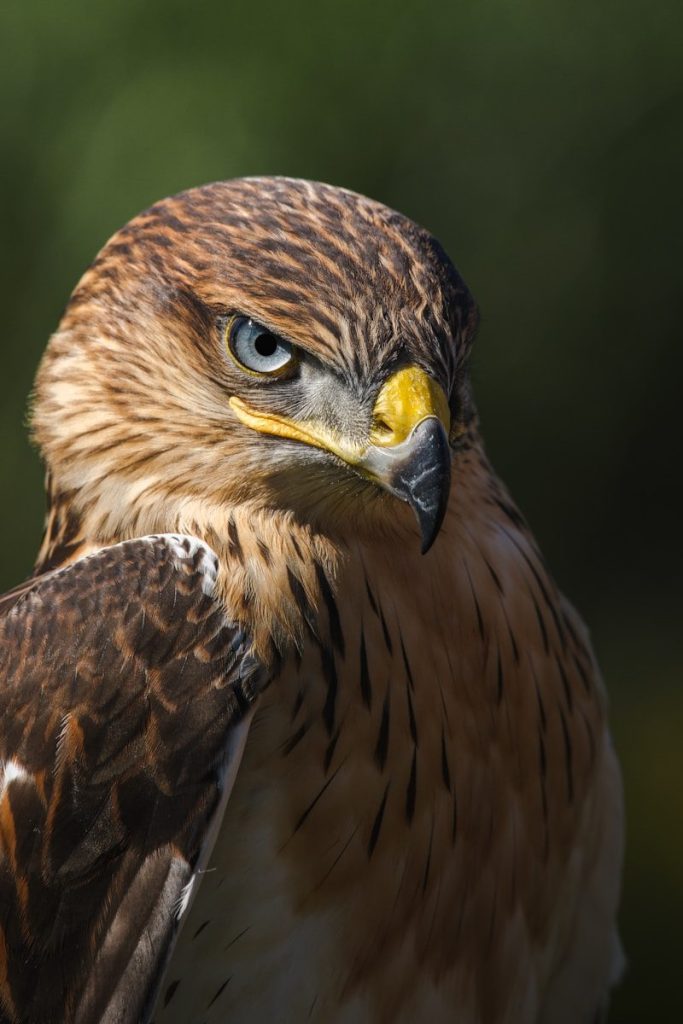
Birds of prey such as hawks and eagles use exceptional eyesight to detect rattlesnakes from long distances. They swoop down rapidly, grabbing snakes with powerful talons before carrying them to a safe location.
Attacking from the air greatly reduces the chance of being bitten.
Roadrunners use speed and precision
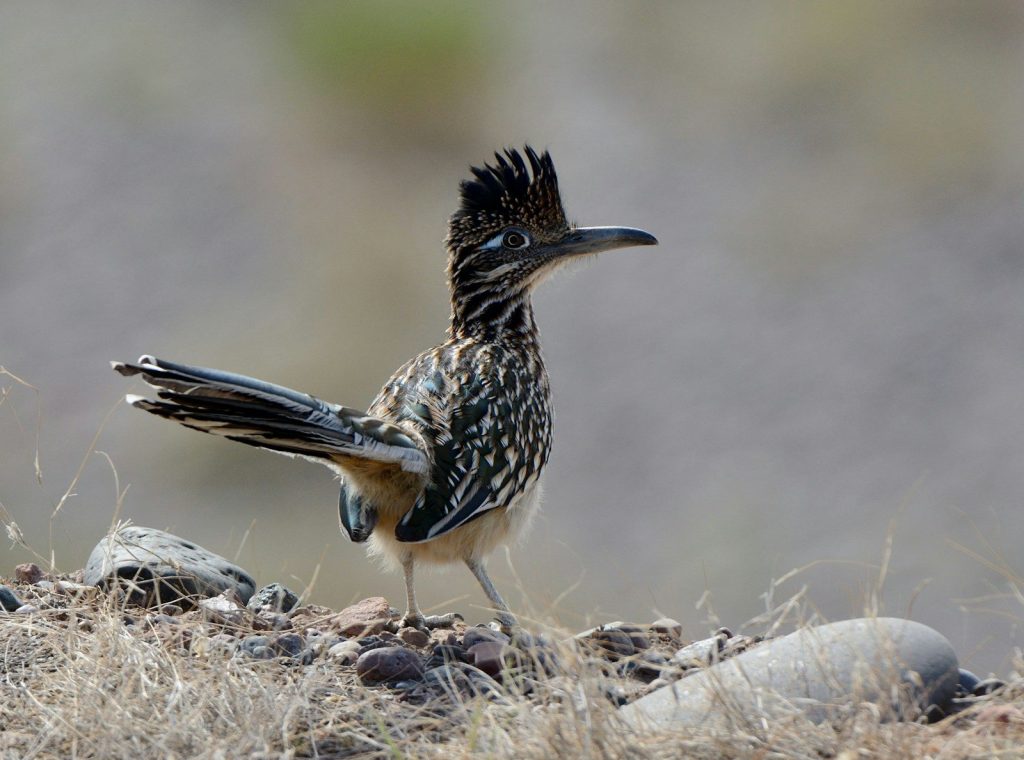
Greater roadrunners are famous for hunting snakes, including young rattlesnakes. They avoid strikes through quick movements before delivering repeated blows to the snake’s head.
Their speed and agility make them highly effective snake hunters despite their relatively small size.
Mammals that challenge venomous snakes
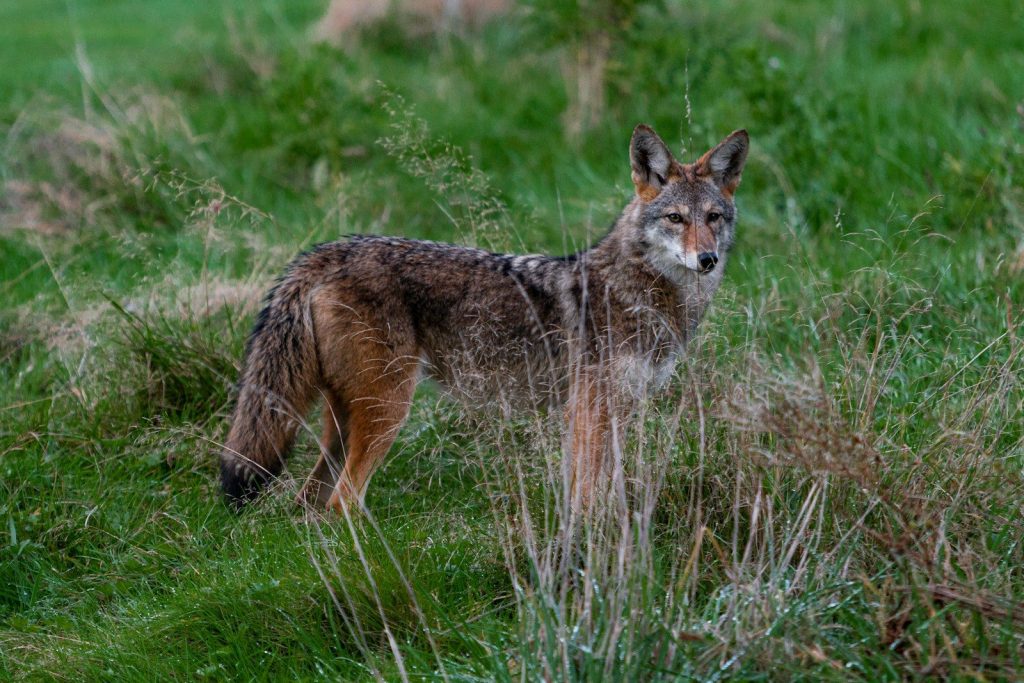
Coyotes, skunks, and badgers occasionally prey on rattlesnakes. Thick fur, quick reflexes, persistence, and careful attack strategies help reduce the risk of venomous bites.
Most of these mammals are opportunistic hunters rather than specialists, but they readily attack rattlesnakes when the opportunity arises.
Young rattlesnakes face the greatest danger
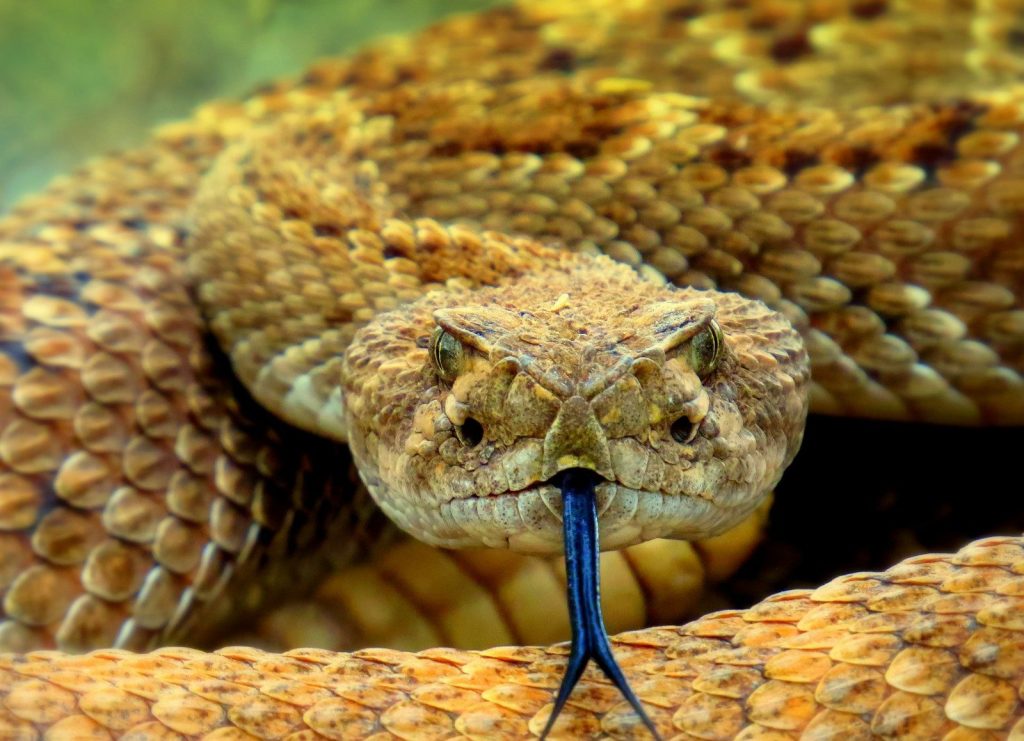
Juvenile rattlesnakes have many more predators than adults. Ravens, crows, raccoons, opossums, weasels, foxes, and numerous birds prey on young snakes before they reach maturity.
Only a small percentage of newborn rattlesnakes survive long enough to become breeding adults.
Why these predators matter
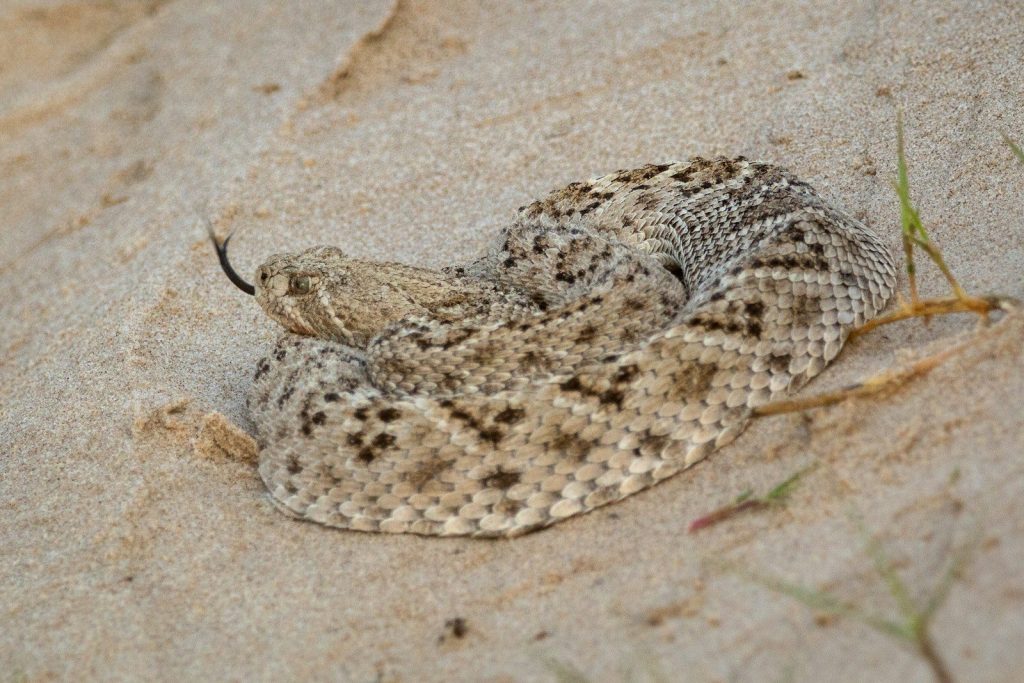
Natural predators play an important role in balancing ecosystems by helping regulate rattlesnake populations while also serving as part of complex food webs.
Rather than eliminating rattlesnakes, these interactions demonstrate how predators and prey continually adapt to one another through evolution, maintaining biodiversity across North American habitats.
Featured Image: Photo by Simoné Stander on Unsplash
Leave a Reply