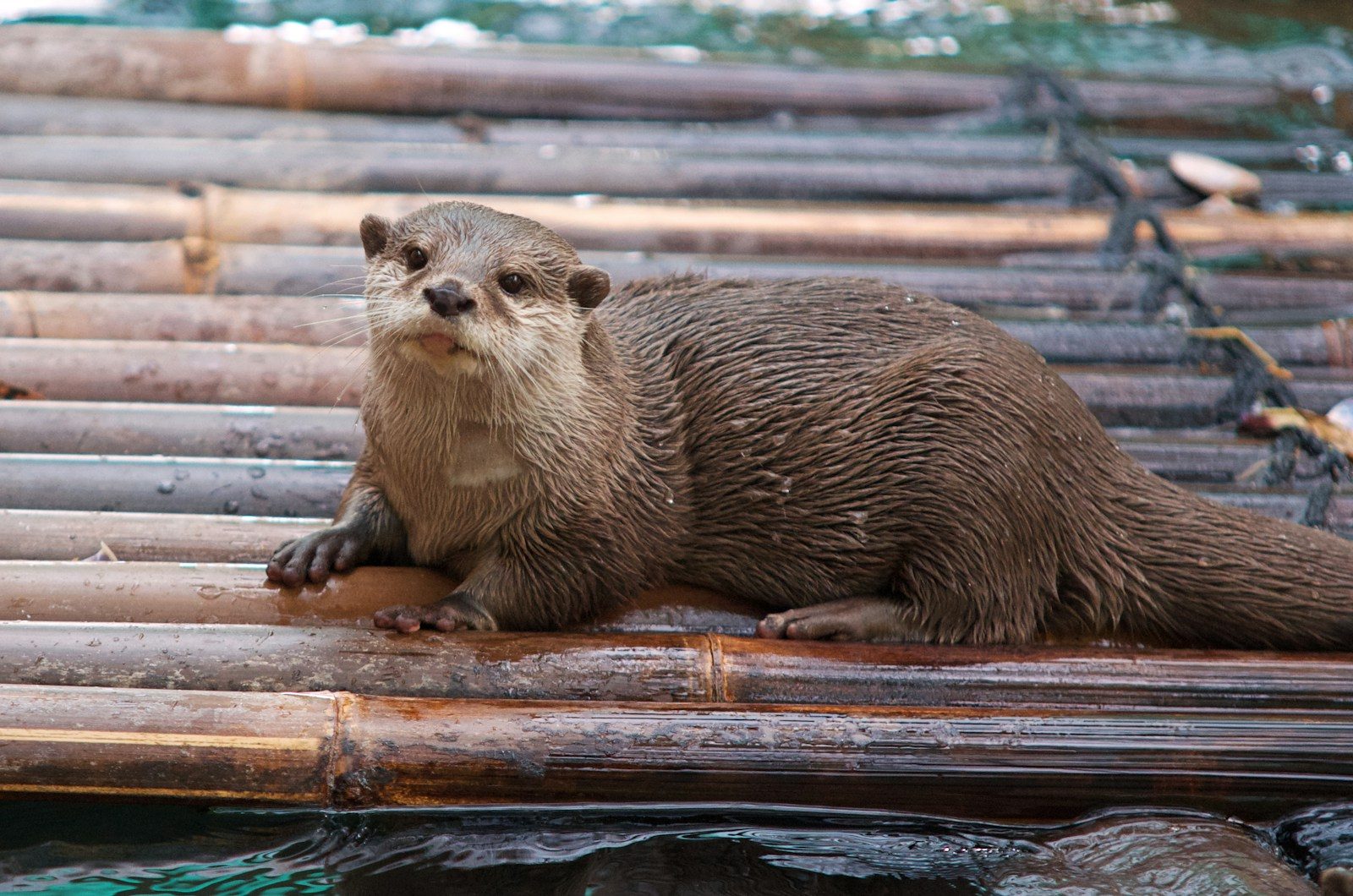
When Mats Janzon discovered a tiny orphaned otter alone in the grass near his home in Sweden, he had no intention of becoming her caregiver. After waiting for hours for her mother to return, he eventually found that the adult otter had been killed on a nearby road.
The exhausted pup, later named Leya, was barely alive and needed immediate help. What began as an emergency rescue eventually became an extraordinary story of trust, rehabilitation, and an unusual reunion that continues long after Leya returned to the wild.
An orphaned pup fighting to survive
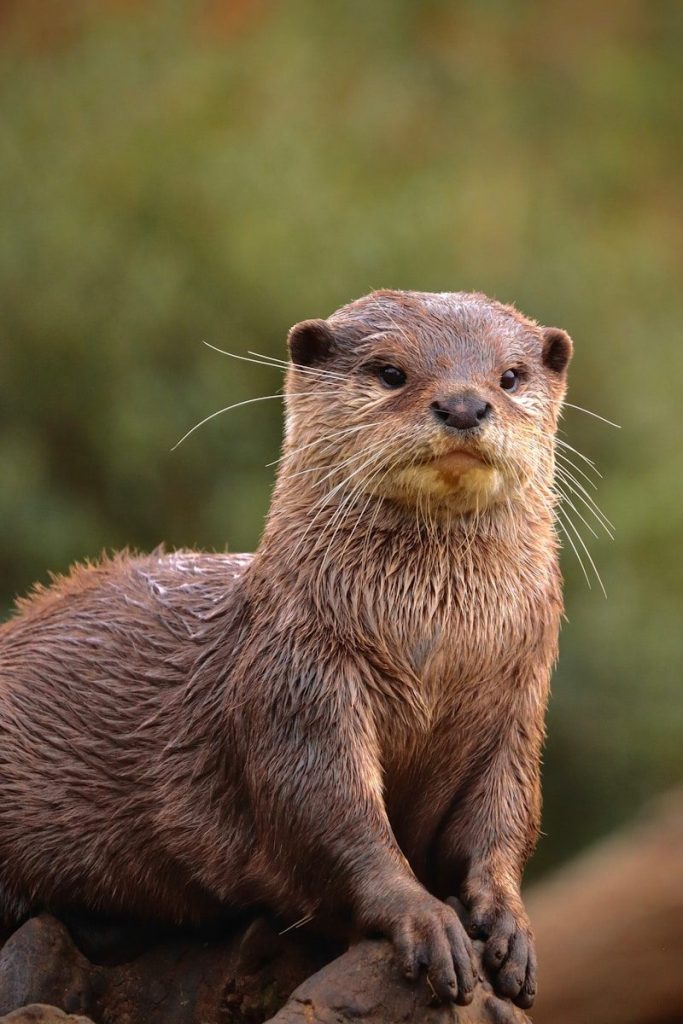
Leya was only a few weeks old when she was rescued. Because young otters depend completely on their mothers for food, warmth, and protection, surviving alone in the wild is highly unlikely.
Janzon provided around-the-clock care, gradually helping the young otter regain her strength while minimizing unnecessary stress.
Learning the skills of a wild otter
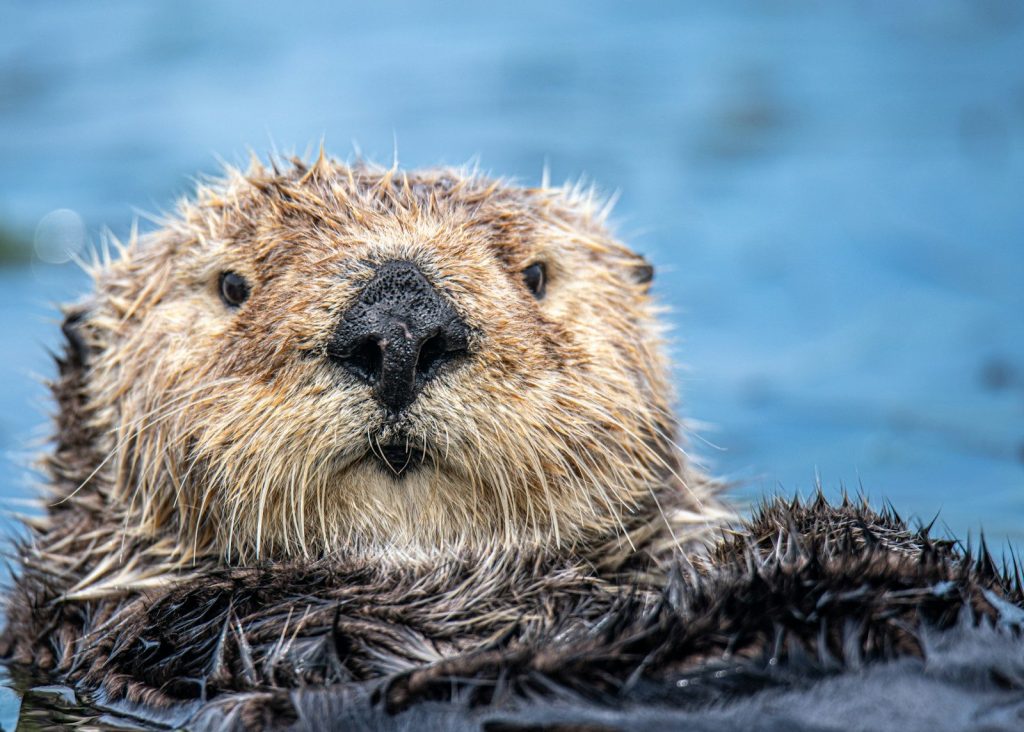
As Leya grew stronger, rehabilitation shifted from simple care to preparing her for independence. She first learned to swim in shallow water before gradually exploring larger lakes, where she developed the confidence needed for life in the wild.
The goal was always a successful release rather than permanent captivity.
A difficult goodbye
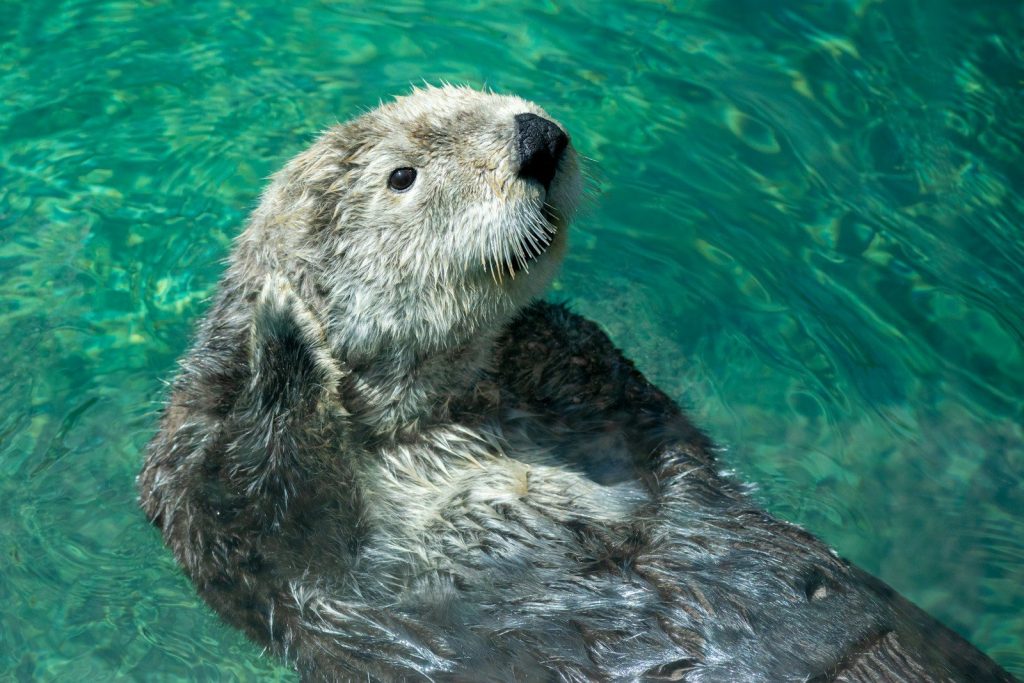
Releasing a rehabilitated wild animal is often the hardest part of rescue work. As Leya matured, she naturally spent more time exploring on her own until she eventually established an independent life.
Although Janzon knew this was the outcome he had worked toward, allowing her to leave remained an emotional milestone.
The remarkable kayak reunions
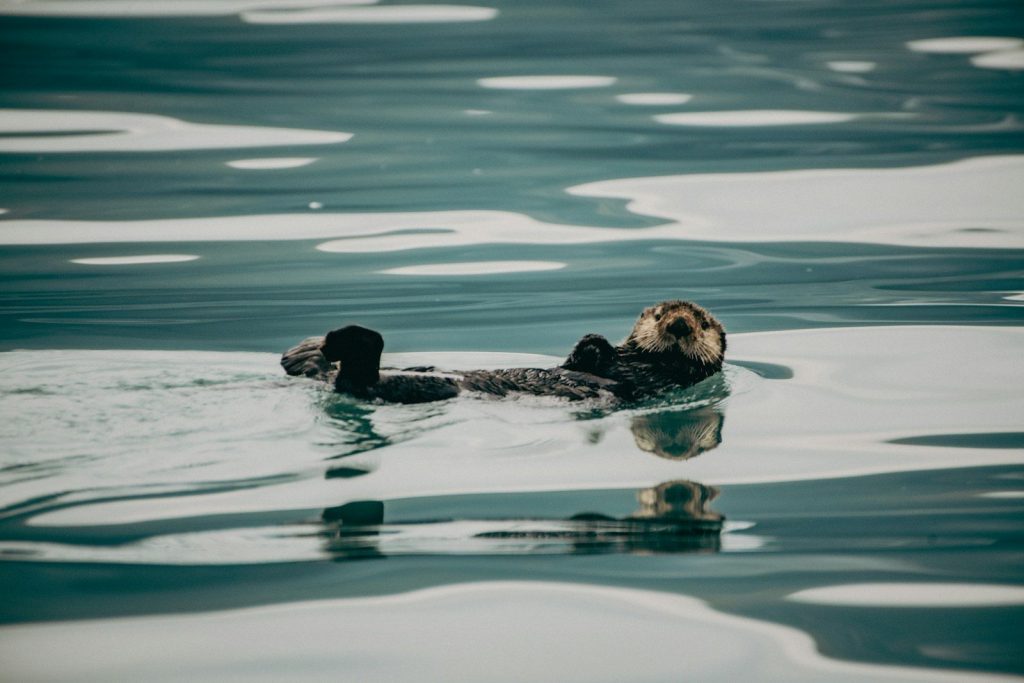
After becoming fully independent, Leya occasionally recognized Janzon as he paddled his kayak on the lake. She would swim directly toward him, climb aboard, spend a short time resting or seeking gentle affection, and then return to the water.
The visits happen entirely on her own terms, making the encounters especially unusual among rehabilitated wild mammals.
Why is this bond so unusual?
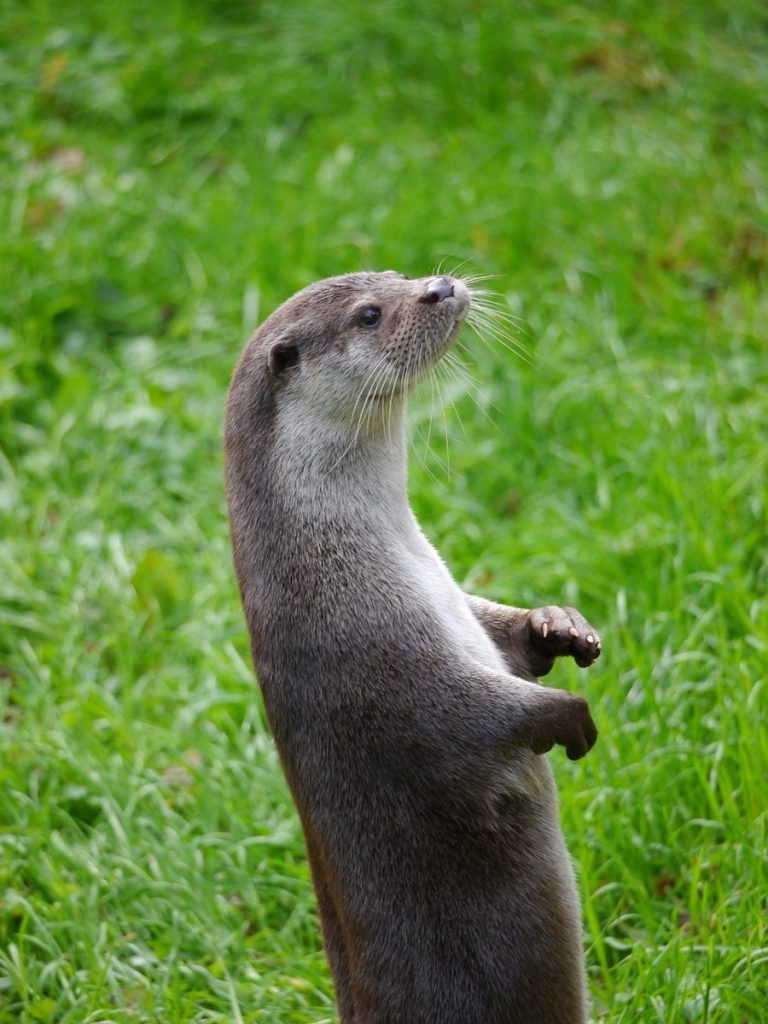
Wildlife rehabilitation specialists generally avoid creating long-term dependence on humans because animals must be able to survive independently after release. Most rehabilitated otters eventually avoid people altogether.
Leya’s repeated visits represent an exceptional individual case rather than typical behavior, and experts do not encourage people to approach or interact with wild otters.
A reminder of successful rehabilitation
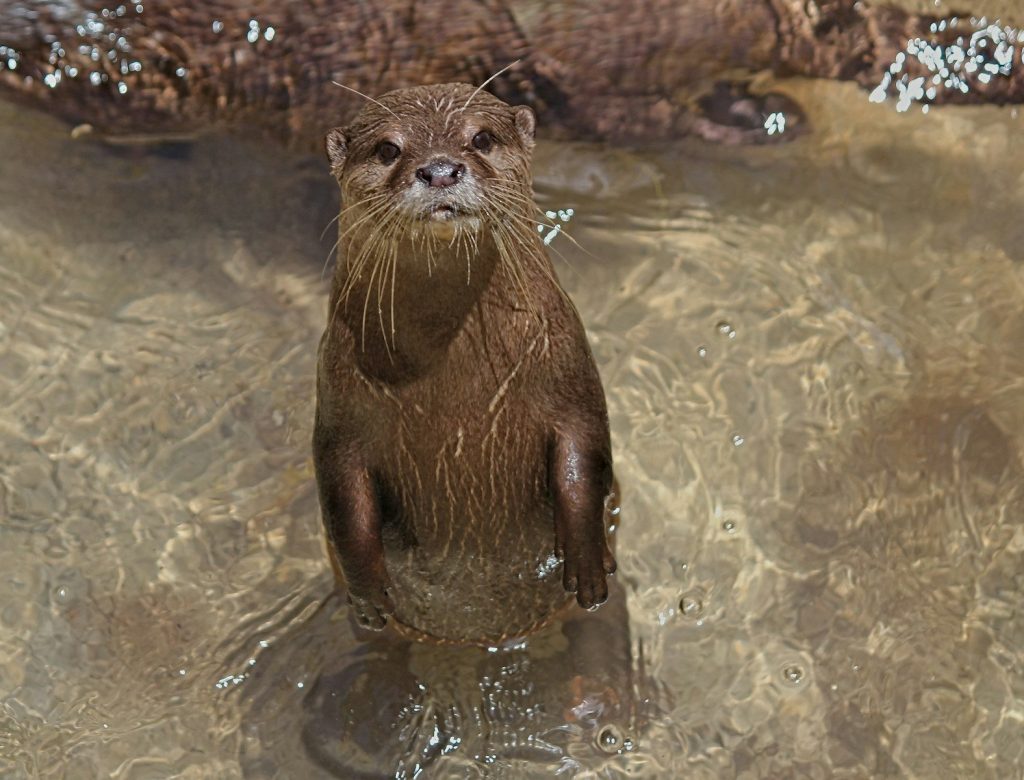
Leya’s story is remarkable not because she remained with people, but because she successfully returned to life in the wild while still occasionally recognizing the person who helped save her. Her independence demonstrates that the primary goal of wildlife rehabilitation was achieved.
Her rare visits continue to inspire people while highlighting the importance of protecting wild animals and respecting their natural lives.
Featured Image: Photo by Third Idea on Unsplash
Leave a Reply