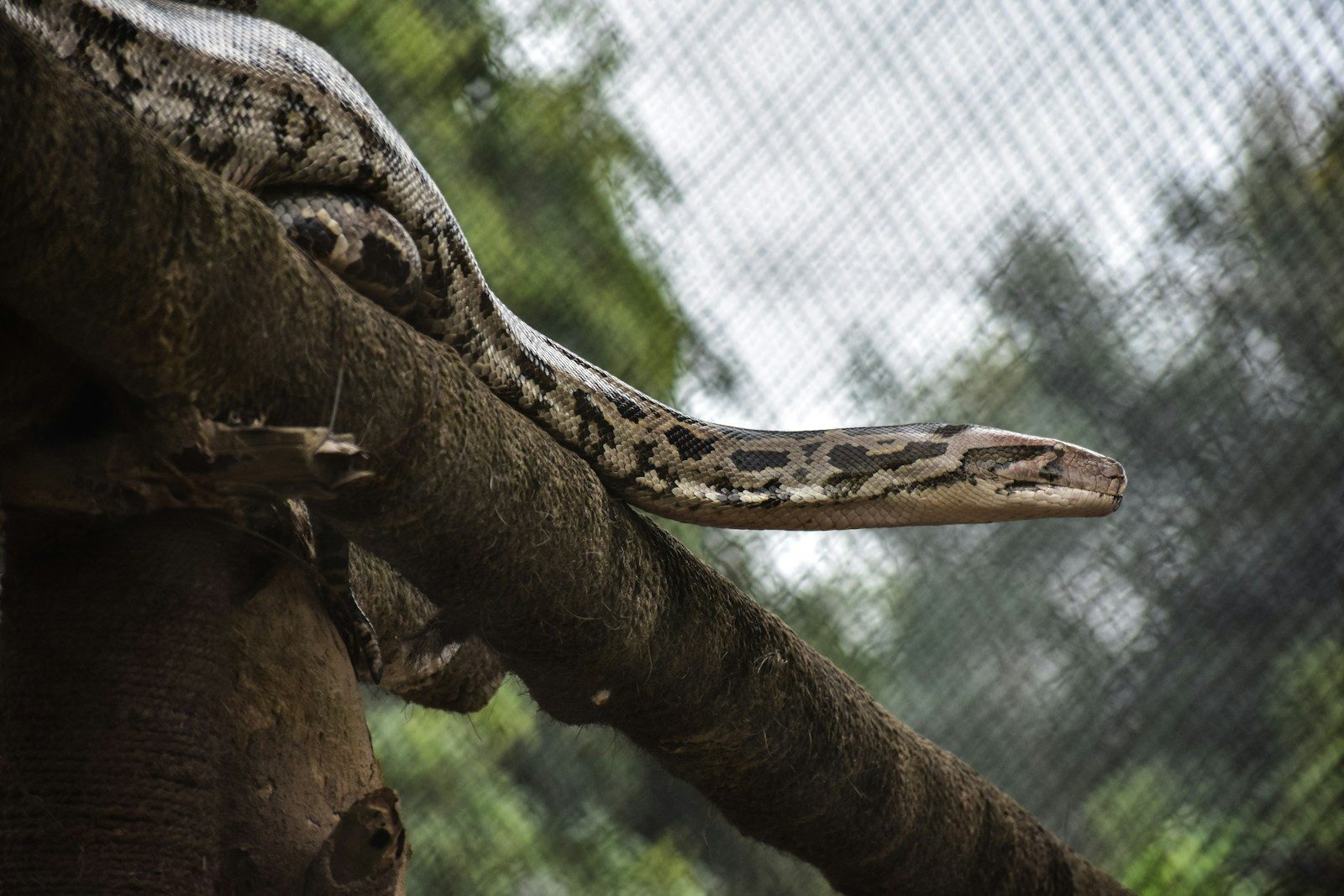
Florida is home to one of the world’s most well-known invasive snake problems. Over several decades, several species of giant constrictors escaped or were released from the exotic pet trade, with Burmese pythons becoming firmly established across parts of South Florida.
While reports sometimes suggest these enormous snakes could eventually spread across much of the United States, scientists say the reality is more complicated. Climate, habitat, and reproduction all influence whether these reptiles can establish long-term populations outside their current range.
Burmese pythons lead the invasion
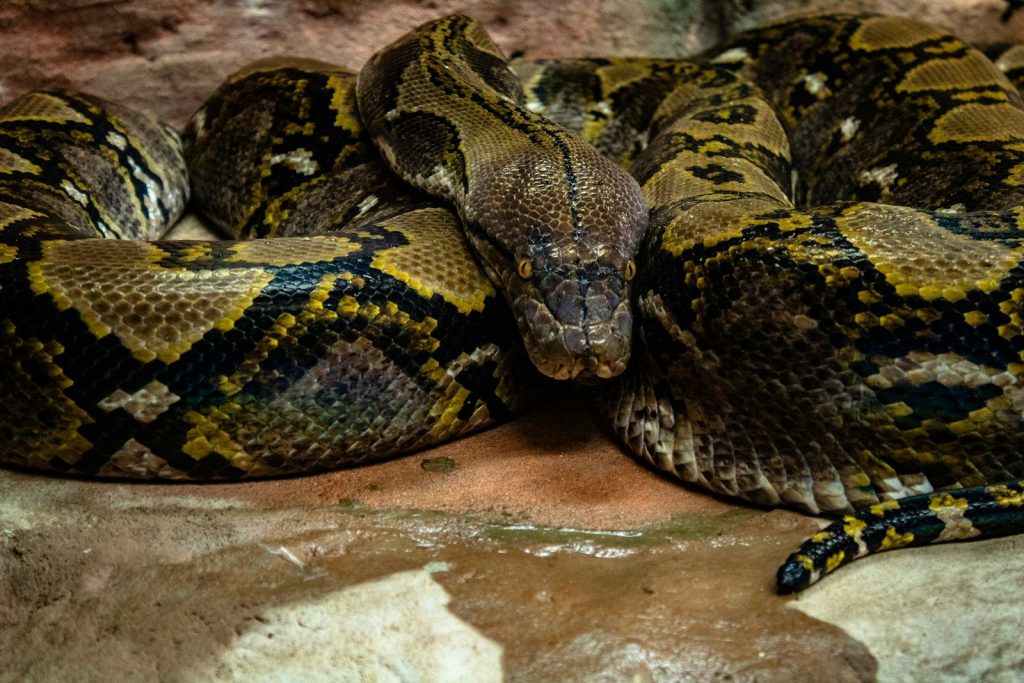
The Burmese python is the only giant constrictor with a large, well-established breeding population in Florida. Native to Southeast Asia, these snakes can exceed 20 feet in length and have spread throughout much of the Everglades after being introduced through the exotic pet trade.
Researchers estimate that the population has become self-sustaining, making the species one of Florida’s most damaging invasive predators.
Other giant snakes found in Florida
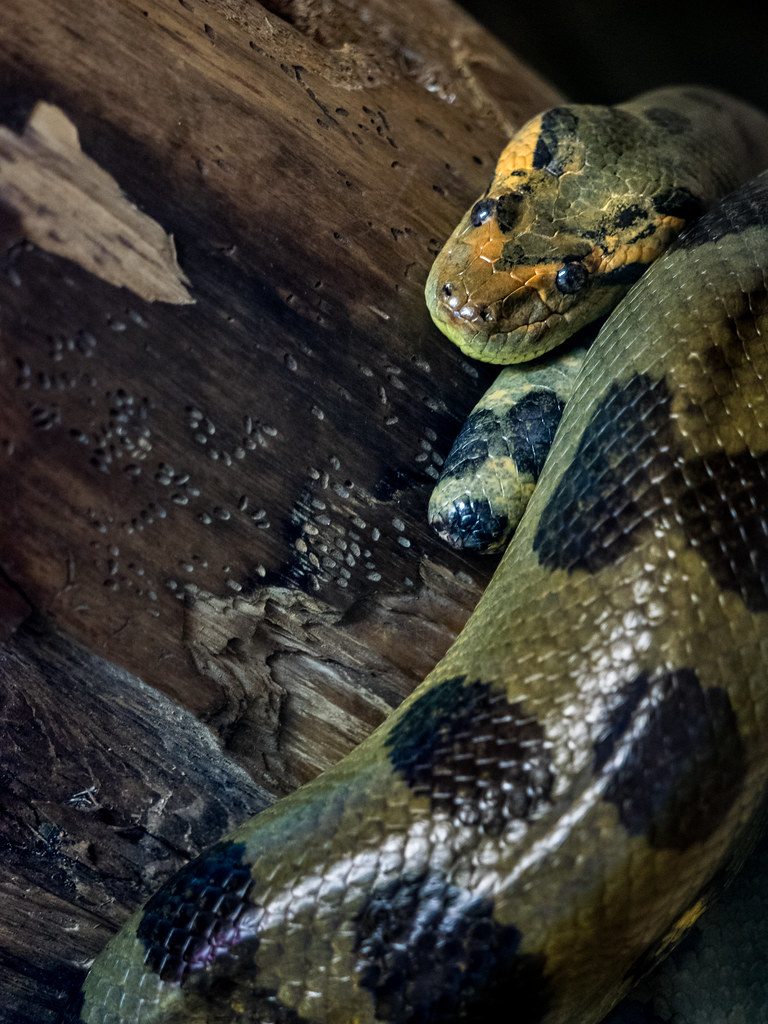
Several additional large snake species have been documented in Florida, including boa constrictors, northern African rock pythons, reticulated pythons, green anacondas, and yellow anacondas. Most of these sightings involve escaped or released pets, and only a few species show evidence of localized breeding populations.
Compared with Burmese pythons, these species remain far less widespread.
Could they spread across the United States?
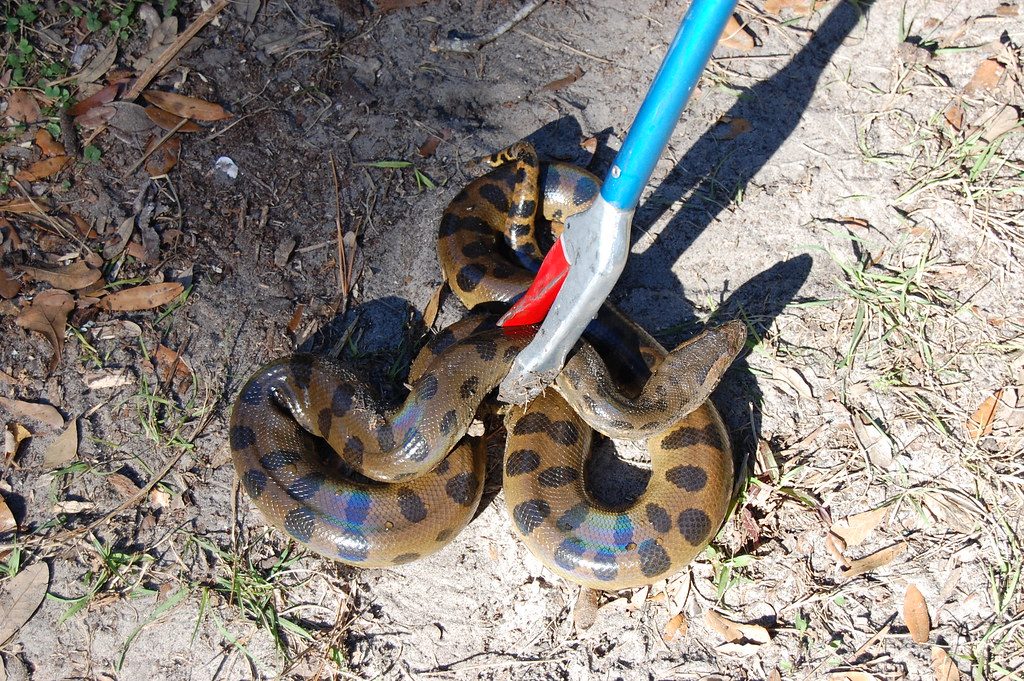
Early computer models published by the U.S. Geological Survey suggested Burmese pythons might survive across large areas of the southeastern United States. Those projections received widespread attention and were frequently cited in media reports.
However, later studies that incorporated additional climate data concluded that suitable long-term habitat is much more restricted, with South Florida remaining the area most favorable for permanent populations.
Why invasive snakes are a concern
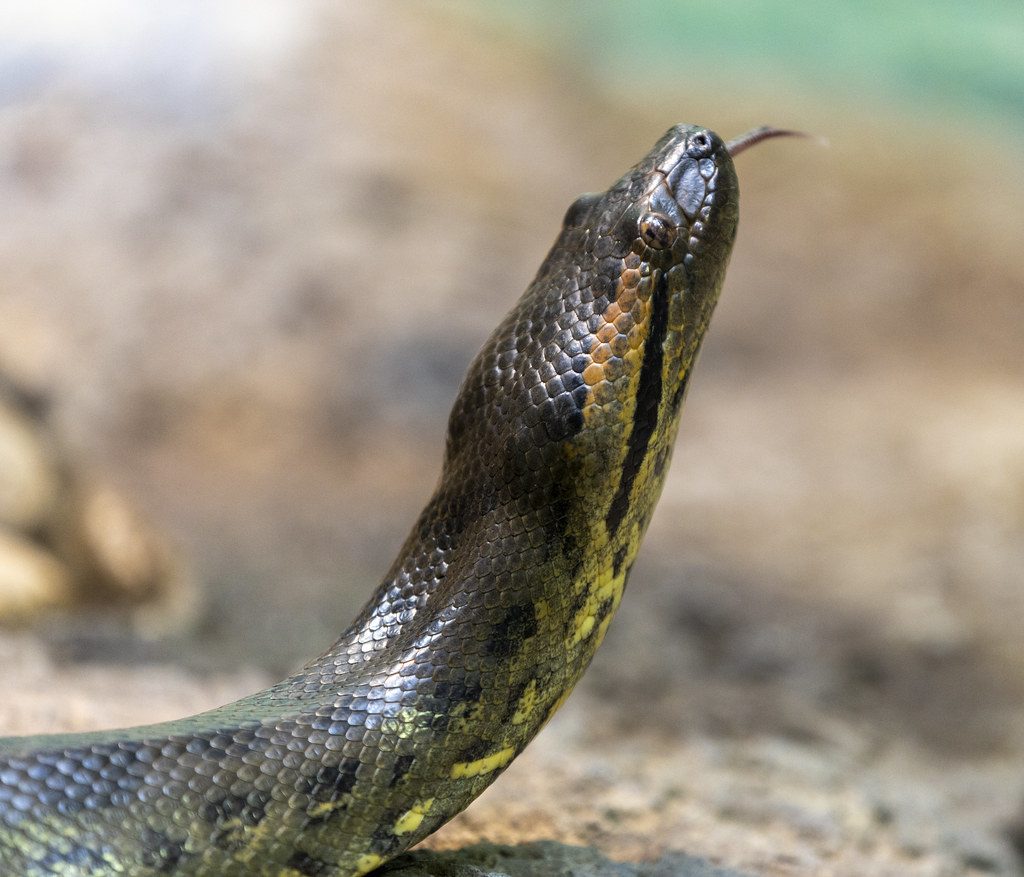
Large constrictors prey on mammals, birds, reptiles, and amphibians. Research from the Everglades has linked the rapid expansion of Burmese pythons with significant declines in several native mammal populations.
Because these snakes reproduce efficiently and are difficult to detect in dense wetlands, controlling established populations remains a major conservation challenge.
How wildlife agencies are responding
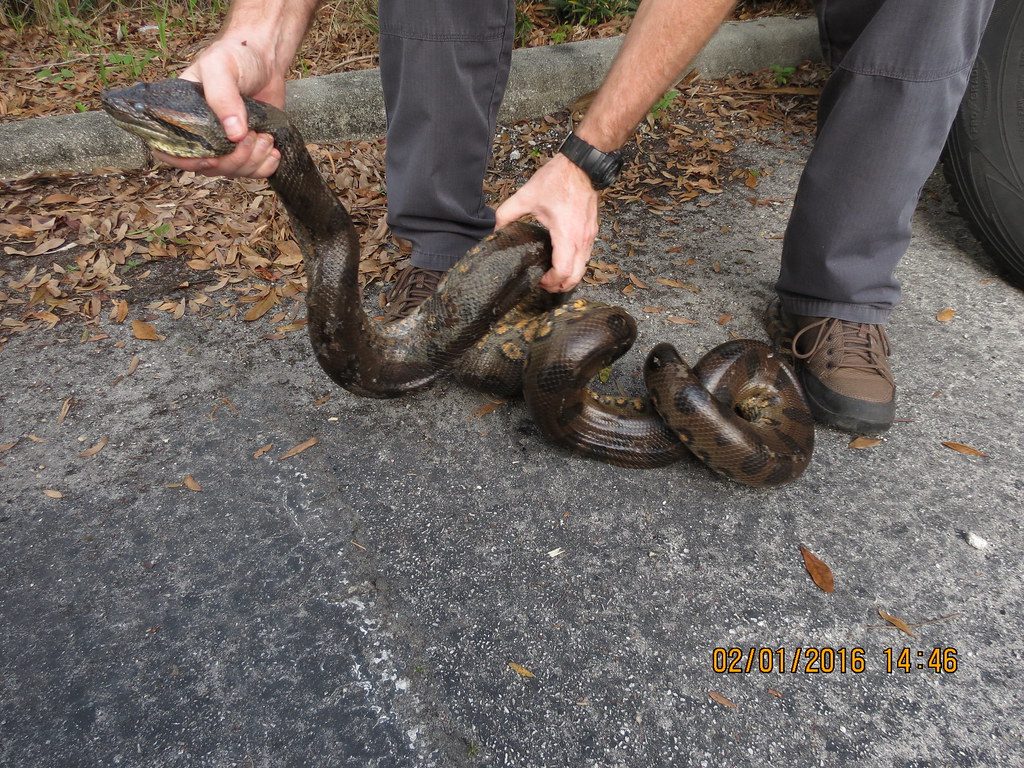
Florida wildlife agencies use a combination of public reporting, organized removal programs, radio telemetry research, and annual python challenges to slow the spread of invasive snakes. Scientists continue studying snake behavior to improve detection methods and reduce future population growth.
Although complete eradication is considered unlikely, ongoing management helps limit ecological damage.
What pet owners can do

Experts agree that preventing future invasions begins with responsible pet ownership. Exotic reptiles should never be released into the wild if they become difficult to care for. Instead, owners should work with wildlife authorities, rescue organizations, or legal surrender programs.
Preventing new releases remains one of the most effective ways to protect native ecosystems from future invasive snake populations.
Featured Image: Photo by Soubhagya Ranjan on Unsplash
Leave a Reply