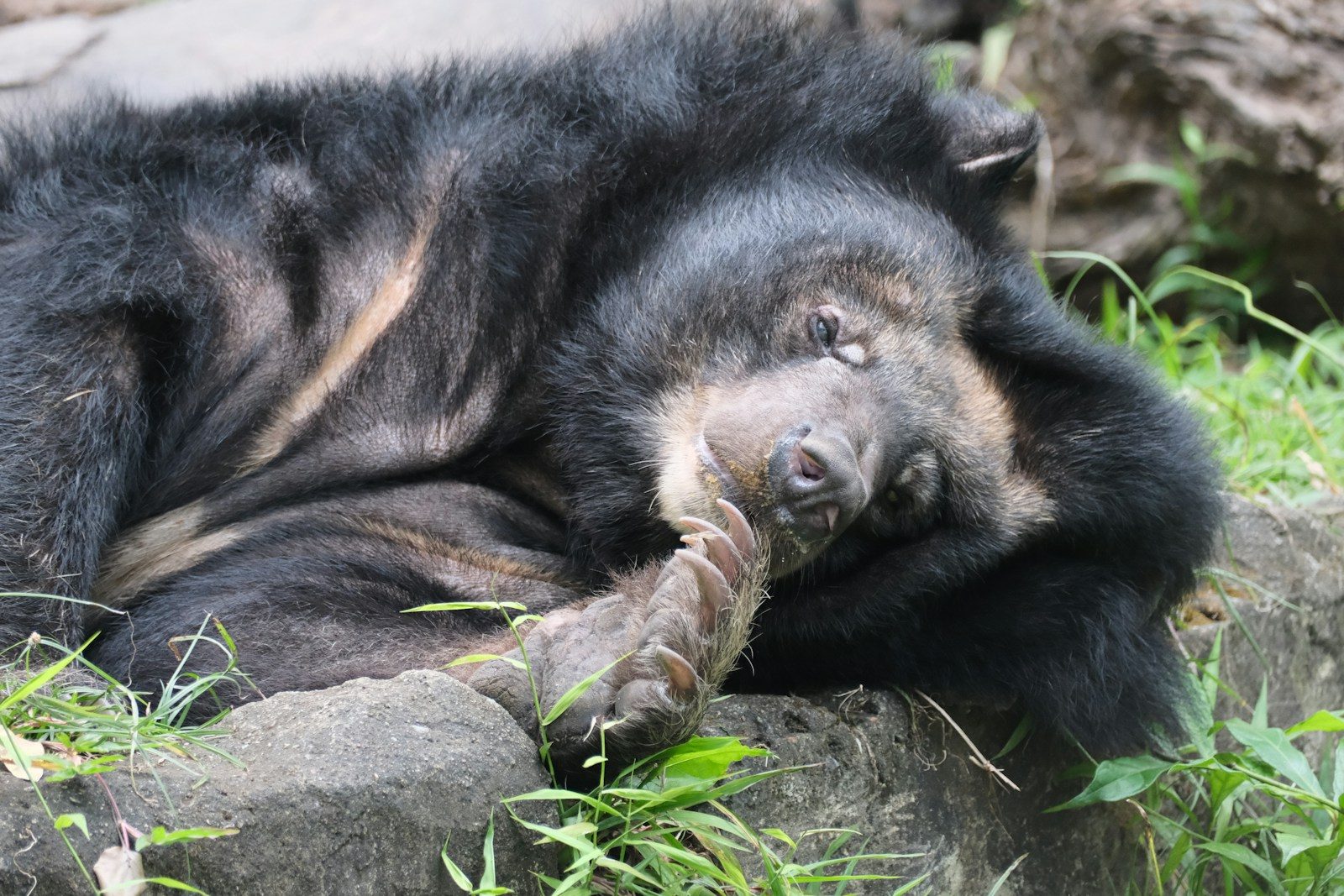
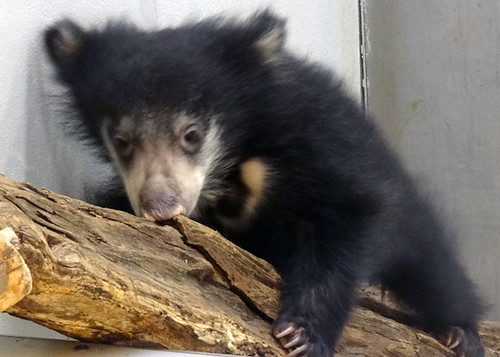
A young sloth bear cub found alone and badly injured in central India is making an encouraging recovery thanks to rapid intervention from wildlife officials and veterinarians. The female cub, later named Luna, was discovered abandoned in the buffer zone of Bandhavgarh Tiger Reserve, where her chances of surviving alone were extremely low.
After receiving emergency treatment, she is now recovering under expert care at a specialized bear rescue facility.
Found alone in the forest
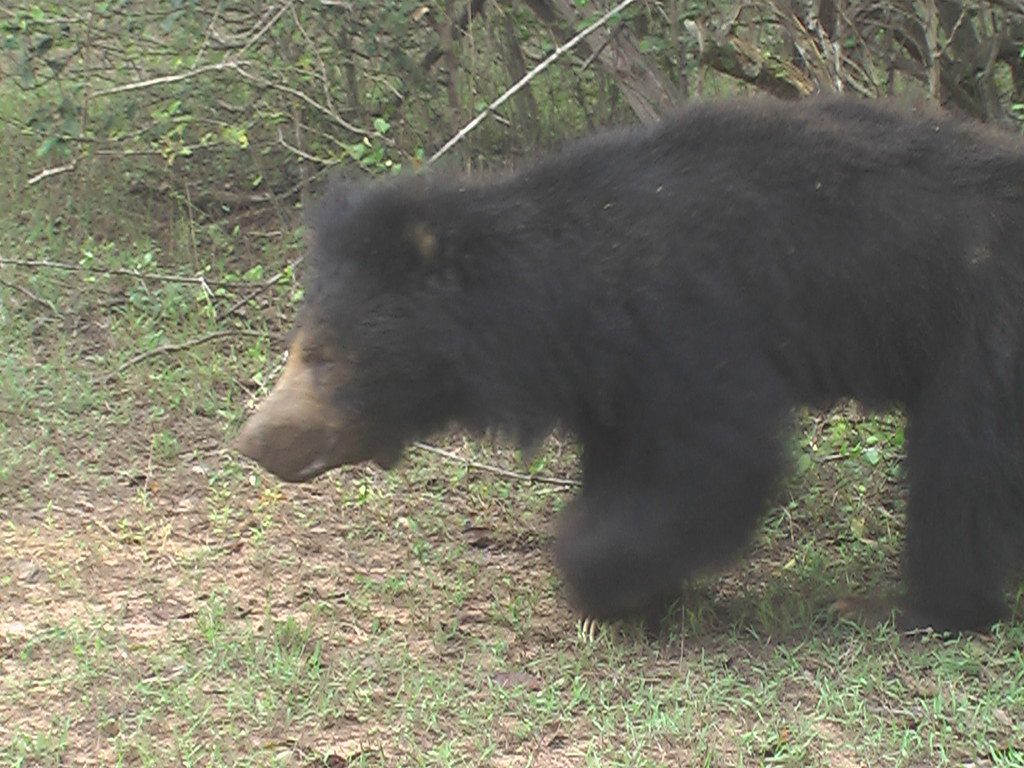
Forest officials discovered Luna when she was only four to five months old. She was severely dehydrated, underweight, anemic, and unable to walk properly because of injuries to her left hind leg.
With no sign of her mother, rescuers determined that the vulnerable cub required immediate veterinary attention to survive.
Serious injuries required urgent care
Veterinarians diagnosed Luna with an old hairline fracture near her left hip, a damaged claw, a wound on one toe, and a painful ulcer on her footpad. These injuries made walking difficult and suggested she had suffered significant trauma before being rescued.
Her treatment includes wound care, nutritional support, pain management, and close medical monitoring.
Why young sloth bears are so vulnerable
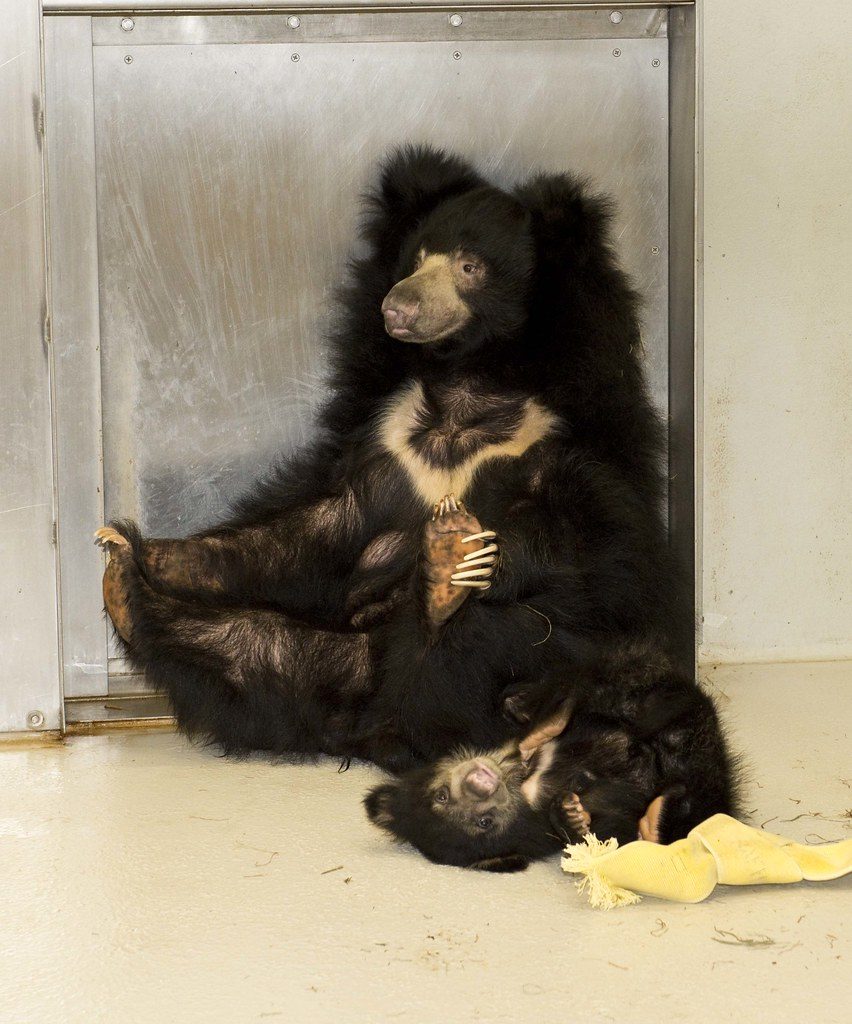
In the wild, sloth bear cubs remain with their mothers for about two years, learning how to forage, avoid predators, and survive independently. Cubs separated from their mothers at such a young age face extremely poor survival prospects.
Without maternal care, dehydration, starvation, and predation quickly become major threats.
Luna’s encouraging recovery
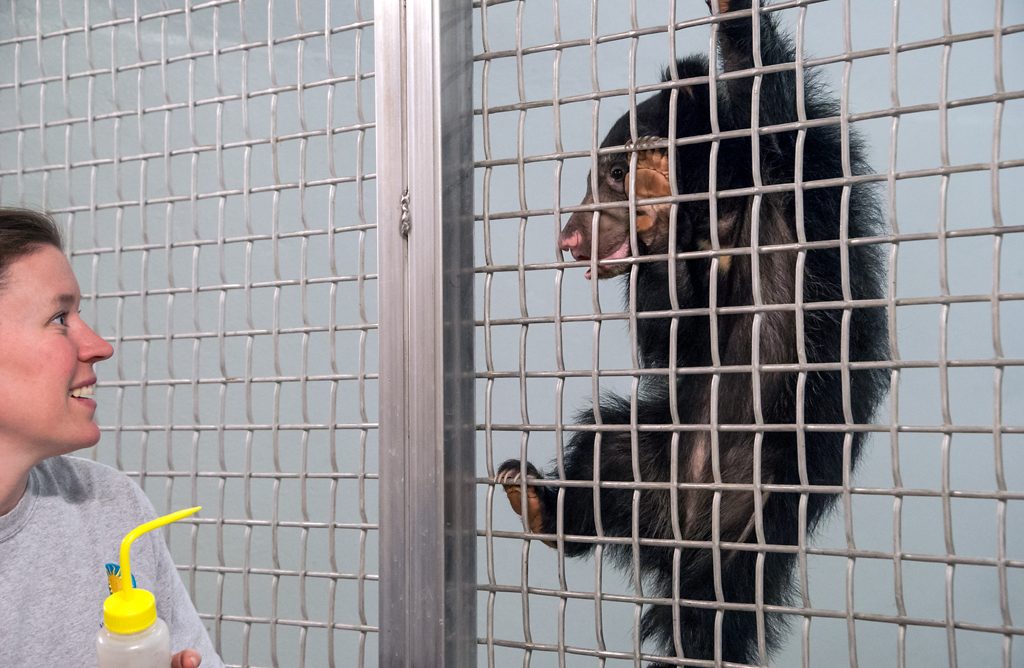
Since arriving at Wildlife SOS’s Van Vihar Bear Rescue Facility in Bhopal, Luna has steadily improved. She has begun eating well, gaining weight, and showing more confidence each day.
Caregivers also report that her naturally playful personality is returning as her injuries continue to heal.
Protecting a vulnerable species
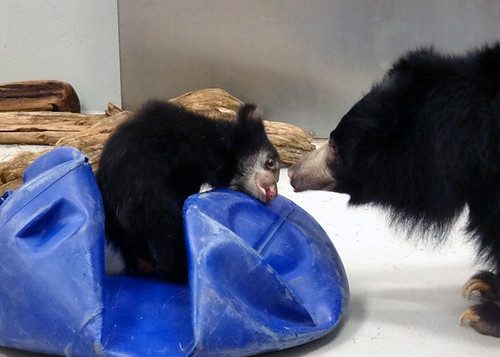
Sloth bears are listed as Vulnerable on the IUCN Red List because of habitat loss, habitat fragmentation, and conflict with humans. Wildlife rescue organizations and forest departments play an important role in giving injured or orphaned bears a chance to recover when they cannot survive on their own.
Every successful rescue also contributes to broader conservation efforts for the species.
What happens next
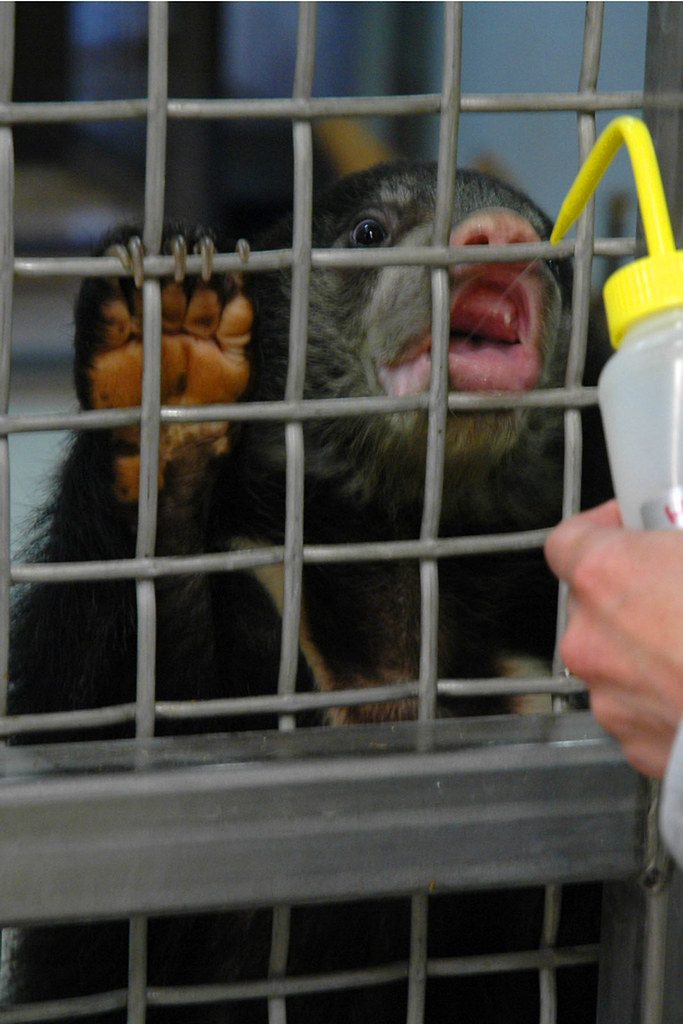
Luna will continue receiving specialized veterinary care and rehabilitation while experts evaluate her long-term future. Her recovery will depend on how well her injuries heal and whether she can eventually develop the skills needed for independent life.
For now, veterinarians remain optimistic that the young cub will make a full recovery.
Leave a Reply