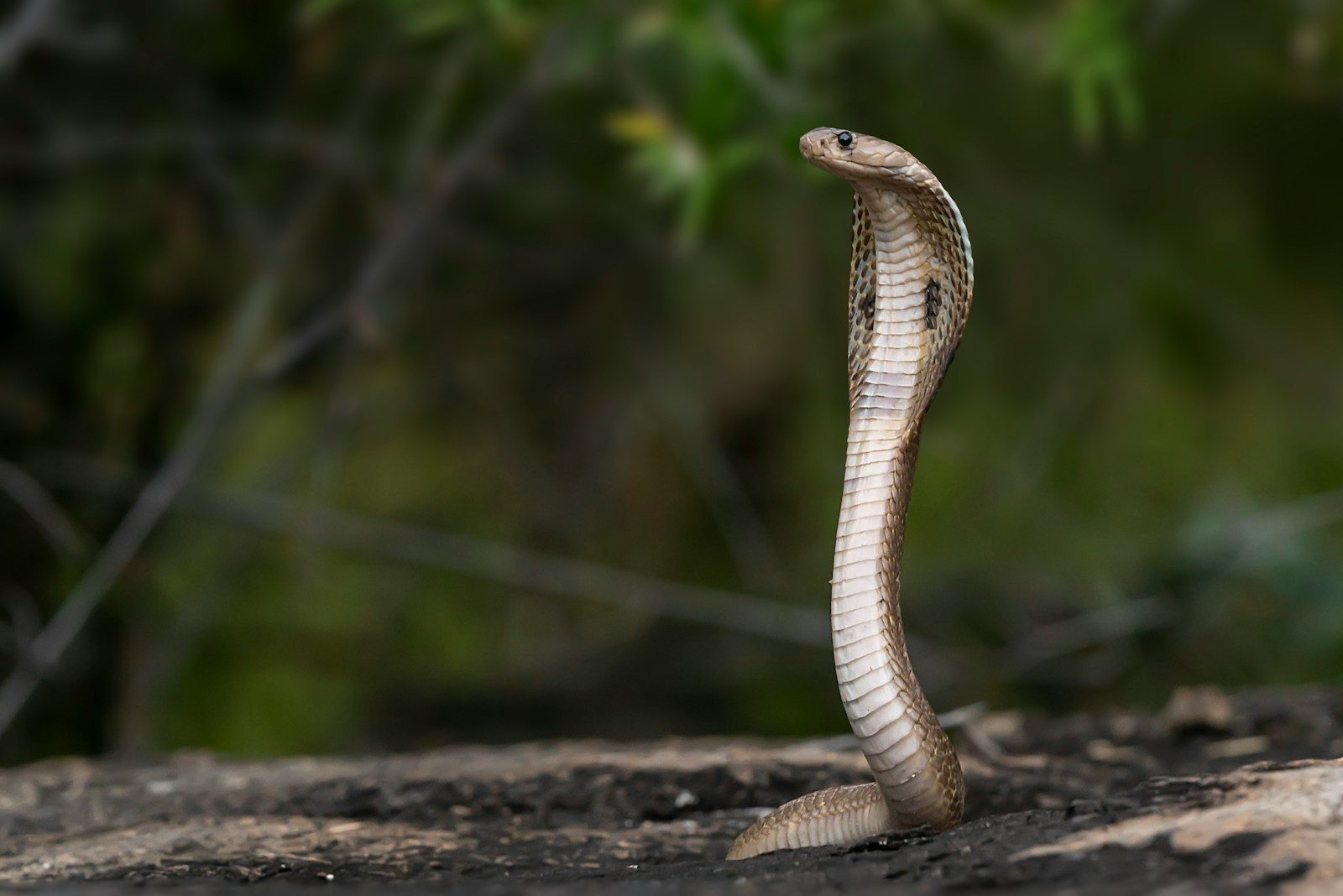
Snakes are an essential part of healthy ecosystems, helping control rodents and serving as both predators and prey. While many hikers worry about encountering them, wildlife experts say snake bites are extremely uncommon because most snakes avoid people whenever possible. If you’re hoping to see reptiles in their natural habitat, however, a handful of U.S. national parks stand out for their remarkable snake diversity.
Big Bend leads in snake diversity
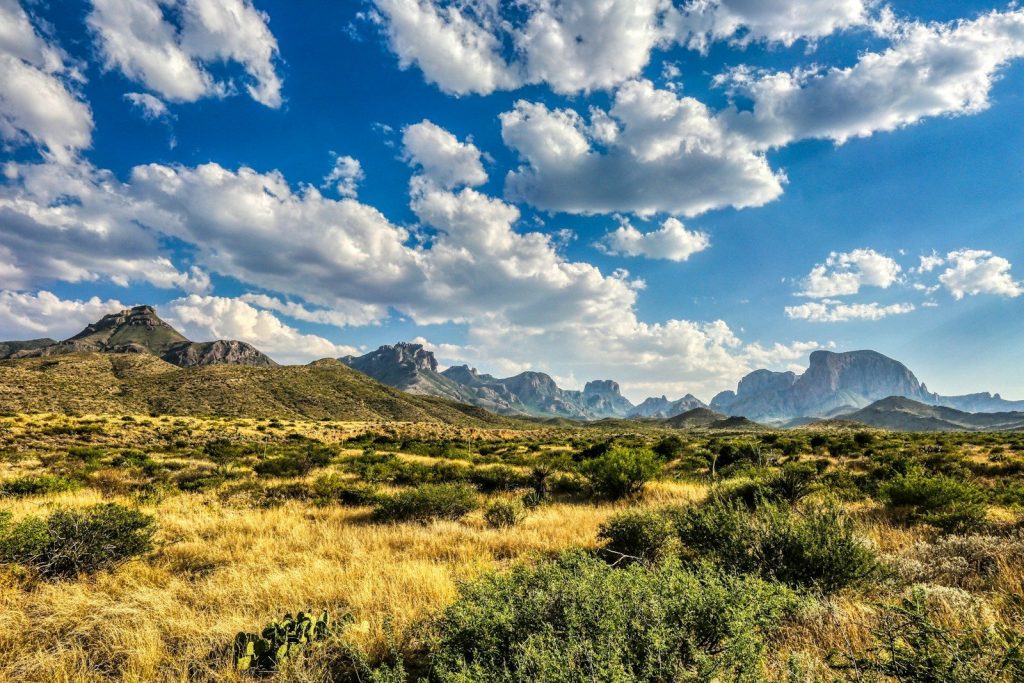
Wildlife experts frequently point to Big Bend National Park in Texas as one of the best places in the United States to observe native snakes. Located in the Chihuahuan Desert, the park combines mountains, canyons, rivers, and desert habitats that support an impressive variety of reptile species.
The National Park Service lists 31 confirmed snake species in the park, including four rattlesnake species and numerous harmless snakes.
Why do so many snakes live there?
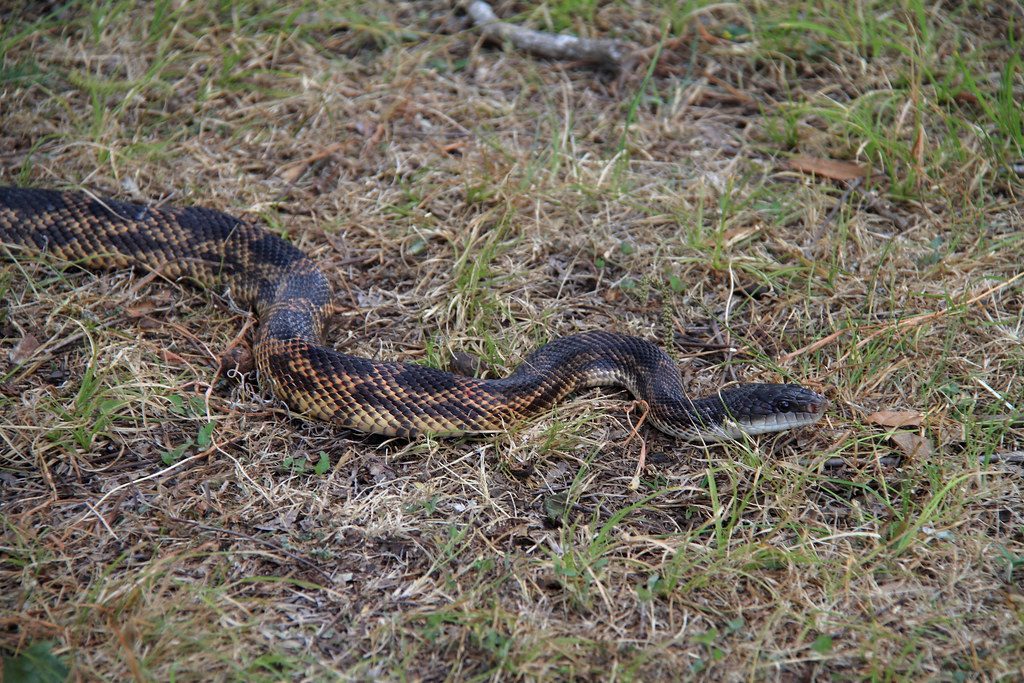
Big Bend’s warm climate, varied elevations, and diverse habitats create ideal conditions for reptiles. Desert flats, rocky slopes, riparian corridors, and mountain woodlands each support different snake communities.
This range of habitats allows many species to coexist within the same protected landscape.
Other parks known for snakes
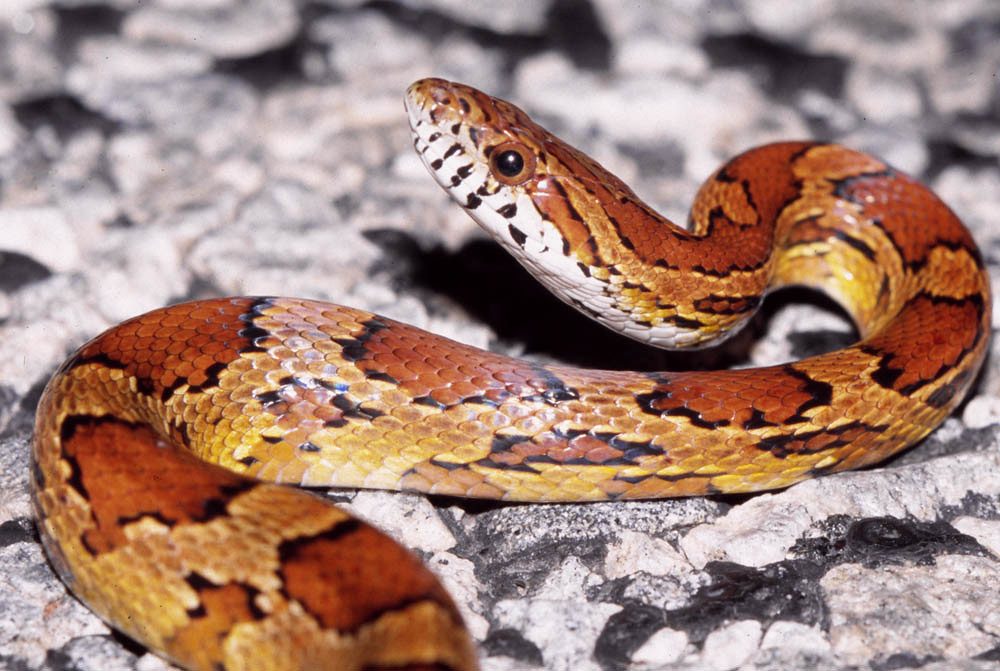
Experts also highlight Great Smoky Mountains National Park, Saguaro National Park, Grand Canyon National Park, Congaree National Park, and Everglades National Park as places with healthy snake populations.
Each park supports different native species depending on climate, vegetation, and geography.
Most snakes are not dangerous
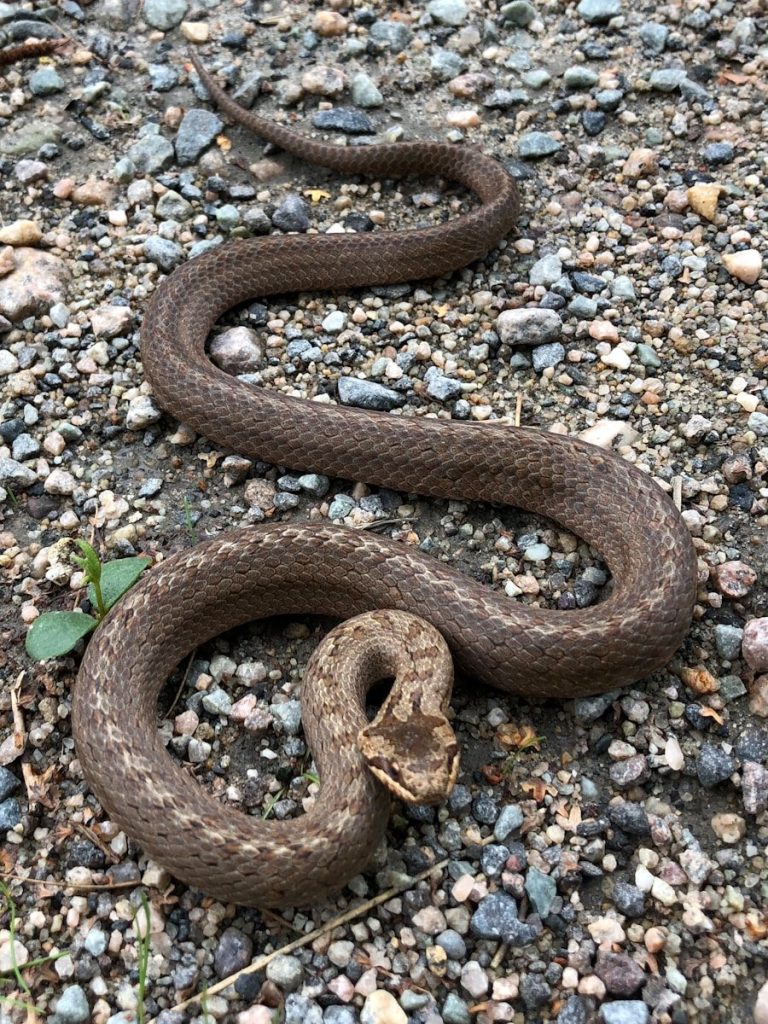
Although several venomous snake species occur in these parks, the vast majority of snakes people encounter are harmless. Even venomous snakes generally remain motionless or retreat when they detect approaching hikers.
Wildlife biologists stress that snakes bite primarily when threatened, cornered, or handled.
What to do if you see a snake
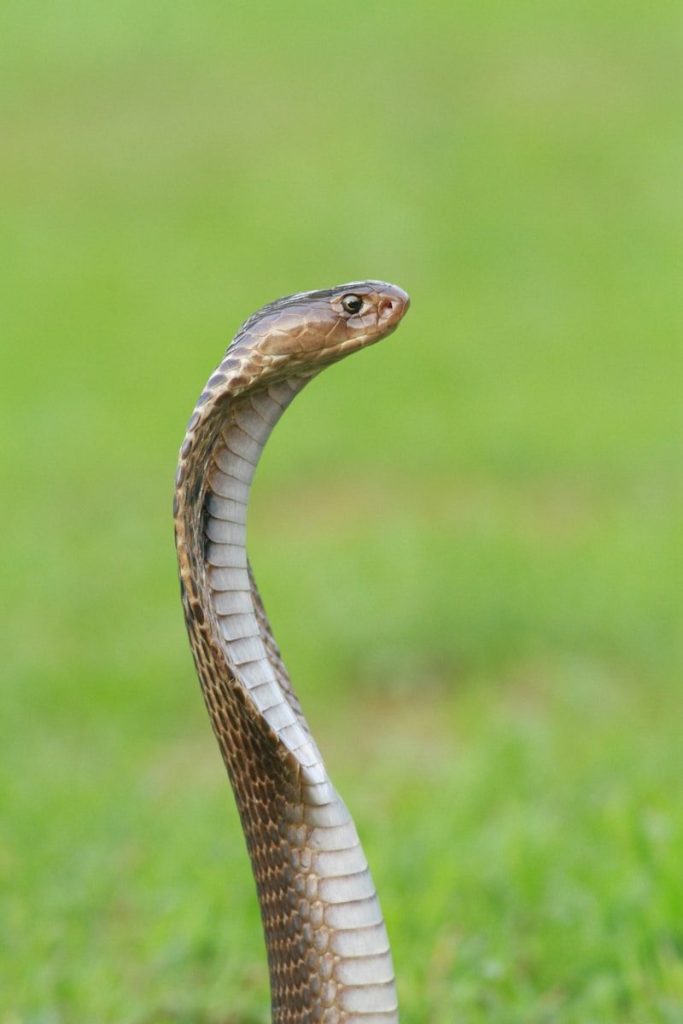
If you encounter a snake on a trail, remain calm and give it plenty of space. Experts recommend staying at least six feet away, avoiding any attempt to touch or move the animal, and allowing it to continue on its way naturally.
Using binoculars or a camera zoom lens is the safest way to observe wildlife without disturbing it.
Snakebite risk is lower than many people think
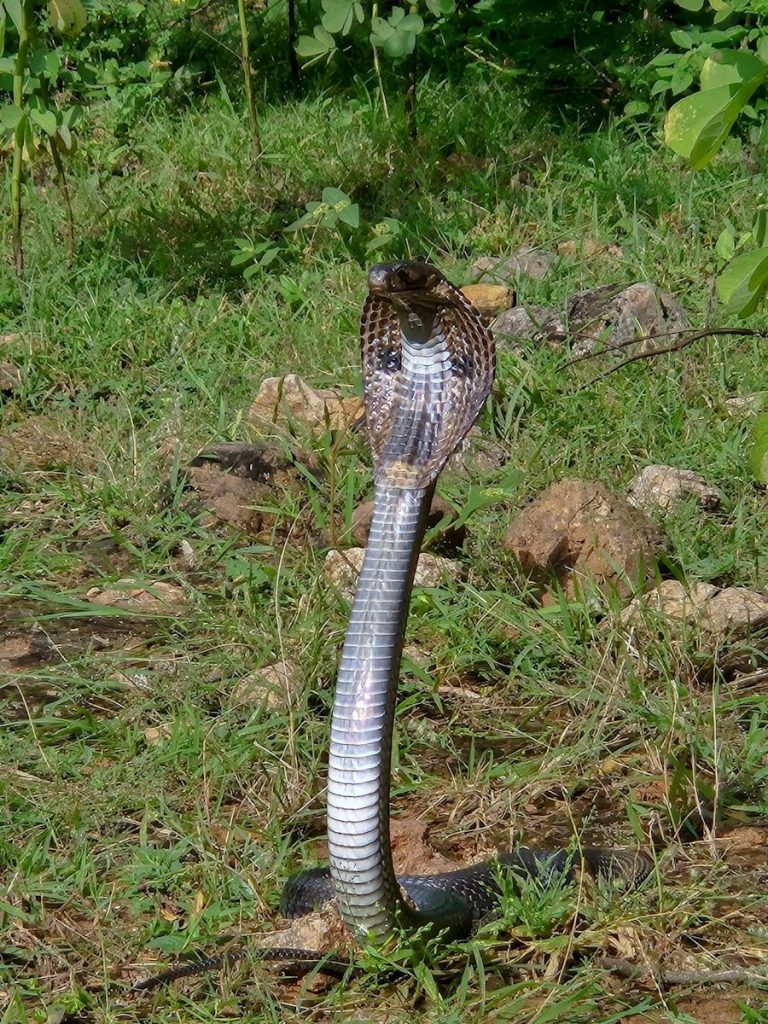
Despite their reputation, venomous snakebites are uncommon in U.S. national parks. Most bites occur when people intentionally handle, provoke, or attempt to kill snakes.
Following marked trails, watching where you place your hands and feet, and respecting wildlife greatly reduces the already small risk of a dangerous encounter.
Leave a Reply