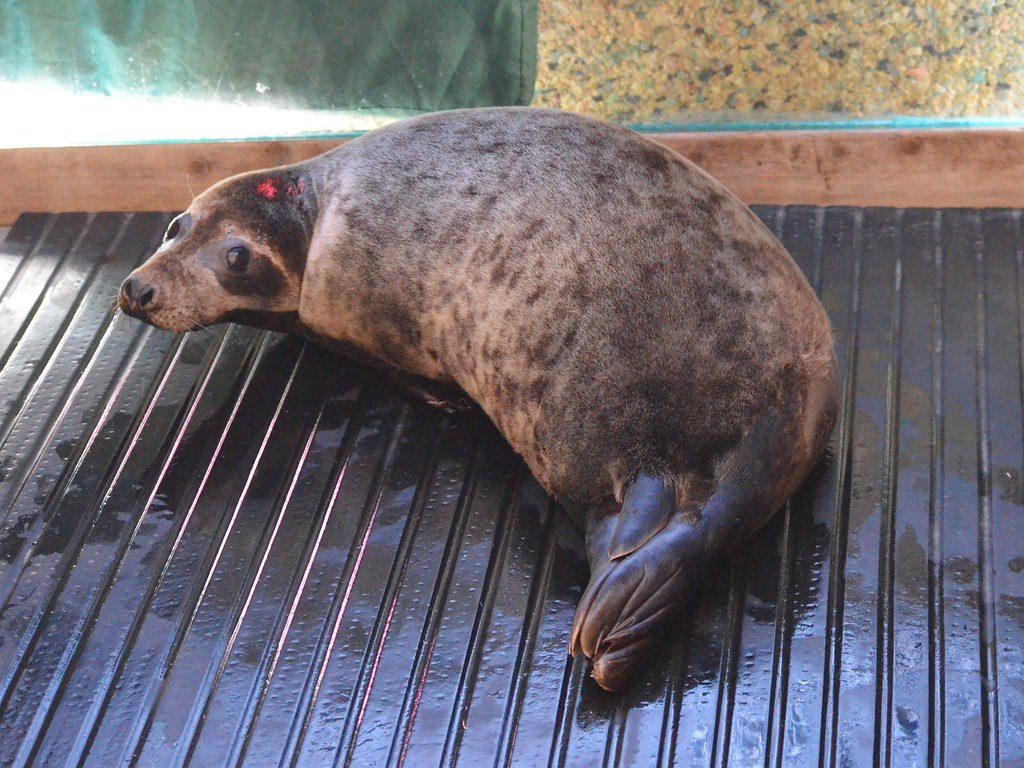
Wildlife rescues rarely unfold exactly as planned. Every injured animal reacts differently, and frightened seals often struggle to understand that the people approaching them are trying to help. During one rescue, a wounded seal repeatedly resisted every attempt to free it from its painful condition.
Then, just as the situation became more complicated, another seal unexpectedly appeared nearby, creating a remarkable moment that rescuers never anticipated.
A seal in urgent need of help
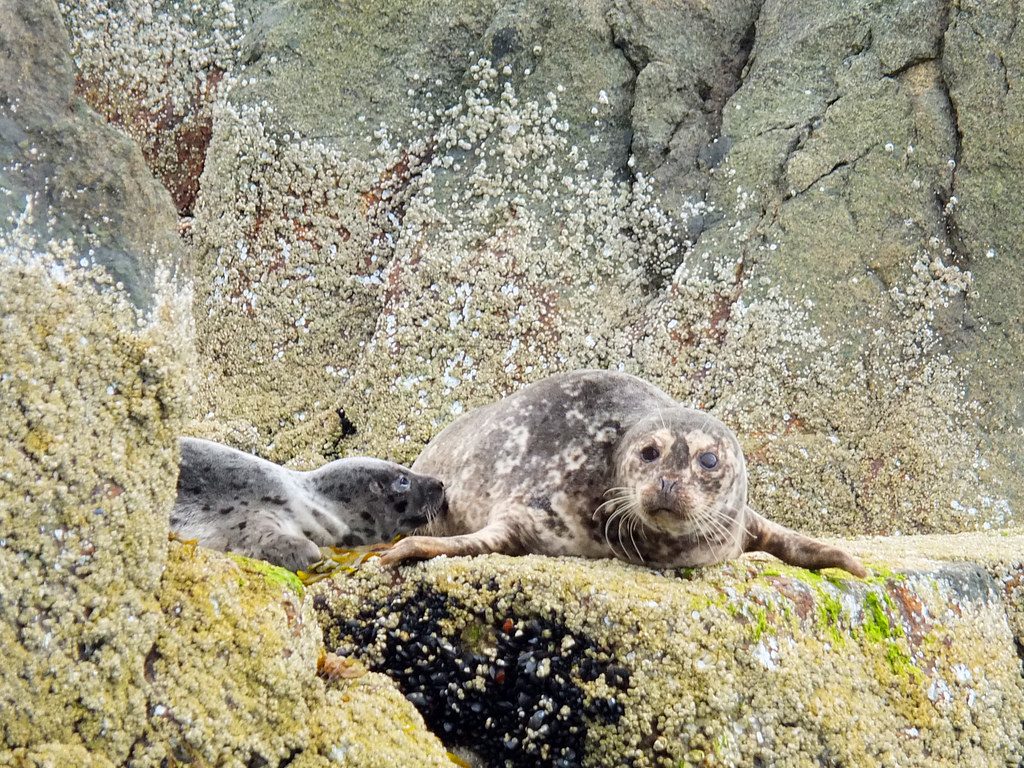
The injured seal was exhausted, frightened, and clearly suffering. Like many wild marine mammals, it viewed approaching humans as potential threats rather than rescuers.
Every attempt to get close caused the animal to move away or defend itself, making the rescue more difficult.
Why rescuing seals is so challenging
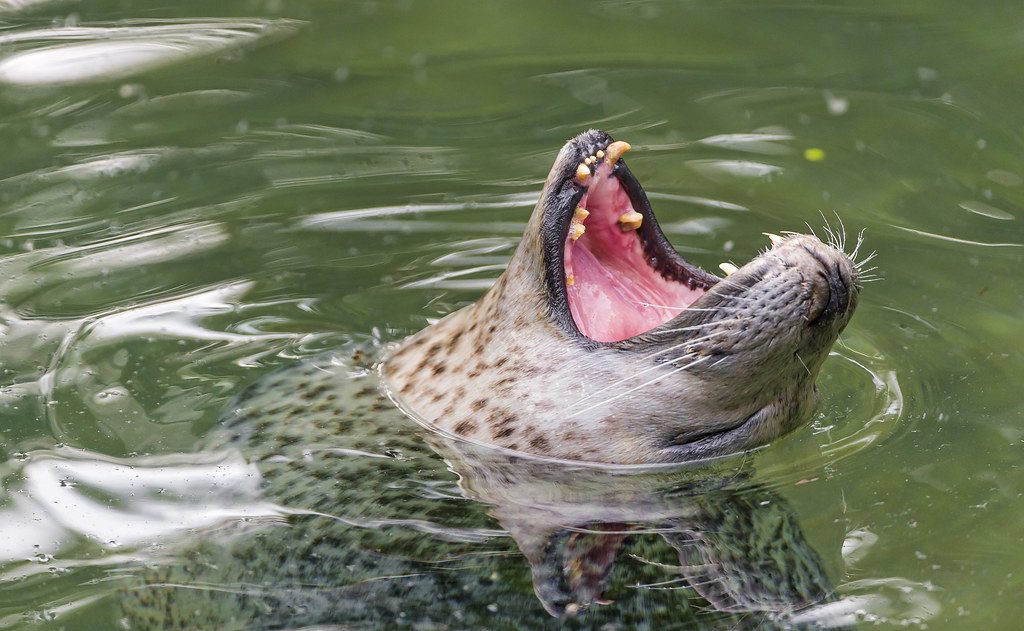
Even badly injured seals often resist assistance because fear is a natural survival response. Rescue teams must work quickly while avoiding unnecessary stress or additional injuries.
Experienced wildlife responders use specialized techniques to safely restrain, examine, and release seals whenever possible.
An unexpected visitor arrives
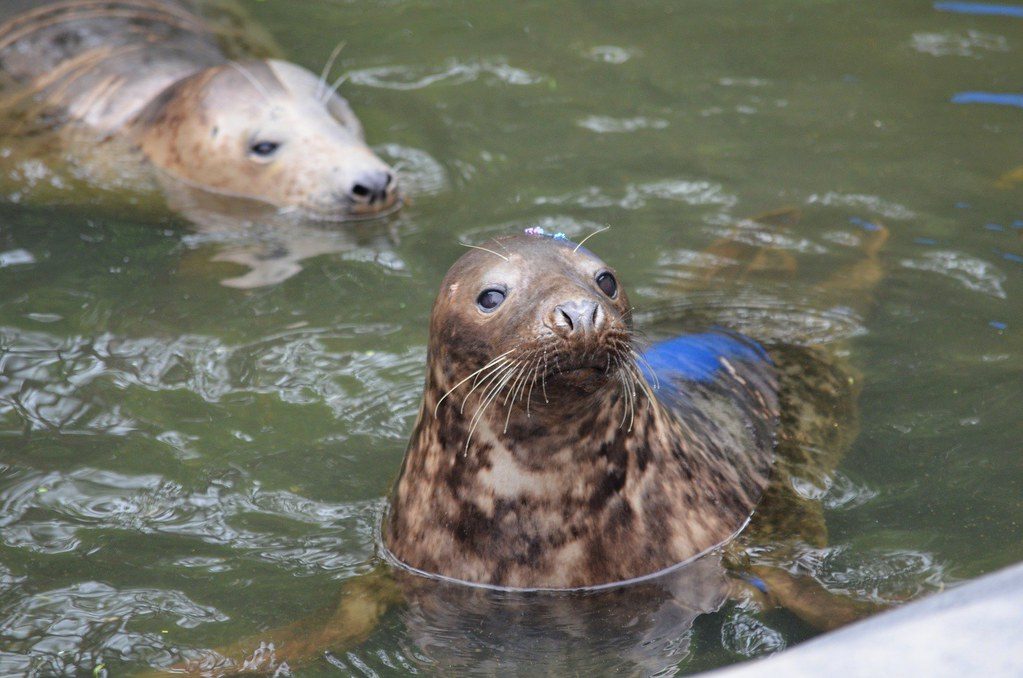
As rescuers focused on the wounded animal, another seal suddenly appeared nearby. Although the second seal was not part of the rescue, its arrival created a surprising and emotional moment.
Wild seals are naturally curious at times, and seeing another member of their species nearby can produce memorable encounters during field rescues.
The hidden danger of marine debris
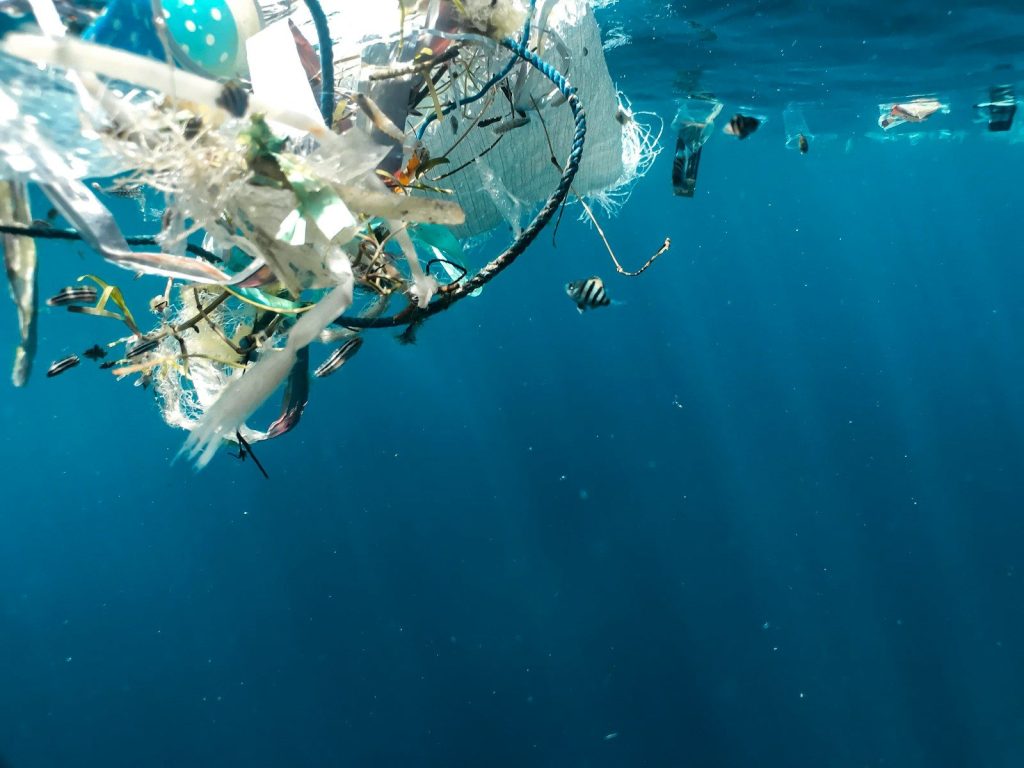
Fishing line, rope, plastic, and discarded nets remain among the greatest threats facing seals. As young seals grow, material wrapped around their necks or bodies can tighten, causing severe wounds, infections, and difficulty moving or feeding.
Without intervention, many entangled seals would not survive.
A successful outcome
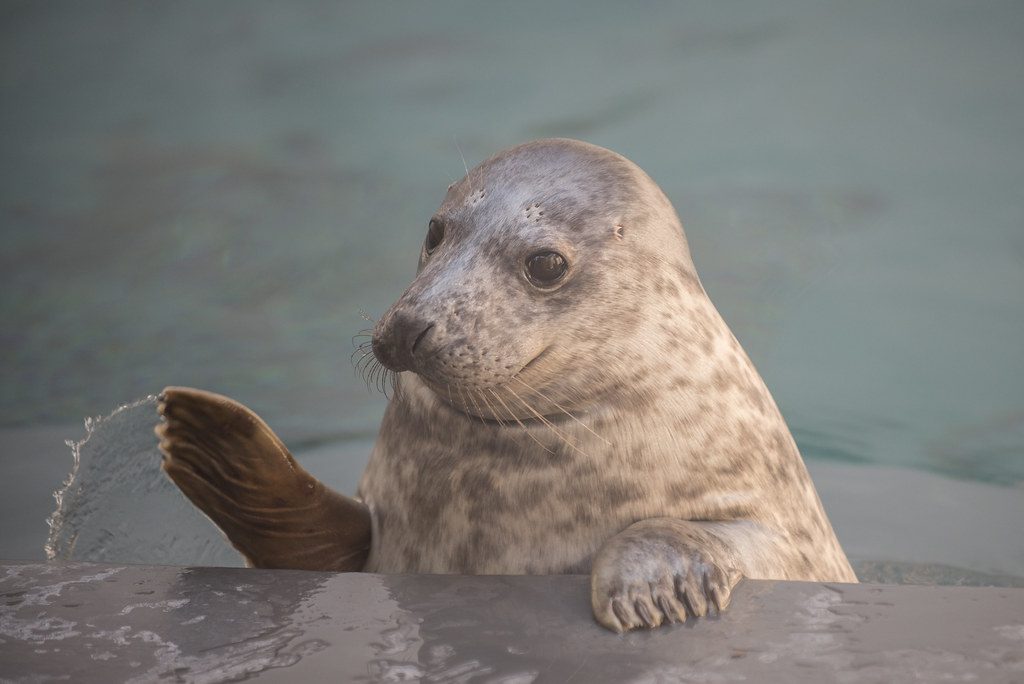
After careful effort, rescuers were able to free the injured seal from its dangerous condition. Once released, the animal returned to the water with a far better chance of healing naturally.
Moments like these highlight the importance of experienced wildlife rescue organizations and rapid response when marine mammals become entangled.
Why every rescue matters
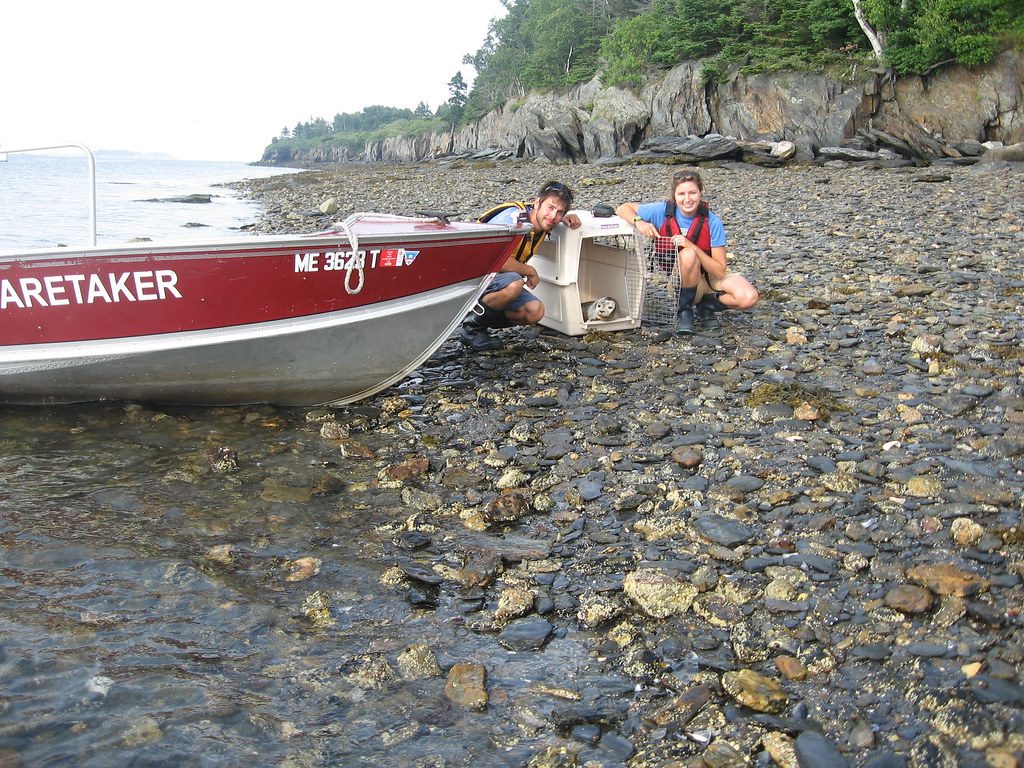
Each rescued seal represents more than a single success story. Removing dangerous marine debris from wildlife also draws attention to the broader problem of plastic pollution and discarded fishing gear in the world’s oceans.
Protecting marine habitats helps reduce future injuries and gives seals a better chance to thrive in the wild.
Featured Image: “Seal Rescue Ireland” by chripell is licensed under CC BY-SA 2.0
Leave a Reply