
A routine reef-monitoring survey off the coast of Florida turned into an exciting scientific discovery when researchers captured one of the ocean’s most remarkable animals. Using underwater cameras near the Dry Tortugas, scientists captured footage of a whale shark, the largest fish on Earth.
The rare observation is helping researchers better understand how these gentle giants use Florida’s waters and why continued monitoring is important for their conservation.
A remarkable discovery beneath the waves

Researchers from the Florida Fish and Wildlife Conservation Commission recorded the whale shark about eight miles west of Loggerhead Key while conducting a reef survey. The animal appeared on a stereo baited remote underwater video system, equipment normally used to monitor reef fish populations.
The unexpected encounter provided valuable scientific data without disturbing the shark.
Meet the largest fish on Earth

Whale sharks can reach lengths of up to 60 feet, although most adults measure between 18 and 40 feet. Despite their enormous size, they feed mainly on tiny organisms such as plankton, small fish, and crustaceans by filtering seawater through specialized gill structures.
Their gentle feeding behavior makes them harmless to people.
More common than scientists once believed
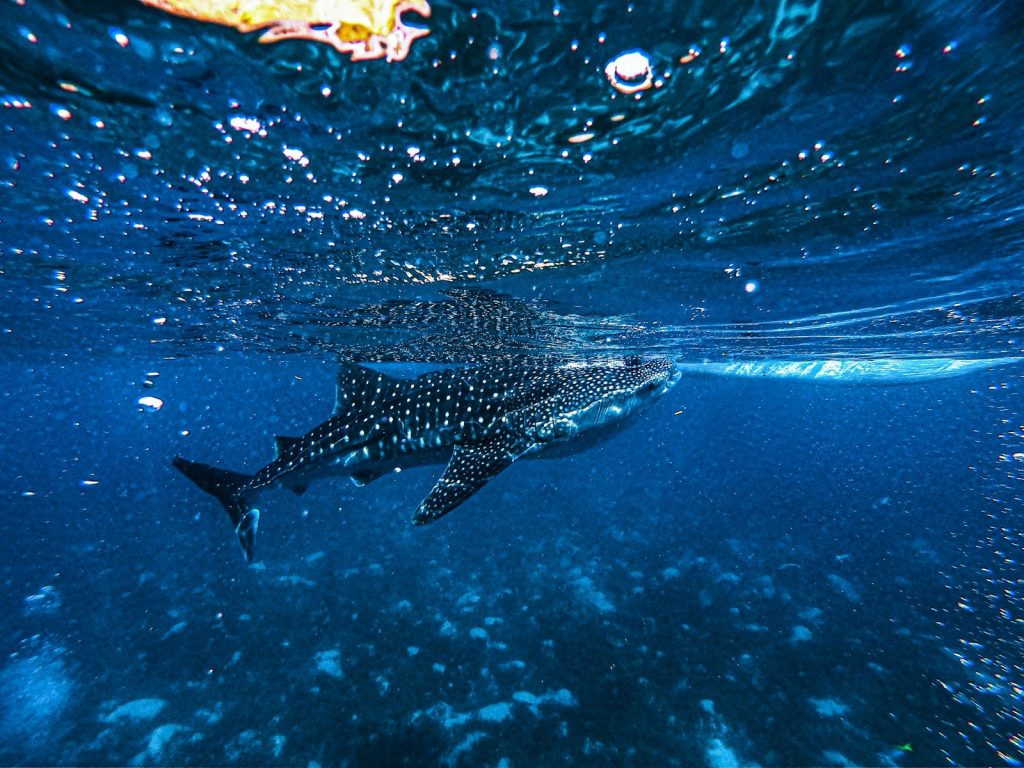
Researchers believe whale sharks may visit Florida waters more frequently than previously recognized. Many sightings likely go undocumented because these highly migratory fish spend much of their lives far offshore and are encountered only occasionally by boaters, anglers, or scientific surveys.
Improved monitoring is helping scientists build a clearer picture of their movements.
Why whale sharks matter

As filter feeders, whale sharks help maintain healthy marine ecosystems by consuming large concentrations of plankton and other small organisms. They also serve as indicators of productive ocean habitats that support many different marine species.
Understanding where whale sharks travel helps researchers identify important areas for conservation.
Threats facing gentle giants

Although whale sharks pose no danger to humans, they face numerous threats worldwide. Accidental capture in fishing gear, vessel strikes, habitat disturbance, pollution, and climate change have contributed to declining global populations.
Because of these pressures, the International Union for Conservation of Nature lists the species as Endangered.
How scientists are protecting whale sharks
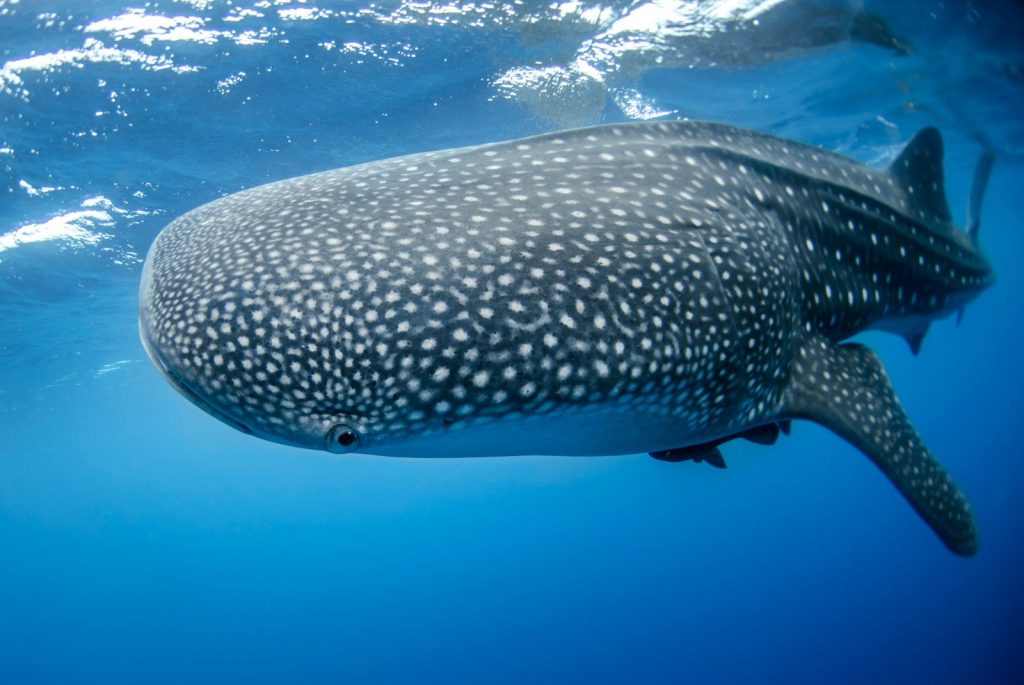
Underwater camera systems, satellite tags, aerial surveys, and public sighting reports all contribute to whale shark research. Every confirmed observation helps scientists better understand migration routes, seasonal movements, and important feeding habitats.
These efforts support long-term conservation strategies for one of the ocean’s most iconic species.
Featured Image: Photo by Sense Atelier on Unsplash
Leave a Reply