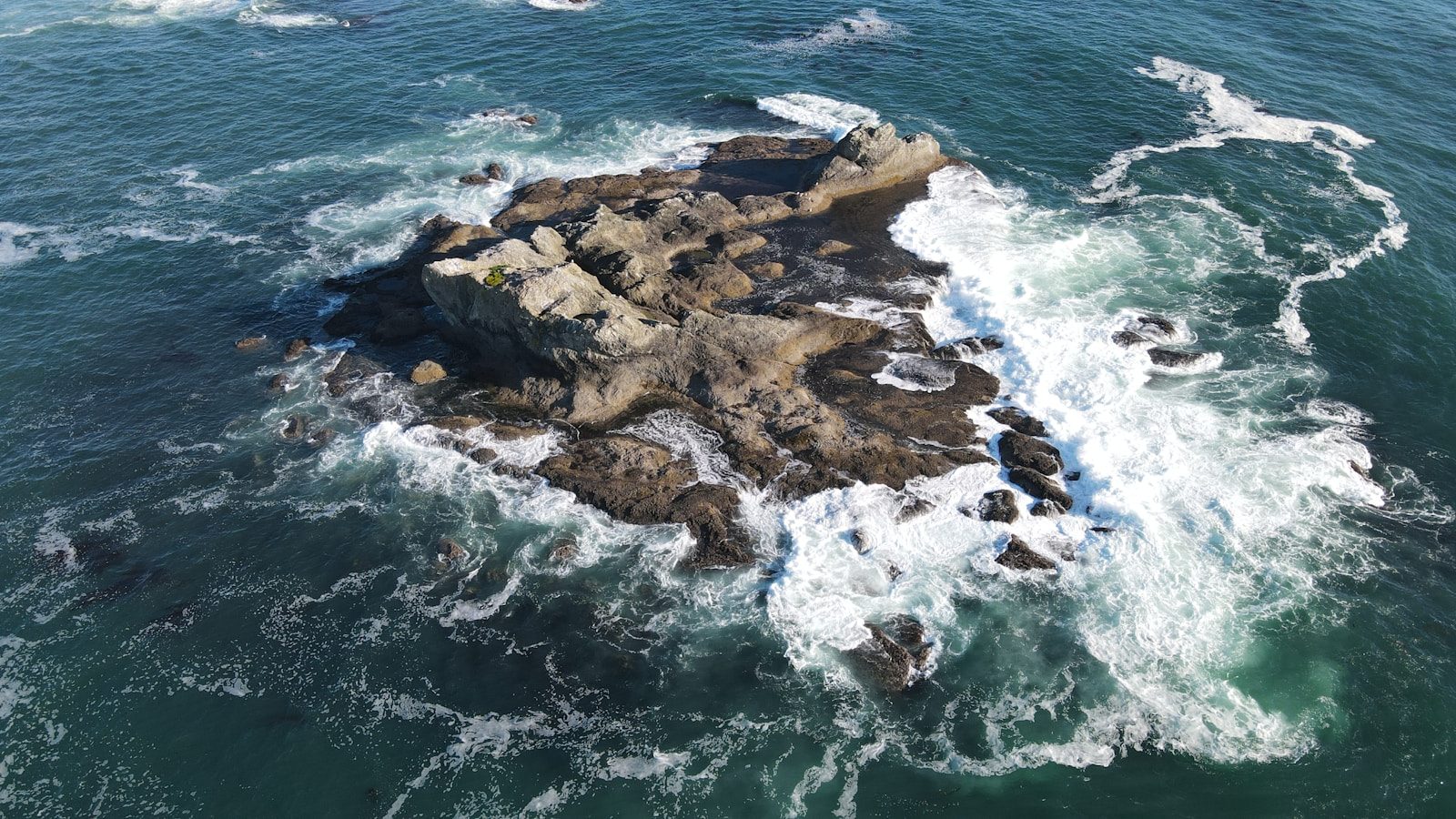
For decades, the Bermuda Triangle has been one of the world’s most famous mysteries. Stories of vanished ships, missing aircraft, and unexplained disappearances inspired theories of alien visitation, Atlantis, giant sea monsters, methane gas, and even time warps.
But modern research paints a much less mysterious picture. When scientists examined decades of marine and aviation records, they found little evidence that the region is unusually dangerous compared with other busy parts of the world’s oceans.
How the legend began
The Bermuda Triangle is an imaginary region generally bounded by Miami, Bermuda, and Puerto Rico. Its reputation grew during the 20th century after several high-profile disappearances, including the loss of U.S. Navy Flight 19 in 1945.
Books, magazine articles, and television programs often combined real accidents with exaggerated or poorly documented stories, helping create the legend that persists today.
What modern research found
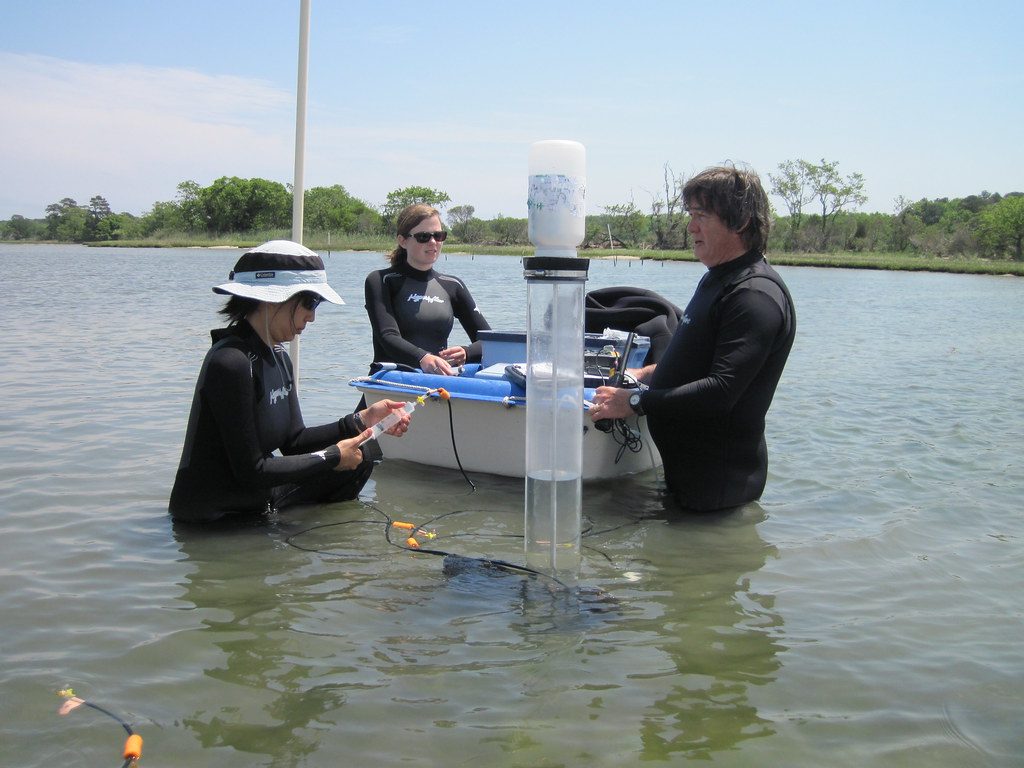
Researchers analyzed thousands of marine and aviation incidents recorded between 1982 and 2015. Their study found no evidence that disappearances occurred more frequently inside the Bermuda Triangle than in other heavily traveled ocean regions.
The findings support decades of scientific criticism that the Bermuda Triangle is largely a manufactured mystery rather than a unique danger zone.
The real causes behind most accidents
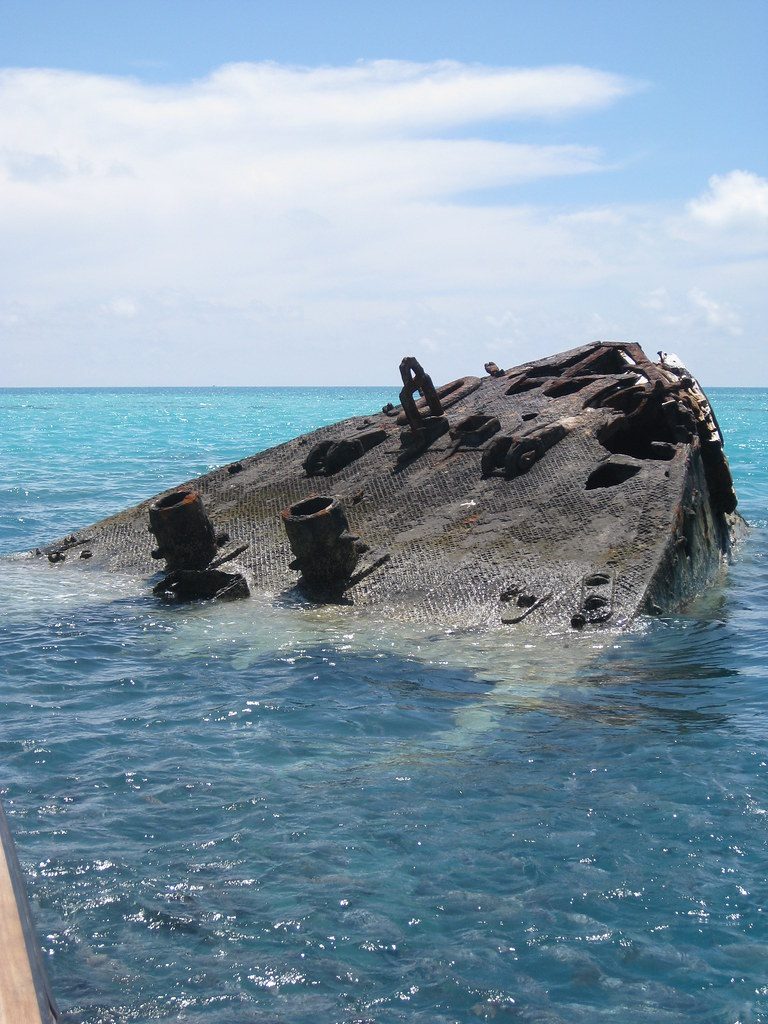
The Atlantic Ocean around the Bermuda Triangle experiences rapidly changing weather, powerful storms, hurricanes, strong Gulf Stream currents, and heavy commercial air and sea traffic. Combined with navigation mistakes, mechanical failures, and human error, these factors can explain most documented losses.
Experts say these are the same types of risks faced in many busy maritime regions around the world.
Why the mystery became so famous
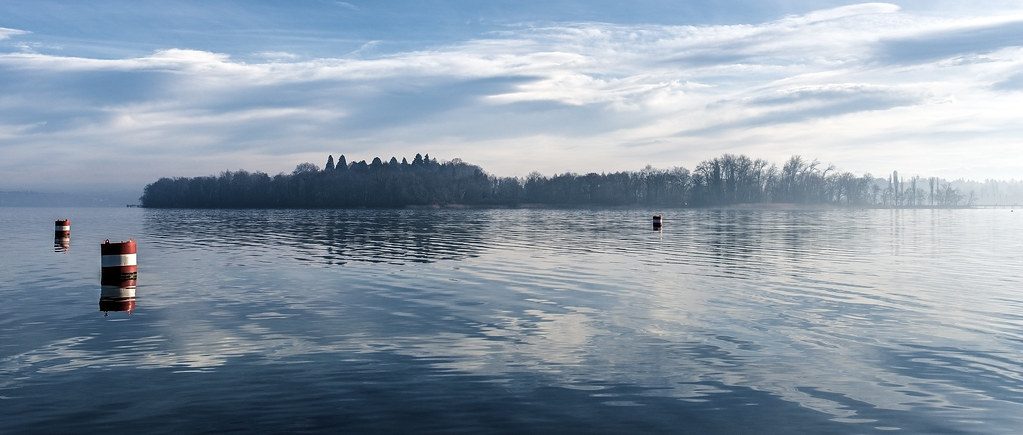
Dramatic disappearances naturally capture public attention, especially when wreckage is never found. Over time, repeated retellings added supernatural explanations while overlooking ordinary causes or correcting inaccurate reports.
Investigations by journalists and historians have shown that several famous Bermuda Triangle stories were exaggerated, misreported, or lacked reliable evidence.
What scientists say today
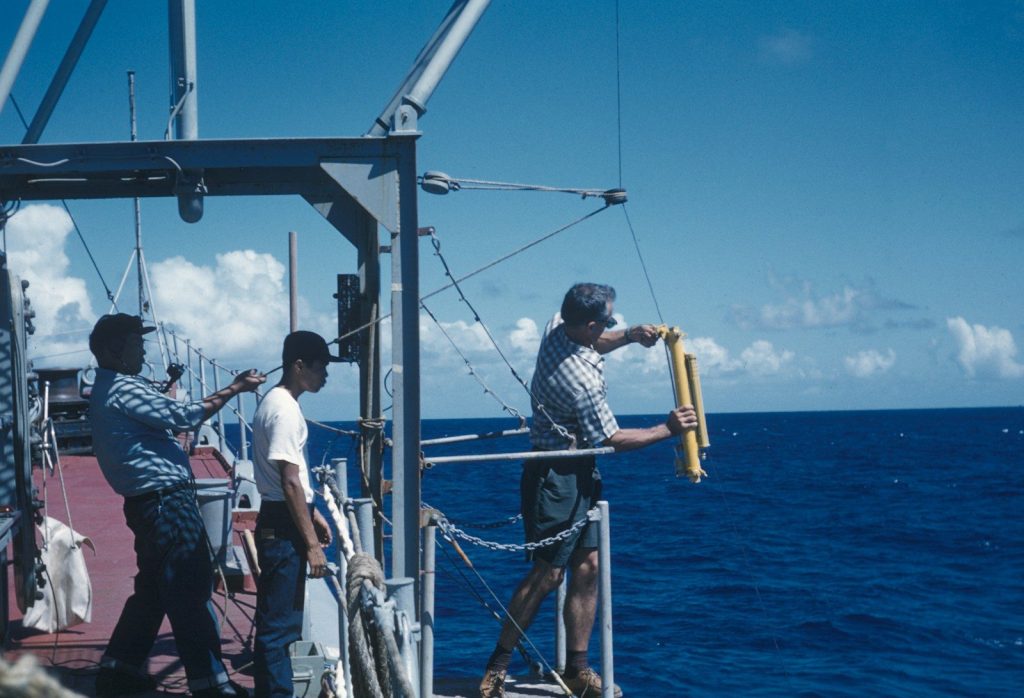
Organizations such as NOAA and many maritime researchers do not recognize the Bermuda Triangle as an area with unusual risks. Statistical evidence shows that ships and aircraft disappear there at rates consistent with other heavily traveled regions.
Rather than supporting paranormal explanations, current research points to natural environmental conditions combined with ordinary operational hazards.
Why the legend lives on
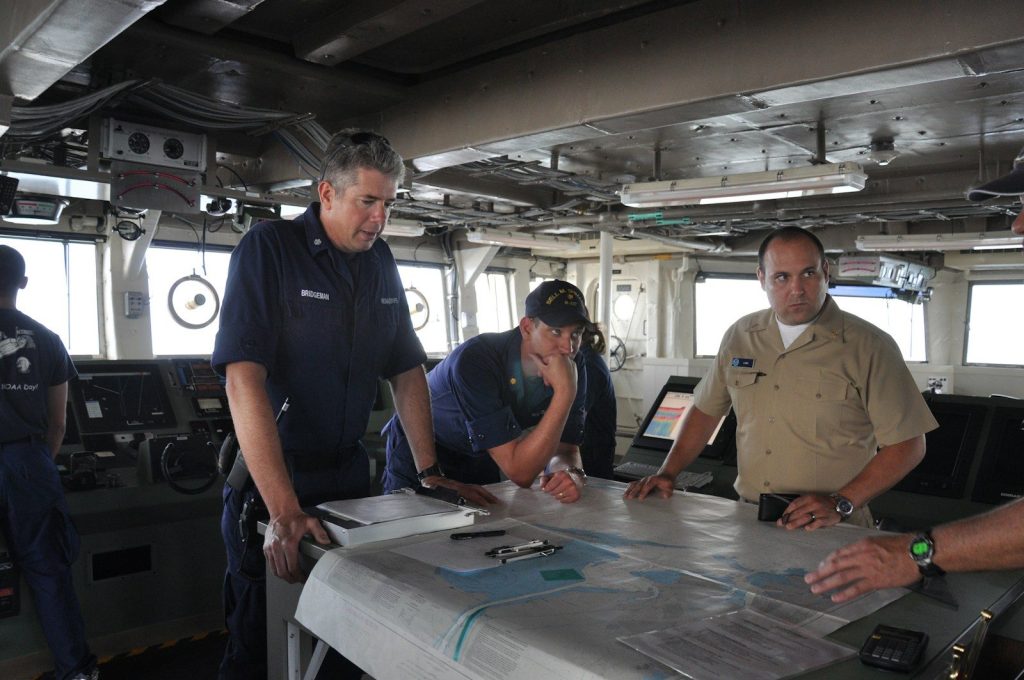
Although science has largely explained the Bermuda Triangle’s reputation, the mystery continues to fascinate people through books, documentaries, films, and popular culture. The combination of unsolved historical cases and dramatic storytelling has kept the legend alive for generations.
While some individual disappearances remain unexplained because of limited evidence, researchers emphasize that “unexplained” does not mean “supernatural.”
Featured Image: Photo by Ryan Milrad on Unsplash
Leave a Reply