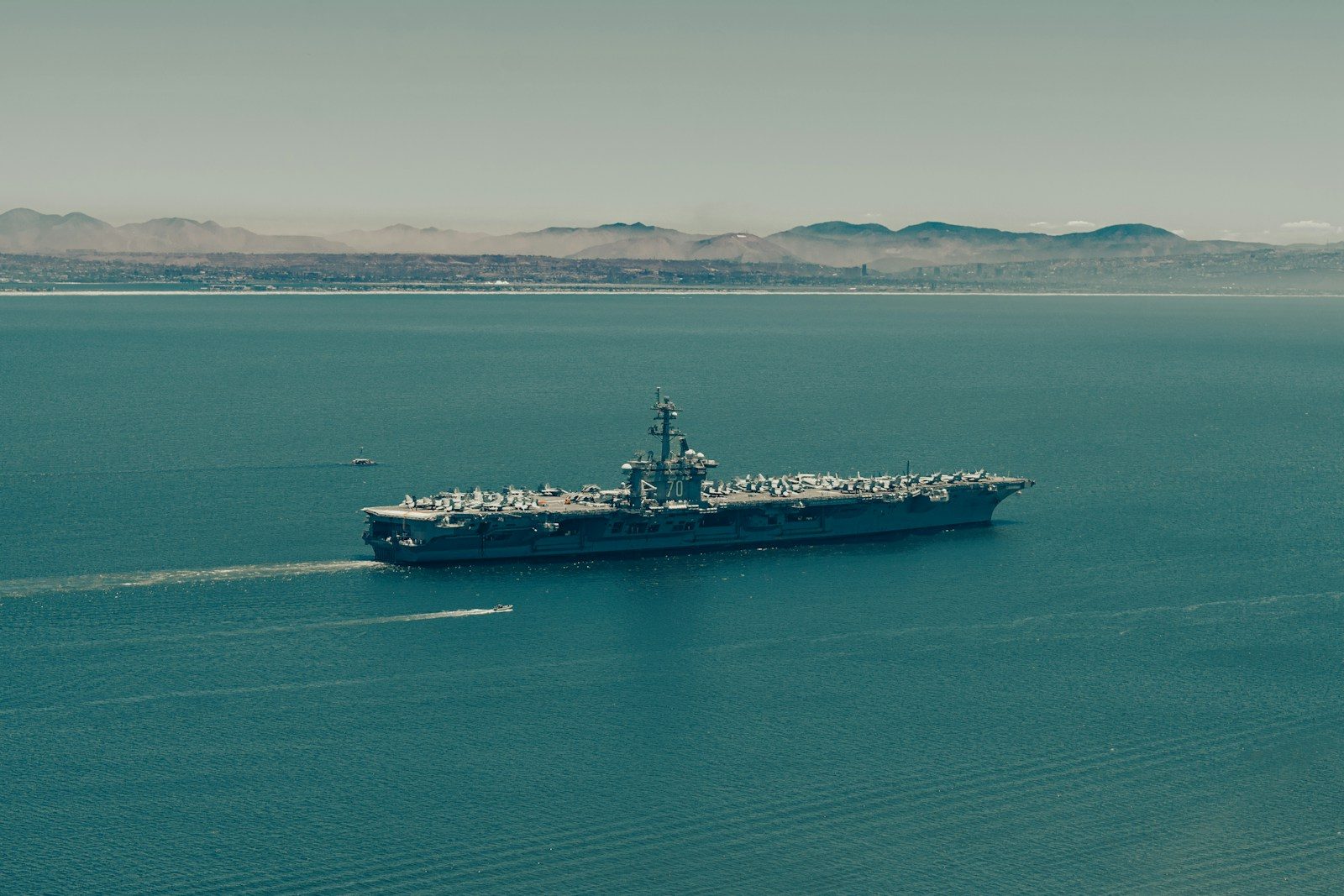
What began as an ordinary day on the water quickly turned into an unforgettable wildlife encounter. During routine operations at sea, a Navy crew noticed an unfamiliar shape moving steadily toward their boat. At first, the object was too distant to identify, creating a mixture of curiosity and uncertainty among everyone on deck.
As it drew closer, the mystery gave way to an extraordinary reminder that even well-traveled oceans can still deliver remarkable surprises.
A routine patrol takes an unexpected turn
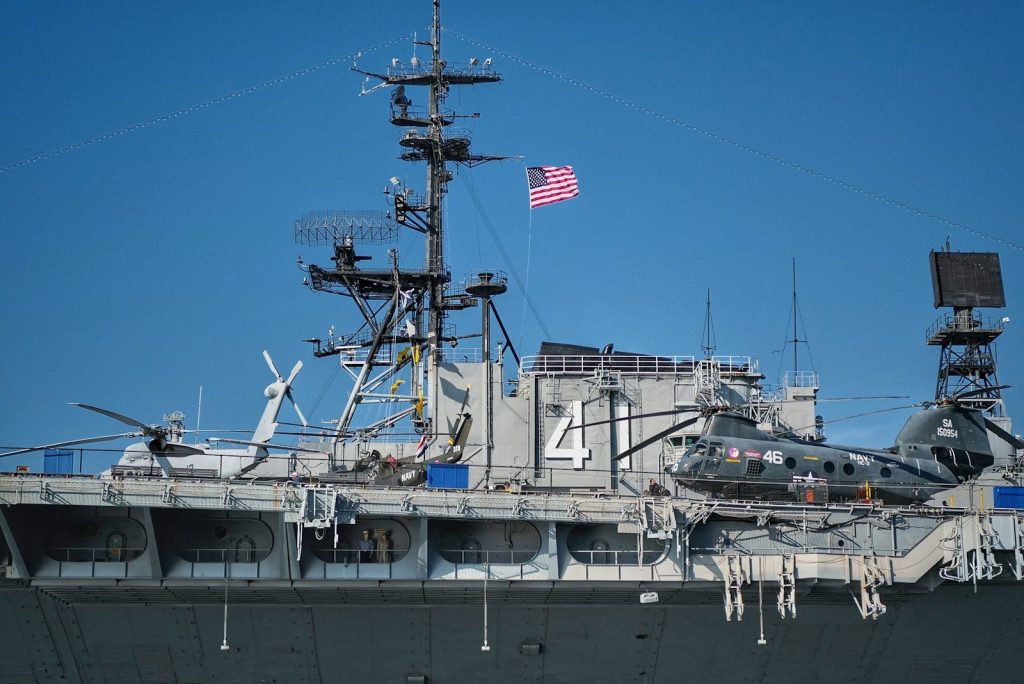
Life aboard a naval vessel often follows a predictable rhythm of navigation, observation, and training. On this occasion, however, a small disturbance on the surface caught the crew’s attention.
With little to distinguish it from waves at first, the approaching object became the focus of everyone’s eyes as it continued moving closer.
The mystery grows
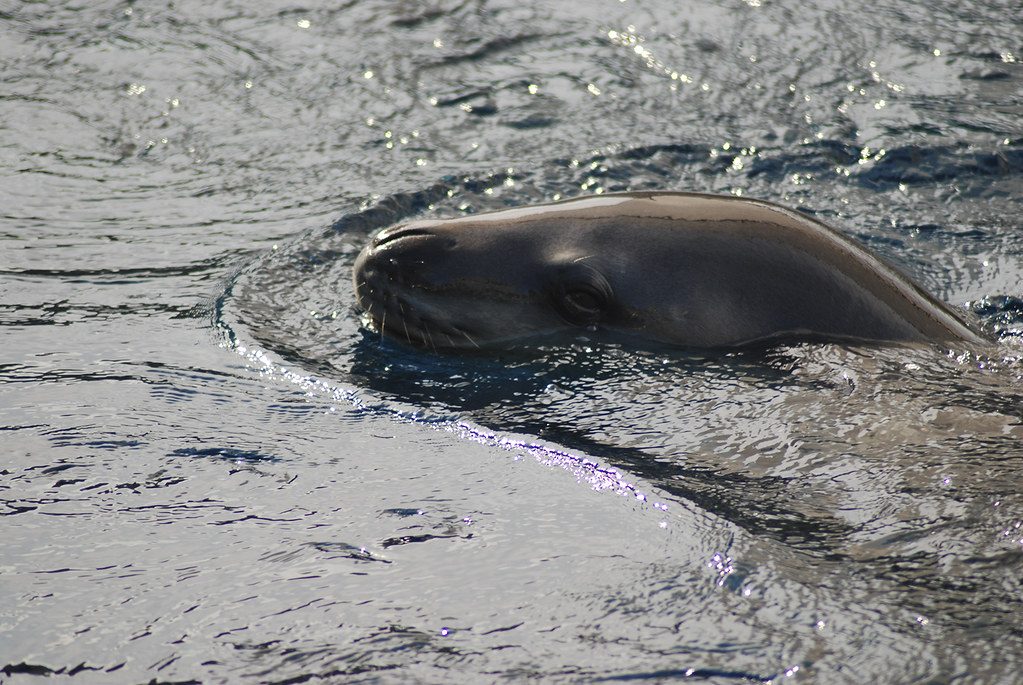
From a distance, it was impossible to tell whether the shape was drifting debris, another vessel, or marine wildlife. As the gap narrowed, the outline slowly became clearer, building anticipation among the crew.
Moments like these highlight how difficult it can be to identify objects on open water until they are surprisingly close.
A remarkable marine visitor
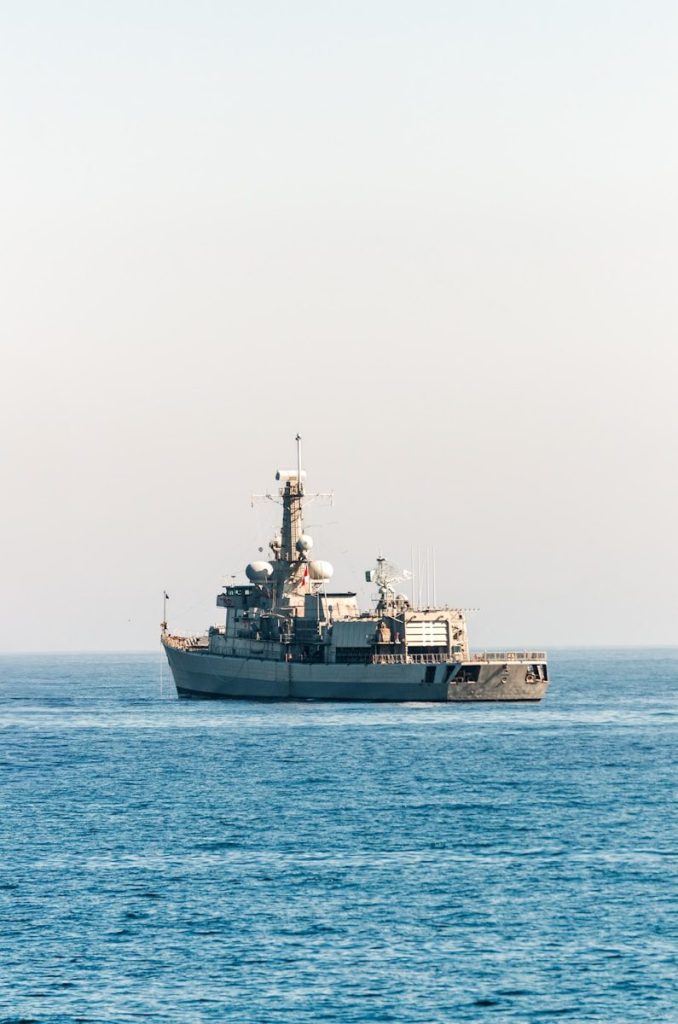
The approaching animal turned out to be a large marine mammal, creating a rare opportunity to observe wildlife at close range. Curious whales, especially humpback whales, have occasionally been documented approaching boats without showing aggressive behavior.
Scientists believe these encounters are usually driven by curiosity rather than any intention to interact with people.
Why whales approach boats
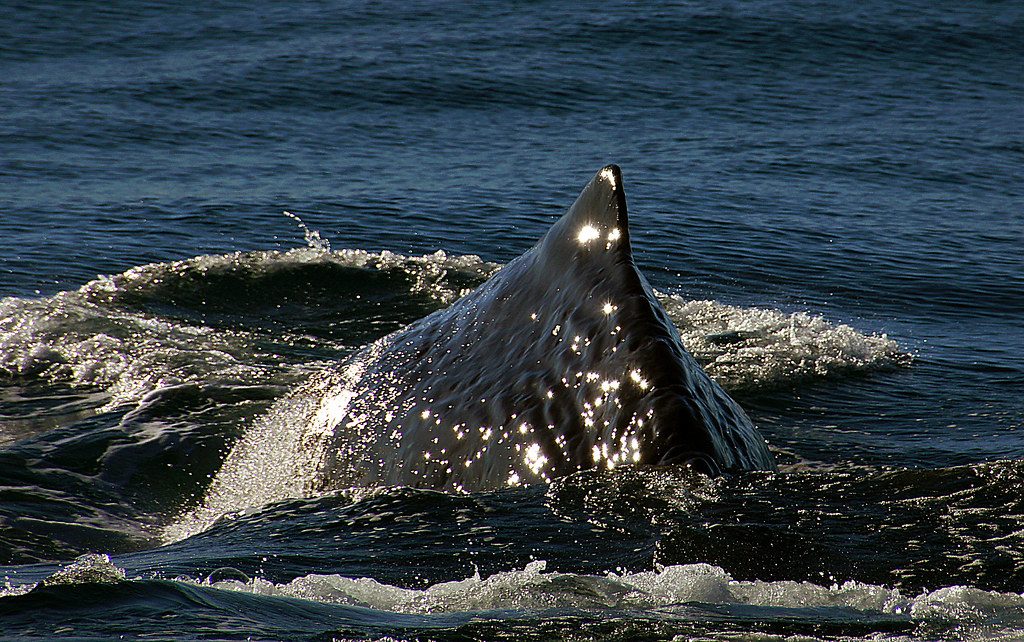
Researchers are still studying why some whales investigate vessels. In many cases, slow-moving or stationary boats appear less threatening, allowing whales to approach briefly before continuing on their way.
Wildlife experts stress that boat operators should never pursue or intentionally approach whales, allowing the animals to control the encounter instead.
Respecting wildlife at sea
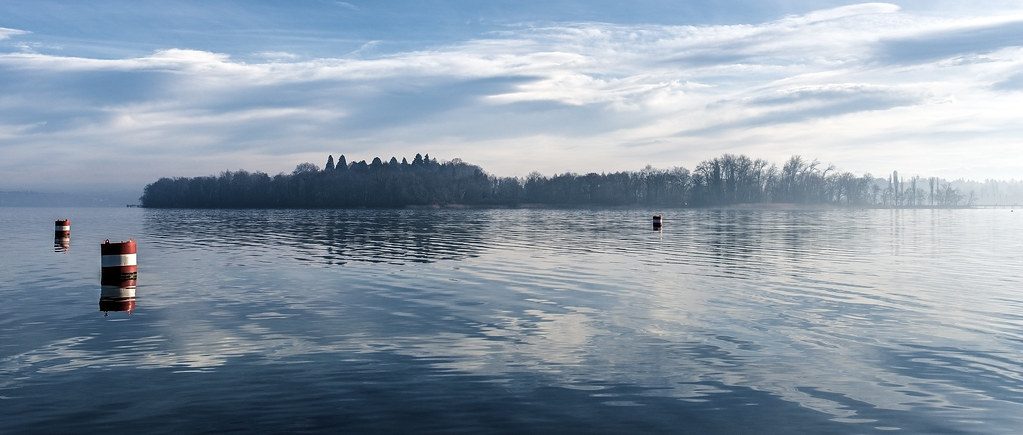
Marine mammals are protected in many parts of the world, and responsible boating practices help reduce stress and collision risks. Maintaining safe distances, minimizing noise, and avoiding sudden course changes all contribute to safer encounters for both wildlife and people.
Respectful observation allows these memorable moments to occur without disturbing the animals.
The ocean still holds surprises
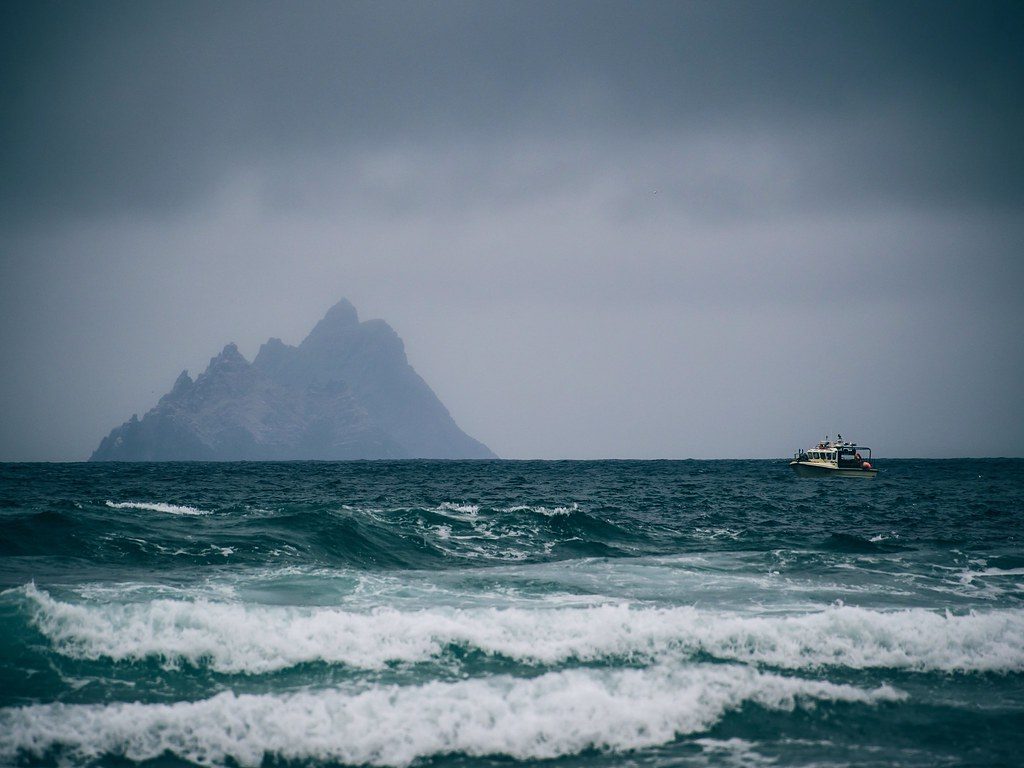
Although modern navigation has mapped much of the world’s oceans, unexpected wildlife encounters remain part of life at sea. Whether involving whales, dolphins, sea turtles, or other marine animals, these experiences remind us that the ocean remains home to extraordinary wildlife that often appears when least expected.
For the crew, what started as a routine day became a lasting reminder of nature’s ability to surprise.
Leave a Reply