
A routine day at the beach turned into an inspiring wildlife rescue when a group of visitors noticed a giant sea turtle struggling to escape deep sand after attempting to nest. Unable to free itself despite repeated efforts, the exhausted turtle appeared trapped among the dunes.
Realizing the animal needed immediate help, nearby beachgoers carefully worked together to create a safe path back to freedom.
A nesting journey takes a dangerous turn
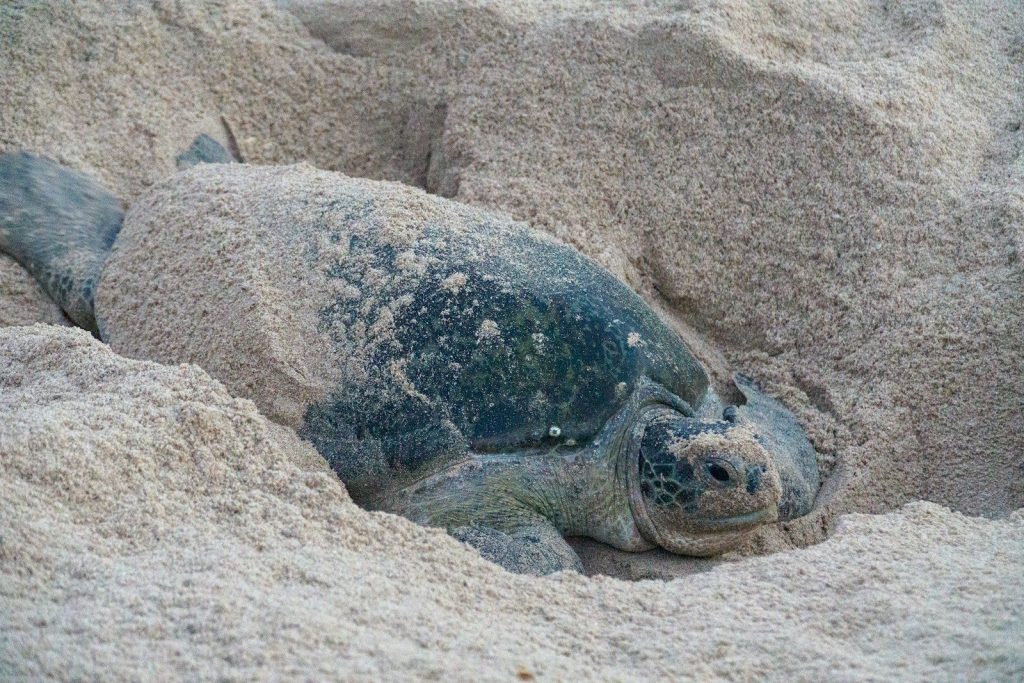
Female sea turtles leave the ocean to dig nests and lay their eggs high on sandy beaches. The process requires enormous effort, and after nesting, they must crawl back across soft sand to reach the water.
Occasionally, loose sand or steep dunes can make that return far more difficult than expected.
Beachgoers notice the struggling turtle

People nearby spotted the exhausted turtle repeatedly trying to climb out of a deep hole without success. Recognizing that the animal was becoming trapped, they quickly gathered to assess the situation while taking care not to injure it.
Their goal was to remove the obstacle rather than force the turtle to move.
Working together to free the turtle
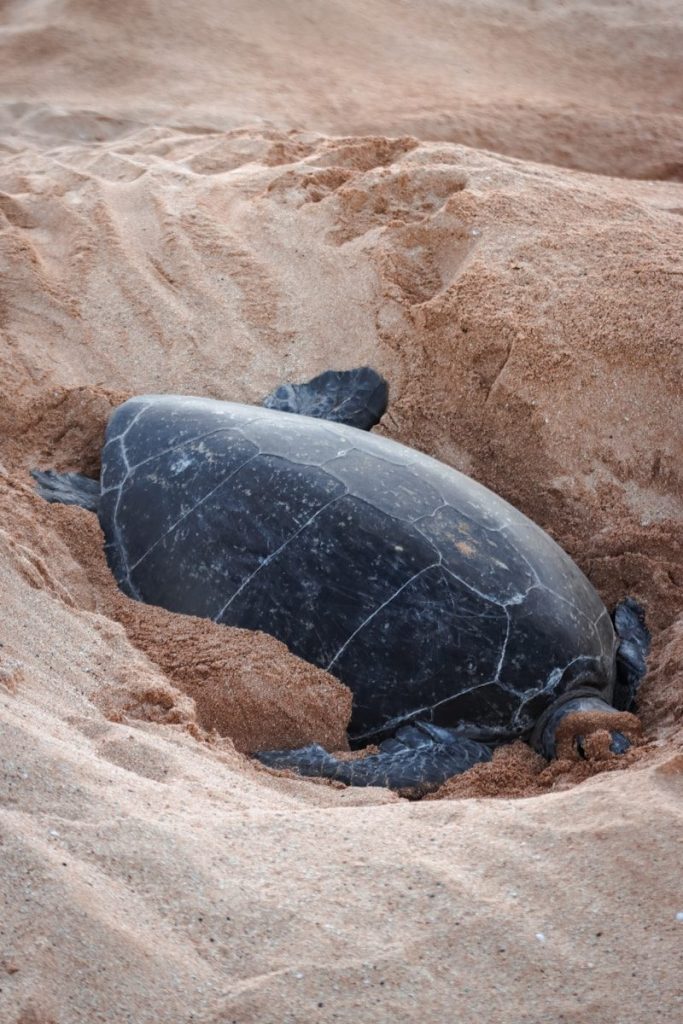
Using their hands, the group gradually dug away the heavy sand surrounding the turtle’s shell and flippers. As more space opened around the animal, it slowly regained enough movement to push itself forward.
After several determined attempts, the turtle finally crawled free and continued across the beach as onlookers celebrated.
Why nesting sea turtles become exhausted
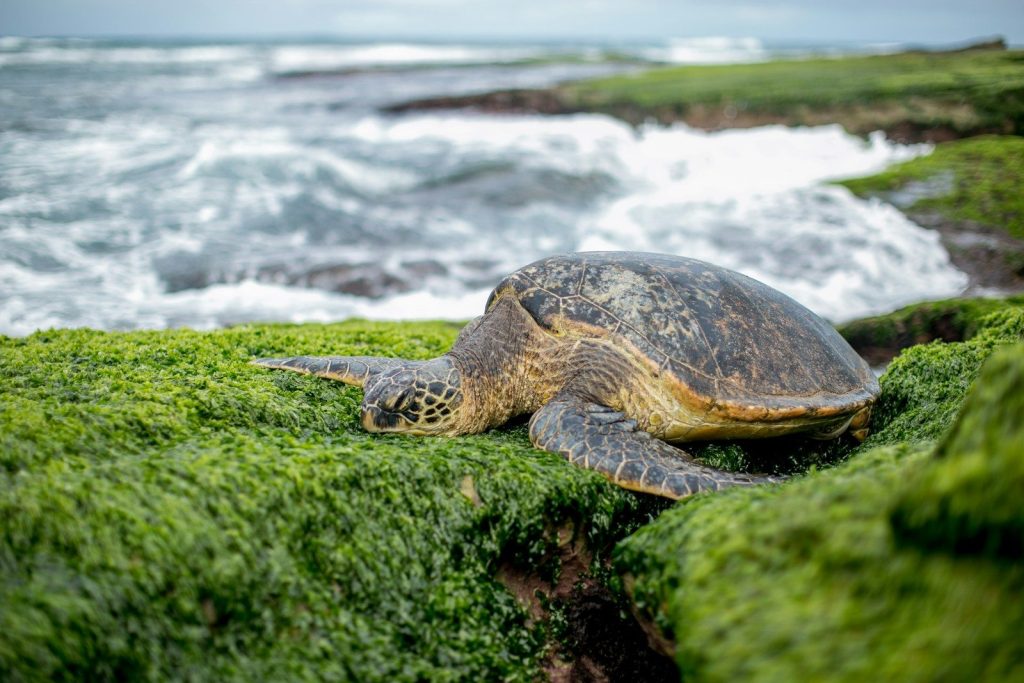
Nesting is one of the most physically demanding periods in a sea turtle’s life. Digging a nest, laying eggs, covering the nest, and returning to the ocean all require significant energy reserves.
Any unexpected obstacle can leave an already tired turtle struggling to complete its journey.
How can people help responsibly?
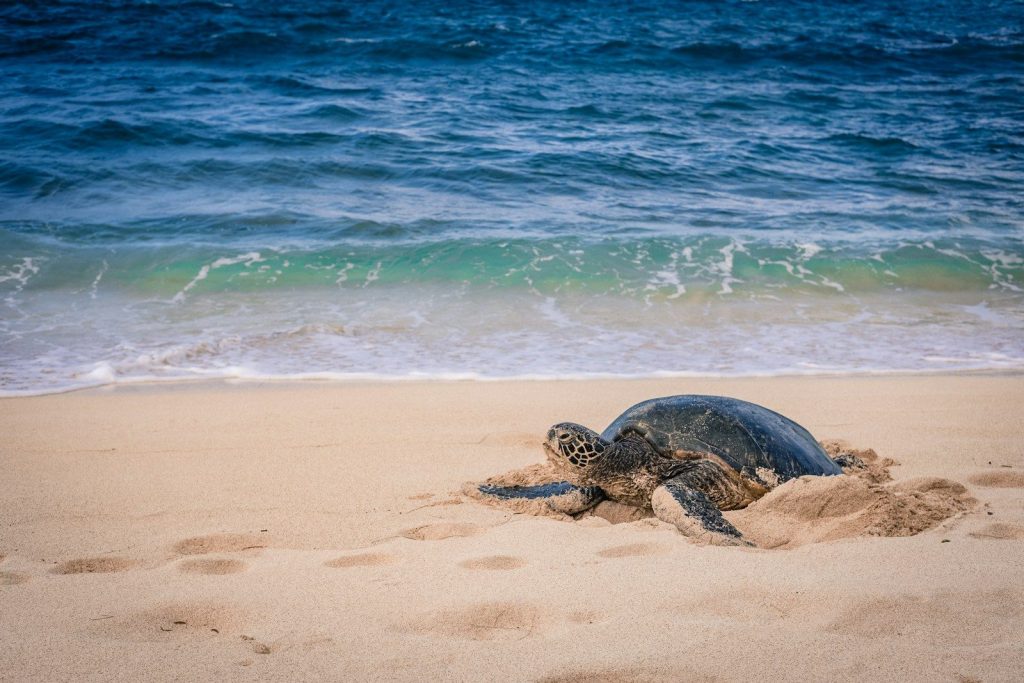
Wildlife experts encourage beach visitors to give nesting sea turtles plenty of space and avoid disturbing them whenever possible. If a turtle appears injured, trapped, or unable to return to the sea, people should notify local wildlife authorities or trained marine rescue organizations.
Intervening should be done carefully and only when the animal is clearly in immediate danger.
Every successful rescue matters

Sea turtles face numerous threats, including habitat loss, pollution, fishing gear, boat strikes, and climate change. Helping an exhausted turtle safely return to the ocean gives it another opportunity to survive and reproduce in future nesting seasons.
The rescue also highlights how public awareness can make a meaningful difference for threatened marine wildlife.
Featured Image: Photo by Jeremy Bishop on Unsplash
Leave a Reply